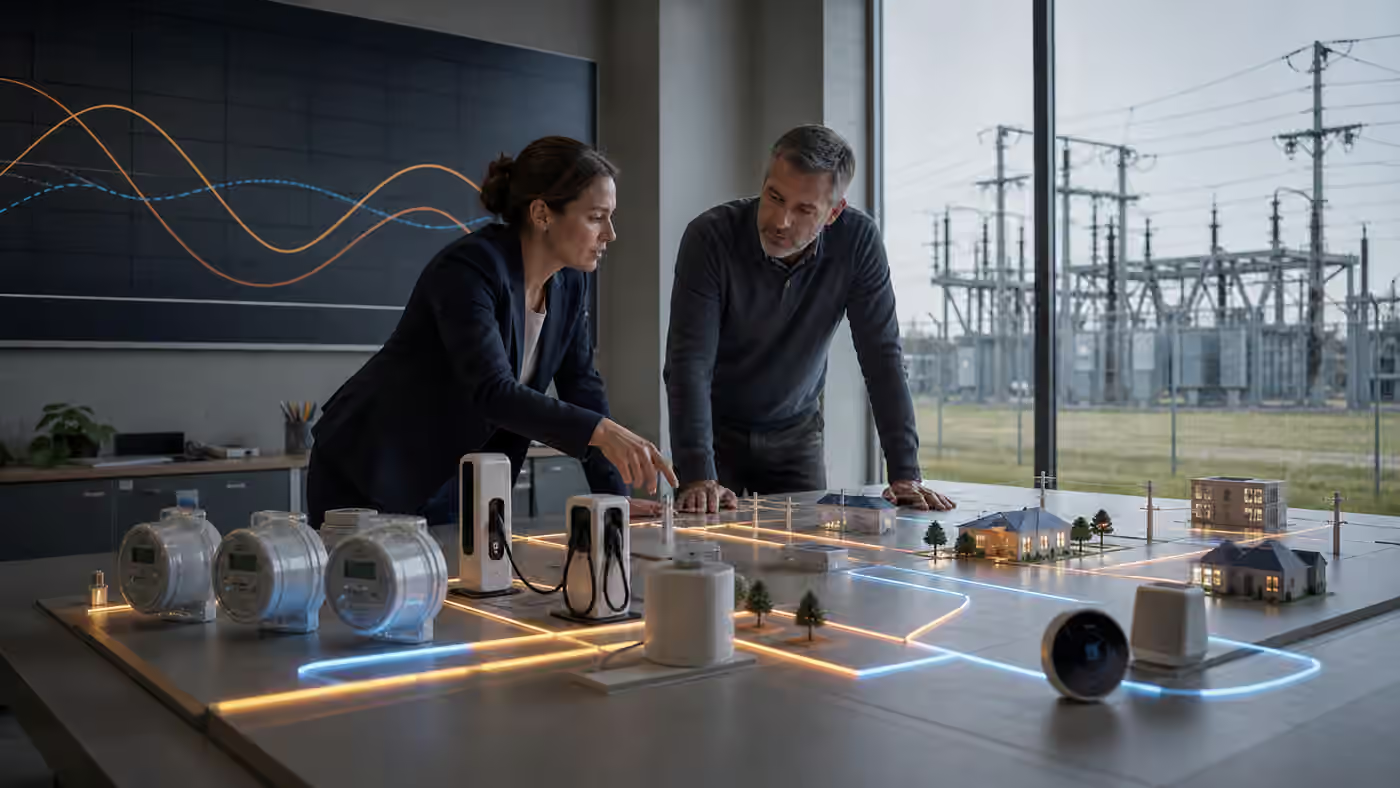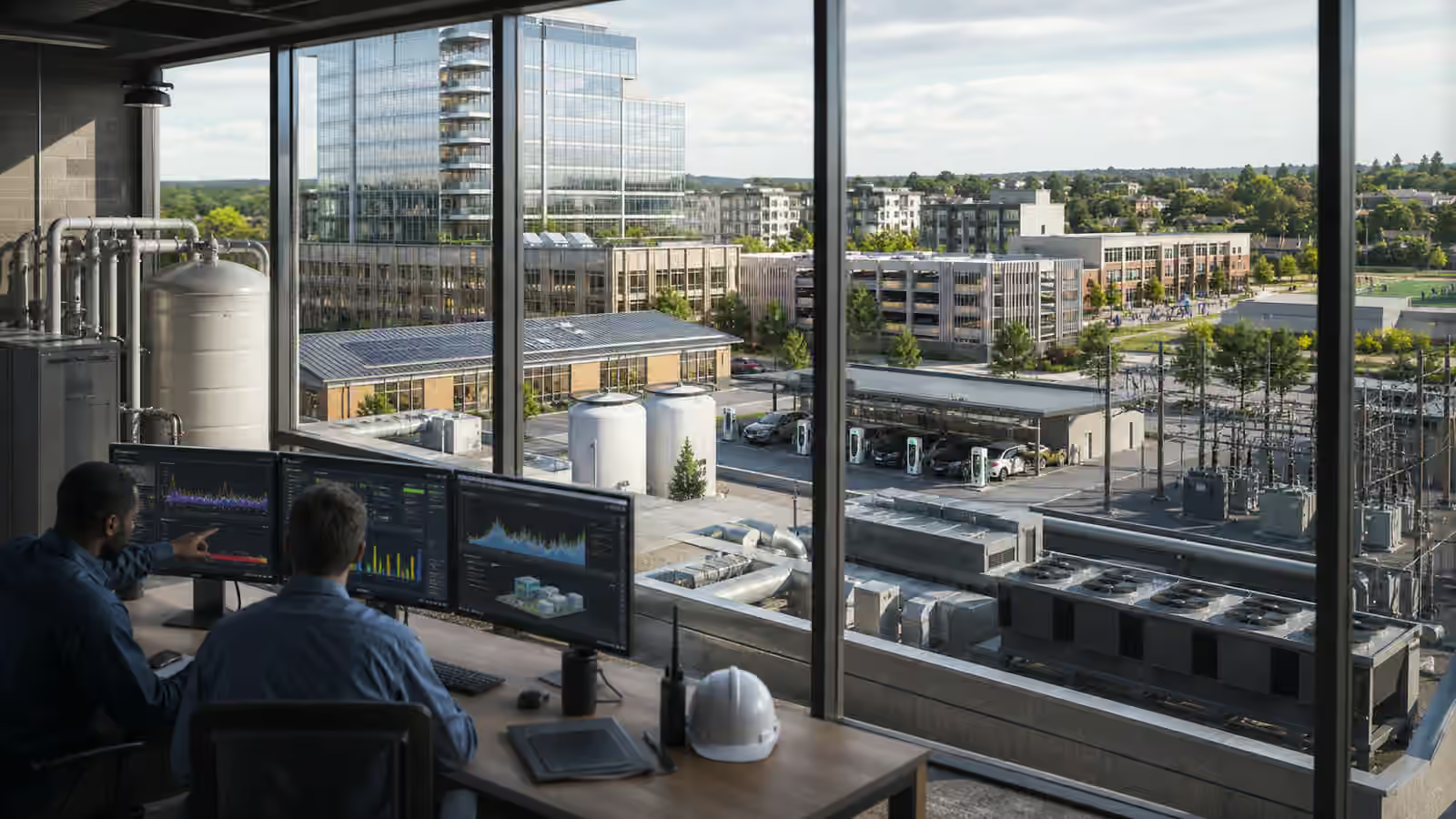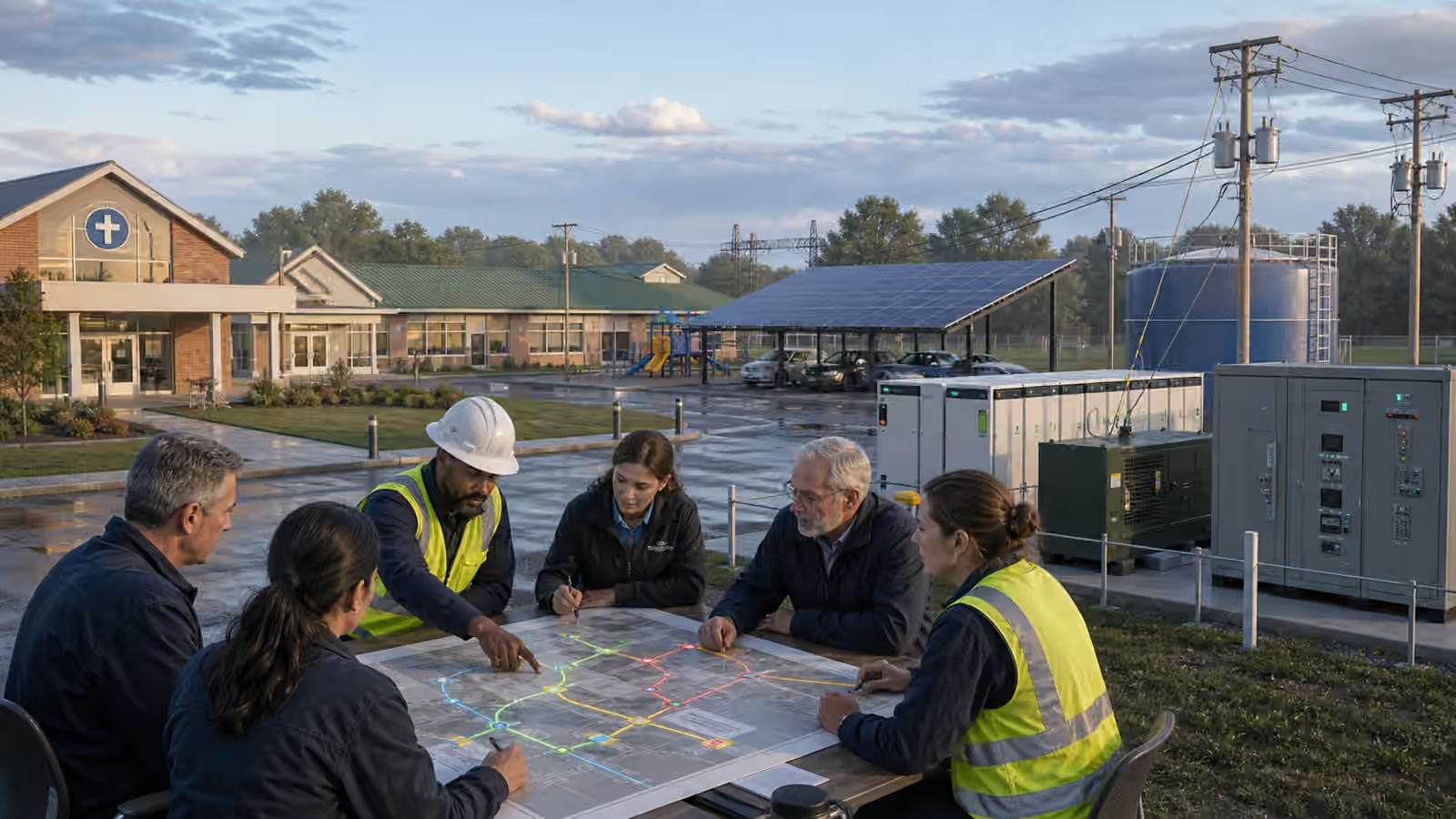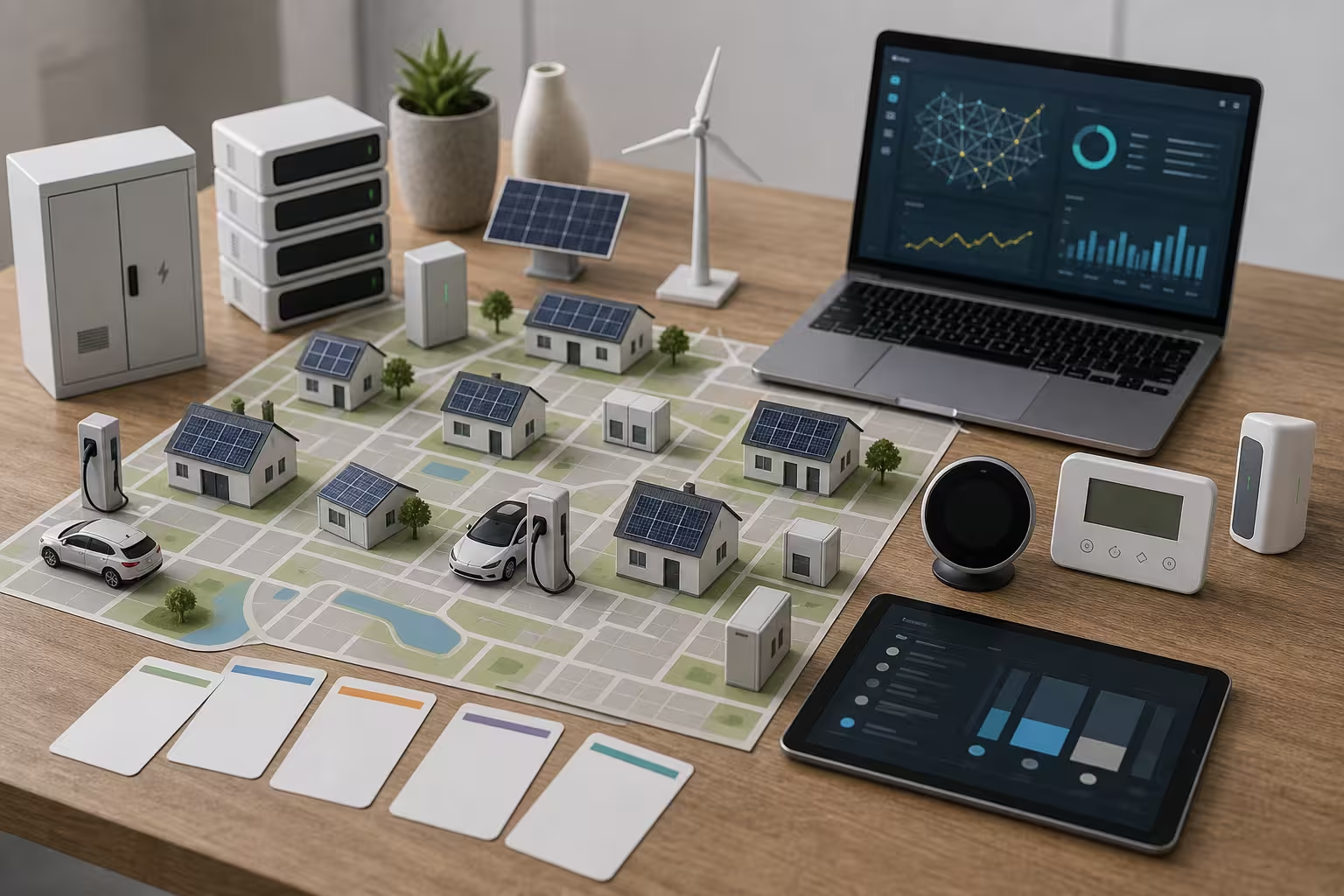
A virtual power plant is not a power plant in the old sense. There is no single smokestack, turbine hall, or cooling tower. The “plant” is a coordinated fleet of smaller resources: home batteries, smart thermostats, EV chargers, rooftop solar, water heaters, commercial HVAC systems, backup batteries, and industrial loads that can shift without ruining the work they support. Software links those resources so the grid can treat them like something dispatchable.
The idea matters because the electric grid is built around peaks. A few hot hours can force utilities to run expensive generators, buy power at high prices, or build infrastructure that sits underused much of the year. If many small devices can reduce or shift demand during those hours, the grid gets a resource that looks a little like generation and a little like storage. It is not magic. It is coordination.
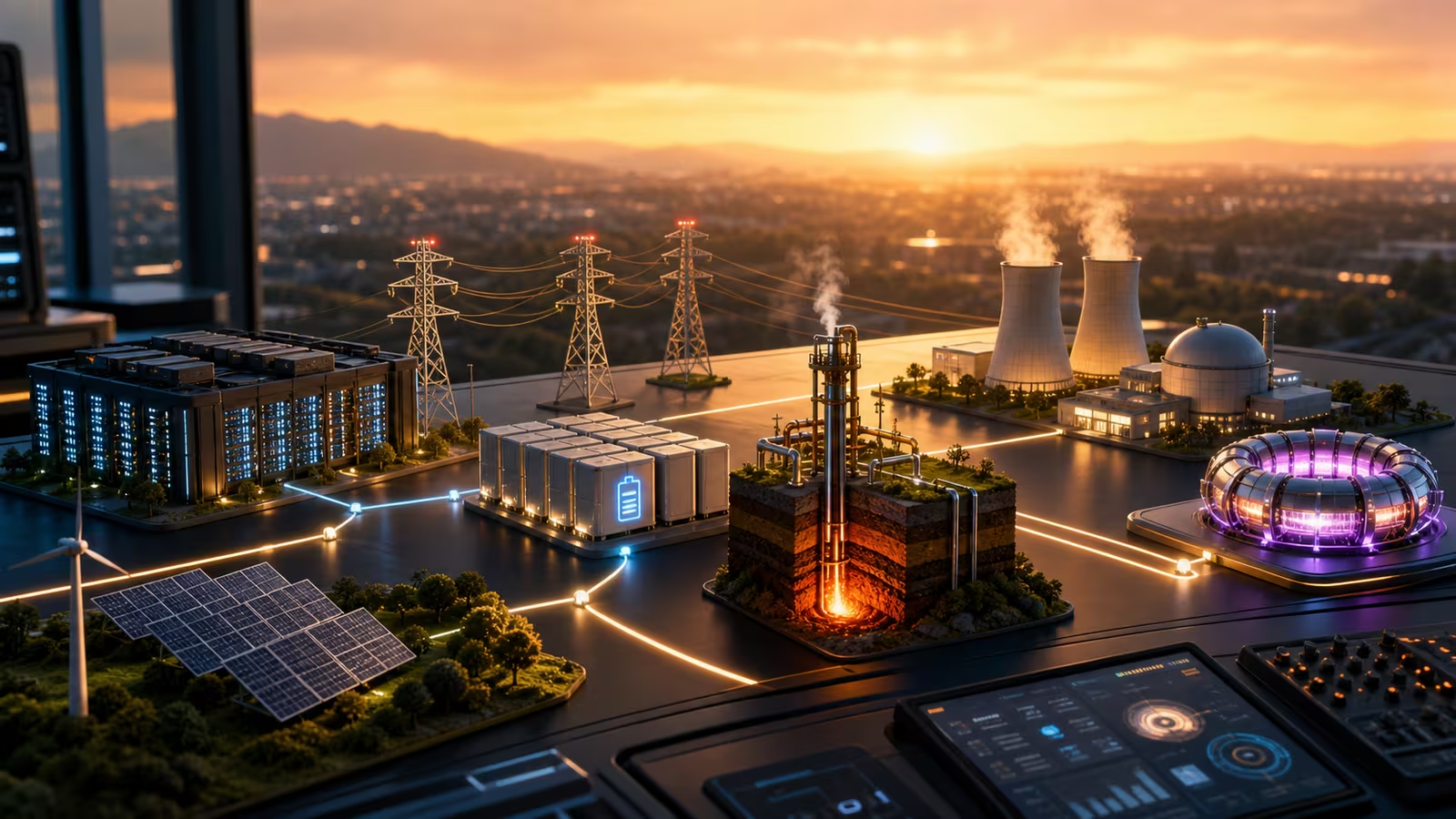
The resource is flexibility
The core product of a virtual power plant is flexibility. A home battery can discharge during a peak. An EV charger can pause for an hour if the car will still be ready by morning. A thermostat can pre-cool a house before a hot evening and then ease demand during the tightest period. A water heater can run earlier or later because hot water is a stored thermal resource. A commercial building can adjust ventilation or cooling within agreed comfort limits.
None of these actions is impressive alone. One thermostat does not save the grid. Ten thousand thermostats, batteries, chargers, and building systems coordinated with clear rules can become meaningful. The value comes from aggregation, prediction, measurement, and trust.
This is why virtual power plants sit between demand response and distributed energy. Traditional demand response often meant asking large customers to reduce load during emergencies or expensive periods. Distributed energy adds devices that can generate, store, or shift energy at the edge of the grid. A virtual power plant combines those resources and tries to make them reliable enough for planners and operators to count on.
Reliability is the hard part
A generator is not perfectly reliable, but grid operators understand how to model it. A virtual power plant is more complicated because it depends on many devices owned by many people under many conditions. Batteries may be empty. Cars may not be plugged in. Customers may override thermostats. Communication links may fail. Weather may change behavior. A program that worked last Tuesday may respond differently during a heat wave.
That does not make virtual power plants unreliable by definition. It means they need careful design. The operator has to know how many devices are available, how much capacity they can provide, how long they can sustain it, how fast they can respond, and how much uncertainty remains. The program needs baselines so it can measure what changed. It needs customer rules so comfort, mobility, and safety are protected. It needs fallback assumptions because not every device will answer the call.
The best virtual power plants are honest about this uncertainty. They do not pretend every enrolled device is always available. They forecast availability and dispatch conservatively. Over time, data improves the forecast. The fleet becomes less mysterious as operators learn how people and devices behave.
Customers are not just equipment hosts
Virtual power plants fail if they treat people like batteries with Wi-Fi. A household joins because the program offers money, resilience, cleaner power, lower bills, convenience, or some mix of those benefits. It stays enrolled only if the program respects the customer’s life. If the house gets too hot, the car is not charged, the app is confusing, or the reward feels tiny compared with the inconvenience, participation will drop.
Trust depends on clear boundaries. Customers should know what devices are controlled, when events can happen, how often, how long, how override works, what compensation means, and what happens during emergencies. A thermostat program with a simple opt-out button feels different from a black box that changes comfort without explanation. An EV charging program must respect departure times. A battery program must explain how backup reserve is protected if the customer depends on stored energy during outages.
Equity matters too. Renters, apartment dwellers, lower-income households, and people without smart devices can be left out if programs only reward homeowners with batteries and solar. A serious virtual power plant strategy should include multifamily buildings, community batteries, efficient appliances, and programs that do not require every participant to buy expensive hardware first.
The grid value depends on location and timing
A kilowatt of flexibility is not equally valuable everywhere. Reducing load on a constrained feeder may be more useful than reducing load where the grid is already comfortable. Discharging a battery during a local evening peak may matter more than discharging when solar is abundant and demand is low. Pausing EV charging may help if many vehicles charge at the same time on the same distribution equipment. The map matters.
This is one reason virtual power plants are becoming more interesting as electrification grows. Heat pumps, EVs, induction cooking, batteries, and rooftop solar all change the shape of local demand. If every device behaves blindly, peaks can get sharper. If flexible devices coordinate, electrification can become easier to integrate.
But coordination should not become a substitute for building what still needs to be built. Virtual power plants can reduce stress, defer upgrades, and improve reliability. They cannot replace all transmission, generation, storage, or distribution investment. The grid needs both physical infrastructure and flexible operation.
Software does not erase physics
The phrase “virtual power plant” can make the whole thing sound like an app. It is not. The app controls physical devices connected to wires, transformers, panels, homes, chargers, compressors, and batteries. Every dispatch has physical consequences. Batteries cycle. Houses warm up. Chargers delay. Equipment ages. Distribution circuits carry power in both directions. Cybersecurity matters because remote control of energy devices is real control.
That physicality is why standards, telemetry, and verification matter. A program should know what happened, not just what it requested. Did the battery discharge? Did load drop? Did a customer override? Did the device lose connection? Did the rebound peak after the event erase some of the benefit? Good virtual power plant design measures performance and learns from it.
The future is a calmer peak
The best case for virtual power plants is not that people notice them constantly. It is that the grid gets through hard hours with less drama. A hot evening arrives. Homes were pre-cooled slightly. Batteries discharge within customer reserve limits. EV charging waits until later. Commercial buildings trim nonessential load. Water heaters coast. The peak is lower, the grid is less strained, and most customers experience the event as a small line item or a quiet notification rather than a sacrifice.
That future requires more than devices. It requires fair programs, trustworthy controls, good forecasting, cybersecurity, local grid awareness, and customers who understand the deal. A virtual power plant is a social contract wrapped around electrical hardware. When designed well, it turns scattered flexibility into a grid resource. When designed badly, it feels like someone else reaching into your home.
The opportunity is real because the devices are already arriving. The question is whether we coordinate them with enough care to make the grid cleaner, cheaper, and more resilient without making daily life feel managed by invisible hands.