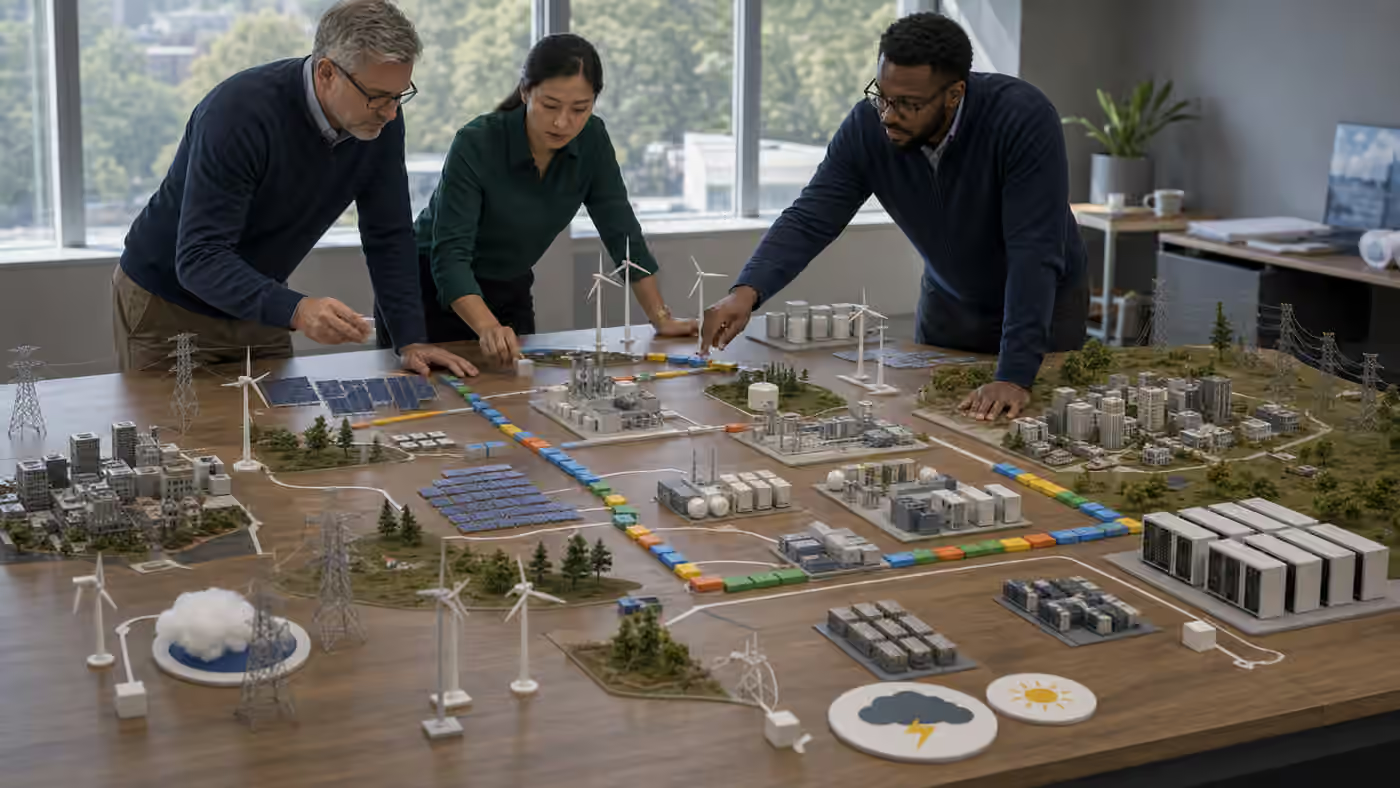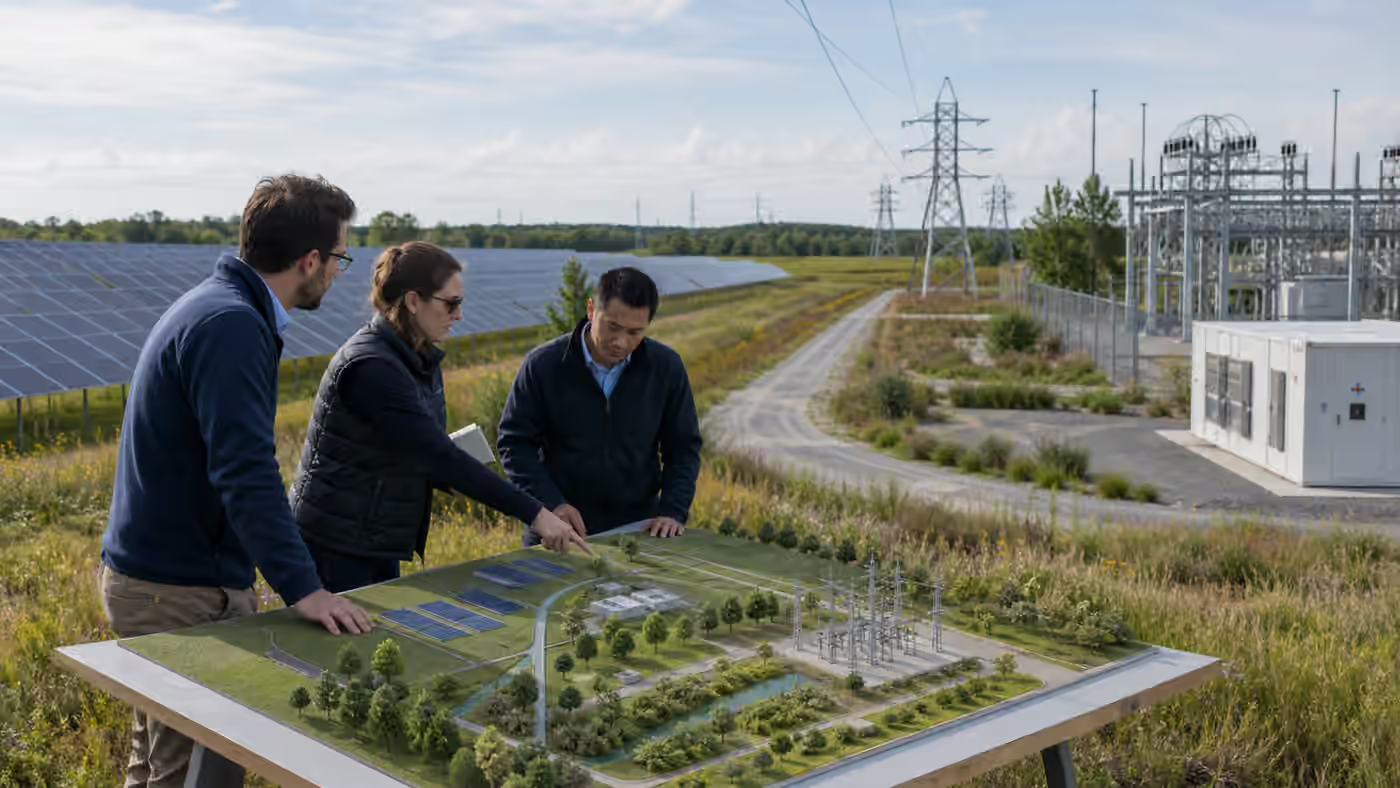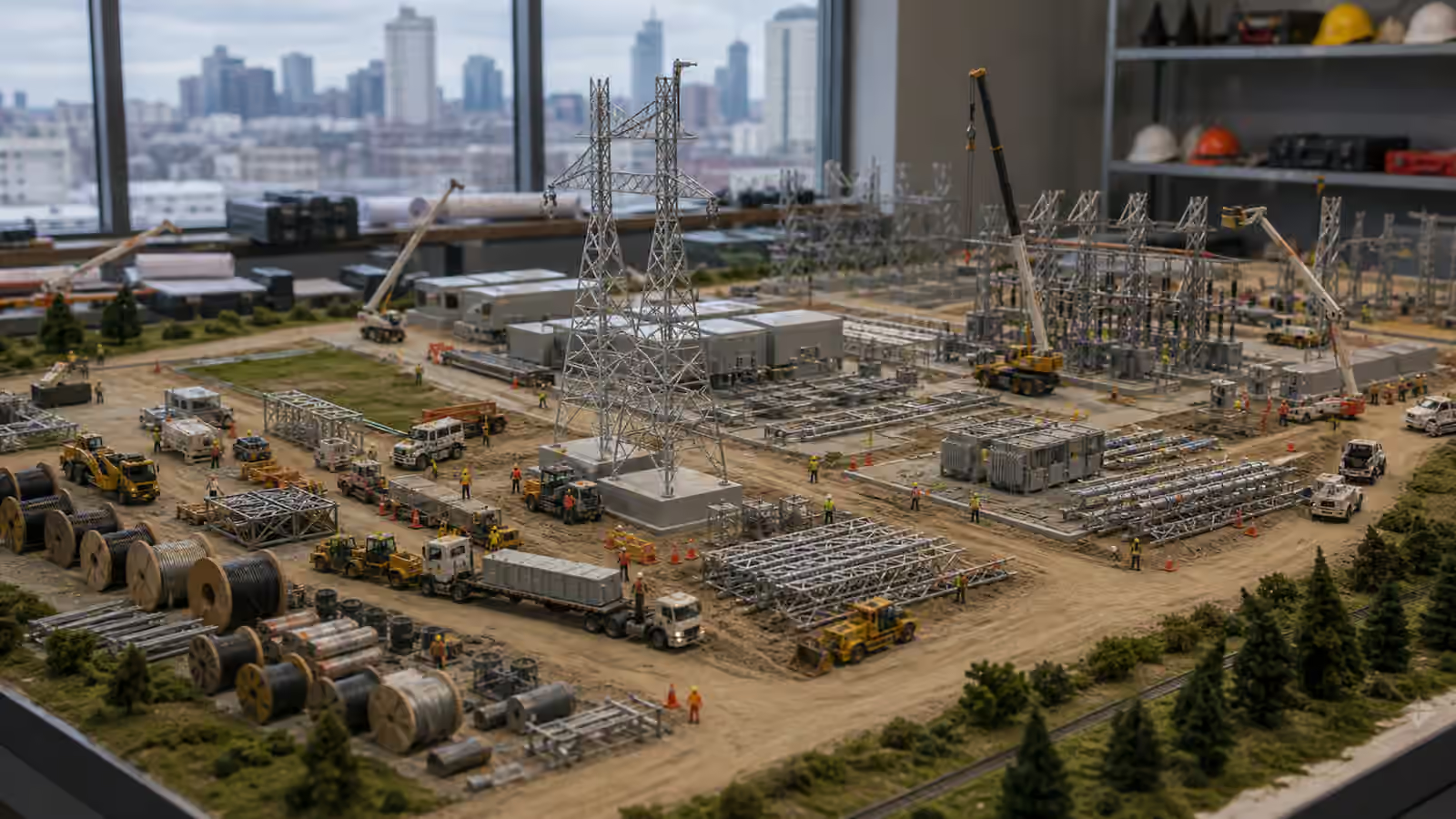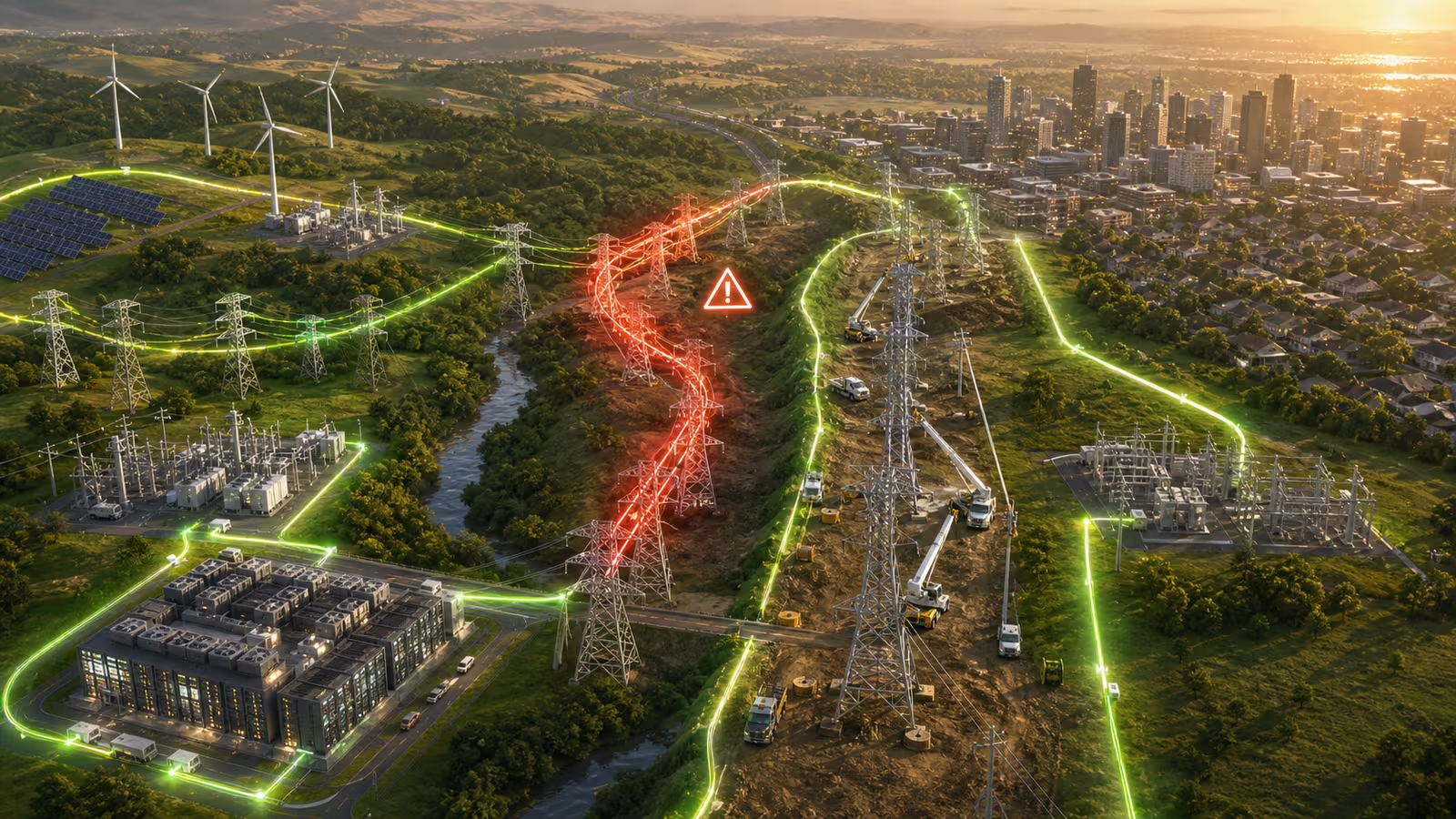
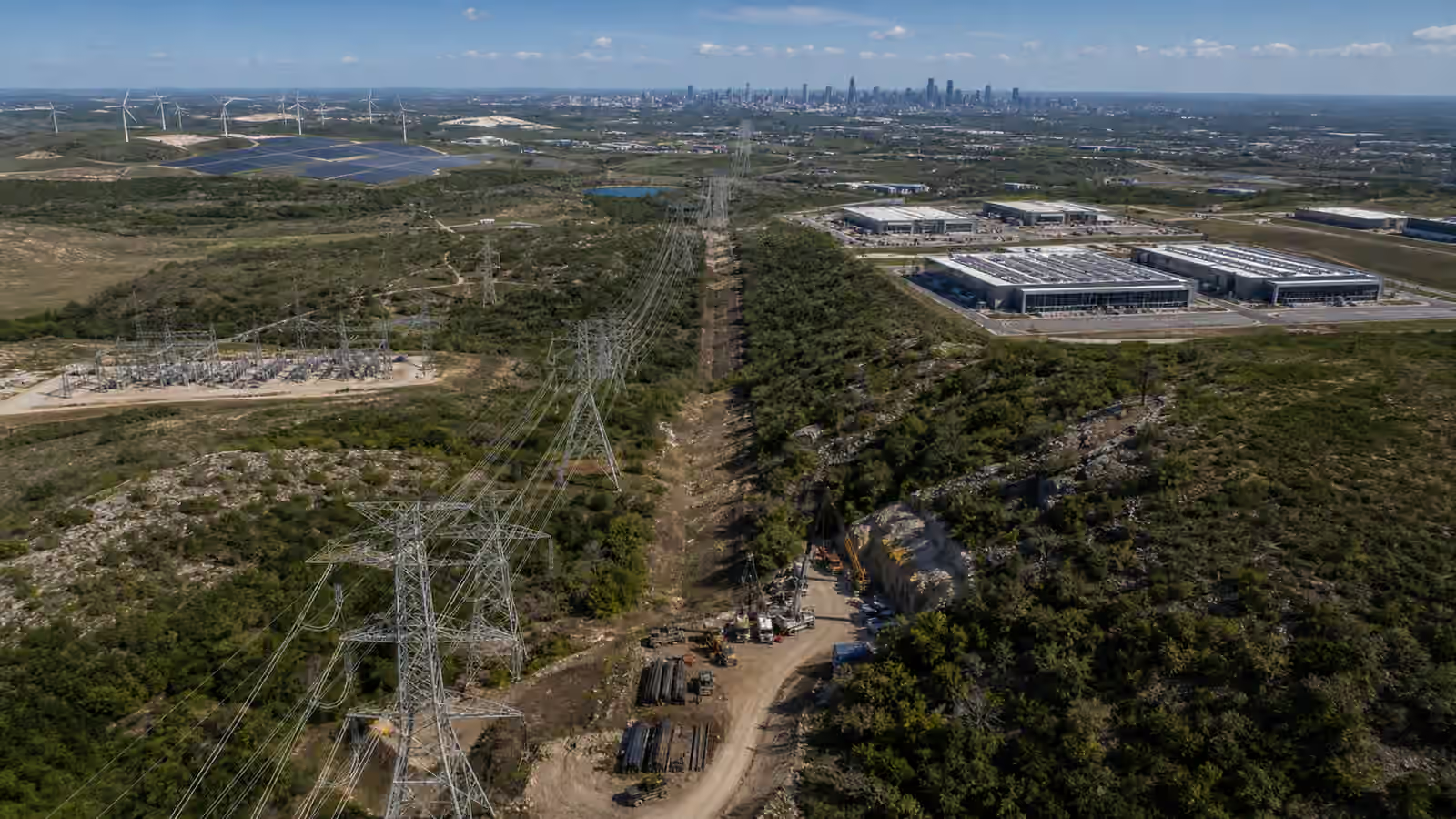
Transmission is the part of the energy system that sounds least exciting until it becomes the reason everything else is late. A solar farm can be ready. A wind project can be financed. A geothermal plant can find heat. A data center can have customers. A battery can sit in containers waiting for work. But if the wires, substations, and grid studies are not ready, the project may wait. Energy is physical. It has to travel.
Transmission lines are the high-voltage highways of the electric system. They move large amounts of power from one region to another. Distribution lines are the local streets. If you build a beautiful power plant at the end of a dirt road, it cannot serve a big city until the road is improved. That is the basic transmission story.
Why bottlenecks happen
Electricity follows the physics of the network, not the wishes of a planner. A region may have excellent wind far from cities, solar in a desert, hydro in one state, geothermal in another, and load growth near a data-center corridor. Transmission connects those pieces, but existing lines were often built for an older pattern of power plants and customers. When the pattern changes, congestion appears.
Congestion means the grid path is full or constrained. Imagine a busy bridge between two neighborhoods. There may be cheap power on one side and expensive demand on the other, but the bridge can only carry so much traffic. The result can be curtailment, higher prices, delayed projects, and reliability concerns. In electricity markets, congestion can show up as different prices in different locations, even within the same broader region.
New projects also face interconnection queues. Before a generator or large load connects, studies must check whether the grid can handle it and what upgrades are needed. As more projects enter the queue, studies become complex. Some projects drop out. Costs are reassigned. Timelines stretch. To outsiders, it can look like bureaucracy. Sometimes it is. But it is also the grid operator trying not to plug a new machine into a system that cannot safely handle it.
Wires are hard to build
A transmission line can cross farms, forests, tribal lands, towns, wetlands, scenic views, state boundaries, and regulatory jurisdictions. People may support clean energy in general and oppose a line near their home. Landowners may worry about property values, health fears, construction disruption, or whether the benefits go elsewhere. Environmental reviews may be necessary. Permits may involve multiple agencies. Cost allocation can become a fight: who pays for a line that benefits several regions over several decades?
None of these concerns should be waved away. Infrastructure affects real places. But if every needed line becomes impossible, the energy transition slows. The practical challenge is to plan earlier, compensate fairly, use existing corridors where sensible, improve local engagement, and build lines that carry enough value to justify their footprint.
There are also non-wire options. Grid-enhancing technologies can increase the usefulness of existing lines through better sensors, dynamic ratings, power flow controls, and smarter operations. Reconductoring can replace old wires with advanced conductors that carry more power on existing towers. Batteries can reduce congestion in some locations. Demand flexibility can ease peaks. These tools are valuable, but they do not remove the need for major new transmission in many regions.
Data centers make bottlenecks visible
AI data centers can expose transmission limits quickly because they request large blocks of power. If a region has cheap land and fiber but weak grid capacity, developers may discover that the real scarce resource is not real estate. It is deliverable electricity. A data center may be technically willing to pay, but the upgrades may still take years.
This can create public tension. Local officials may welcome tax revenue and jobs. Residents may worry about power bills and water use. Utilities may need to build substations, lines, or generation. Clean-energy advocates may ask whether the data center is slowing decarbonization or financing new clean resources. The bottleneck is not only technical. It becomes political and social.
The best data-center power plans treat transmission as a first-class issue. They ask where power can be delivered, when upgrades are possible, whether the load can be flexible, and how the customer contributes to grid improvements without pushing costs unfairly onto households.
Why long lines can make the grid cleaner
Transmission is sometimes criticized because it is visible. But long lines can reduce the need for local backup by connecting regions with different weather and demand patterns. If wind is strong in one region while solar is fading in another, transmission helps share. If a heat wave stresses one city while another region has spare capacity, transmission helps. If a plant trips, imports can support reliability.
This diversity is powerful. A small isolated system needs more local backup because every problem is local. A larger connected system can borrow strength. That does not mean bigger is always simpler. It means interconnection is a form of resilience when managed well.
Transmission also lets the best resources serve more people. A windy plain, sunny desert, or geothermal field may be far from major load. Without lines, those resources stay local or unused. With lines, they become part of a broader portfolio.
Why this matters
Transmission bottlenecks matter because they decide whether energy plans are real. A country can announce clean-energy targets, data-center investments, electric-vehicle goals, and factory expansions. If the grid cannot move electricity, the announcements become traffic jams. The wires are not the whole solution, but they are often the difference between a plan and a working system.
For a normal reader, the key question is simple: can the power get there? When you read about a new power plant, ask what line connects it. When you read about a new data center, ask where the capacity comes from. When you read about cheap renewable energy, ask whether it is deliverable at the hour and place it is needed. Transmission is not glamorous, but neither are roads, pipes, ports, or sewers until they fail. The future runs on invisible competence, and high-voltage wires are one of its clearest forms.