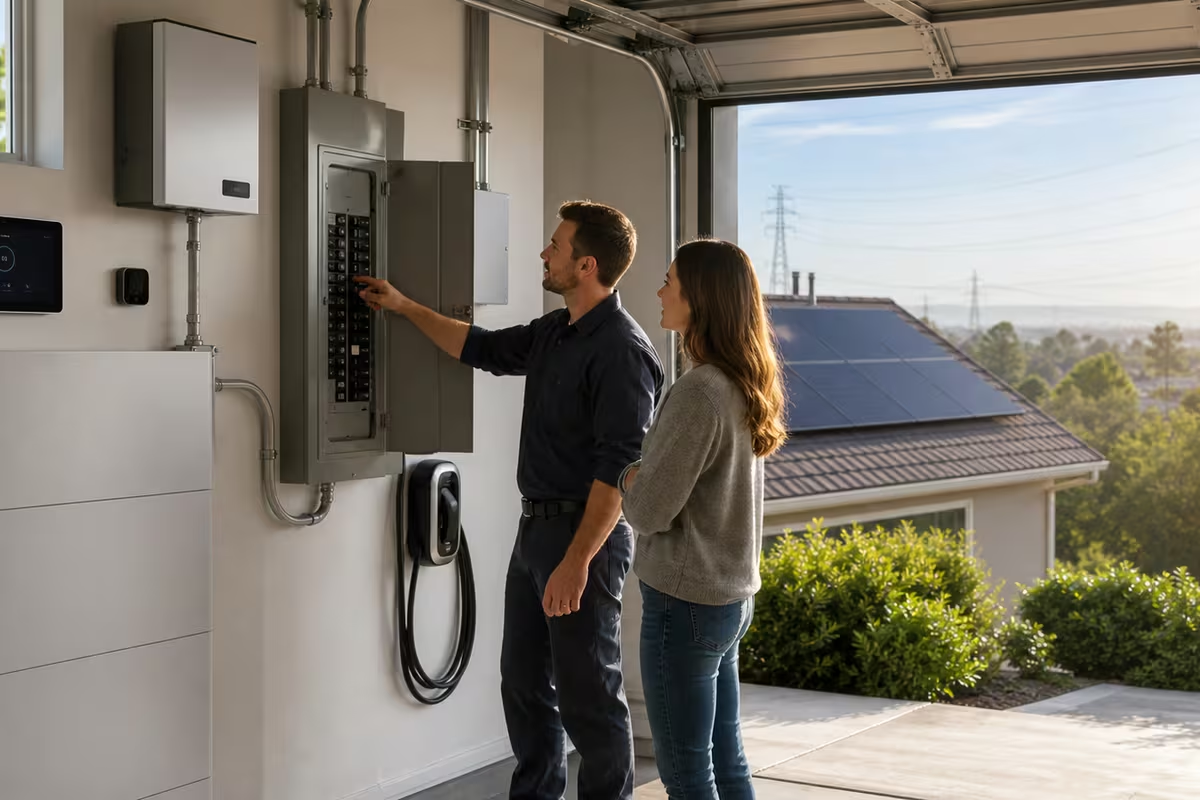
Home electrification sounds domestic, almost small. A heat pump replaces a furnace. An induction range replaces a gas stove. An electric vehicle charger appears in the garage. A water heater becomes a quiet thermal battery. Solar panels show up on the roof, and maybe a wall battery joins them. Each decision belongs to one household, one contractor visit, one bill, one appliance at a time.
The grid sees something larger. Millions of small choices can change winter peaks, evening demand, neighborhood transformer loading, feeder planning, rooftop solar flows, and the value of flexible control. A home that once used electricity mainly for lights, plugs, and air conditioning may start using electricity for transportation, space heating, cooking, backup power, and water heating. The house becomes more efficient in many ways, but it also becomes more connected to the timing of the power system.
That timing is the heart of the matter. Electrification is not only about how much electricity a home uses in a year. It is about when the home uses it, how high the peak gets, whether devices can shift politely, and whether the local grid is ready for the pattern.

The panel is where the future becomes practical
The electrical panel is not glamorous, but it is where many electrification projects become real. A homeowner may want a heat pump, EV charger, induction range, battery, and electric water heater, then discover that the service size, panel space, wiring route, or local transformer creates limits. The bottleneck is not always generation. Sometimes it is the box on the wall and the equipment upstream from it.
This is the household version of Distribution Grid Upgrades . The last mile matters. A neighborhood can have plenty of clean energy available in the regional market and still need local upgrades before every garage can charge two vehicles at full speed on the same evening. Transformers, secondary lines, service drops, panels, meters, and utility planning all become part of the electrification story.
Smart panels and load management systems can help. They do not repeal physics, but they can sequence loads so a home does not ask for everything at once. An EV can wait while a heat pump starts. A water heater can run outside the tightest hour. A battery can support the house during a peak. The house becomes less like a pile of independent appliances and more like a small energy system.
Heat pumps change winter
Heat pumps are central because space heating is a large load and because cold weather can create hard hours. A good heat pump can deliver efficient heating, but the grid has to serve many homes at the same time during winter peaks. In places where winter electrification grows quickly, planners need to understand how homes behave during cold snaps, how backup heat is used, and how building efficiency affects demand.
The best home electrification plan often starts before the appliance. Air sealing, insulation, duct work, radiator sizing, and contractor quality can decide whether the heat pump runs steadily and comfortably or leans on inefficient backup at the worst time. A well-prepared house is easier on the grid because it needs less power to stay comfortable.
This is a useful reminder that electrification is not only a device swap. The building is part of the energy system. A leaky house with a large heat pump can create a bigger peak than a tighter house with equipment sized and commissioned well. The grid feels the difference even if the homeowner only notices comfort and bills.
EV charging is flexible until it is not
Electric vehicles can be either a strain or a gift to the grid depending on charging habits. Most cars sit parked for many hours. That parking time creates flexibility. A car that needs to be ready by morning does not always need to charge at the instant it plugs in. If charging can move away from the local evening peak, the same vehicle becomes much easier to serve.
The trouble starts when every charger behaves as if now is the only acceptable time. Evening is already busy in many systems. People come home, cook, heat or cool the house, use appliances, and plug in vehicles. If chargers default to full speed immediately, neighborhood equipment can see a sharper peak than necessary.
Managed charging changes that. The car still gets ready, but the charger uses price signals, utility programs, home energy settings, or user schedules to choose a better window. This is a household form of Demand Response . The load moves because the service people actually care about is mobility, not charging at a particular minute.
The customer promise has to be clear. If a driver says the car must be ready at 6:30 a.m., the system should respect that. Flexibility that breaks trust will not last. The grid resource exists only when people feel the device is still serving them first.
Water heaters and batteries quietly buy time
Some home loads are naturally flexible because they store energy in another form. A water heater stores heat. A home battery stores electricity. A well-controlled thermostat stores comfort for a short period by pre-cooling or pre-heating within reasonable boundaries. These resources do not need to be dramatic to matter.
A heat pump water heater can run when electricity is cleaner or cheaper, then coast through part of a peak. A battery can charge from rooftop solar or the grid during easier hours and discharge when the house or local system is tight. A thermostat can make small adjustments that most occupants barely notice. Alone, each action is small. Across many homes, the shape of demand can change.
That is where Virtual Power Plants enters the home electrification story. A virtual power plant is a way of coordinating many small devices so they act like a real grid resource. It works only if enrollment is fair, control is trustworthy, cybersecurity is serious, and customers can override when life requires it. The resource is flexibility, but the foundation is consent.
Rooftop solar helps most when the timing works
Rooftop solar can reduce energy drawn from the grid and can supply clean electricity close to where it is used. It also changes flows on local circuits. Midday solar may be abundant when a home is lightly occupied, while evening demand rises after the sun fades. Without storage or flexible loads, the home can export during one part of the day and pull heavily during another.
This does not make rooftop solar a problem. It means solar is strongest when paired with timing-aware equipment. A water heater can run during solar hours. An EV at home during the day can charge from local production. A battery can hold some midday energy for evening. A smart panel can coordinate large loads instead of letting them collide.
The same logic appears at utility scale in Curtailment . Clean electricity is most valuable when the system can move, store, or use it in the hour it appears. Homes are part of that hour-by-hour story.
The contractor is part of the grid workforce
Home electrification depends on electricians, HVAC installers, plumbers, roofers, inspectors, panel manufacturers, utility service planners, and customer support teams. A policy can encourage heat pumps, but a rushed installation can disappoint the homeowner and add avoidable load. A rebate can encourage EV chargers, but the local utility still has to understand where chargers cluster. A battery can provide resilience, but only if it is installed and configured correctly.
This workforce layer is easy to miss because it does not look like a power plant or a transmission line. Yet it decides whether electrification feels smooth. The homeowner experiences the energy transition through quotes, permits, panel labels, inspection delays, thermostat settings, and the first cold night after installation. If that experience is confusing or unreliable, adoption slows.
Good programs therefore treat the home as a site. They help owners plan sequences, not just buy devices. Maybe the panel upgrade comes first. Maybe weatherization should happen before the heat pump. Maybe the EV charger can be managed instead of oversized. Maybe the water heater is the easiest early win. The order matters because each step changes what the next step requires.
Flexibility should feel like convenience
The grid does not need every household to become an energy analyst. The best electrified home should feel more comfortable, cleaner, quieter, and easier to manage. Flexibility should be built into defaults that respect the resident. The car is ready. The house is comfortable. The water is hot. The backup reserve is clear. The bill makes sense. The app does not nag like a second job.
When those conditions hold, homes can become helpful grid citizens without asking people to live inside a control room. Millions of small loads can avoid the worst hours, absorb clean energy when it is abundant, and reduce the need for some expensive upgrades. Physical infrastructure will still be needed. Transformers and Grid Hardware does not disappear because software gets smarter. But smarter homes can make the hardware work better.
Home electrification is personal and collective at the same time. One family gets a warmer house, cleaner cooking, lower fuel use, or an easier commute. The grid gets a new load shape. The difference between strain and flexibility is design: good buildings, good equipment, good controls, good utility planning, and programs that remember people are not endpoints. They are the reason the system exists.