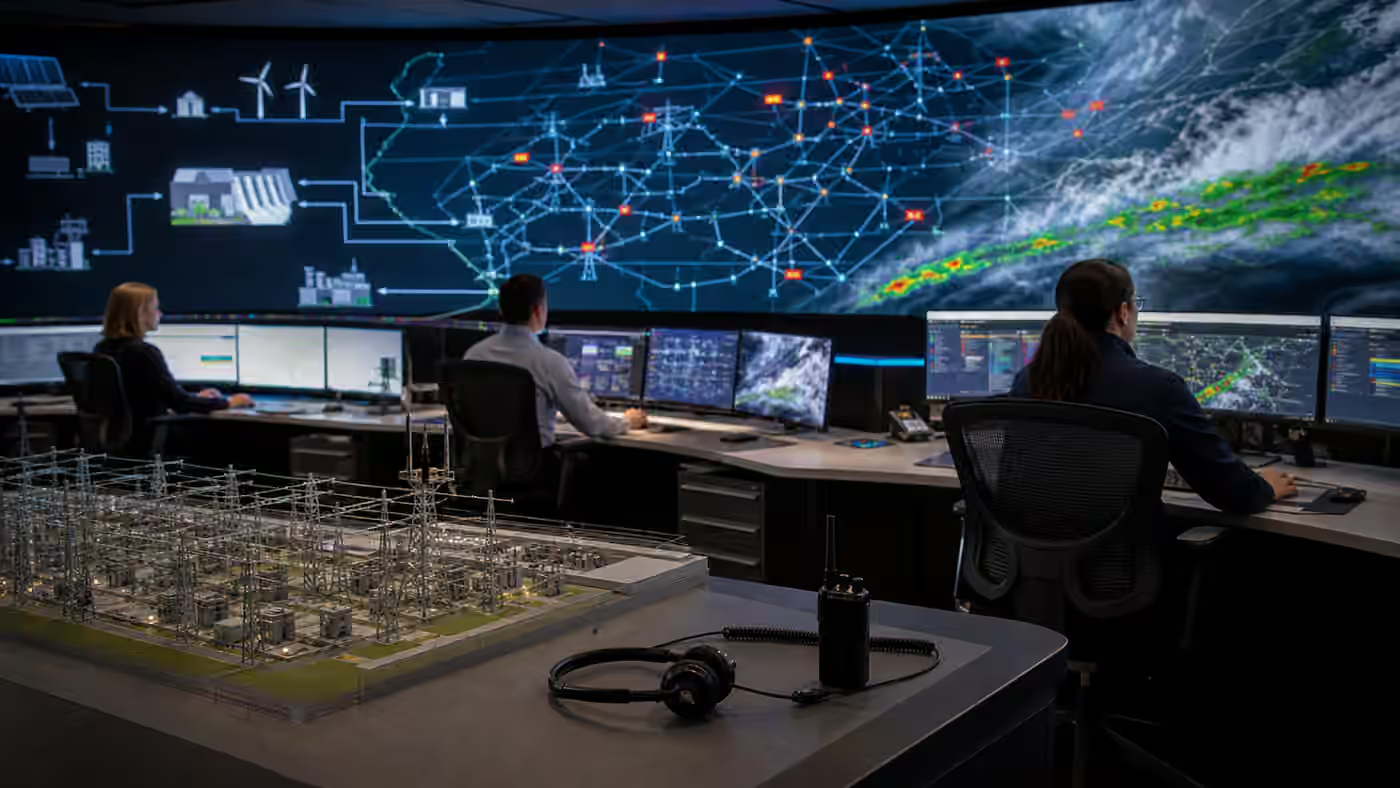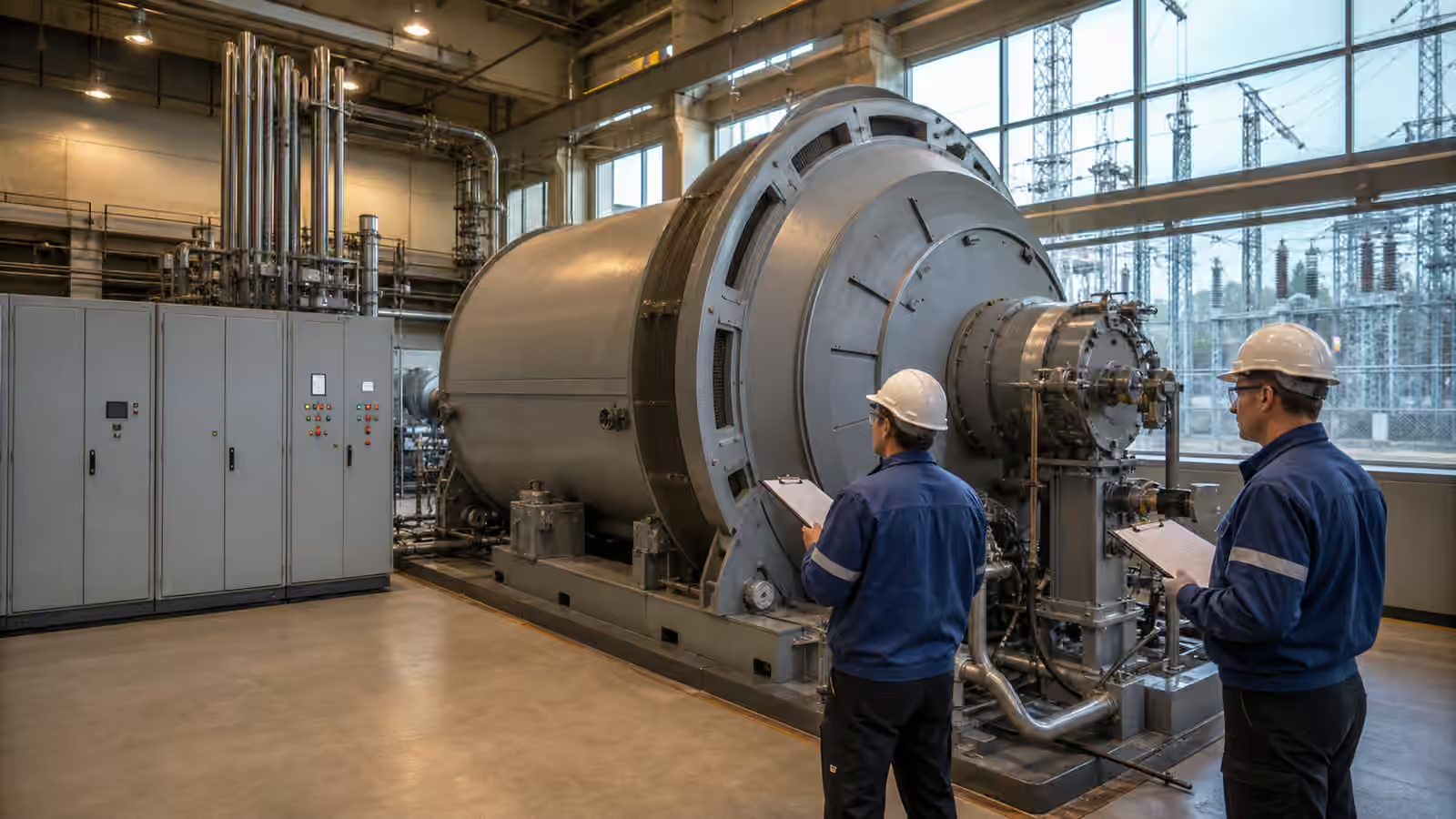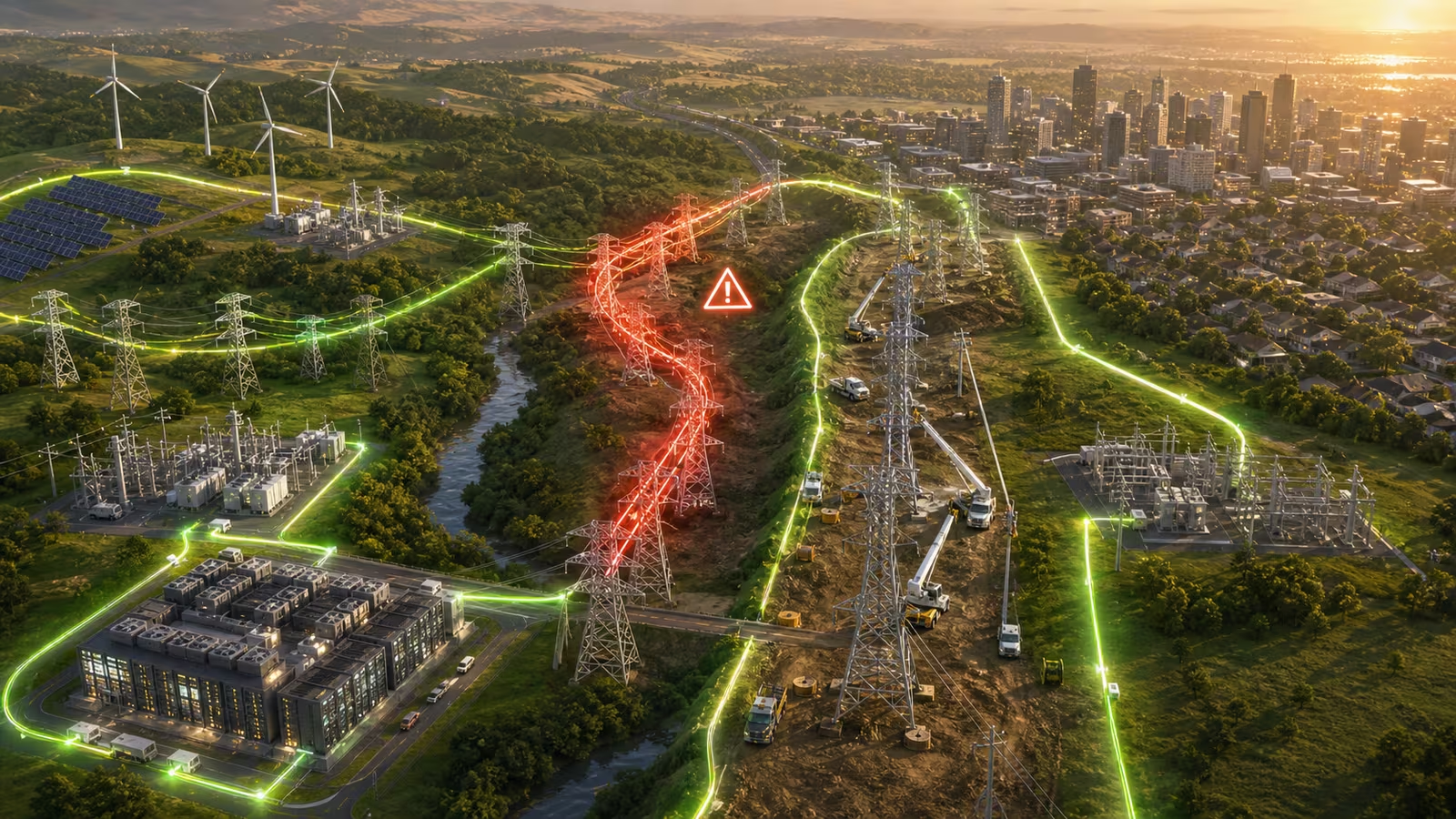
The electric grid is one of the largest machines humans have ever built, but most of us notice it only when it fails. A switch turns on a light. A charger fills a phone. A refrigerator hums. A data center runs far away. Underneath that ordinary convenience is a system that must balance electricity production and use almost instantly across cities, farms, factories, homes, hospitals, and now enormous computing campuses.
A helpful way to picture the grid is not as a warehouse but as a dance floor. Every generator and every load affects the rhythm. If too much electricity is produced or too much is consumed, the system’s frequency can drift. Grid operators work constantly to keep the rhythm steady. When the system is healthy, nobody notices. When the rhythm breaks, equipment can trip, lights can flicker, and in severe cases outages can spread.
Supply and demand meet every moment
Electricity is unusual because it is hard to store at the scale of an entire society. Batteries, pumped hydro, and other storage systems help, but the grid is still mostly operated as a real-time balancing act. Power plants, renewables, storage, imports, exports, and demand all move together. Operators forecast load, schedule resources, hold reserves, and respond to surprises.
In the old mental model, big power plants produced electricity, transmission lines carried it long distances, distribution lines brought it into neighborhoods, and customers consumed it. That model still exists, but the modern grid is more complicated. Rooftop solar can produce power from a house. Batteries can act like load or supply depending on the moment. Electric vehicles can create new evening peaks. Heat pumps shift winter demand. Data centers add large industrial-like loads. Weather-dependent renewables change the daily rhythm.
The grid is becoming less like a one-way road and more like a living traffic system with cars entering from many ramps. That can be powerful, but it requires better coordination.
Generation has different personalities
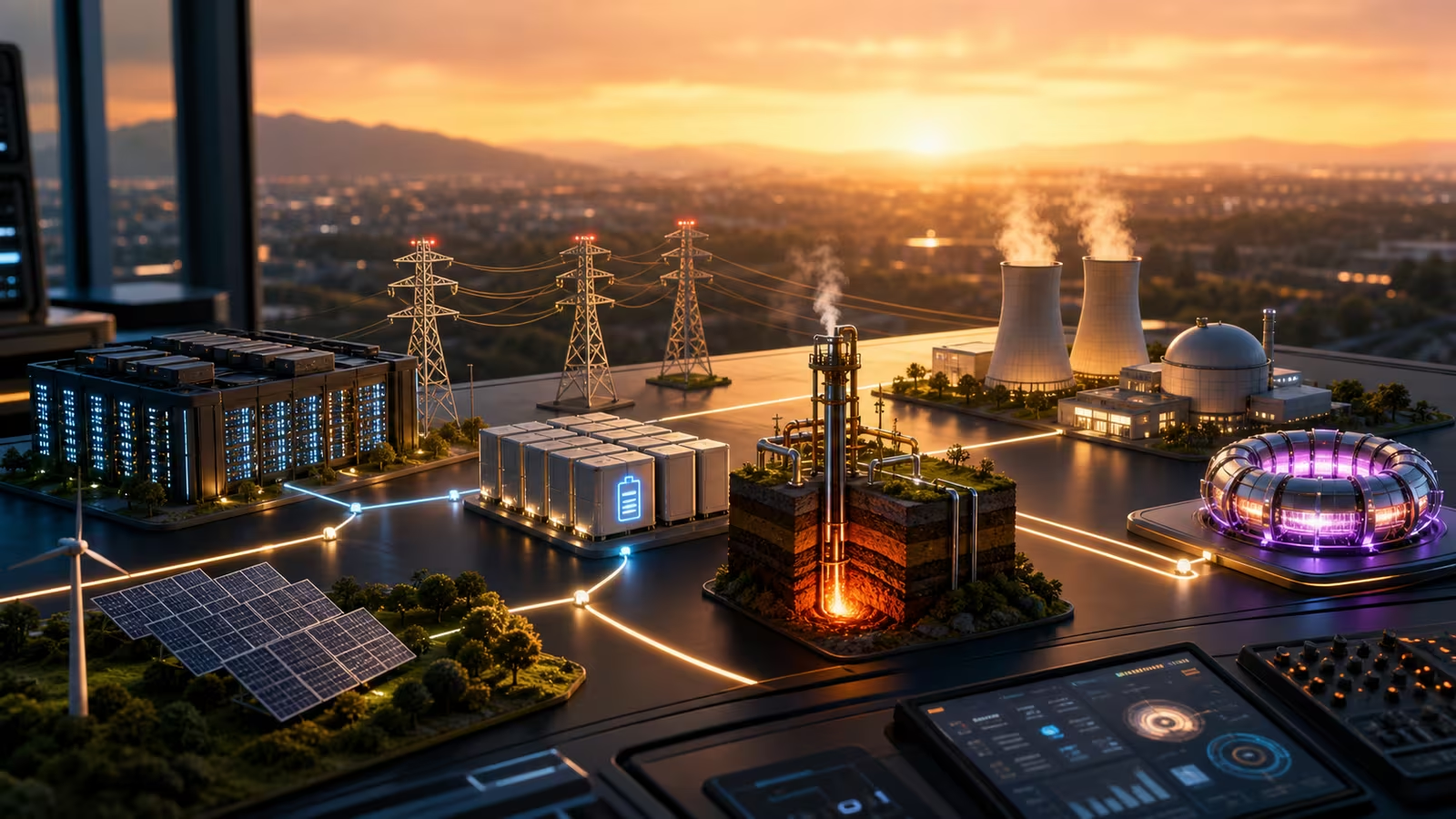
Every energy source has a personality on the grid. Solar is strongest during the day and varies with clouds and seasons. Wind can produce at night or during storms, but it depends on weather patterns. Nuclear plants usually run steadily and provide large amounts of firm power. Gas plants can often ramp up and down, though they emit carbon. Hydro can be flexible where water is available, but drought and ecology matter. Geothermal can provide steady output in good locations. Batteries respond quickly but need to be charged. Demand response reduces or shifts load instead of producing more power.
This is why energy debates become silly when they ask for one winner. A grid needs different jobs done. Some resources are cheap energy providers. Some are reliability anchors. Some are fast responders. Some are long-duration backups. Some are local. Some are remote. The system works when the jobs are covered together.
For example, solar plus batteries can be excellent for the late afternoon and evening. But if a region faces several cloudy winter days, it may need wind, hydro, geothermal, nuclear, gas with emissions controls, imports, or long-duration storage. The correct mix depends on geography, weather, existing infrastructure, policy, and cost.
The wires are part of the machine
Generation gets attention, but wires make the system usable. Transmission lines move large amounts of power over long distances, often from remote generation areas to load centers. Distribution lines handle the local network that serves homes and businesses. Substations transform voltage and connect pieces of the system. Transformers, breakers, sensors, relays, inverters, and control rooms all matter.
If generation is built where wires are weak, electricity can be curtailed, which means the power is available but cannot be delivered. If a city grows faster than distribution equipment, local constraints appear. If a data center wants to connect to a constrained substation, it may wait years. If a transmission corridor is congested, power prices can differ sharply between regions.
The grid is not only about how much energy exists. It is about whether the energy can get to the right place at the right time.
Inverters are changing the feel of the grid
Traditional power plants often use large spinning machines that naturally provide inertia. Inertia helps resist sudden changes, like the heavy flywheel of an engine. Solar panels, batteries, and many wind turbines connect through power electronics called inverters. Inverters can be extremely fast and controllable, but they behave differently from old spinning generators.
This is not a reason to fear renewables. It is a reason to update grid rules, equipment, and software. Modern grid-forming inverters can support stability in new ways. Batteries can respond faster than many conventional plants. But the transition requires engineering, standards, testing, and operators who understand the new tools.
The future grid will be more digital and more automated, but it cannot be casual. A software bug in a grid device is not the same as a software bug in a note-taking app. Reliability has to be designed in.
Extreme weather is the stress test
Grids are built for normal patterns and stressed by abnormal ones. Heat waves increase air-conditioning load. Cold snaps can raise heating demand and strain fuel supply. Wildfires, hurricanes, floods, drought, and ice storms can damage lines and power plants. Climate change shifts the statistics that planners used to rely on. At the same time, society is asking the grid to power more of life.
Resilience is not one product. It includes stronger transmission, vegetation management, undergrounding where sensible, microgrids for critical facilities, better forecasting, demand response, storage, local backup, diversified generation, and emergency planning. A resilient grid is like a resilient body: strength matters, but so does flexibility and recovery.
Why this matters
The electric grid matters because every future technology eventually asks the same question: where does the power come from, and can it arrive when needed? AI, electric cars, heat pumps, factories, desalination, rail, charging networks, and home devices all depend on this machine. If the grid is neglected, progress turns into bottlenecks. If it is strengthened, many technologies become easier.
For a normal reader, the best grid literacy habit is to notice timing and location. A megawatt-hour at noon in one region is not the same as a megawatt-hour at midnight in another. A power plant without a line is not a solution. A battery without charging energy is not a generator. A data center without flexibility can be a hard load. When you understand the grid as the machine, energy news becomes less confusing. You start to see the hidden choreography behind the light switch.