Geothermal energy begins with a simple fact that is easy to forget: the planet is hot inside. In some places, that heat reaches close enough to the surface that people can tap it with wells, bring hot water or steam upward, and make electricity. Traditional geothermal power works best in special locations with natural heat, fluid, and underground pathways. Advanced geothermal asks a bigger question: can we use modern drilling and reservoir techniques to make geothermal useful in far more places?
The appeal is powerful. Geothermal can provide firm clean power, meaning electricity that is available day and night with low operational emissions. Unlike solar, it does not set at night. Unlike wind, it does not wait for weather. Unlike batteries, it does not need charging from another source. It is heat from the ground, converted into useful energy. For a future grid with more variable renewables and more always-on loads, that steadiness is valuable.
Traditional geothermal and the resource problem
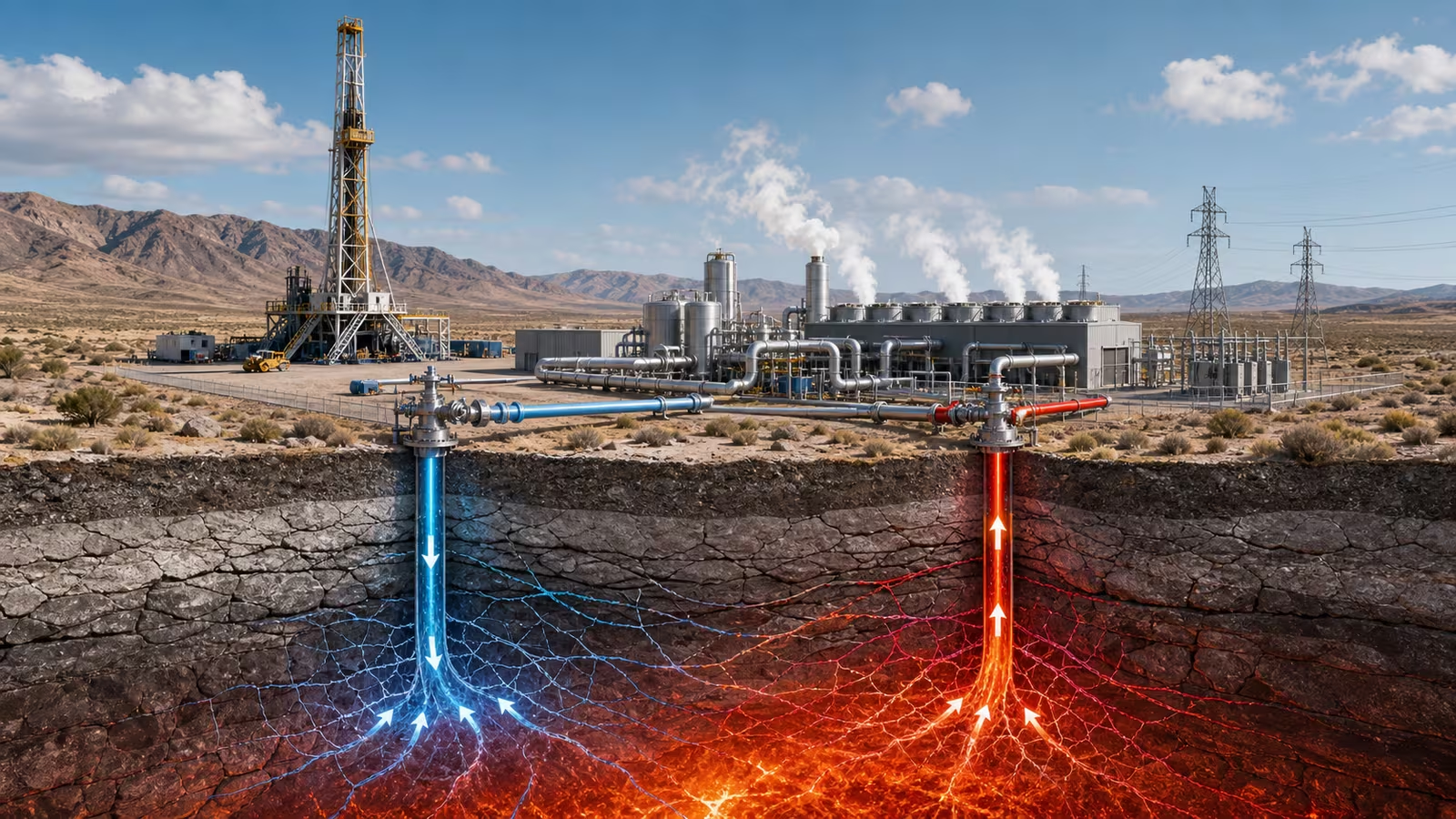
Traditional geothermal plants are often found in volcanic or tectonically active regions where heat, water, and cracks in rock already cooperate. The Earth provides the reservoir. Engineers drill wells and bring hot fluid to the surface. The fluid drives a turbine directly or transfers heat to another working fluid. Then cooled water may be reinjected underground.
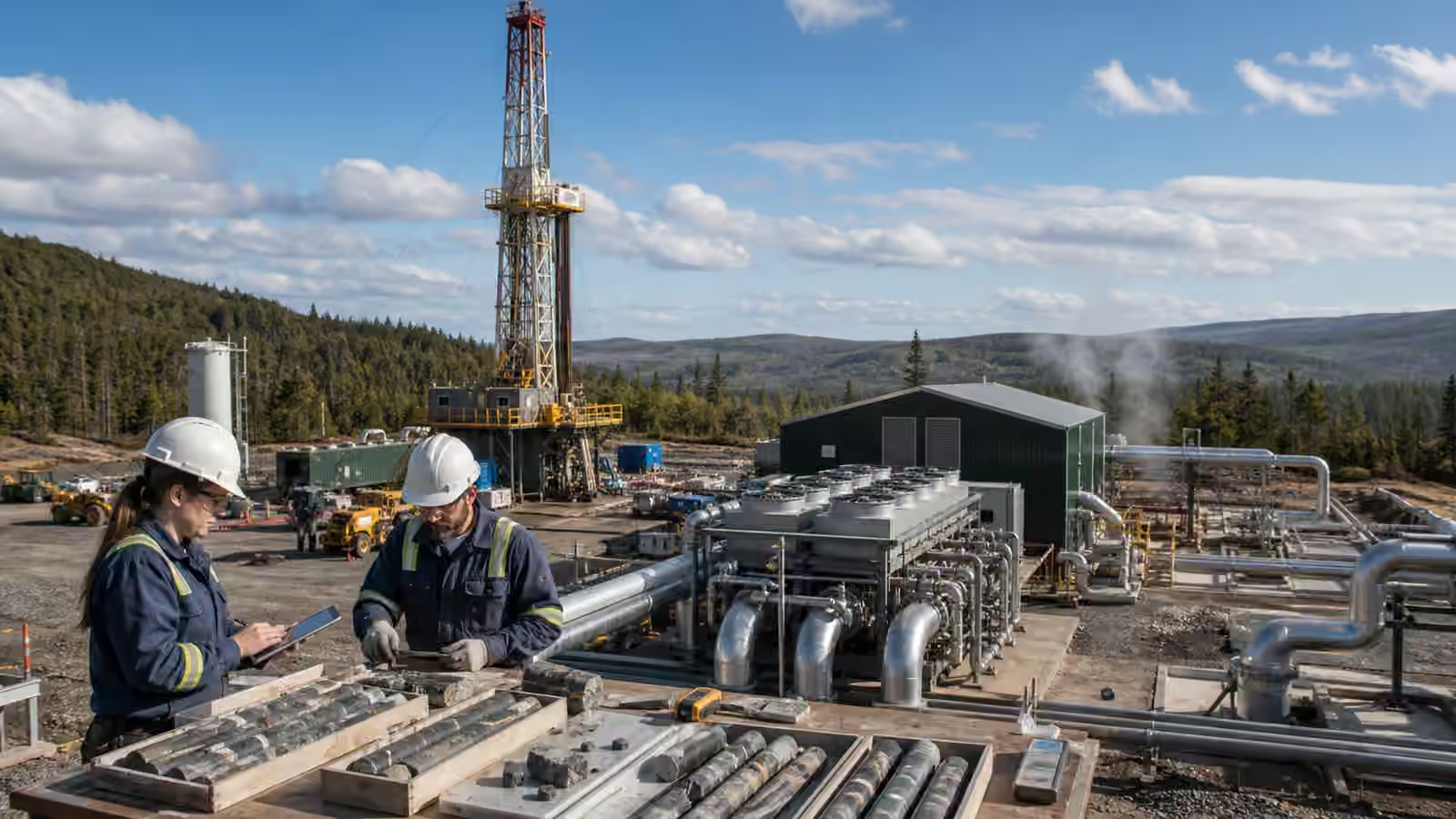
The problem is geography. The best natural resources are not evenly spread. Many regions have heat underground, but not enough natural permeability or fluid at convenient depths. That is where advanced geothermal enters. It borrows ideas from oil and gas drilling, reservoir engineering, horizontal wells, and better subsurface mapping to reach heat that was previously too hard or too expensive to use.
Enhanced geothermal systems, or EGS, create or improve underground pathways so water can circulate through hot rock. Closed-loop systems aim to circulate fluid through sealed wells, picking up heat without needing the same kind of natural reservoir flow. Superhot rock concepts look for much hotter resources that could produce more power per well if materials and drilling can handle the conditions. The field is diverse, and not every concept will win.
Why drilling is the frontier
Advanced geothermal is often less about inventing a new turbine and more about drilling better wells. The oil and gas industry spent decades learning how to drill deep, steer wells horizontally, map reservoirs, manage pressure, and operate complex subsurface systems. Geothermal can reuse some of that knowledge for cleaner power.
But hot rock is hard on equipment. Drilling gets more expensive with depth and temperature. Wells must maintain integrity. Pumps, pipes, and tools must survive heat, corrosion, and pressure. The underground reservoir must move enough fluid to carry useful heat without causing unacceptable seismic risk or cooling too quickly. A geothermal project is partly a power plant and partly a long conversation with geology.
This is why advanced geothermal progress can look slower than software progress. You cannot debug hot rock from a laptop alone. You drill, test, measure, learn, and drill again. Each well teaches, but each well costs money.
The firm power value
The strongest argument for advanced geothermal is grid value. A geothermal plant can run at high capacity and provide power during the hours when solar is absent and wind may be low. It can pair well with renewables because it fills gaps without needing fuel deliveries. It can also provide heat directly for district heating, industry, greenhouses, or other thermal uses.
For data centers, geothermal is interesting because it may offer clean firm power in regions with suitable geology. A geothermal plant near a data-center load could reduce reliance on fossil backup or annual accounting claims. It could also support the wider grid rather than serving one customer alone.
However, geothermal is not available everywhere at the same cost. Depth, rock type, water, permitting, seismic concerns, drilling supply chains, and transmission all matter. Advanced geothermal expands the map, but it does not erase geography.
Seismicity and water
When people hear about injecting water underground, they may worry about earthquakes. Induced seismicity is a real issue in some subsurface activities, including some geothermal and wastewater injection projects. Good geothermal development requires careful site selection, monitoring, pressure management, traffic-light protocols, and public transparency. Small tremors may be manageable; damaging events are not acceptable.
Water is another practical concern. Some systems need water for circulation and cooling. In dry regions, that can be a constraint. Closed-loop systems may reduce some water and reservoir concerns, but they have their own engineering questions. As with every energy source, the local context matters.
Cost and learning curves
Advanced geothermal could benefit from repeatable drilling and factory-like project development. If companies learn how to identify sites, drill faster, stimulate or access reservoirs safely, and operate wells reliably, costs could fall. The analogy to shale drilling is often mentioned, though the goals are different. Instead of producing fossil fuel, the aim is to mine heat.
Early projects may be expensive. The learning curve depends on many wells, patient capital, good regulation, and honest performance data. A few successful demonstrations can change confidence, but broad deployment needs more than one showcase. It needs a supply chain.
Why this matters
Advanced geothermal matters because it offers a rare combination: clean, firm, potentially widely available power. It will not replace solar, wind, batteries, nuclear, hydro, or transmission. It could become one of the steady pieces that makes a high-renewable grid easier to run. In the energy kitchen, geothermal is not the bright garnish. It is a burner that can stay on.
For a normal reader, the best geothermal questions are practical. How hot is the resource? How deep are the wells? How much power can the reservoir sustain? What seismic controls exist? How much water is needed? How does the project connect to the grid? What does the electricity cost after drilling risk is included? Advanced geothermal is exciting because the heat is real. The challenge is building a reliable path from that heat to useful power.