A robot can be stopped by a part small enough to fit in a drawer.
A worn wheel, cracked sensor cover, torn gripper pad, clogged filter, tired battery, bent bracket, loose cable, missing fastener, or empty cleaning kit can decide whether a machine returns to work or waits through another shift. Reliability is often discussed as design, software quality, field logs, and maintenance discipline. It is also a shelf with the right parts on it, in usable condition, compatible with the robot in front of the technician.
Robot Maintenance and Reliability explains the ongoing work after deployment. Spare parts and consumables planning is the inventory side of that work. It turns known wear into readiness. It also prevents the frustrating failure mode where everyone understands the problem but no one can fix it because the part is backordered, mislabeled, incompatible, or stored at another site.
Consumables Are Part Of The Robot
Some robot parts are meant to be consumed. Gripper pads wear. Suction cups harden or tear. Filters clog. Cleaning cloths get dirty. Lubricants run out. Cable ties, seals, wipes, brushes, and protective films disappear into ordinary service. Batteries age even when treated well. Wheels, belts, brushes, and rollers lose performance before they fail dramatically.
These items may not feel like core robotics because they are not algorithms, sensors, or actuators. In deployment, they are core. A gripper pad that loses friction changes pick success. A dirty filter changes cooling. A worn wheel changes odometry and traction. A scratched cover changes perception. A weak battery changes dispatch. The robot may still power on, but its behavior drifts.
Planning for consumables means treating them as part of the operating model. How many cycles do they usually last? What conditions shorten life? How does the robot behave as they wear? Can a technician inspect them quickly? Does the field log show usage count, failure count, or replacement history? Robot Observability and Field Logs helps because the system should not rely only on memory and guesswork.
Stockouts Create Operational Debt
When a needed part is missing, the site rarely pauses neatly. People work around the robot, borrow parts from another machine, stretch maintenance intervals, disable a feature, accept lower performance, or wait for vendor response. Some workarounds are reasonable in emergencies. Repeated workarounds become operational debt.
A missing wheel may keep one robot parked and reduce fleet capacity. A missing sensor cover may tempt the team to run with a scratched one. A missing gripper pad may produce repeated failed picks that look like autonomy problems. A missing battery module may force dispatch to plan around a weaker robot. The cost is not only downtime. It is the confusion created when degraded hardware masquerades as normal operation.
Spare planning should therefore consider consequence, not only unit price. A cheap part with long lead time can deserve more attention than an expensive part that rarely fails and ships quickly. A part shared across many robots can become a fleet risk. A part that requires vendor installation may need a different stocking and scheduling plan than one a local technician can replace.
Compatibility Needs Records
Robot fleets change over time. Hardware revisions arrive. Gripper fingers are updated. Batteries use new connectors. Sensor covers change material. Firmware expects a particular board. A vendor swaps a supplier. Two parts look similar but behave differently. Without records, a shelf can hold inventory that appears useful and fails when installed.
Compatibility is especially important after repairs, upgrades, and decommissioning. A part removed from one robot may fit another physically but belong to a different revision. A replacement may require calibration. A new consumable may change friction, stiffness, or optical clarity. Robot Lifecycle and Decommissioning connects here because the end of one robot’s service can feed parts into another only if provenance and compatibility are clear.
The records do not need to be theatrical. They need to answer practical questions. Which robots can use this part? Which software or calibration step is required after replacement? When was it received? Has it expired, aged, or been opened? Was it removed from service because it failed or because a robot was retired? A part without context can become a future fault.
Service Kits Beat Drawer Hunts
One reason maintenance stretches too long is that every task requires a search. The technician finds the pad but not the fastener, the sensor cover but not the gasket, the cleaning tool but not the approved wipe. Small delays accumulate until preventive work is postponed or done incompletely.
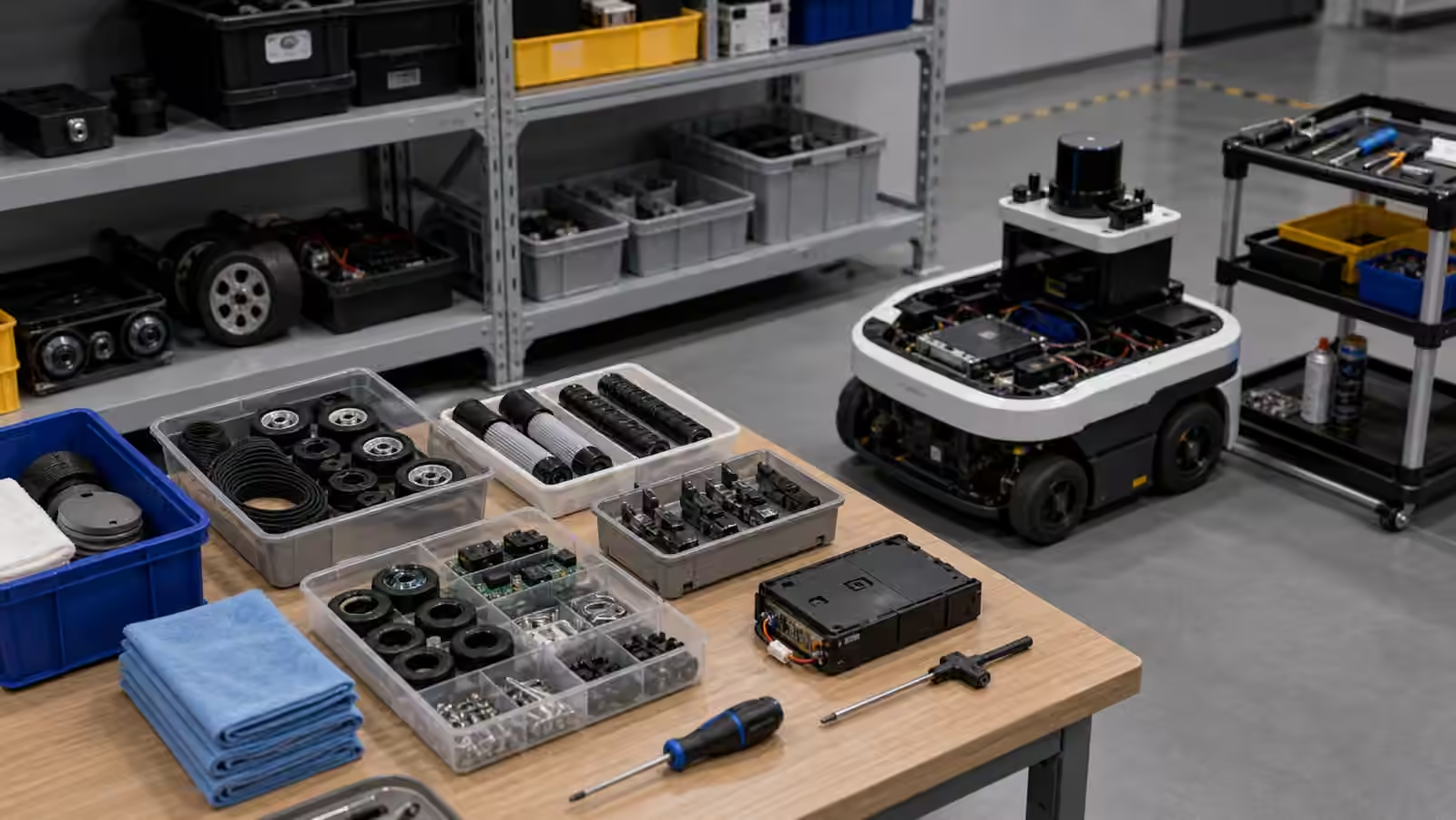
Service kits reduce that friction by grouping parts and consumables around a real task. A gripper refresh kit might include pads, screws, alignment pieces, and cleaning material. A sensor service kit might include covers, wipes, seals, and a calibration target. A mobility kit might include wheel hardware, belts, and inspection tools. The kit should match the task as performed in the field, not the idealized bill of materials.
Robot Commissioning and Ramp-Up is a good time to learn what kits are needed. The first weeks reveal which parts wear, which tools are missing, which tasks require vendor help, and which replacements should be local. Kit planning should evolve from evidence rather than a generic spare parts list.
Storage Conditions Matter
A spare part can degrade before use. Rubber hardens. adhesives age. batteries need storage care. Optical covers scratch. Grease separates. Filters absorb moisture. Electronics dislike static and humidity. A part tossed into a bin may be physically present but no longer reliable.
Storage planning is therefore part of reliability. Sensitive items need packaging, labels, environmental limits, and handling rules that people can follow. Heavy parts need safe access. Small fasteners need organization. Batteries need attention to charge state, temperature, inspection, and transport rules appropriate to the site and product. This is not legal advice or a universal battery manual. It is a reminder that stored hardware is still hardware.
Robot Cleanability and Contamination Control also applies to spares. A clean gripper pad stored near dust, oil, or metal chips may not behave like a clean pad. A sensor cover touched with bare fingers may create glare or smudging. A maintenance shelf should not quietly contaminate the parts meant to restore the robot.
Batteries Deserve Their Own Plan
Batteries are both spare parts and operating constraints. They age by time, cycle, temperature, depth of discharge, charge behavior, and use pattern. A fleet can look healthy while battery capacity slowly narrows the dispatch window. A spare battery that sits unmanaged may not be ready when needed.
Robot Charging and Energy Management explains the daily energy side. Spare planning asks how battery replacement, rotation, testing, and end-of-life decisions are handled. Does the site know which packs are weakening? Can the robot report meaningful capacity trends? Is there a process for removing suspect packs from service? Are spares stored and inspected according to the product’s requirements? Is replacement followed by any necessary configuration or validation?
The point is not to make every site a battery laboratory. It is to avoid treating batteries as anonymous blocks. A tired pack can reduce uptime, distort dispatch, and increase support calls. A battery plan makes energy reliability visible before a robot strands itself in the wrong place.
Spare Parts Change Metrics
Maintenance inventory affects performance numbers. A robot waiting for a part may be counted as downtime, but the root cause is planning. A robot running with worn consumables may show lower success rate, longer cycle time, more interventions, or more safety stops. If the team only studies software logs, it may chase the wrong fix.
Metrics should connect failures to parts when appropriate. Did failed grasps rise after gripper pads exceeded their usual life? Did localization faults rise after a cover was scratched? Did docking retries rise with worn contacts? Did motor temperature rise because filters were overdue? Robot Payload and Load Handling can also intersect with spares because heavier or awkward loads accelerate wear on wheels, brakes, belts, and grippers.
This connection lets teams tune stocking levels with evidence. The shelf should reflect real usage, not fear or hope. Too little inventory creates downtime. Too much can waste money, expire, or hide revision problems. The right level depends on wear rate, lead time, fleet size, site criticality, technician capability, and whether a part can be borrowed safely from another robot.
Vendor Support And Local Capability Must Match
Some parts should be replaced only by trained vendor staff. Others can be handled locally with clear instructions and ordinary tools. Confusion between those categories creates risk. A site may wait unnecessarily for vendor service, or it may perform a repair that changes calibration, safety, or warranty assumptions without realizing it.
The deployment should define local capability. Which consumables are local? Which parts require trained technicians? Which replacements require a test before return to service? Which failures should trigger remote support? Which parts should never be swapped between robots? Robot Remote Support and Escalation is relevant because a support case often ends with a parts decision.
The clearest programs make the parts plan visible to operations, maintenance, and support. The floor knows what can be fixed now. The technician knows what is in stock. The vendor knows what revision is installed. The robot record shows what changed. That shared view prevents a small part from becoming a long mystery.
Reliability Lives In Ordinary Preparedness
Spare parts planning is not glamorous, but it is one of the ways a robot becomes infrastructure instead of a demonstration. The machine works because its wear is expected, its consumables are available, its replacements are compatible, its technicians have the right kits, and its records connect parts to behavior.
Physical AI will always involve sophisticated software and hard control problems. It will also involve shelves, bins, service carts, packaging, and the quiet discipline of having the right thing ready before the robot needs it. Reliability is designed into the robot, but it is also stored beside it.