The robot demo ends before the real work begins. The clip shows the machine moving cleanly, picking the object, navigating the aisle, or responding to a command. The room applauds, the post circulates, and the robot looks like a finished idea. Then the machine has to wake up the next morning and do it again.
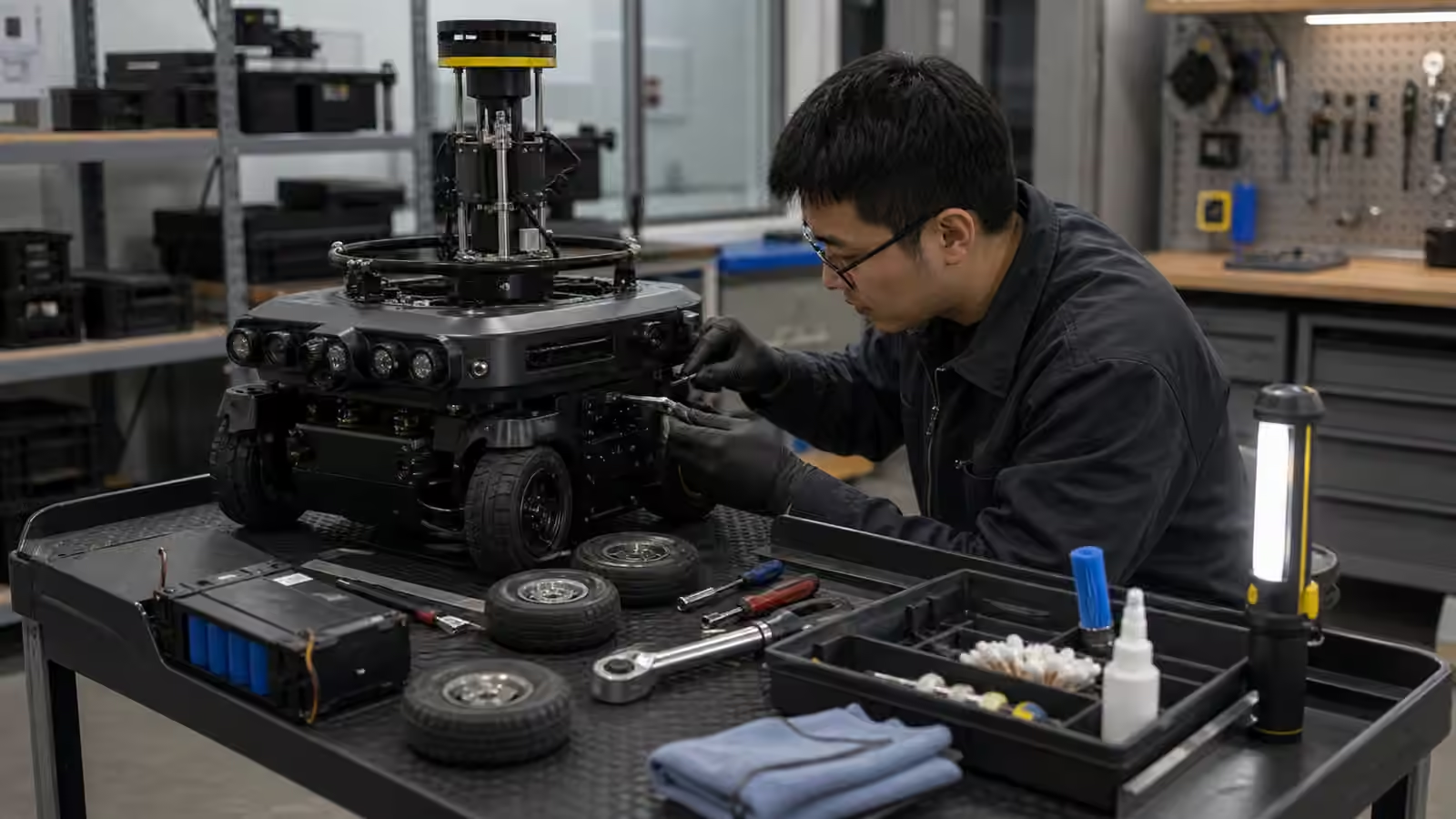
That is where maintenance enters the story. Robots are not only algorithms with bodies. They are bodies. Wheels wear. Batteries age. Sensors drift. Cables loosen. Dust gathers. Grippers lose texture. Cameras get smudged. Software updates change behavior. A floor that looked easy in April becomes slippery in December. A customer changes packaging, lighting, routes, or staff habits. The robot that seemed autonomous is suddenly part of an ordinary maintenance system.
This is not a failure of robotics. It is what makes robotics real. A machine that works in the physical world must be cared for in the physical world.
Reliability is not the same as intelligence
People often describe robots in terms of intelligence: the robot can understand a scene, plan a path, recognize an object, or choose an action. Those abilities matter, but reliability asks a different question. Can it do the useful thing again and again, under normal variation, without creating too much extra work?
A robot can be impressive and unreliable at the same time. It may solve a hard perception problem in a lab but stop too often in a busy hallway. It may manipulate objects beautifully when freshly calibrated but struggle after a gripper pad wears down. It may navigate well until reflective surfaces, low sun, or cluttered charging areas confuse it. The intelligence is real. The deployment is still fragile.
Reliability comes from design, testing, environment control, maintenance, monitoring, and honest limits. It is built from thousands of unglamorous details. A battery that is easy to swap can matter as much as a better model. A clear fault message can save more time than a smoother animation. A wheel module that can be replaced in minutes can decide whether a customer treats the robot as equipment or as an experiment.
Batteries create the daily rhythm
Every mobile robot has an energy life. It charges, works, slows, returns, waits, or gets swapped. That rhythm affects the whole deployment. If a robot cleans floors, moves totes, patrols a site, delivers supplies, or supports a lab process, the battery schedule decides when work can happen and how much spare capacity exists when something goes wrong.
Batteries also age. A robot that ran a full shift when new may lose endurance over time. Cold rooms, hot warehouses, fast charging, deep discharge, and heavy payloads can all change battery behavior. If nobody tracks the pattern, declining runtime looks like random robot failure. If the team tracks it, the battery becomes a managed part.
Good robot operations treat charging areas as infrastructure, not afterthoughts. The robot needs to dock reliably. People need to know when not to block the charger. The site needs enough power, enough space, and enough routine that the robot does not spend its day negotiating with its own energy supply. A robot that cannot charge predictably cannot work predictably.
Sensors need ordinary cleanliness
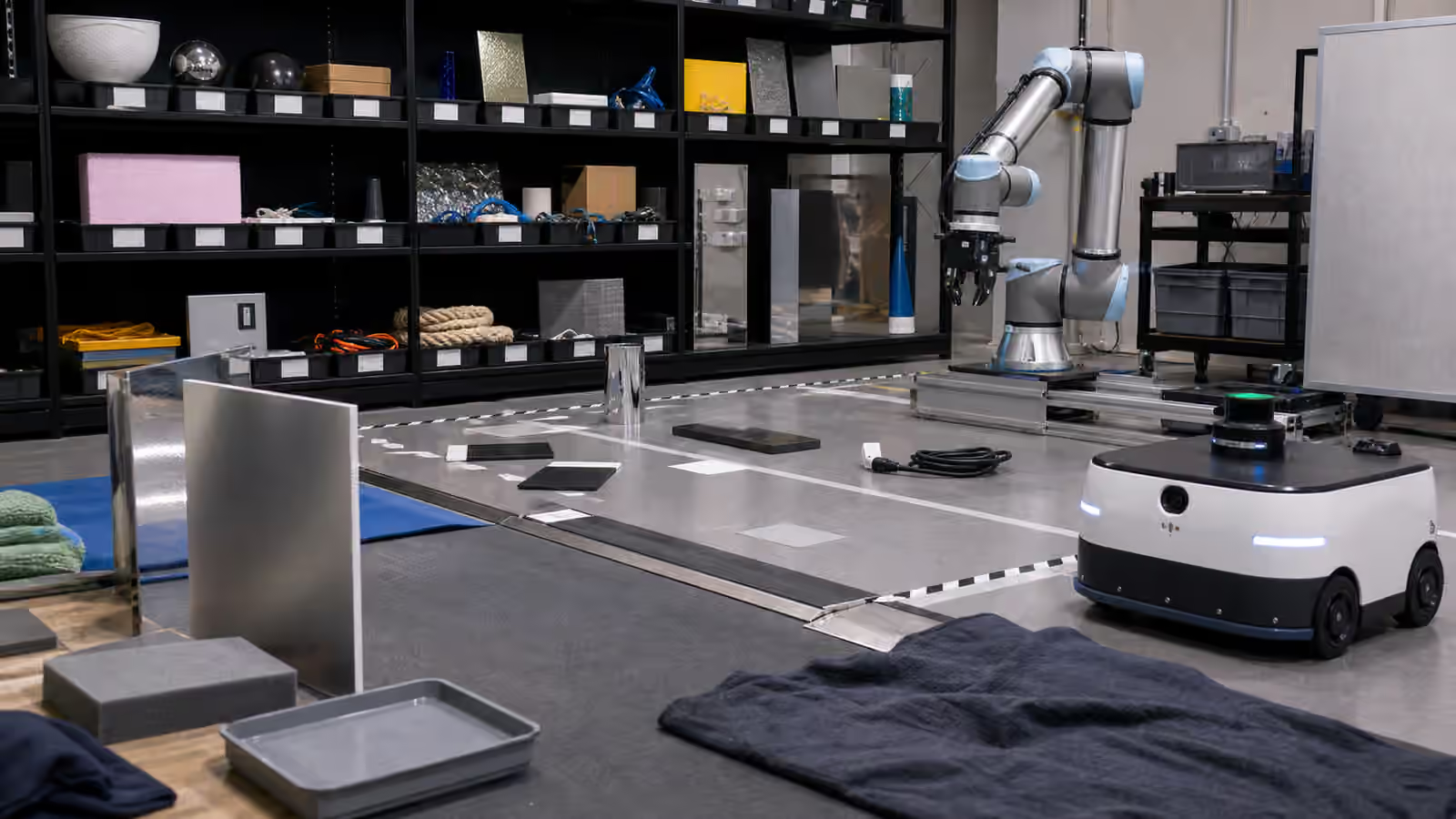
A robot’s sensors are its contact with the world. Cameras, lidar, depth sensors, bump sensors, force sensors, encoders, microphones, tactile pads, and proximity sensors all bring the environment into the system. When they are dirty, blocked, misaligned, loose, or poorly calibrated, the robot’s world becomes wrong.
This can look like bad intelligence from the outside. The robot stops in open space. It misses a docking target. It fails to recognize an object. It drives too cautiously. It grasps slightly off center. Sometimes the model is the problem. Sometimes the camera is smudged.
Maintenance culture helps teams avoid turning every physical problem into a software theory. The first questions should be humble. Is the sensor clean? Is the lens scratched? Is the mounting bracket tight? Did lighting change? Did the map change? Is the floor marker worn? Has the payload shifted? Did the robot take a bump during transport?
That humility saves time. It also respects the machine as a physical system, not a ghost trapped in code.
Wheels, joints, and grippers tell the truth
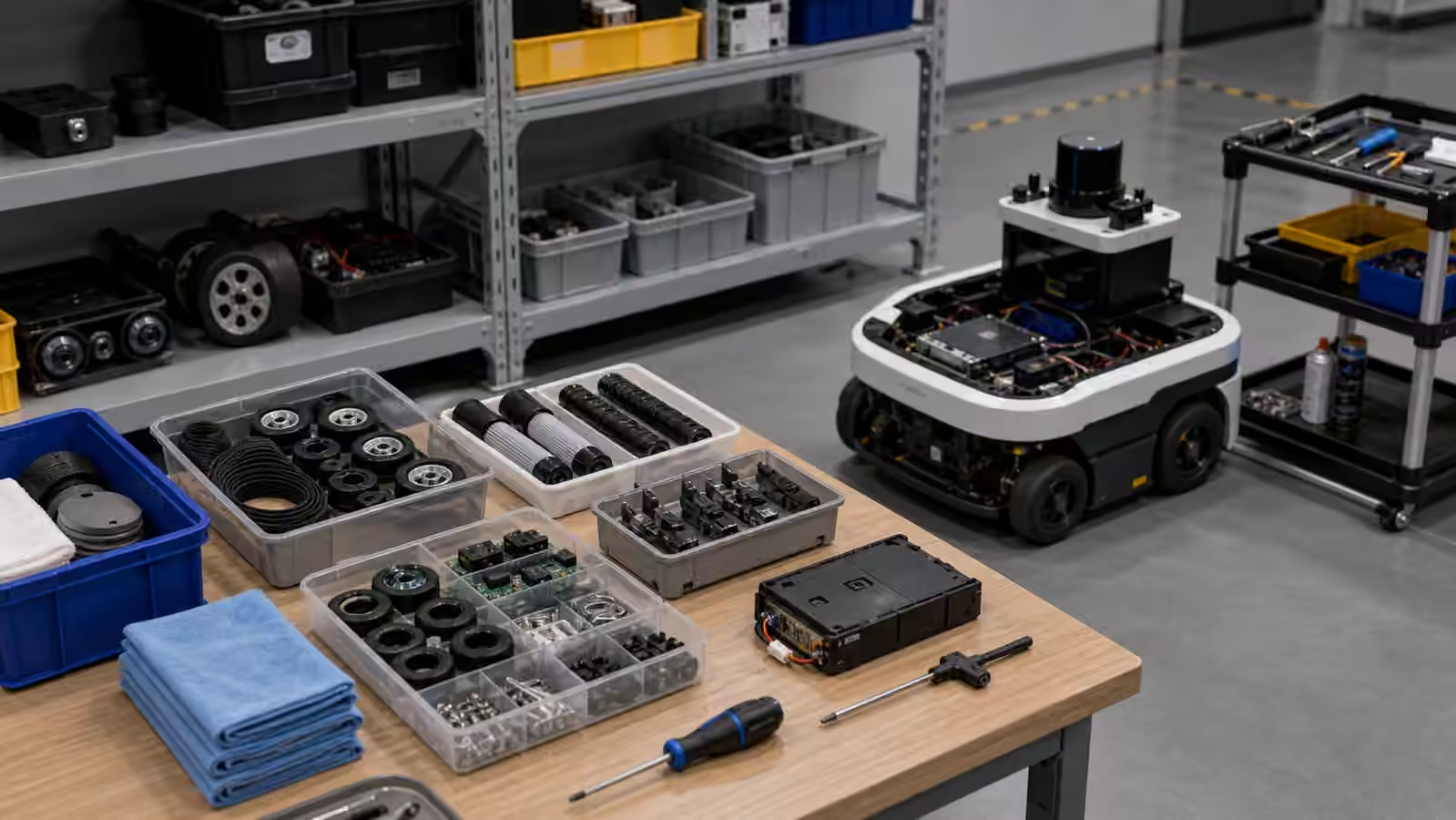
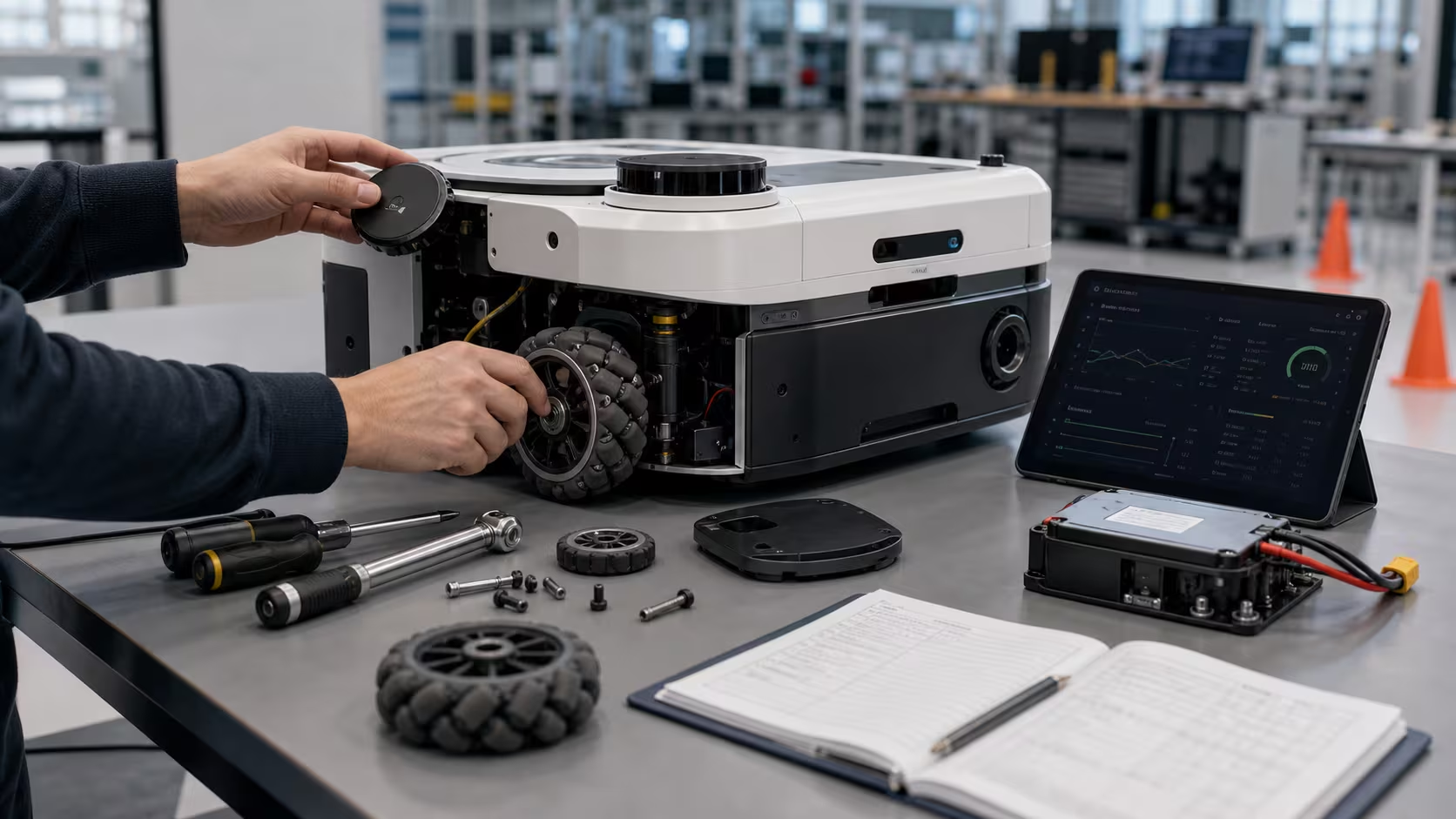
Mechanical parts carry the work. Wheels cross thresholds, joints lift payloads, grippers squeeze objects, belts move, fans cool, and covers protect. These parts reveal how the robot is actually being used. A worn wheel may show that a route has rough flooring. A loose fastener may show vibration. A cracked cover may show careless handling. A gripper pad polished smooth may explain why picks are failing.
Good maintenance listens to those signs early. Waiting until a robot fails completely is expensive. The machine may go down during a critical shift. A small mechanical issue may create secondary damage. Operators may lose trust and work around the robot. Once people stop trusting a robot, the technical fix is only half the recovery.
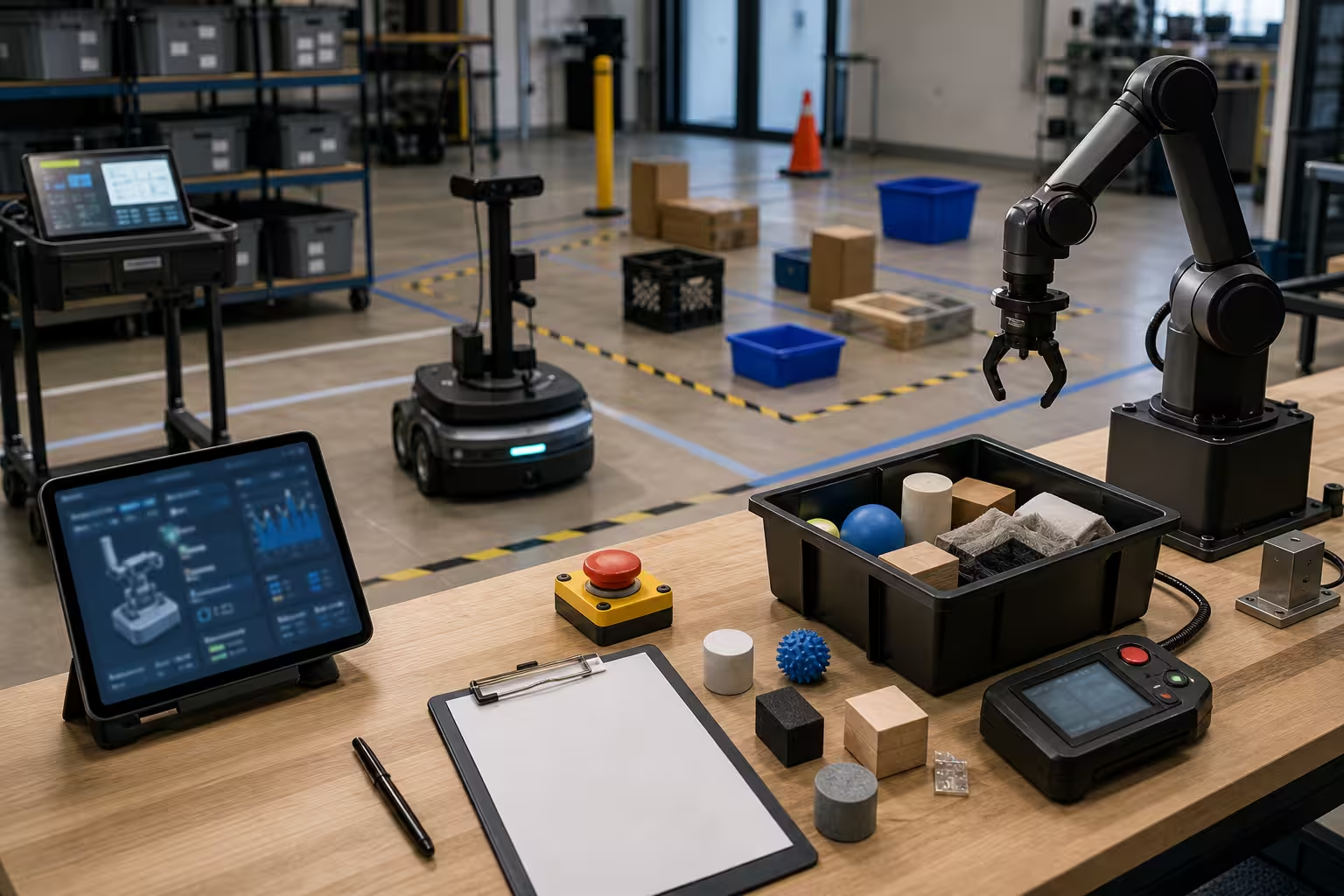
Robots deployed around people also need safety checks. Emergency stops, bumpers, brakes, speed limits, protective covers, and warning signals cannot be treated as decorative compliance pieces. If a safety feature is damaged, bypassed, or misunderstood, the robot’s usefulness becomes irrelevant. A reliable robot is not only one that completes tasks. It is one that fails in ways the site can tolerate.
Logs turn complaints into evidence
Field logs are where robot reliability becomes visible. Without logs, every problem becomes a story. Someone says the robot is always stuck by the elevator. Someone says it never docks right after lunch. Someone says it works fine unless a particular cart is nearby. Those observations may be true, partly true, or remembered through frustration.
A useful log connects time, place, robot state, environment, operator action, and recovery. It does not need to be literary. It needs to preserve enough detail that patterns can emerge. If the robot stops every day at the same doorway, the site may need a physical change. If failures cluster after software updates, the release process needs attention. If one operator sees more failures than others, the training or workflow may be unclear.
Logs also protect good robots from bad expectations. A machine may be blamed for delays caused by blocked routes, dead chargers, missing objects, or people ignoring operating rules. Evidence does not remove responsibility from the robot vendor or deployment team. It makes responsibility specific.
Maintenance is a human workflow
A robot maintenance plan only works if people can actually follow it. A beautiful checklist that requires a busy warehouse lead to become a robotics technician will decay. A spare-parts cabinet nobody owns will become a mystery shelf. A diagnostic dashboard that only engineers understand will not help night-shift staff. Maintenance has to fit the people and the site.
This is where robotics becomes operations. Who cleans sensors? Who checks wheels? Who approves a robot returning to service after a fault? Who knows where spare batteries are? Who calls support? Who reviews logs? Who trains new staff when turnover happens? If the answer is always “someone,” the answer is no one.
The best deployments make small maintenance habits easy. The robot has clear status signals. The daily check is short. The weekly check is realistic. Spare parts are labeled. Faults have plain-language meaning. Support knows what information to ask for. Operators are not shamed for reporting problems early.
That last point matters. People hide problems when they believe reporting them will create blame or paperwork without help. Robots get more reliable when the site treats small reports as maintenance signals, not annoyances.
The maintenance story should shape the purchase
Anyone evaluating a robot should ask about maintenance before being impressed by autonomy. How often do parts wear out? Which parts can the customer replace? What tools are required? How long does calibration take? What happens after a crash, drop, blocked sensor, failed update, or battery fault? How quickly can support diagnose an issue? What does the robot log by default? How many machines can one technician support?
These questions are not pessimistic. They are practical. A robot that saves labor in one place but creates hidden labor elsewhere may not save much. A robot that needs expert attention for routine issues may be a research platform, not a product. A robot that makes maintenance plain is easier to trust.
Physical AI will improve as models improve, but deployment will still depend on batteries, wheels, dust, cables, logs, training, spares, and the people who notice when something sounds different than it did last week. The future of robots is not only more intelligence. It is better upkeep.
The demo proves the machine can work once. Maintenance is how it earns the right to work tomorrow.