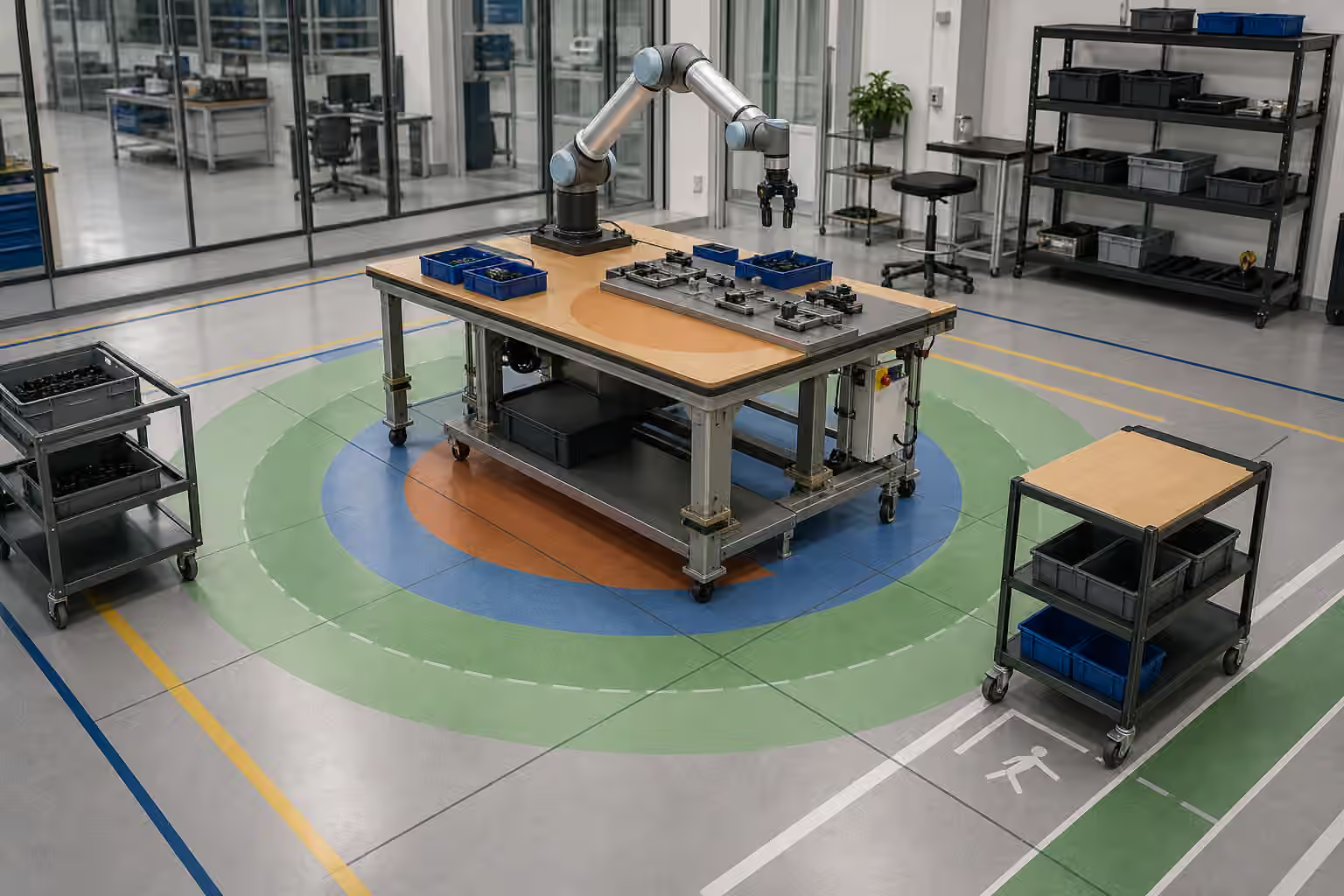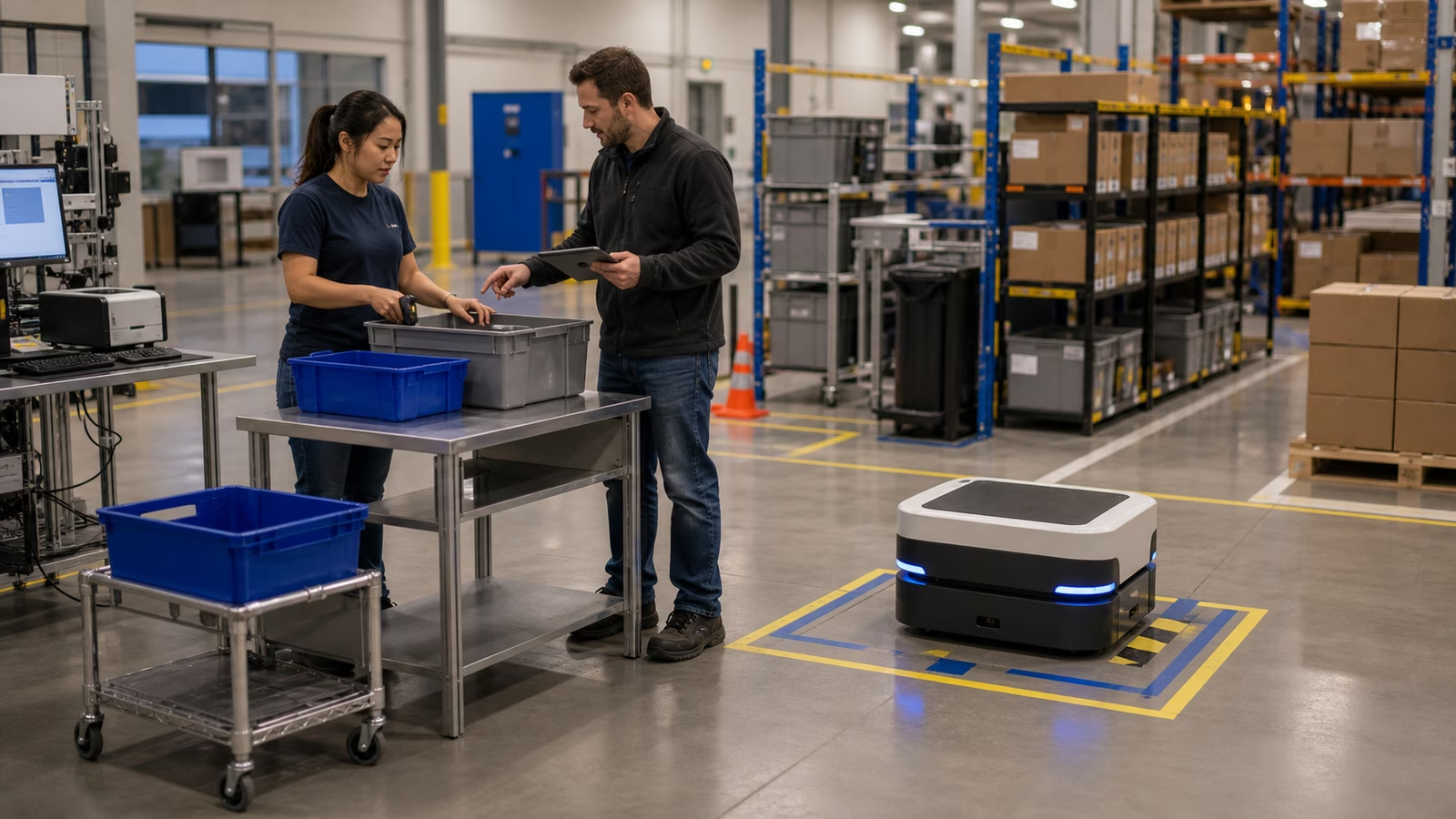
A robot handoff is the moment when automation stops being a clip and becomes work. The mobile robot arrives with a tote, the arm places a part, the machine waits for a scan, the operator clears an exception, or a human takes over because the task has moved beyond the robot’s confidence. If that exchange is smooth, the robot feels useful. If it is awkward, the entire deployment starts to feel like extra work wearing a battery pack.
Handoffs are where many robotics projects quietly succeed or fail. The robot may navigate well, avoid obstacles, charge reliably, and follow its route, yet still frustrate people because it arrives at the wrong side of the station, waits in a bad spot, blocks a cart, uses unclear signals, or creates a tiny delay that repeats hundreds of times per day. The problem is not that the robot is unintelligent. The problem is that the workflow was treated as scenery.
Physical AI needs people more than the marketing suggests. Even highly automated sites have operators, supervisors, maintenance staff, exception handlers, safety managers, and workers whose rhythm determines whether the machine fits. A handoff is not only a technical event. It is a social, spatial, and timing agreement between a robot and the people around it.
The Handoff Point Is Infrastructure
The place where a robot meets a person should be designed with the same seriousness as a charging dock or safety zone. It needs space, visibility, repeatability, and a clear purpose. A robot that arrives vaguely near a station is not enough. The person needs to know where the robot will stop, what state it is in, what it expects, and how to continue the work.
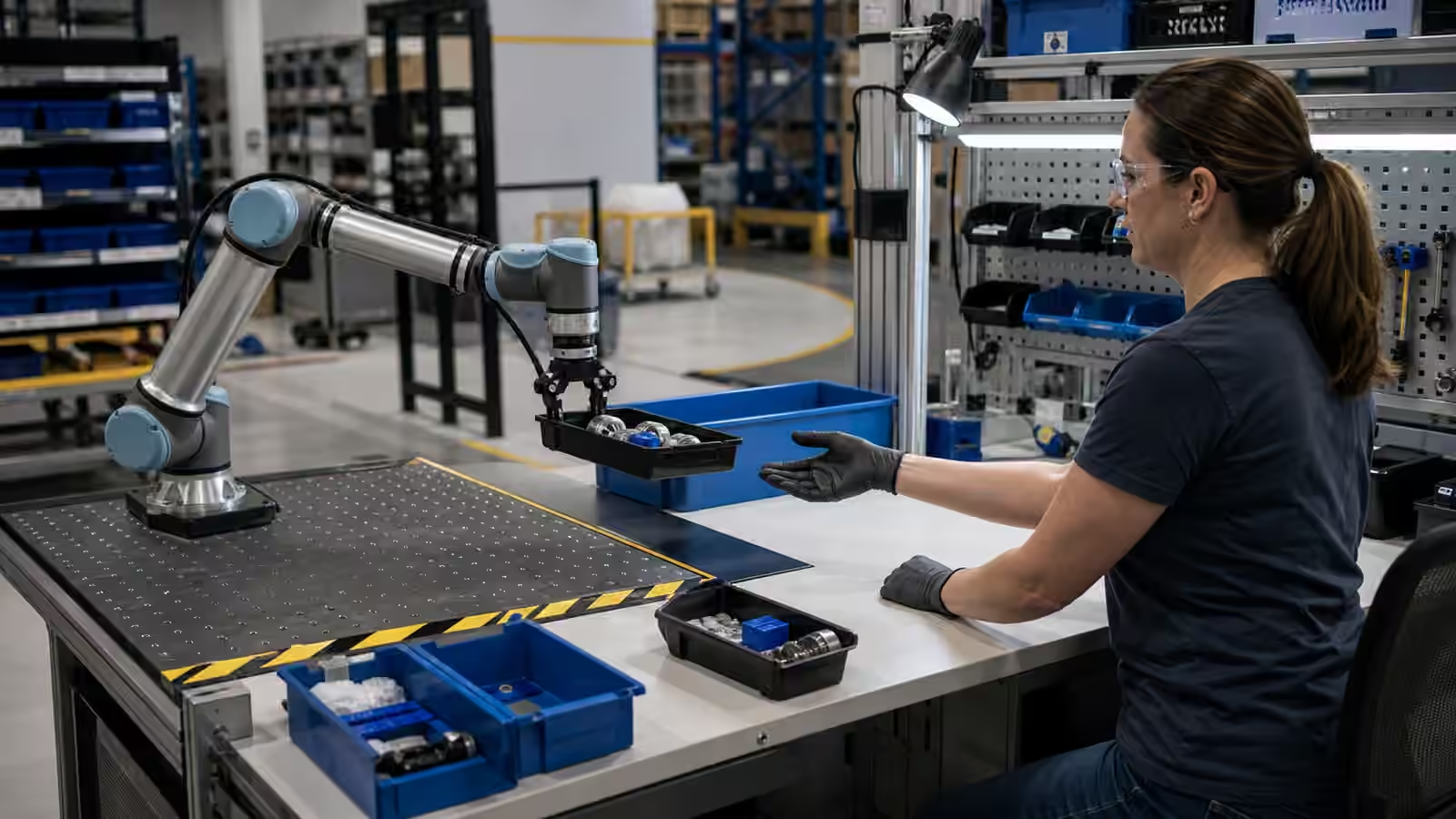
This sounds simple until the real site appears. Workstations accumulate tools, extra bins, personal habits, scanners, labels, trash, spare parts, temporary carts, and shortcuts. The robot may need a precise stop location, while the person needs reach, sightlines, and freedom to move. A stop point that looks good in a layout file may be annoying at shoulder height, unsafe near a forklift lane, or too far from the actual work surface.
Good handoff design begins by watching the human task without the robot. Where do hands go? Where do eyes go? When does the worker turn? Where does the tote naturally sit? Which side of the body does the operator prefer? What happens when two tasks arrive at once? The robot should fit that reality where possible. If the workflow must change, people should understand why the change helps rather than feeling that a machine has been inserted into a process nobody studied.
Timing Matters More Than Arrival
Robots are often measured by whether they complete a trip. Workers feel the deployment through timing. Does the robot arrive when the person is ready? Does it wait without blocking? Does it leave too early? Does it create bursts of work followed by dead time? Does it turn a steady process into a sequence of interruptions?
A handoff can fail even when every individual action is successful. A robot that delivers too many totes at once may overwhelm a station. A robot that arrives just after the worker has shifted to another task may create walking and rework. A robot that waits silently may be forgotten. A robot that signals too often may become background noise.
The best timing often comes from modest coordination. The robot should understand queue state, station capacity, route time, battery needs, and the human pace of work. It may need to wait upstream rather than crowd the handoff point. It may need to stagger deliveries. It may need to prioritize urgent jobs without starving ordinary flow. In a real site, timing is a form of respect.
Signals Should Be Boring and Clear
People need to know what the robot is doing without studying it like a puzzle. Is it waiting? Is it ready for unloading? Is it blocked? Is it asking for help? Is it about to move? Is it paused for safety? A robot with unclear signals creates hesitation, and hesitation becomes cost.
The signal does not have to be theatrical. A small light, tone, screen, physical position, or status in a workstation interface can be enough if people understand it. The important part is consistency. If the robot uses the same light for several states, workers will stop trusting it. If it changes behavior after a software update without training, people will build their own explanations.
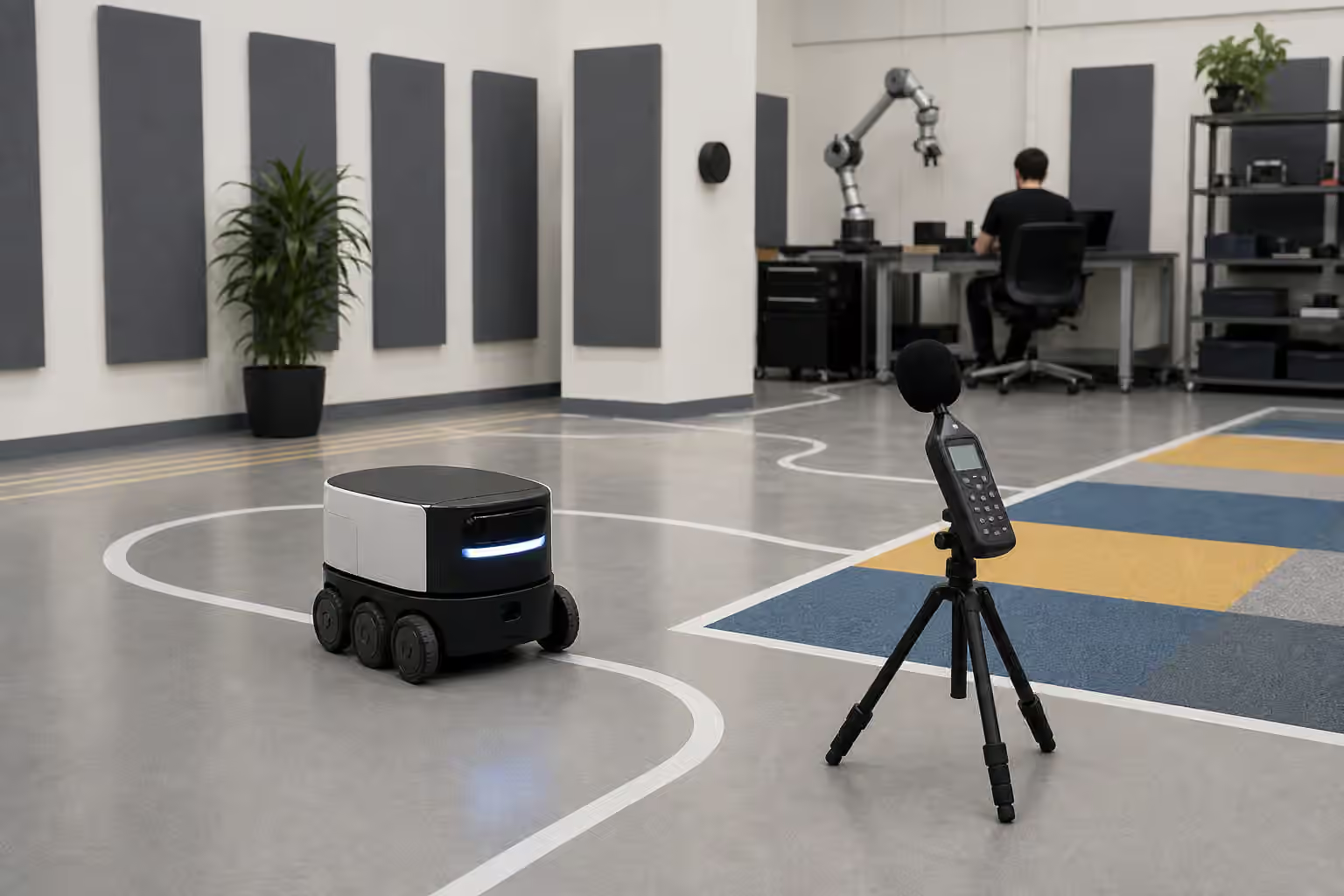
Signals also need to respect the environment. A loud alert in a quiet hospital corridor is different from a warehouse floor. A visual signal may be missed if the worker’s back is turned. A screen is useless if it shows tiny text or technical codes. The right signal is the one that helps the person at the moment they need to act.
Exceptions Are Part of the Workflow
Every handoff design should assume exceptions. A tote is missing. A barcode fails. A person is away from the station. The robot is blocked. The item does not fit. The station is full. The worker notices damage. The robot arrives with the wrong job. If the exception path is unclear, people improvise, and improvisation becomes the real system.
A useful exception path makes the next action obvious. The worker should know whether to clear the issue, call a supervisor, move the robot, reject the job, or let the robot reroute. The robot should fail in a way that does not trap work. Logs should help the support team understand what happened without relying on memory.
This is where deployments often reveal whether the vendor and site understand operations. Happy-path automation is easy to admire. Exception handling is where trust is built. People forgive robots that ask for help clearly. They lose patience with robots that create mystery.
Metrics Should Include Human Friction
Robot dashboards often track trips, uptime, utilization, battery state, faults, and distance traveled. Those metrics matter, but they can miss handoff friction. A robot can have high utilization while making people walk farther, wait more, clear more exceptions, or rearrange stations repeatedly.
Handoff metrics should include the human side of work. How long does a station wait for the robot? How long does the robot wait for the station? How often do workers move items manually because the handoff point is wrong? How often does a supervisor intervene? How much rework appears near the robot process? Do people avoid using the robot when pressure rises?
The last question is especially revealing. If workers bypass the robot during the busiest moments, the automation may be useful only when it is least needed. That does not mean the robot is bad. It means the workflow has not earned trust under real conditions.
The Best Handoff Feels Uneventful
A mature robot handoff does not feel futuristic after a while. It feels ordinary. The robot arrives where expected, waits safely, communicates simply, gives the person enough room, and leaves at the right time. Exceptions are clear. New workers can learn the pattern quickly. Supervisors can see the flow without hovering. Maintenance can diagnose problems from logs instead of stories.
That ordinariness is a compliment. Physical AI becomes valuable when it stops demanding attention for itself and starts supporting the work around it. The handoff is where that humility becomes visible.
Before asking whether a robot can do the task, ask where the task changes hands. The answer will tell you more about deployment readiness than almost any demo.