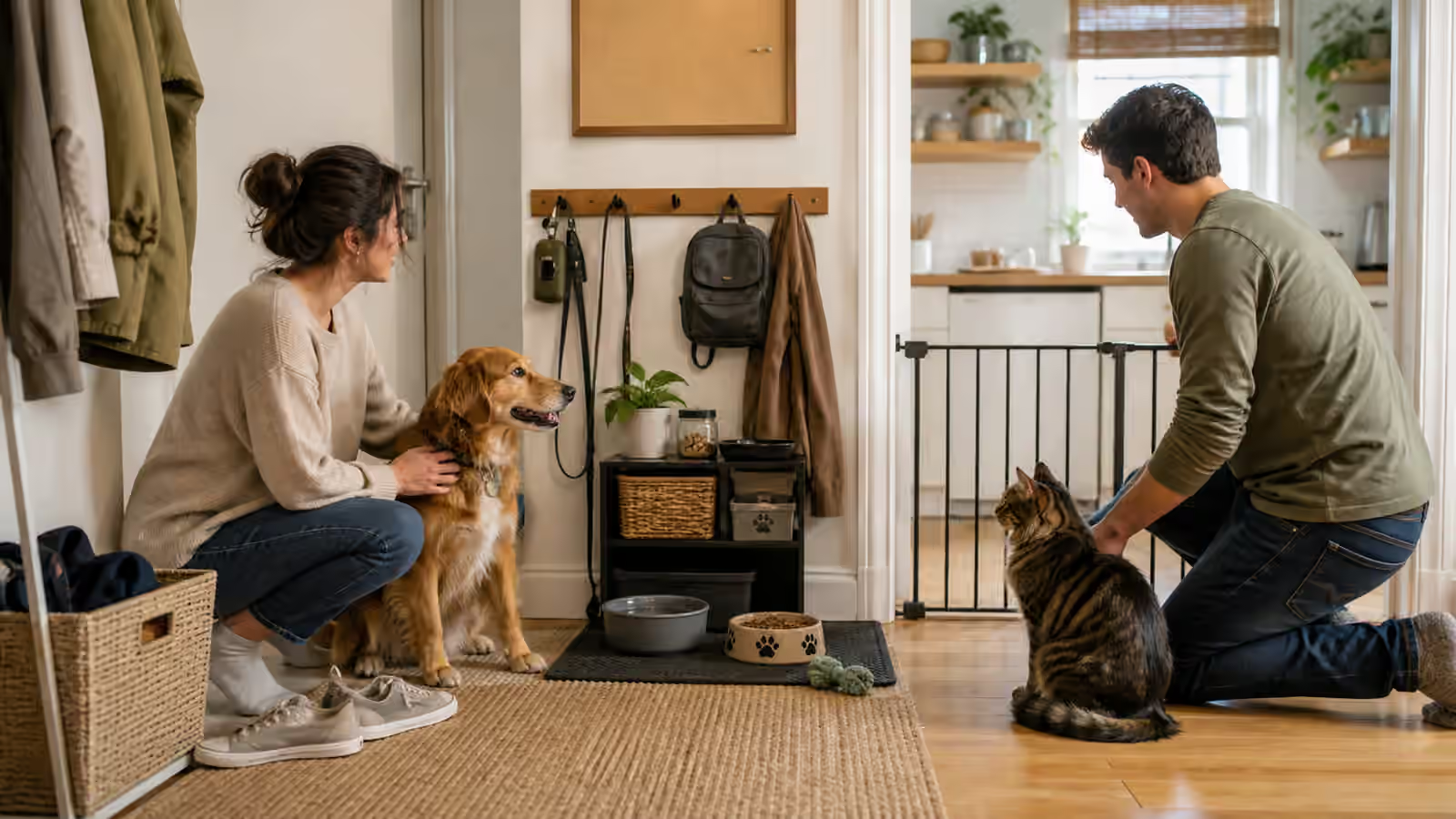
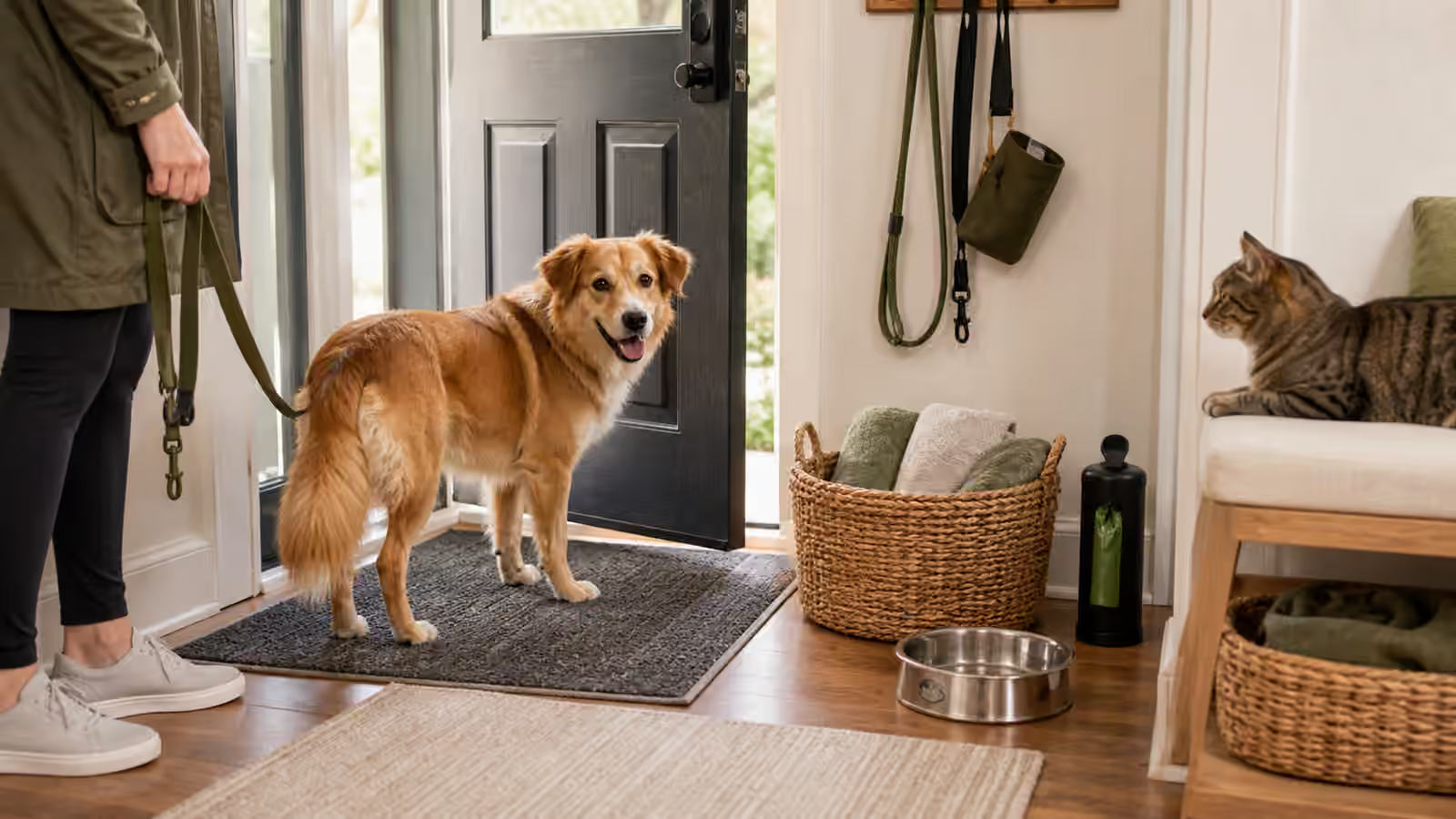
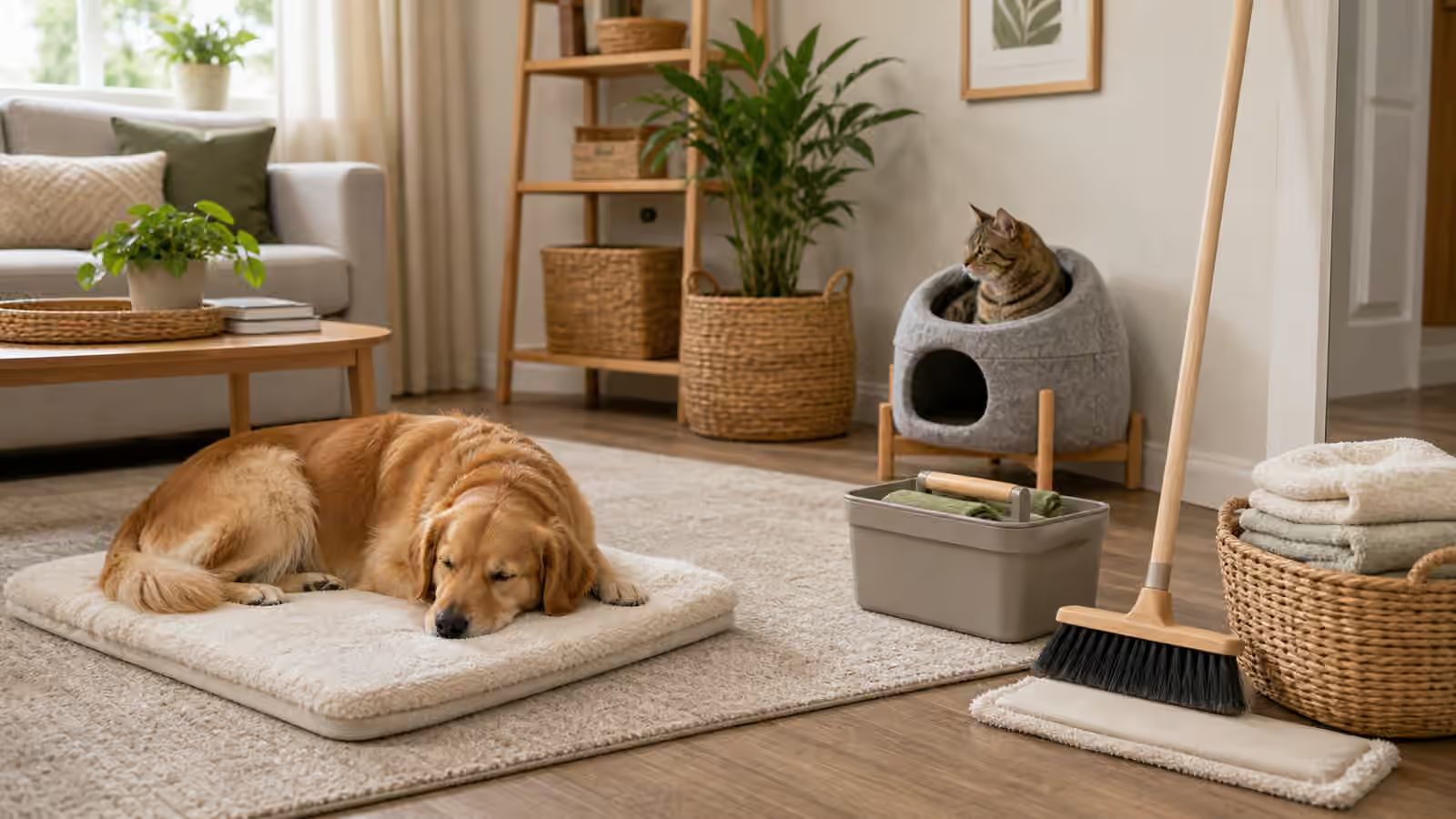
Working from home changes the pet’s day in a way people often underestimate. The human is present, but not always available. The doorbell may interrupt a call. A chair rolls near a tail. A cat discovers that the keyboard is warm. A dog learns that barking during a meeting makes everyone move quickly. The home office becomes a confusing blend of companionship, boredom, barriers, and sudden urgency.
A good workday routine does not require the pet to disappear. It gives the pet clearer information about when attention is available, where resting happens, which office surfaces are off limits, and how the household handles the moments when work cannot stop. The same dog who settles easily in the evening may struggle at 10 a.m. because the signals are mixed. The same cat who lounges peacefully on a weekend may walk across the desk when the person is focused elsewhere.
Give the Office a Pet Map
The office needs a pet map before the workday begins. Decide where the dog rests, where the cat can perch, where water belongs, where toys are stored, and which door or gate protects the room when needed. Do this while the pet is calm, not while a call is already starting. A dog bed under the desk may work for a quiet dog, but it can put the dog directly under chair wheels or feet. A mat beside the desk may be better because the dog remains close without becoming part of every movement.
Cats often need a legal observation point. If the only warm, elevated, interesting surface is the desk, the desk will become the cat’s station. A perch near the office, a stable shelf, a chair with a washable throw, or a cat tree close enough to the person can give the cat a better option. The ideas in Cat Vertical Space and Safe Routes apply strongly in work areas because height lets a cat be included without sitting on the keyboard.
Keep basic resources out of conflict zones. Water should not sit where a chair can hit it. Food puzzles should not roll under cords. A litter box should not require the cat to cross a busy dog resting spot. If the office is also a pet home base, use the setup logic from New Cat Setup: Litter, Scratching, Hiding, and Play or Apartment Pet Setup for Dogs and Cats so the room still works when the human is not actively managing it.
Teach Presence Without Constant Access
Many work-from-home problems come from teaching the pet that human presence means immediate access. The person is home, so the dog asks for play. The cat asks for the lap. The person gives attention between tasks, then becomes unavailable during a meeting, and the pet reasonably tries the same behaviors again with more intensity.
Practice being present but boring. Sit at the desk for a few minutes while the dog rests on the mat. Reward quiet settling before the dog demands attention. Let the cat receive a brief greeting, then redirect to the perch before the keyboard becomes the place where attention happens. These small sessions should happen outside important meetings so the pet can learn without the human being tense.
Calm Mat Routines for Dogs and Cats is useful here because a mat creates a visible job near the person. The job is not to stay frozen all day. It is to have a known place for short blocks of quiet. Start with easy lengths and frequent resets. A young dog, new rescue, kitten, or energetic cat may need shorter office blocks and more environmental management than an adult pet who already sleeps through the morning.
Build Breaks Before the Pet Invents Them
Pets often interrupt because the day has no planned outlets. A dog who gets no sniffing, chewing, or bathroom break until the human is frustrated may begin creating events. A cat who gets no play until late evening may treat every moving hand as a toy. Scheduled breaks help because the pet learns that access returns without needing to escalate.
The break does not need to be long. A dog may need a bathroom trip, five minutes of sniffing, a simple training pattern, or a safe chew afterward. A cat may need a short wand-toy session that lets them stalk, chase, catch, and settle. The broader rhythm in Pet Enrichment for Bored Dogs and Cats matters more than the number of toys in the room. The right break lowers pressure. The wrong break winds the pet up and then drops them back into a silent office.
Timing matters. If every break happens only after barking, pawing, or desk walking, the interruption becomes the request button. Try to start breaks before the predictable rough spots. Many dogs get restless before lunch, after a delivery, or late afternoon. Many cats wake for activity when the room has been quiet for hours. Watch the pattern and meet the need early enough that the pet does not have to become noisy to be understood.
Make Meetings a Separate Routine
Meetings need their own routine because they change the human. The person’s voice becomes animated, hands move, eye contact shifts to a screen, and the pet receives less feedback. Some dogs respond to the strange talking by barking or bringing toys. Some cats respond by climbing into the camera view or tapping at hands. The pet is not trying to sabotage work. They are reacting to a version of the human that behaves differently.
Create a meeting picture. A few minutes before a call, move the pet to the planned place, offer a simple settling activity if appropriate, check water and barriers, and reduce visual triggers near windows or doors. If the dog is likely to bark at hallway sounds, use the setup from Window and Hallway Barking Routines for Dogs before the call starts. If deliveries or guests may arrive, Visitors and Doorway Routines for Pets can keep the doorway from overruling the meeting.
Do not save the hardest chew, puzzle, or toy only for meetings if that item creates excitement. The best meeting activity is usually familiar, easy, and safe for the pet in that context. A food toy that requires supervision is not a good choice when the human cannot look away. A toy that makes the cat sprint over the desk is not a meeting aid. Choose quiet activities that help the pet come down, not activities that make the office feel like a stage.
Protect the Desk Without Turning It Into a Battle
Desk boundaries are easier when the desk is not the most rewarding surface in the room. Put snacks away. Manage cords. Close laptops when possible. Give the cat an alternate warm surface and the dog a legal resting area. If the pet jumps up, paws at the chair, or steals objects, respond with a calm reset instead of a chase. Chasing a pen or wrestling a sock away can teach the pet that office objects make work stop.
For cats, respect curiosity while protecting the work surface. A cat who wants height, warmth, or closeness needs a replacement, not just removal. For dogs, object stealing may connect to boredom, attention, or chewing needs. Dog Chewing and Toy Rotation at Home helps if the dog is sampling office supplies, chair legs, or cables.
The office also needs an end-of-day reset. Put away food, close the treat pouch, remove fragile items, return toys to storage, and check the floor for dropped objects. A room that is safe while supervised at noon may not be safe when the pet wanders in later without you.
Keep Alone Time Alive
Working from home can accidentally erase alone-time skills. A pet who spends months with constant access may find ordinary departures harder later. The answer is not to ignore the pet all day. It is to keep small separations normal. Close the office gate briefly. Let the dog nap in another prepared room. Give the cat a quiet home base while you take a call. Step out and return without making every movement an event.
Alone-Time Routines for Dogs and Cats pairs naturally with work-from-home life because the pet needs both kinds of confidence: calm near the person and calm when the person is temporarily unavailable. A stable workday teaches that presence has rhythms. Attention appears, disappears, and returns without crisis.
A workable home office is not a silent kennel beside a laptop. It is a room with predictable pet choices. The dog knows where to settle. The cat has a better place than the keyboard. The human schedules breaks before frustration builds and prepares meetings before the doorbell decides the plan. When the office becomes legible, pets do not have to keep asking what kind of day this is.