Window and hallway barking usually begins as information. The dog hears an elevator, sees a stroller, notices a delivery, smells a neighbor’s dog, or catches motion through the glass before the humans do. The first bark may simply say that something changed. The habit becomes harder when the same scene repeats every day: dog watches, dog barks, person rushes over, the outside thing moves away, and the dog learns that the window or door is a job site.
The goal is not to make a dog unaware of the home. A useful dog can notice normal household changes without turning every hallway step into an emergency. The practical goal is a smaller response, faster recovery, and a clearer place to go when the home gets noisy. This guide fits beside Noise-Sensitive Pets at Home because many barking routines are partly sound routines, but it focuses on the visual and doorway patterns that repeat in apartments, townhomes, and street-facing rooms.
Find the Real Barking Station
Before changing the routine, notice where the dog chooses to bark. Many homes have one or two stations that teach the whole habit. A couch back under a front window gives the dog a high platform and a full view of the sidewalk. A hallway rug beside the apartment door lets the dog hear every neighbor and feel vibration through the floor. A narrow entry makes the dog stand directly between people and the sound. Once you find the station, the behavior makes more sense.
The station may be comfortable for other reasons. The window is sunny. The door is near the people. The couch smells like family. The hallway is where walks begin. If you only scold the bark, you miss the fact that the place itself is valuable. The dog keeps returning because the station offers information, comfort, and access to the next event.
Change the station before asking for better choices. Move a resting bed several feet back from the window. Use curtains, film, or a lower line of sight so every passing foot is not visible. Place a gate so the dog can hear the hallway from a softer distance rather than from the crack under the door. If the dog uses the couch as a lookout, the furniture plan in Couch, Bed, and Furniture Boundaries for Pets can help the household decide whether the couch is a rest spot, a supervised privilege, or an alert tower that needs redesign.
Build a Replacement Place
A dog needs somewhere to go when the old station changes. A mat, bed, crate-adjacent area, or gated corner can become the new listening place. It should be close enough to normal life that the dog does not feel exiled, but far enough from the trigger that the dog can still eat, sniff, breathe normally, and respond to a familiar cue. Distance is not a failure. It is how the dog gets enough room to make a different choice.
Start the replacement place during quiet times. Bring the dog to the mat, drop a treat, sit nearby, and let the dog settle without asking for a performance. Later, practice when mild sounds happen. A neighbor closes a door, and the dog hears it from the mat. A truck passes, and the dog gets paid for noticing without charging the glass. If the dog cannot take food or keeps racing back to the window, the setup is too hard. Increase distance, reduce the view, shorten the session, or use a calmer room.
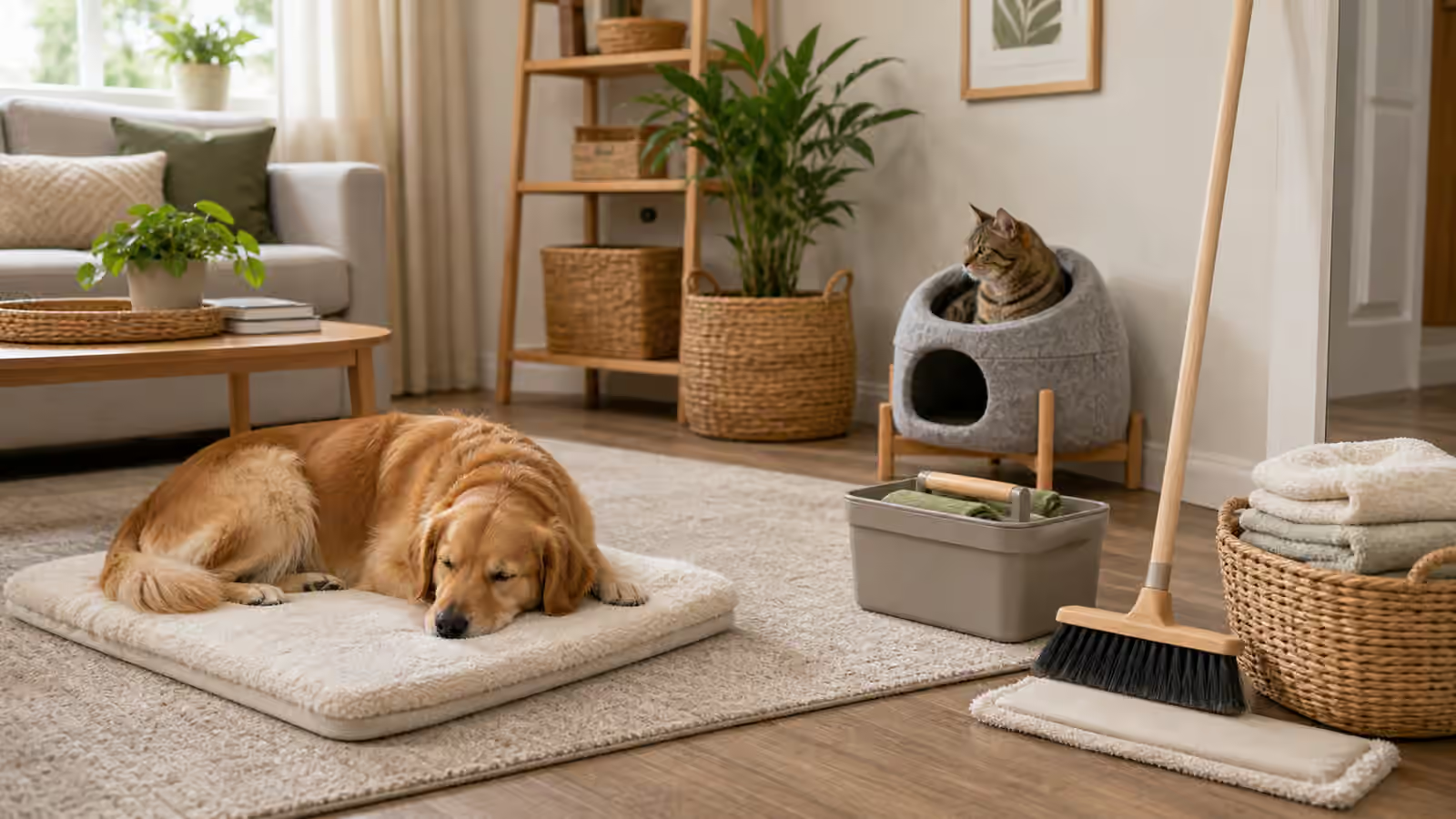
This is where Calm Mat Routines for Dogs and Cats becomes useful even though the barking issue looks more dramatic. The mat is not magic. It is a familiar picture that gives the dog a job when the environment changes. The job might be lying down, sitting, chewing safely, or simply keeping four feet near the mat while the sound passes.
Stop Rewarding the Alert Sequence
People often reward window barking by accident. The dog barks, the person rushes to the window, talks loudly, pulls the curtain open, or searches for the cause. From the dog’s view, the alert worked. The team assembled at the lookout. Even frustration can feel like participation if it arrives with movement and attention.
Try to make your response less theatrical. If the dog gives a small alert, acknowledge it quietly and guide the dog to the replacement place before the response grows. If the dog is already barking hard, focus on management rather than a lecture. Close the curtain, add distance, lead the dog behind a gate, or move to another room. Wait for a breath of quiet or a softer body before adding praise or food. You are not rewarding silence as a moral achievement. You are rewarding recovery.
Avoid calling the dog away and then immediately letting them return to the same view. That turns recall into a brief interruption. If the trigger is still there, the dog needs a changed environment. A barrier, covered sight line, or settled station should remain in place long enough for the dog to come down.
Practice Boring Versions
The dog should hear hallway and window sounds when nothing important happens. Step into the hallway and return before the dog ramps up. Open and close the door while staying home. Let a familiar person walk past the window at a distance while the dog is on the mat. Play a quiet recording of ordinary building sounds only if the dog remains relaxed and the sound does not become another stressor. These repetitions are useful because they break the rule that every sound predicts a major event.
Keep the first practices almost too easy. A dog who barks through ten doorbell repetitions is not being trained. The dog is rehearsing the bark ten more times. One soft knock from across the room, followed by a calm reset, may teach more than a dramatic session with the dog already over threshold.
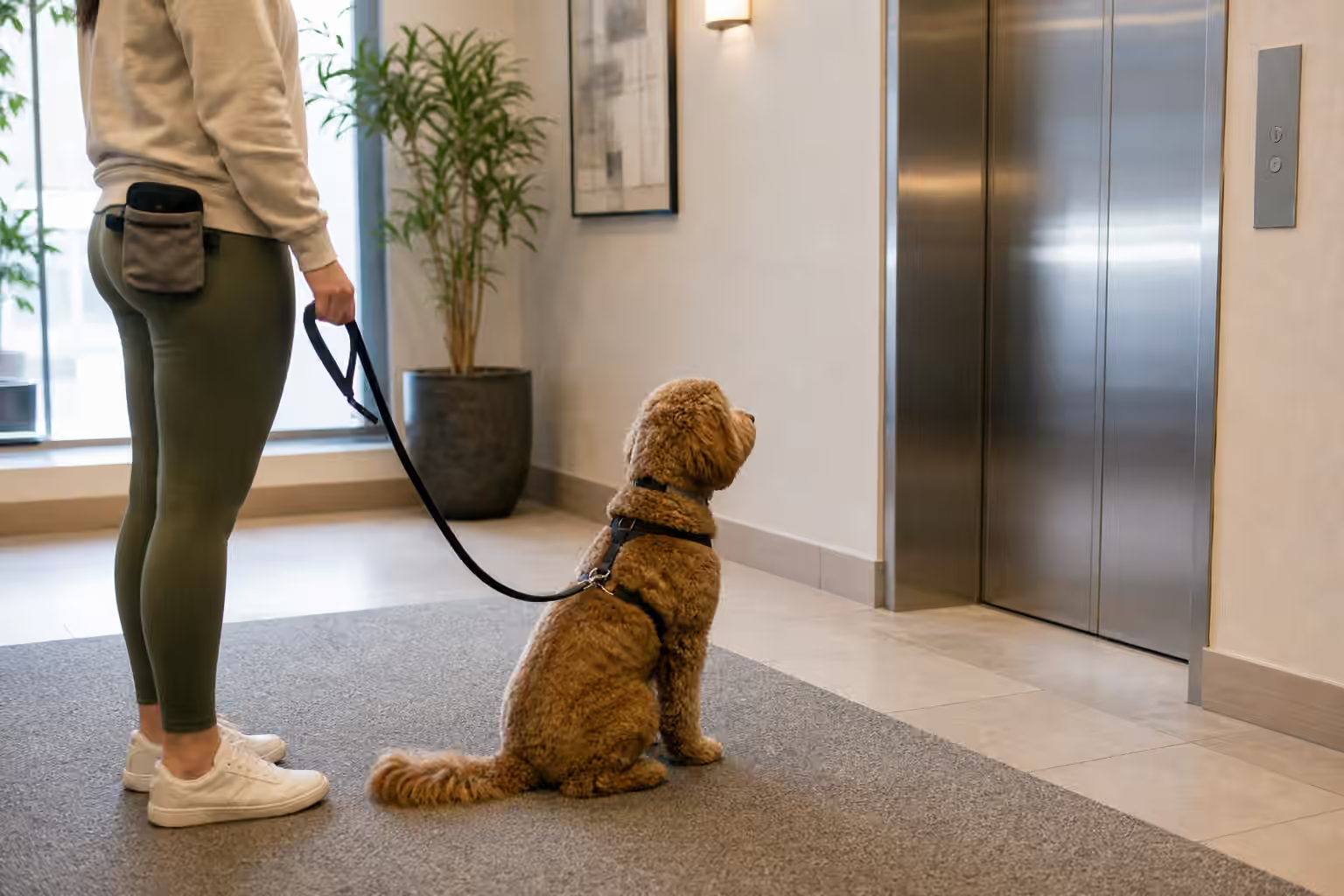
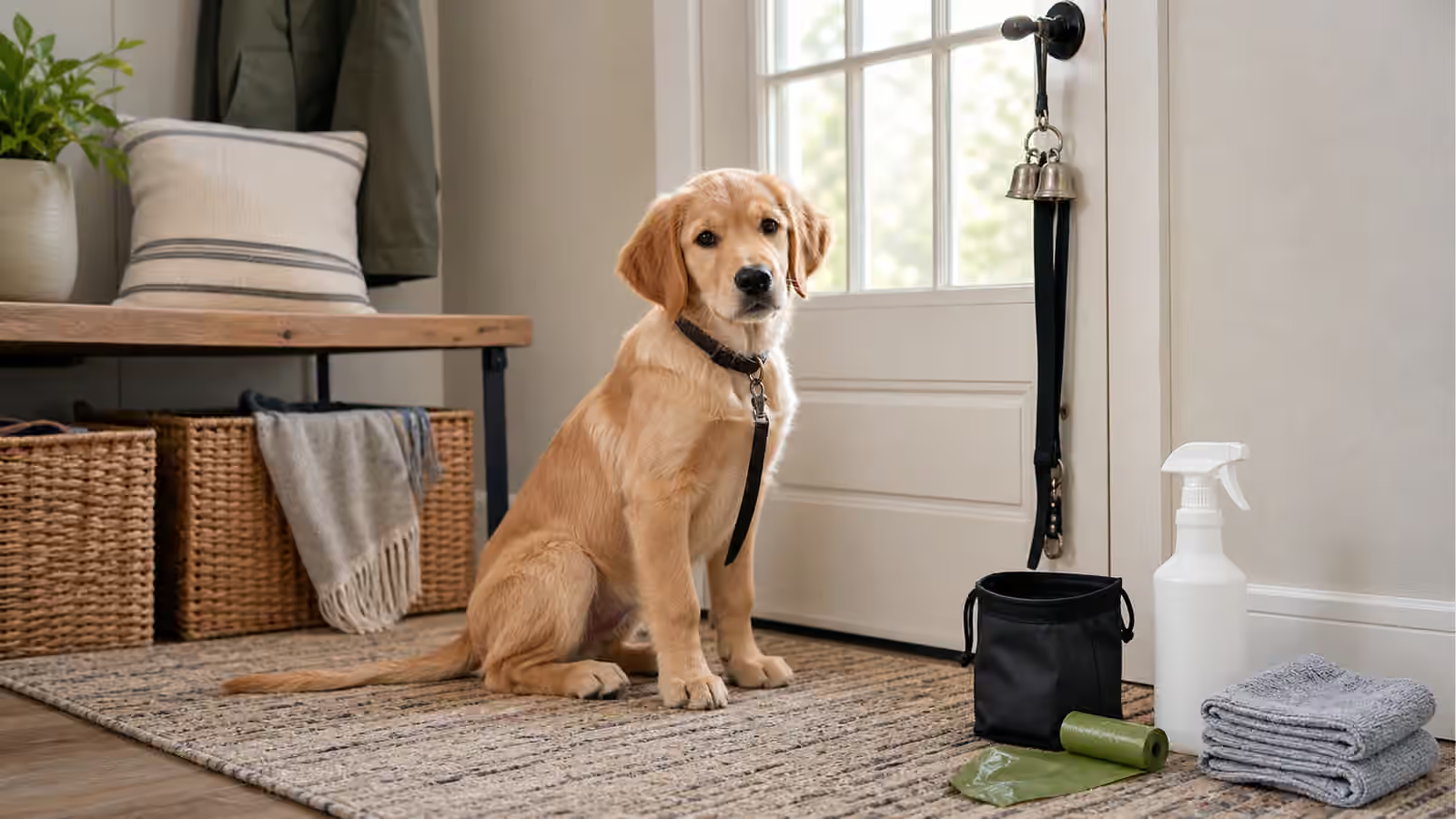
Apartment dogs often need a separate hallway plan. The hall may predict walks, neighbors, elevators, other dogs, and deliveries. Use the same logic from Door-Dash Prevention for Dogs and Cats : prepare before the door opens, keep the dog away from the threshold, and make crossing the doorway a controlled transition rather than a burst. If the hallway is too stimulating, practice a smaller version inside the home before expecting calm outside the door.
Use Enrichment After the Alarm Drops
Enrichment helps when it lowers the dog’s arousal. A sniff scatter, easy food puzzle, lick mat, or safe chew can help some dogs return to rest after a mild trigger. It should not be used as a bribe while the dog is still launching at the window. If the dog cannot notice the food, the dog is not in a learning state. Add distance first.
The best enrichment for this problem often happens before the noisy window. A dog who had a sniff walk, a short training session, and a clear rest block may have less pressure to monitor the world. A rainy day or shortened walk can make alert barking worse because the dog has unused energy and fewer outlets. Pet Enrichment for Bored Dogs and Cats and Rainy-Day Pet Routines for Dogs and Cats both help when the barking is partly a restlessness problem.
Know When It Is Not Just a Habit
Some barking is ordinary alerting that has been over-rehearsed. Some barking is fear, pain, frustration, separation distress, or conflict with the environment. Watch recovery. A dog who gives two barks and returns to the mat is in a different situation from a dog who pants, trembles, claws, redirects onto another pet, or remains agitated long after the hallway is quiet. Sudden changes deserve special attention, especially if the dog also seems unwell, confused, painful, or unable to settle in other parts of life.
If alone time makes the window or door worse, connect the plan to Alone-Time Routines for Dogs and Cats . If visitors make the whole entry explosive, use Visitors and Doorway Routines for Pets so the dog is not practicing window alerts and guest greetings in the same rushed minute.
Window and hallway barking improves when the home stops treating the dog as the security system for every small change. Change the lookout, give the dog a replacement place, practice sounds at a size the dog can handle, and measure progress by recovery instead of perfect silence. A calmer dog may still notice the world. The difference is that noticing no longer takes over the room.