Beginner pet setup can solve many everyday problems. It cannot solve everything. A calm owner knows when to improve the routine and when to call someone qualified.

Call a vet
Call your vet when the problem could be health related: sudden behavior changes, new house-soiling, appetite changes, drinking changes, limping, itching, ear odor, skin problems, vomiting, diarrhea, coughing, lethargy, pain, or anything that seems physically wrong.
Behavior and health overlap. A cat avoiding the litter box may have a medical issue. A dog snapping when touched may be in pain. A pet who suddenly hides, growls, or stops eating is not just being difficult.
Call a qualified trainer
Call a trainer when the behavior creates safety risk, fear, or repeated conflict: biting, lunging, guarding, panic, severe separation distress, chasing household pets, escaping, or walks that feel unsafe. Look for humane, reward-based methods and clear explanations.
Avoid anyone who promises instant fixes through fear, pain, flooding, or domination. Good training should make the pet and household safer, not quieter because the pet is shut down.
Call a groomer
Call a groomer when coat care is beyond normal brushing: matting, nail trims you cannot do safely, coat types that need regular clipping, sanitary trims, or pets who need careful handling. Grooming is not just appearance. Mats can pull skin, nails can overgrow, and fearful handling can become worse if forced.
Ask the groomer how they handle breaks, nervous pets, and communication with owners. For painful skin, ear problems, wounds, or sudden coat changes, call your vet first.
Try a home routine when the stakes are low
Home setup is appropriate for normal boredom, mild mess, basic leash practice, predictable puppy accidents, litter tracking, toy rotation, and routine grooming practice when the pet is comfortable. Use Pawstead for Beginners to organize those basics.
Professional-boundary checklist
- Health lane: appetite, drinking, urination, stool, breathing, pain, injury, toxin risk, seizures, collapse, vomiting, diarrhea, sudden behavior change.
- Training lane: biting, guarding, lunging, severe fear, panic, unsafe walks, inter-pet conflict, escape risk, handling danger.
- Grooming lane: matting, nail care, coat maintenance, sanitary trim needs, fearful but non-medical handling issues.
- Home setup lane: mild mess, toy rotation, routine practice, station placement, low-stakes leash or carrier familiarity.
Decision table
| Concern | First call | Why |
|---|---|---|
| Poisoning risk, injury, collapse, trouble breathing | Veterinarian or emergency clinic | Urgent medical signs need qualified care. |
| Cat straining in litter box | Veterinarian | Medical issues can look like litter behavior. |
| Dog lunges and handler feels unsafe | Qualified trainer | Safety and behavior planning need observation. |
| Matted coat or nail trim you cannot do safely | Groomer, or vet if skin/pain is involved | Handling and coat care can cross into pain or injury. |
Common beginner mistakes
- Buying another product when the real problem is pain, fear, panic, or safety.
- Waiting to call because the pet looks normal between concerning episodes.
- Asking a sitter, guide, or social media thread to diagnose medical signs.
- Choosing a trainer who promises instant obedience through fear or pain.
Buy only after you know the lane
For professional-boundary problems, a purchase should support the plan, not replace it. A carrier, records pouch, towel, backup leash, muzzle introduced under professional guidance, grooming brush, or cleaning supply can help. Medication, treatment, emergency triage, and behavior plans should come from qualified professionals.
Quick questions
Is Pawstead a substitute for a veterinarian?
No. Pawstead is for everyday setup, routines, and beginner decision framing. For medical concerns, poisoning risk, injury, pain, sudden behavior changes, or urgent signs, contact a veterinarian or emergency clinic.
When should I choose a trainer instead of another product?
Choose a qualified trainer when behavior creates safety risk, severe fear, biting, guarding, panic, unsafe walks, or repeated conflict that home setup alone is not solving.
When is a groomer the right call?
A groomer can help with coat maintenance, matting, nail trims, and handling that the household cannot do safely. Skin pain, wounds, ear problems, or sudden coat changes belong with a veterinarian first.
What to do next
Write down the concern in one sentence, then decide which lane it belongs in: health, safety training, grooming skill, or home setup. If two lanes might apply, choose the more cautious professional first.
Make the home easier to live in
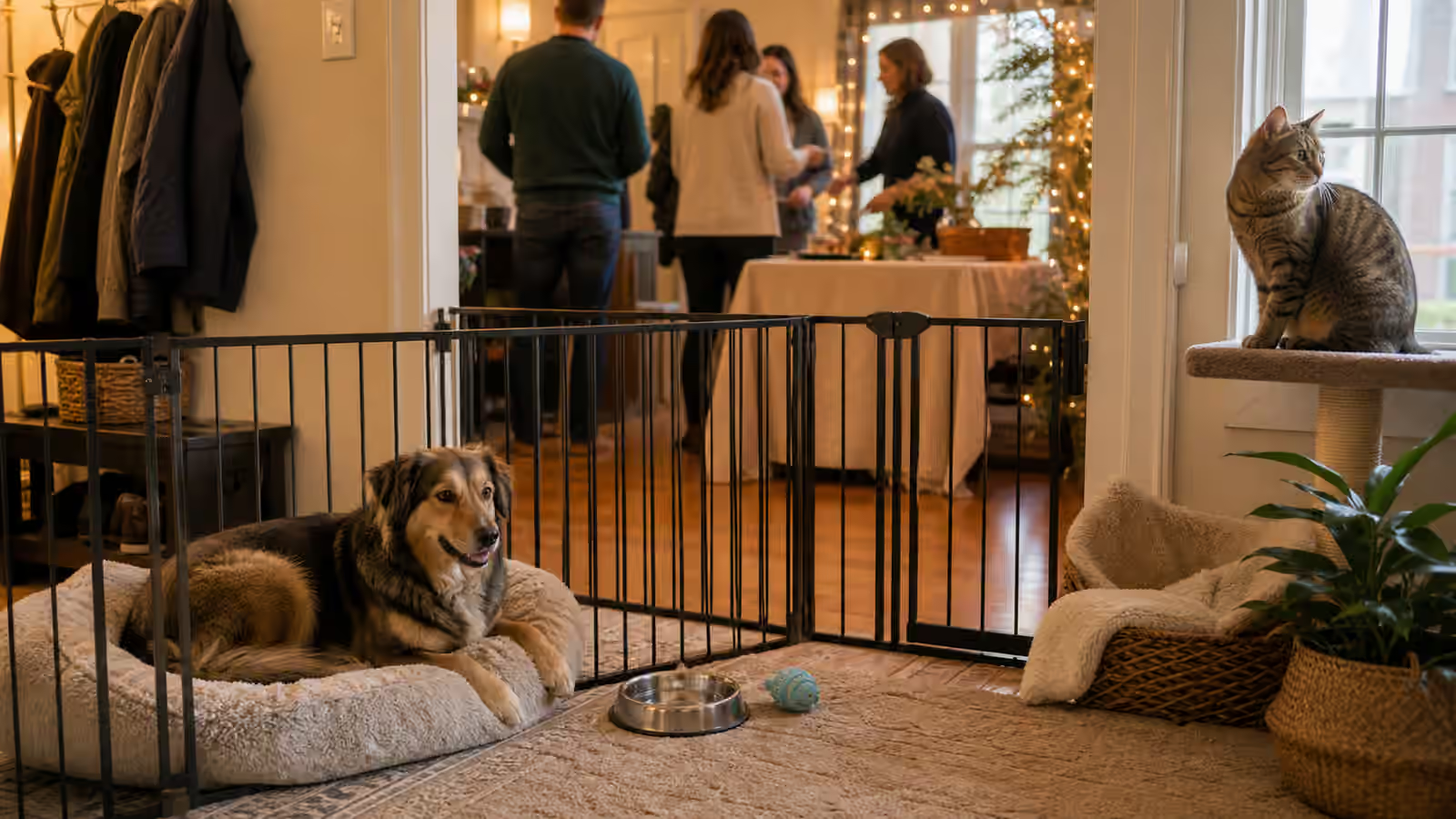
Pet care guides work best when they honor the real household. For When to Call a Vet, Trainer, or Groomer, the question is not only what would be ideal in a quiet diagram. It is what a person can repeat while doors open, meals happen, guests arrive, weather changes, and the animal has its own preferences.
Start by watching the pattern before changing the setup. Where does the pet hesitate, rush, hide, scratch, chew, bark, spill, or settle? Which part of the day makes the issue worse? A good observation names the place, trigger, and response instead of turning the animal into a problem to fix.
Then make one environmental change. Move the bowl, add a mat, create a calmer resting spot, adjust the walk routine, protect a threshold, or simplify the storage. Small changes are easier to maintain and easier for the pet to understand.
Keep safety and welfare boundaries visible. If the issue involves injury, ingestion, aggression, severe anxiety, poisoning, heat stress, or sudden behavior change, bring in the appropriate professional. Home setup can support care, but it should not pretend to replace medical or behavioral expertise.
When to Call a Vet, Trainer, or Groomer should leave the household feeling more legible. The best pet spaces are not showrooms. They are routines the animal can trust and humans can keep.