Water is one of the quietest parts of pet care until the setup fails. A bowl gets kicked under a cabinet, a cat avoids a corner that feels crowded, a dog drinks heavily after a walk and leaves a puddle in the traffic lane, or nobody notices that the bowl is nearly empty because it sits behind a door. Good water routines are not decorative. They make drinking easy for the pet and easy for the household to monitor without turning every refill into a project.
Water placement belongs beside the broader feeding conversation in Feeding Stations and Mealtime Routines for Pets , but it deserves its own attention because drinking happens between meals, after activity, overnight, during weather changes, and while people are distracted. A food bowl can disappear between meals. A water station has to live in the room all day without being in the way.
Put water where the pet can approach calmly
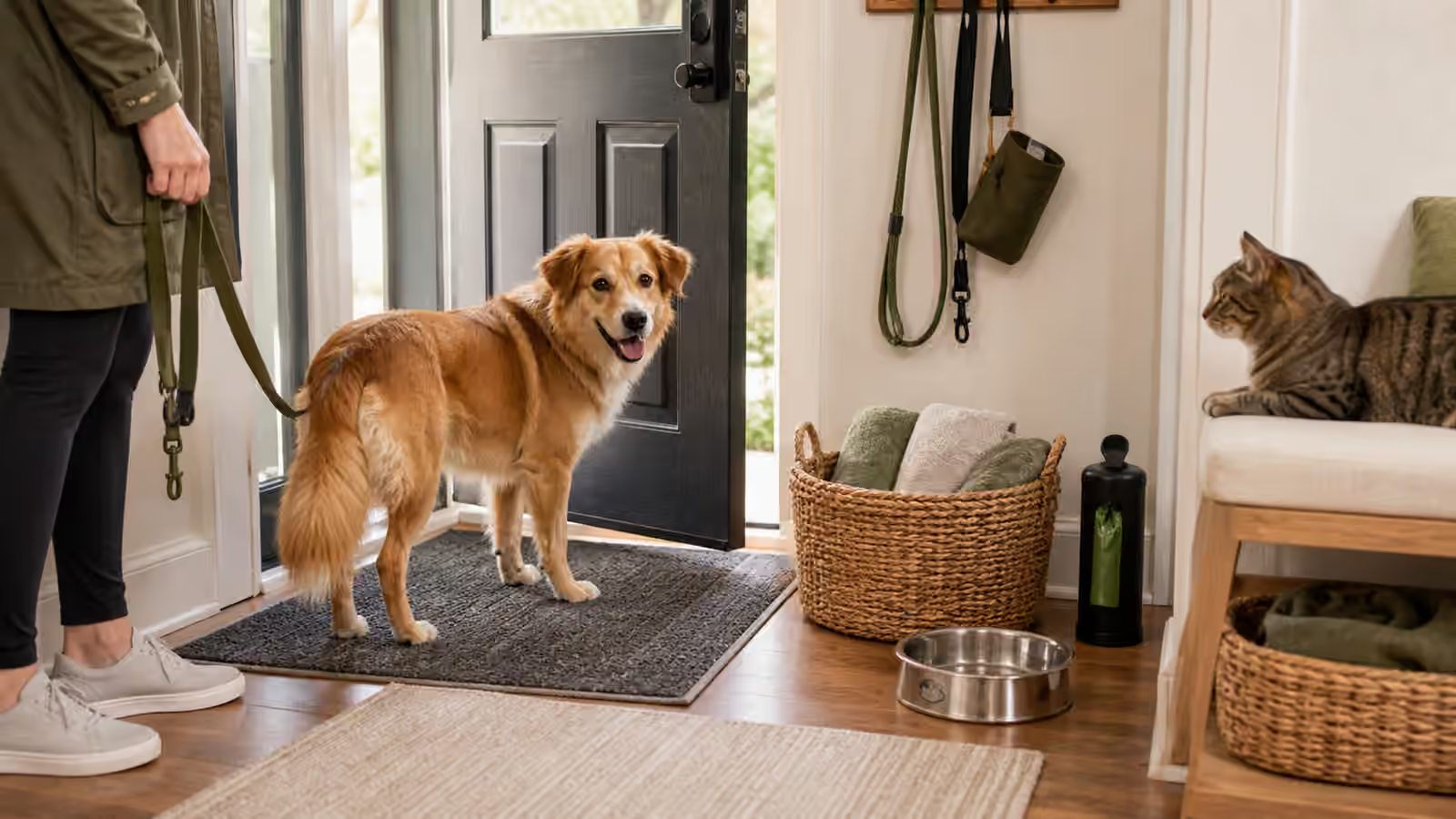
A useful water station starts with the route to the bowl. A dog should not have to squeeze between chair legs, step onto a slippery mat, or drink where people regularly swing open a door. A cat should not have to drink beside a litter box, beside a loud appliance, or in a corner where another pet can block the exit. The bowl can be simple, but the approach should feel ordinary.
Watch how the animal moves toward water when nobody is prompting them. Some dogs drink on the way in from outdoors, then return to a bed. Some cats prefer a quieter edge of the room and may drink more confidently when the bowl is not pressed against food. Some senior pets need a shorter route, better traction, or a station on the same level where they spend most of the day. The senior setup ideas in Senior Pet Home Setup for Dogs and Cats apply here because comfort changes ordinary habits before people always notice.
The best spot is usually boring. It is visible enough that people notice the water level, protected enough that the pet is not crowded, and close enough to a sink or pitcher that refills actually happen. If the bowl sits in a beautiful corner nobody checks, the setup is working for the room rather than for the animal.
Give multi-pet homes more than one answer
One shared bowl can look efficient and still create small conflicts. A dog may hover after drinking. A cat may wait until the dog leaves. A younger animal may splash or crowd a senior animal. Even when there is no growling, blocking, or chasing, the less confident pet may change their drinking pattern because the station feels socially expensive.
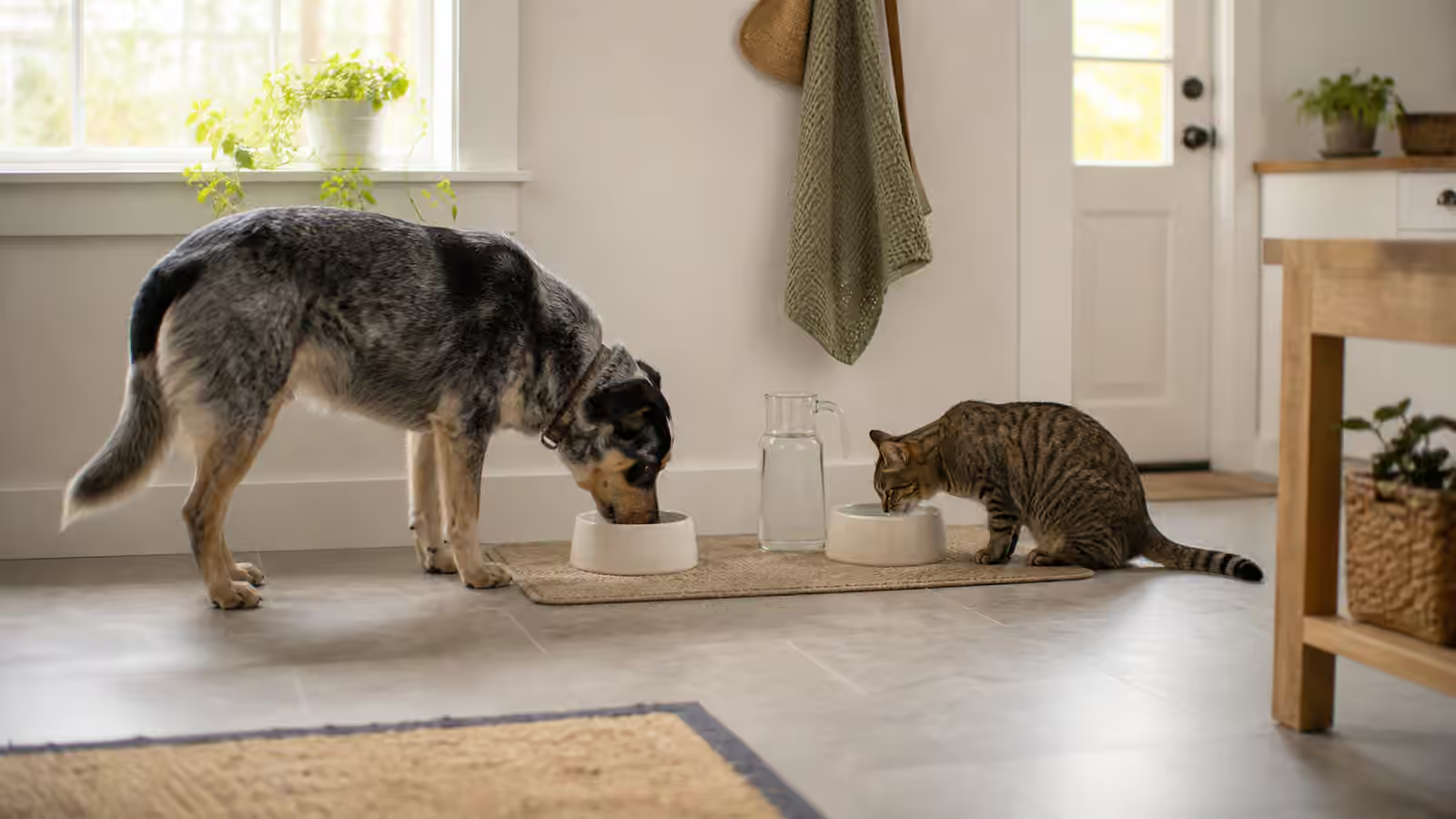
In homes with more than one pet, add distance before adding drama. A second bowl in a quiet room can be enough. A cat may need a raised or protected station where the dog cannot loom over it. A dog recovering from exercise may need a larger bowl near an entry while the cat keeps a separate bowl near the home base. Resource Zones for Multi-Pet Homes uses the same principle for food, beds, toys, and litter: important resources should not require negotiation every time they are used.
Separate stations also make patterns easier to read. If one bowl empties quickly and another stays full, that tells you something about routes, preferences, and household traffic. It may also help you notice a change sooner, which is useful information to share with a veterinarian when health questions arise.
Make the floor part of the routine
Water is a floor problem as much as a bowl problem. Some pets drip from their mouths. Some push bowls with their noses. Some cats paw at the surface. Some dogs drink fast after walks and leave trails across tile. A washable mat can protect the floor, but it should not become a damp rug nobody checks. Lift it, dry underneath it, and choose a surface the household can clean without resentment.
Avoid placing water where people are forced to step over the pet. A hallway bowl may seem convenient until it becomes a daily collision point. A kitchen bowl beside the refrigerator may work for a small dog and fail for a large dog whose body blocks a cabinet. In apartments, where every square foot is doing several jobs, the ideas in Apartment Pet Setup for Dogs and Cats can help you keep water available without turning the main path into a spill zone.
Cleaning rhythm matters more than the bowl material in most homes. A bowl that is easy to wash will be washed more often. A fountain that looks appealing but is annoying to take apart may be neglected. If a device adds filters, cords, moving parts, or hidden surfaces, it also adds maintenance. Use it only if the household will clean it as part of the actual week, not the imagined week.
Tie water to the day without policing every sip
A routine does not mean hovering over the bowl. It means refills are connected to habits people already have. Check the bowl when breakfast is prepared, when the dog comes back from the first outing, when litter is scooped, when dinner happens, and before bedtime. If a sitter or roommate helps, write the water location into the handoff instead of assuming everyone will notice. Pet Sitter Handoff Without Confusion is useful because water is exactly the kind of basic detail that disappears under pressure.
Weather and activity change the practical setup. A dog may need water after a calm sniff walk, after a rainy towel-off, or after warm-weather outdoor time. Hot and Cold Weather Pet Routines at Home covers the larger seasonal picture, but the water version is simple: make it easy to drink after the parts of the day that use the body. For cats, warm rooms, sun spots, and high perches may change where drinking feels convenient. Do not make the cat cross the whole home for the one bowl that people prefer.
Overnight water is a judgment call shaped by the pet, the age, the bathroom routine, and veterinary guidance. Do not remove water as a shortcut for a training problem without understanding the risk. If a puppy, senior pet, or animal with a medical history has complicated needs, the veterinarian should be part of the plan. From a home-setup perspective, the safer starting point is a stable station and better bathroom rhythm, not guessing at restriction.
Notice change without pretending to diagnose it
A clear water station gives you a baseline. You know which bowl was filled, which pet uses which route, how wet the mat normally gets, and how often people refill. That does not make you a clinician, but it does make your observations more useful. A sudden empty bowl, repeated refusal to drink, unusual guarding around water, difficulty reaching the bowl, or a change paired with bathroom problems deserves attention.
The ordinary home response is to remove obvious friction. Clean the bowl, refresh the water, move it away from traffic, add a second station, improve traction, or separate pets who crowd each other. If the pattern continues or comes with other changes, use When to Call a Vet, Trainer, or Groomer to choose the safer lane.
Water routines are not impressive in photographs. They are impressive when they keep working on a tired week. A good station is visible, reachable, washable, and calm enough that the pet uses it without a negotiation. That small piece of the home supports meals, sleep, walks, litter habits, senior comfort, sitter handoffs, and daily observation. It earns more attention than it usually gets.