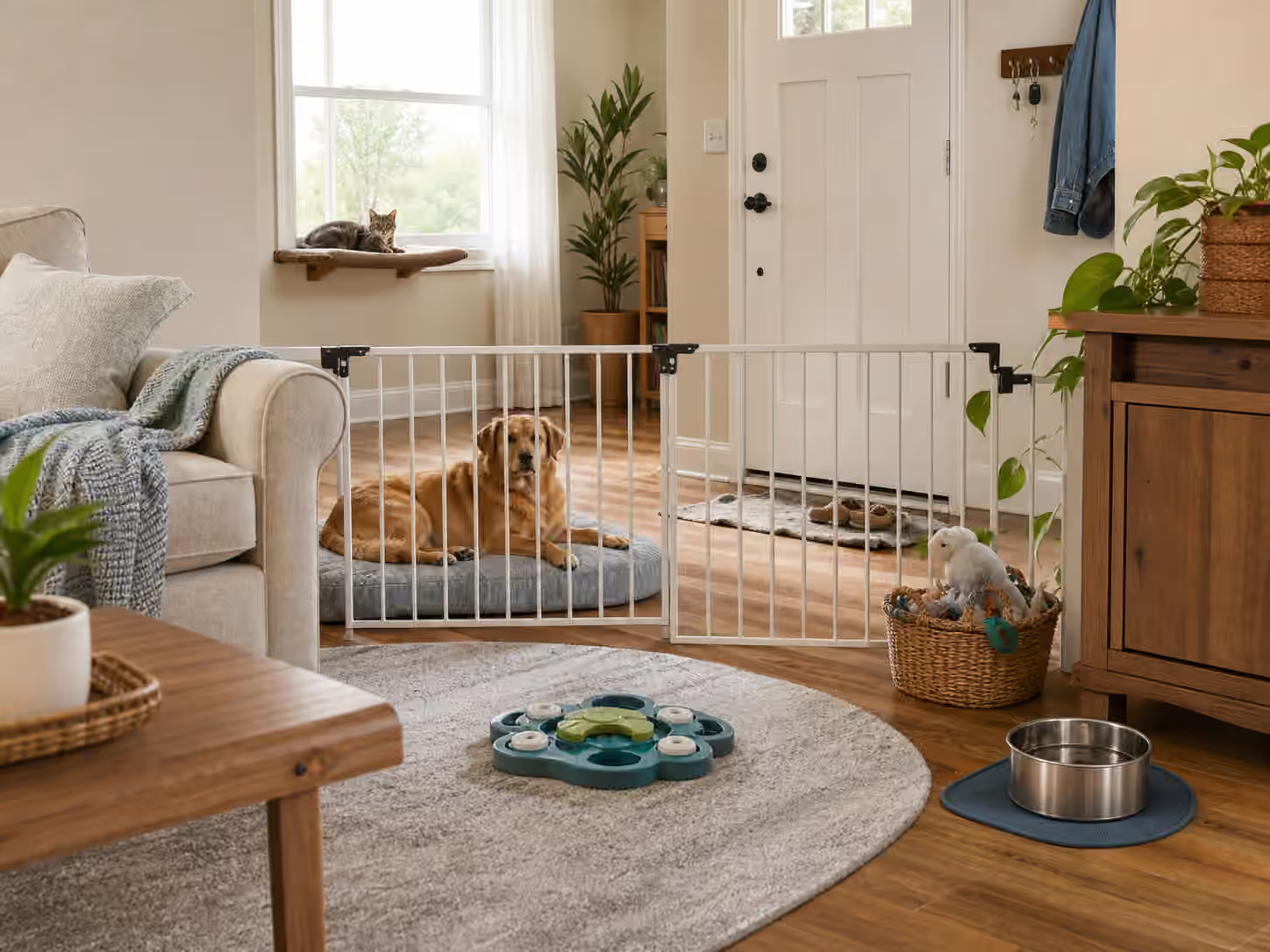
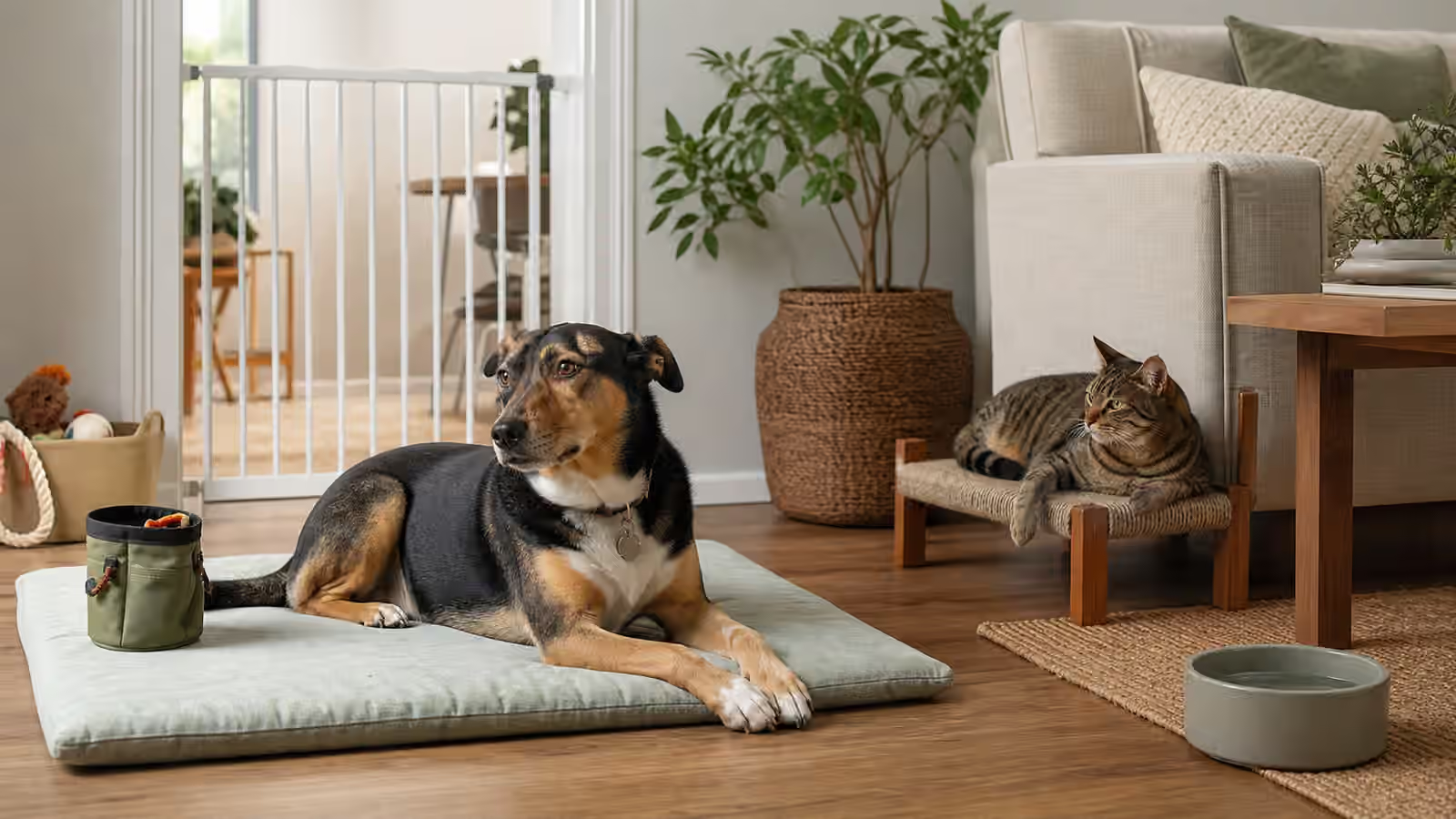
The doorway is one of the hardest places in a pet home. It compresses sound, movement, surprise, outside smells, human excitement, and social pressure into a few seconds. A dog who can settle beautifully in the living room may leap, bark, mouth, or crowd at the door. A cat who seems confident during quiet evenings may vanish when guests arrive, or may slip toward the hallway while everyone is distracted.
Visitor routines work best when the household separates two events that people often mash together: opening the door and greeting the guest. Those do not have to happen in the same place or at the same time. A pet can be behind a gate, in a home base, on a bed, or in another room while the human answers the door. Greetings can happen later, with more distance and less pressure, if they happen at all.
Treat the door as a transition, not a greeting stage
Most door chaos gets worse because people keep rehearsing it. The bell rings, the dog races forward, someone yells, the door cracks open, the guest talks excitedly, and the pet’s adrenaline spikes. Even if no one intended to reward the behavior, the whole sequence becomes interesting.
Change the physical setup first. A gate set back from the door can create enough space for the person to enter without stepping over a pet. A leash can be clipped before the door opens if the dog is comfortable and the handler can keep the leash loose. A cat-safe room can stay ready during busy arrival windows. The entry storage from Apartment Pet Setup for Dogs and Cats helps here even in larger homes, because the gear needs to be available before the visitor is already knocking.
Do not ask the pet to solve the most difficult version of the problem. If the dog cannot stay calm when a familiar family member enters, the dog is not ready to practice with a delivery person, a child carrying balloons, or a guest who loves dogs and ignores instructions. If the cat hides every time the door opens, start by giving the cat a predictable place to retreat rather than trying to turn the arrival into a social lesson.
Build a waiting zone with a real purpose
A waiting zone is not a punishment corner. It is a place where the pet can be part of the household without controlling the doorway. For a dog, that might be a bed behind a gate, a mat a few steps from the entry, or a room where the dog can chew safely while people arrive. For a cat, it might be a bedroom, office, tall perch, or home base with litter, water, scratching, and hiding.
The zone has to be prepared before visitors arrive. If the household only throws the dog behind a door after barking starts, the zone will feel like banishment. If the cat’s safe room has no litter or hiding option, it is not safe for more than a short interruption. This is the same logic as Pawstead for Beginners : resources and boundaries teach better when they are already in place.
Practice the zone on ordinary days. Send the dog to the bed for a treat while someone opens and closes the door without a guest. Let the cat explore the visitor room when no one is visiting. Walk through the entry routine before a real social event. Rehearsal should feel almost boring. That is how the pet learns the pattern without being flooded by the full performance.
Give guests a smaller job
Guests often make pet greetings harder because they want to be kind. They lean over, speak in high excited voices, reach for the head, pat their thighs, or insist that all pets love them. A visitor routine should give guests a smaller job that is easy to follow. The most useful instruction is often to ignore the pet at first.
Ignoring is not cold. It removes pressure. A dog behind a gate can sniff the air and observe without having a stranger’s hand in their face. A cat can watch from height without being called out of hiding. A nervous pet can learn that new people do not always create a confrontation. A social pet can learn that calm behavior makes access more likely than frantic behavior.
If greetings happen, keep them short and easy to end. The dog can approach with space to leave. The guest can pet briefly, then pause. If the dog turns away, jumps, mouths, freezes, ducks, or becomes frantic, the greeting is over for now. Cats should never be dragged out, passed around, or trapped on a lap to prove sociability. A cat who chooses to investigate is giving better information than a cat who was forced into the room.
Protect cats from doorway drift
Visitors create escape risk for cats because humans stop watching the threshold. Coats, bags, children, food, and conversation all compete for attention. A cat who has never cared about the door may test it on the day the door stays open too long.
Before guests arrive, decide where the cat will be. Some cats do well with access to high perches and an open path away from the entry. Others should start in a prepared room until the arrival rush is over. The room should have real resources, not just a closed door. New Cat Setup: Litter, Scratching, Hiding, and Play is relevant even for cats who are not new, because the home base idea works whenever the household gets busy.
If the home includes dogs and cats, protect both species from improvisation. A dog excited by visitors may redirect that energy toward a nearby cat. A cat fleeing through the room may trigger chasing from a dog who normally leaves the cat alone. Barriers, distance, and timing from Dog and Cat Introductions at Home still apply when the trigger is a guest rather than a first meeting.
Practice arrivals without making the pet perform
Doorway training can become too theatrical. People ring the bell ten times, command the dog repeatedly, and act surprised when the dog gets more excited with each repetition. Better practice is smaller. One person steps outside, knocks lightly, enters calmly, and resets. The dog is paid for noticing without charging. The cat is allowed to stay hidden without being coaxed out. The session ends before the pet is over threshold.
Distance is a training tool. If the dog cannot think two feet from the door, practice twelve feet away behind a gate. If the cat will not eat treats near visitors, move the visitor farther away or skip food and protect the cat’s exit route. Food is useful only when the pet can take it calmly. A treat pushed into a pet’s face during panic is not training. It is just another thing happening.
Use real-life versions too. Delivery windows, repair visits, school pickup, and dinner guests all need slightly different setups. A repair person carrying tools should not be treated like a friendly neighbor who wants to meet the dog. A child guest may need more structure than an adult who can follow instructions. The routine should flex without losing its core: door first, pet protected, greeting optional.
Keep the exit calm too
Departures can be just as exciting as arrivals. People stand, hug, gather bags, open the door, and call goodbye while the pet surges forward again. If the household relaxes all management at the end, the pet learns that exits are another chance to rush the threshold.
Return the pet to the waiting zone before guests leave. Clip the leash if needed. Give the cat access to a quiet path or close the safe room until the door is shut. Wait until the guest is gone before releasing the pet back into the main space. This is especially important in apartments, where an open door may lead directly to a hallway with elevators, stairs, or other animals.
Good visitor routines are less about impressive obedience and more about removing pressure from the worst seconds of the visit. A pet who is protected from chaotic arrivals gets more chances to learn that guests are ordinary. A household that controls the doorway controls one of the highest-risk places in the home. The goal is not for every pet to love every visitor. The goal is for visitors to stop turning the entry into a test.