A veterinary visit begins long before the appointment time. It begins when the carrier comes out of a closet, when the leash is clipped on with a different kind of urgency, when the household rushes through the door, and when a pet learns that ordinary handling suddenly has higher stakes. Home preparation cannot make every visit easy, and it should never replace medical care, but it can remove a lot of avoidable confusion.
The goal is not to trick the pet. The goal is to make the pieces of the visit familiar enough that the clinic is not the first place the animal sees a carrier, stands on a mat, has paws touched, or waits near unfamiliar sounds. A calm home routine also helps the humans notice what is normal for the pet, which matters when something changes.
Keep the carrier in normal life
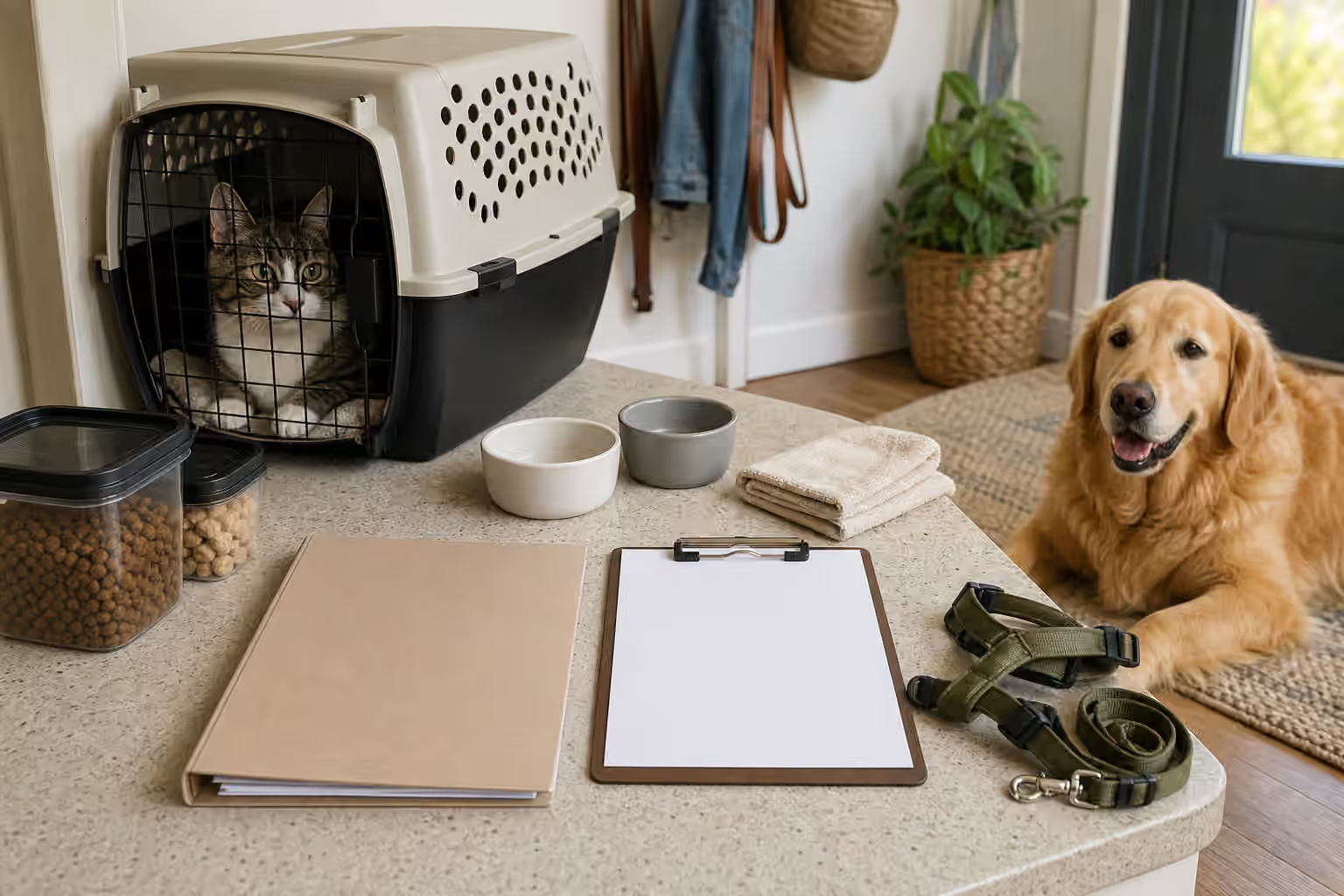
Many cats and small dogs know exactly what a hidden carrier means. It appears, the room changes, a chase begins, and the pet is transported to a place full of smells and handling. That history is hard to undo in one morning. Leave the carrier out as furniture for ordinary days when you can. Put a washable towel inside. Drop treats near it. Feed a small portion of a meal beside it. For some cats, the first success is simply walking past the open door without suspicion.
The carrier should not become a trap. If the only time the door closes is the day of the appointment, the pet has little reason to trust it. Practice tiny closures when nothing else happens. Close the door for one second, open it, and reward. Later, lift the carrier an inch and set it down. Later still, carry it a few steps through the house. The pace depends on the animal, not on the calendar.
This overlaps with the carrier work in Traveling With Pets , but a vet visit has a different emotional texture. Travel preparation can be about comfort over distance. Vet preparation also includes waiting, handling, being observed, and recovering afterward.
Give the pet a station cue
A small mat can become a useful bridge between home and clinic. At home, teach the pet that the mat predicts easy rewards and calm pauses. The dog steps onto the mat, gets a treat, and steps off. The cat sniffs the mat, gets food, and leaves. There is no need to turn it into a formal performance. The value is that the mat becomes a familiar island in unfamiliar places.
Mat work also helps with household handling. If brushing, paw checks, harness fitting, and carrier loading all happen in different moods, the pet has to read the room each time. A mat gives the routine a visible start. The cooperative handling ideas in Cooperative Grooming and Handling at Home fit here because veterinary exams often include touch that feels unusual to the pet. Home practice should stay gentle. Touch an ear, reward, and release. Touch a paw, reward, and release. Look at a collar area or harness edge, reward, and stop before the pet needs to object.
Do not pin, pry, or rehearse painful handling. A pet who growls, freezes, snaps, hides, or panics is not being stubborn. They are giving information. Slow the routine down and involve a qualified professional if the job is unsafe.
Make departure boring
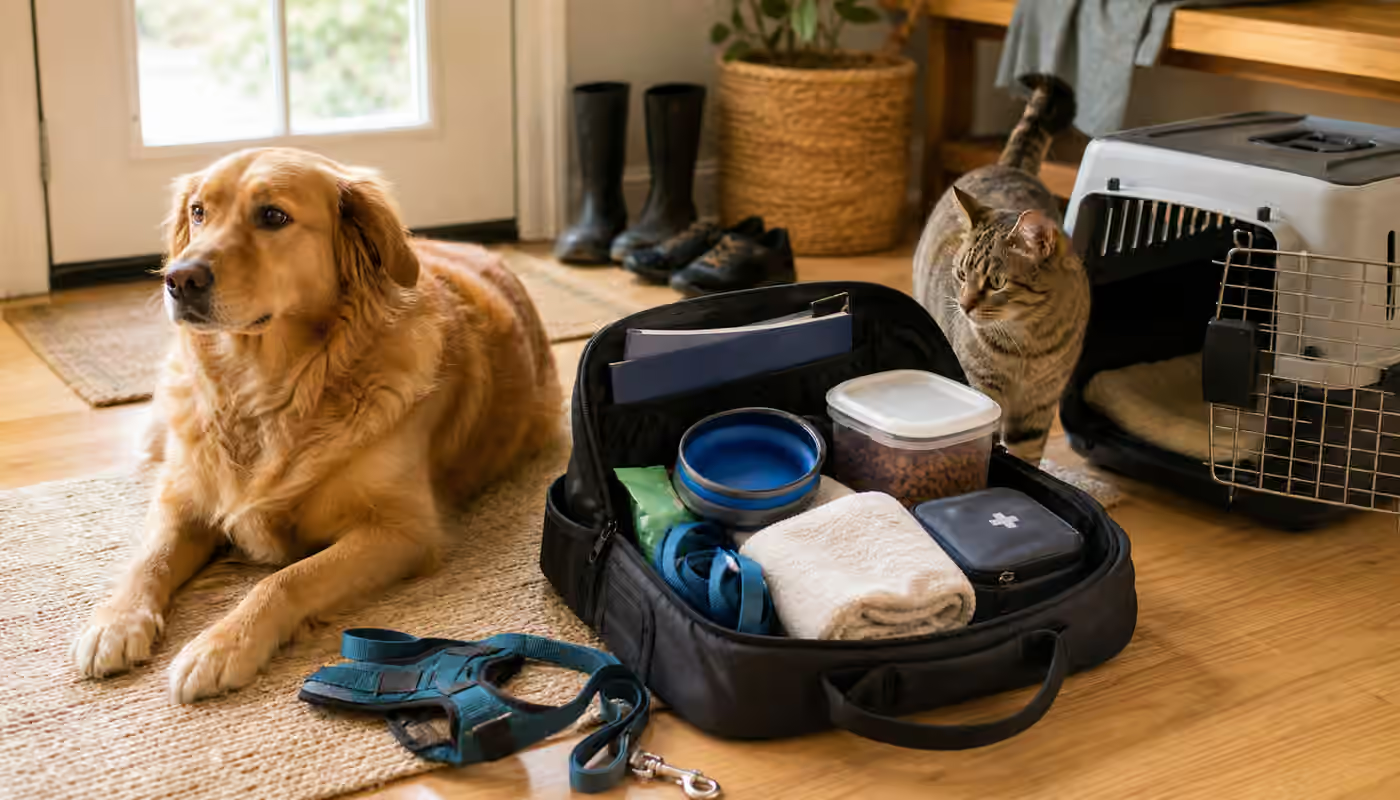
Appointment mornings often become loud because people are trying to do too much at once. The leash is missing. The records are on a counter. The carrier towel needs replacing. The pet has picked up the household’s urgency. A better routine starts the night before when possible. Put the carrier, leash, treats, waste bags, towel, and records in one place. Keep the route to the door clear. Decide who is driving, who is carrying, and who is staying home.
For dogs, a short calm bathroom break before leaving can help, but avoid turning it into a high-energy walk right before a stressful appointment. For cats, close off hiding places that are impossible to access only if you can do it calmly and early. If you wait until the carrier is visible, the whole room can become part of the chase. The setup work from Pet-Proofing Rooms Before Giving More Freedom applies here too: the environment should help you succeed instead of forcing a last-minute pursuit under furniture.
Use rewards generously, but do not rely on food as a magic switch. Some pets will not eat when worried. That is still useful information. Soft praise, space, familiar bedding, and a predictable sequence may matter more than treats in that moment.
Bring information, not clutter
The best appointment handoff is clear and short. A veterinarian does not need a dramatic story if a few specific observations would be more useful. Keep a simple record of food, appetite, bathroom habits, medications if any, recent behavior changes, travel tolerance, and the question that made you schedule the visit. If the clinic asked for a sample, photo, or previous record, prepare it before the pet is loaded.
This is also a household communication issue. The person who sees the pet every morning may not be the person who attends the appointment. If the sitter, partner, roommate, or family member has noticed a pattern, write it down. The same habit helps with Pet Sitter Handoff Without Confusion : specific routines beat memory under pressure.
Keep the bag practical. A familiar towel, a few treats, waste bags, and any requested paperwork are usually more useful than a pile of gear. For cats and small pets, an absorbent liner can make the return trip easier if there is an accident. For dogs, bring equipment that fits well and that the pet already understands. A new harness on appointment day adds another variable.
Practice waiting without crowding
Some pets struggle less with the exam than with the waiting. The lobby, parking area, hallway, and scale can all be difficult. At home, practice short neutral pauses near doors, mats, and carriers. A dog can stand near the entry while nothing exciting happens. A cat can spend a minute in a carrier near ordinary household sound and then return to normal life. These rehearsals teach the pet that waiting is not always a warning.
On the day itself, use distance when possible. Do not let other animals approach your pet as a greeting exercise. Keep carriers covered lightly if that helps the animal settle and if airflow remains good. Stand away from crowded doors. If your pet is reactive, fearful, or easily overwhelmed, ask the clinic about waiting in the car or entering through a quieter route when appropriate. Clinics vary in what they can offer, so frame the request as practical information rather than a demand.
Reading body language matters here. A pet who is panting, tucked, scanning, trembling, turning away, lip licking, or refusing food may need more space. Reading Pet Body Language at Home is useful because the same signals show up before the appointment too.
Plan the return home
The visit is not over at the clinic door. Cats may smell different after a visit, which can matter in multi-cat homes. Dogs may be tired, sensitive, or wound up. Give the returning pet a quiet landing zone with water, bathroom access or litter access, and a chance to rest. Do not invite children, visitors, or other pets to crowd the animal immediately.
If another pet in the home reacts strangely to the returning animal, slow the reunion. Use gates, separate rooms, and calm scent exchange instead of assuming everyone should recognize each other instantly. The same principles from Dog and Cat Introductions at Home apply at a smaller scale: distance and time are kinder than forced closeness.
Make a note afterward. Did the carrier load go better than last time? Did the pet recover quickly once home? Did the car ride cause more distress than the waiting room? These observations help you choose the next practice target. They also help you decide when ordinary preparation is not enough.
Know when home prep is not the answer
Some pets need medication plans, behavior plans, muzzle training, specialized handling, or clinic-specific accommodations. Those decisions belong with veterinarians and qualified behavior professionals. Home preparation is still useful, but it is not a promise that fear, pain, or aggression can be solved with a mat and treats.
If your pet cannot be safely handled, cannot be transported without panic, has injured someone, or seems painful, start with When to Call a Vet, Trainer, or Groomer . A calmer vet routine is built from honest information. The more clearly you can separate normal practice from real distress, the better you can protect the pet, the household, and the people trying to help.