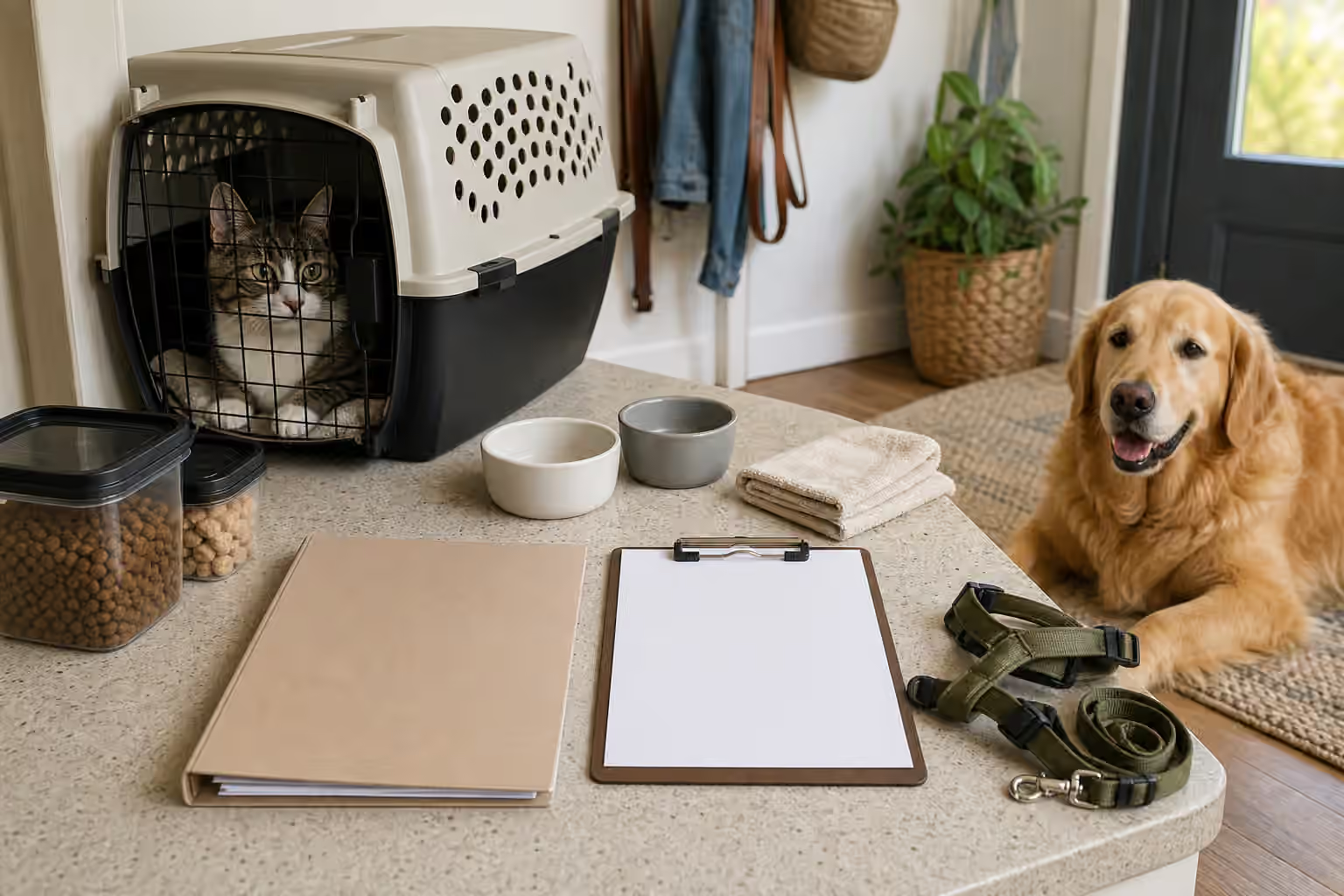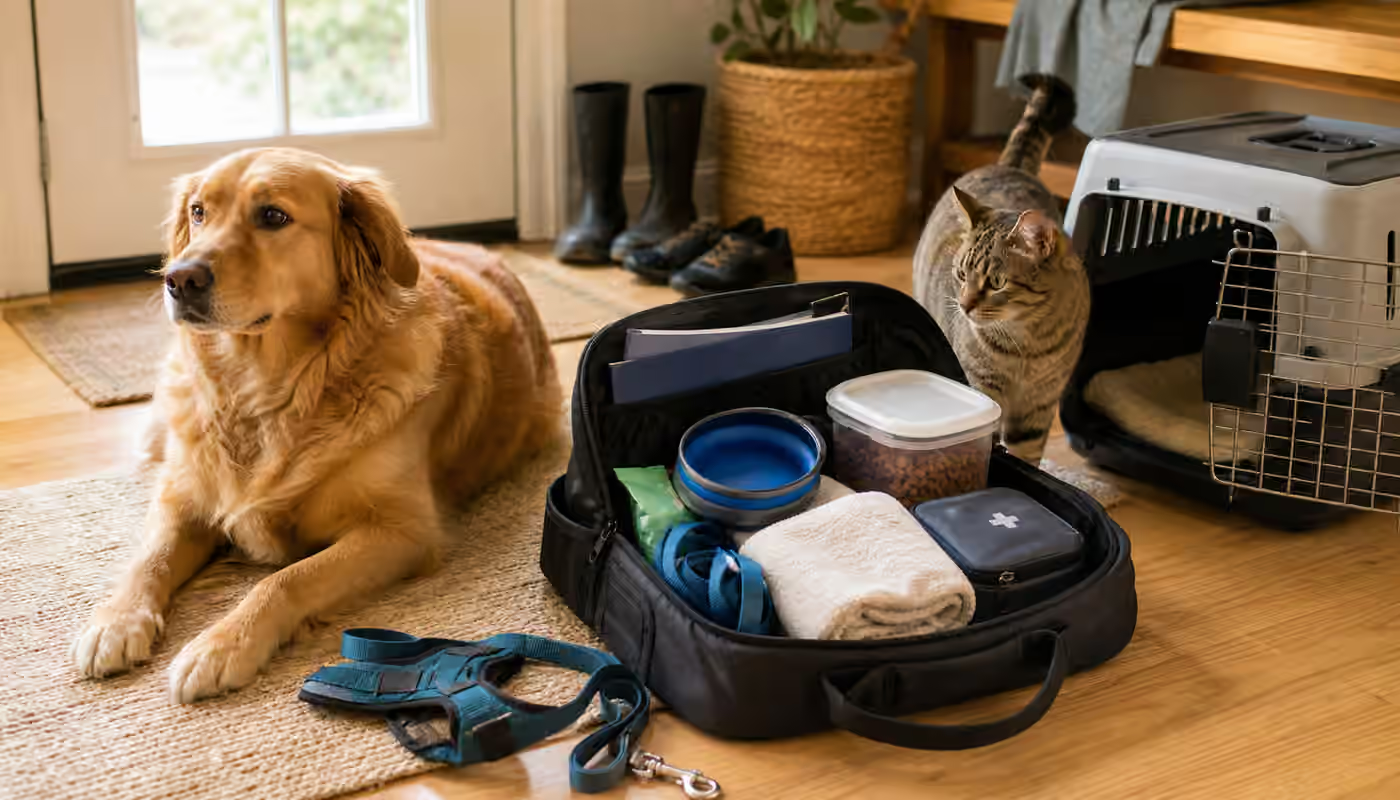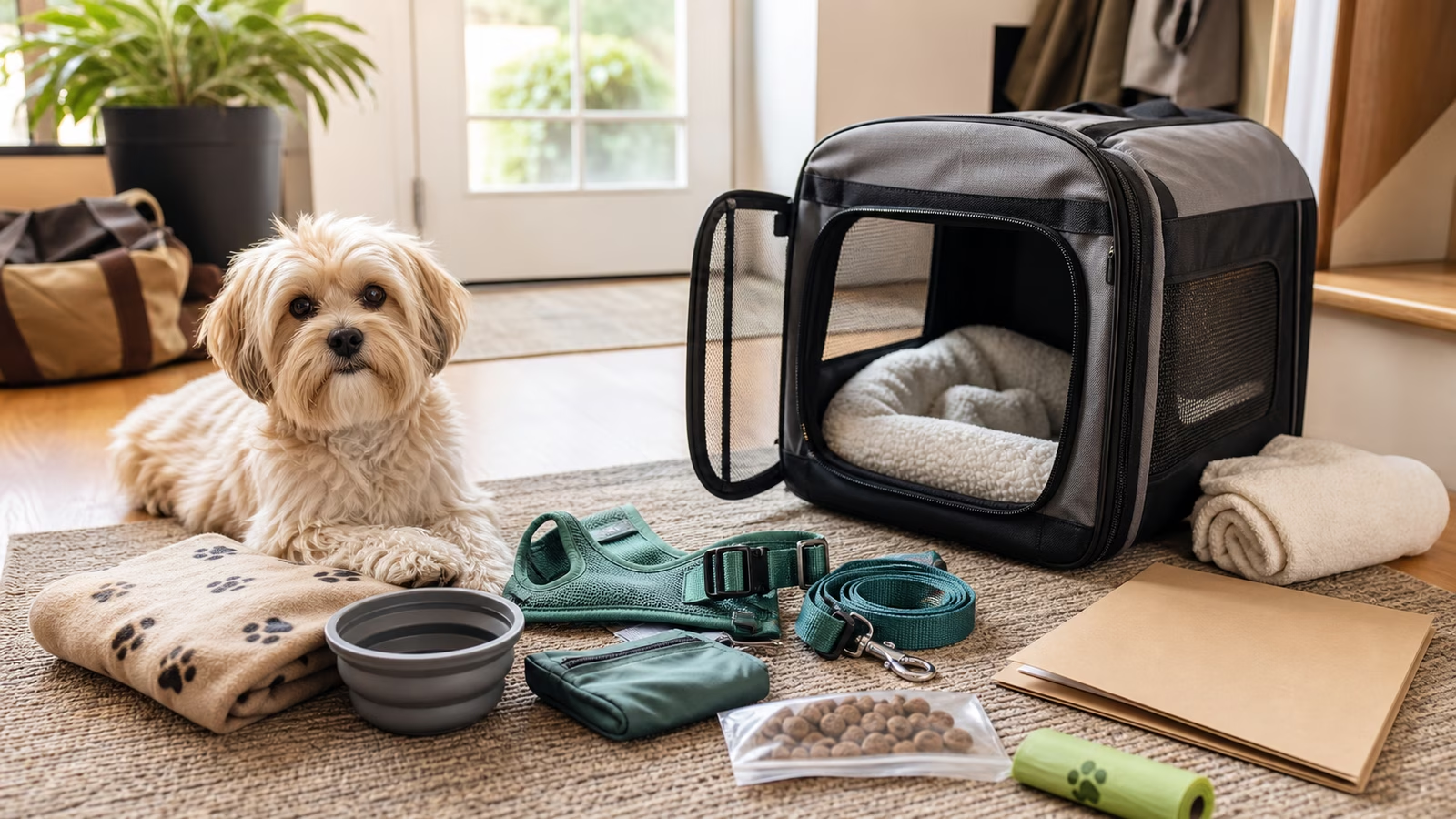
Travel gets easier when the carrier, car, and packing routine are familiar before the trip. Do not wait for a vet visit, move, or vacation to introduce the gear.
Carrier practice
Leave the carrier out with the door open. Put a soft mat, treats, or part of a meal nearby, then inside. Let the pet investigate without being shoved in. For cats, carrier training often starts with the carrier becoming normal furniture. For small dogs, the same principle applies.
A comfortable carrier should be secure, ventilated, easy to clean, and sized so the pet can turn around. Broken zippers, weak seams, and awkward loading make stressful days worse.

Car safety
Loose pets in cars can distract the driver and become injured in sudden stops. Use an appropriate carrier, crate, or crash-tested restraint when possible. Keep pets out of the driver’s lap and away from open windows.
Do not leave pets unattended in hot or cold cars. Temperature can become dangerous quickly.
Practice in tiny steps
Start with entering the carrier, then closing the door briefly, then carrying the carrier a few feet, then sitting in the parked car, then a short drive. Each step should be easy enough that the pet can recover and try again.
Dogs who only ride to stressful places may learn that the car predicts bad news. Add short neutral trips when possible.
Packing list
Pack food, water, bowls, leash, harness or collar, waste bags, medications if prescribed by your vet, cleanup supplies, towels, bedding, a few familiar toys, and a copy of important records when needed. Cats need litter and a plan for safe containment at the destination.
Use containers that close securely. Travel chaos often starts with a loose bag of food, a missing leash, or a pet slipping out during unloading.
Breaks and destination setup
For dogs, plan safe breaks before the dog is frantic. For cats, avoid opening carriers in unsecured spaces. At the destination, create a small home base before giving access to everything.
Travel setup checklist
- Carrier, crate, harness, or restraint fits the pet and the trip.
- Records, medication instructions from the vet if applicable, food, water, bowls, leash, bags, towels, and cleaning supplies are packed together.
- Door and car transitions are practiced before travel day.
- Destination home base is planned before the pet exits the carrier or car.
- Sitter or host has emergency contacts and routine notes.
Travel decision table
| Trip situation | Setup move | Professional boundary |
|---|---|---|
| Vet visit | Practice carrier and car steps on neutral days. | Call the clinic for medical concerns or sedation questions. |
| Hotel or family visit | Set up a small room before full access. | Get help for severe fear, aggression, or escape risk. |
| Long drive | Plan breaks, containment, water, and cleanup. | Vet call for motion sickness, breathing trouble, injury, or health history. |
| Sitter handoff | Use written routines and visible supplies. | Urgent signs go to the vet or emergency clinic. |
Common beginner mistakes
- Introducing the carrier only when the pet is already stressed.
- Letting pets ride loose in the car or on the driver’s lap.
- Packing food but forgetting records, towels, leash, litter, or cleanup supplies.
- Opening a carrier in an unsecured destination room.
Buy only after you know the pet
Wait on elaborate travel systems, stroller carriers, large car platforms, and specialty bags until you know the pet’s size, loading tolerance, motion sensitivity, and trip type. Start with secure containment, washable padding, collapsible bowl, records folder, and backup leash.
When this is no longer a home setup issue
Call your vet before travel if the pet has health concerns, severe motion sickness, breathing difficulty, injury, panic, or a medical history that changes travel risk. Work with a qualified professional for intense fear or aggression around carriers, cars, strangers, or destination handling. Pair this page with Pet Sitter Handoff Without Confusion and Pet Emergency Readiness at Home .
What to do next
Do one five-minute carrier session this week even if no trip is planned. Then review Harnesses, Collars, and Leashes Explained and When to Call a Vet, Trainer, or Groomer for travel judgment calls.
Make the home easier to live in
Pet care guides work best when they honor the real household. For Traveling With Pets: Carriers, Cars, and Calm Routines, the question is not only what would be ideal in a quiet diagram. It is what a person can repeat while doors open, meals happen, guests arrive, weather changes, and the animal has its own preferences.
Start by watching the pattern before changing the setup. Where does the pet hesitate, rush, hide, scratch, chew, bark, spill, or settle? Which part of the day makes the issue worse? A good observation names the place, trigger, and response instead of turning the animal into a problem to fix.
Then make one environmental change. Move the bowl, add a mat, create a calmer resting spot, adjust the walk routine, protect a threshold, or simplify the storage. Small changes are easier to maintain and easier for the pet to understand.
Keep safety and welfare boundaries visible. If the issue involves injury, ingestion, aggression, severe anxiety, poisoning, heat stress, or sudden behavior change, bring in the appropriate professional. Home setup can support care, but it should not pretend to replace medical or behavioral expertise.
Traveling With Pets: Carriers, Cars, and Calm Routines should leave the household feeling more legible. The best pet spaces are not showrooms. They are routines the animal can trust and humans can keep.