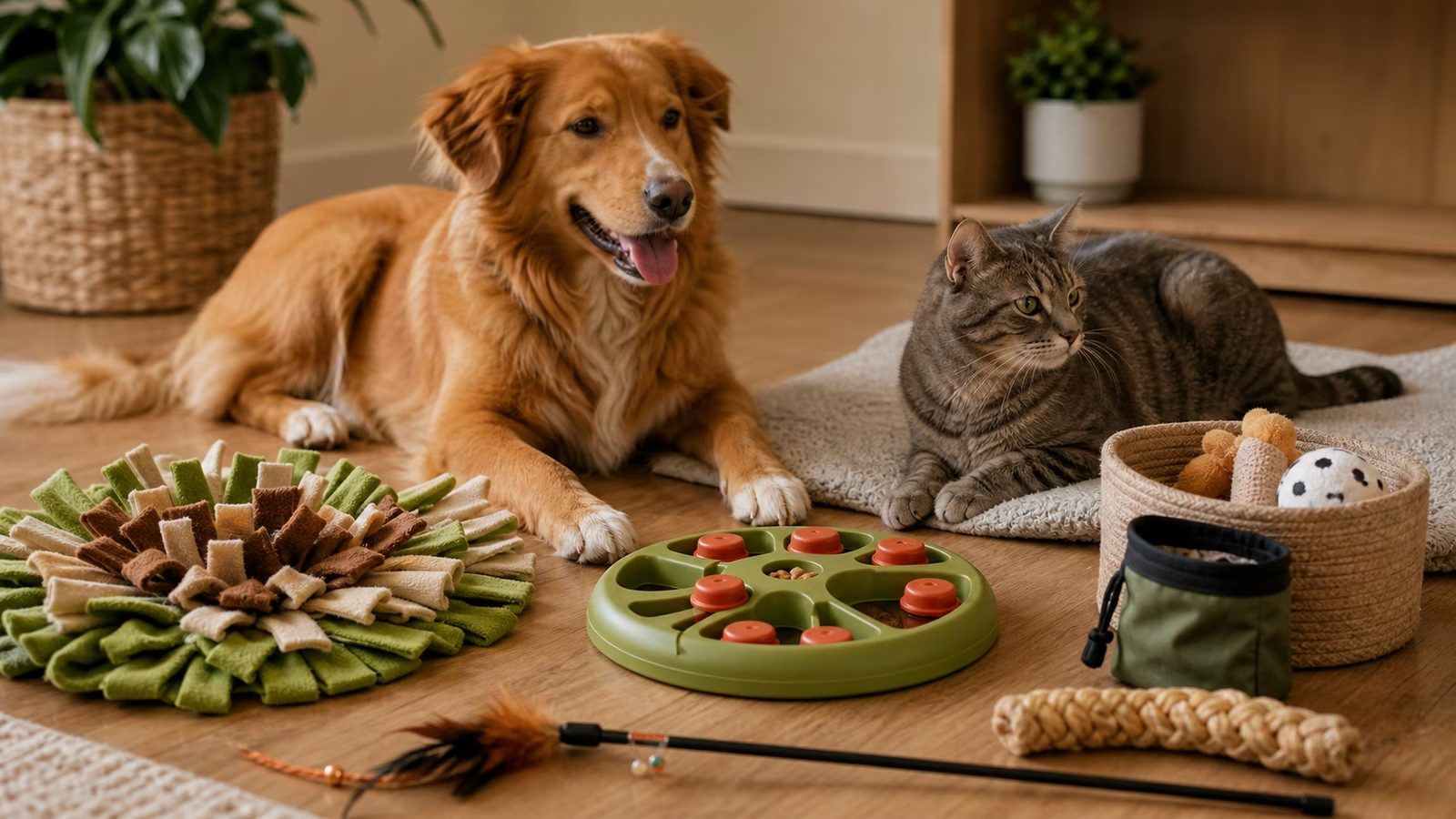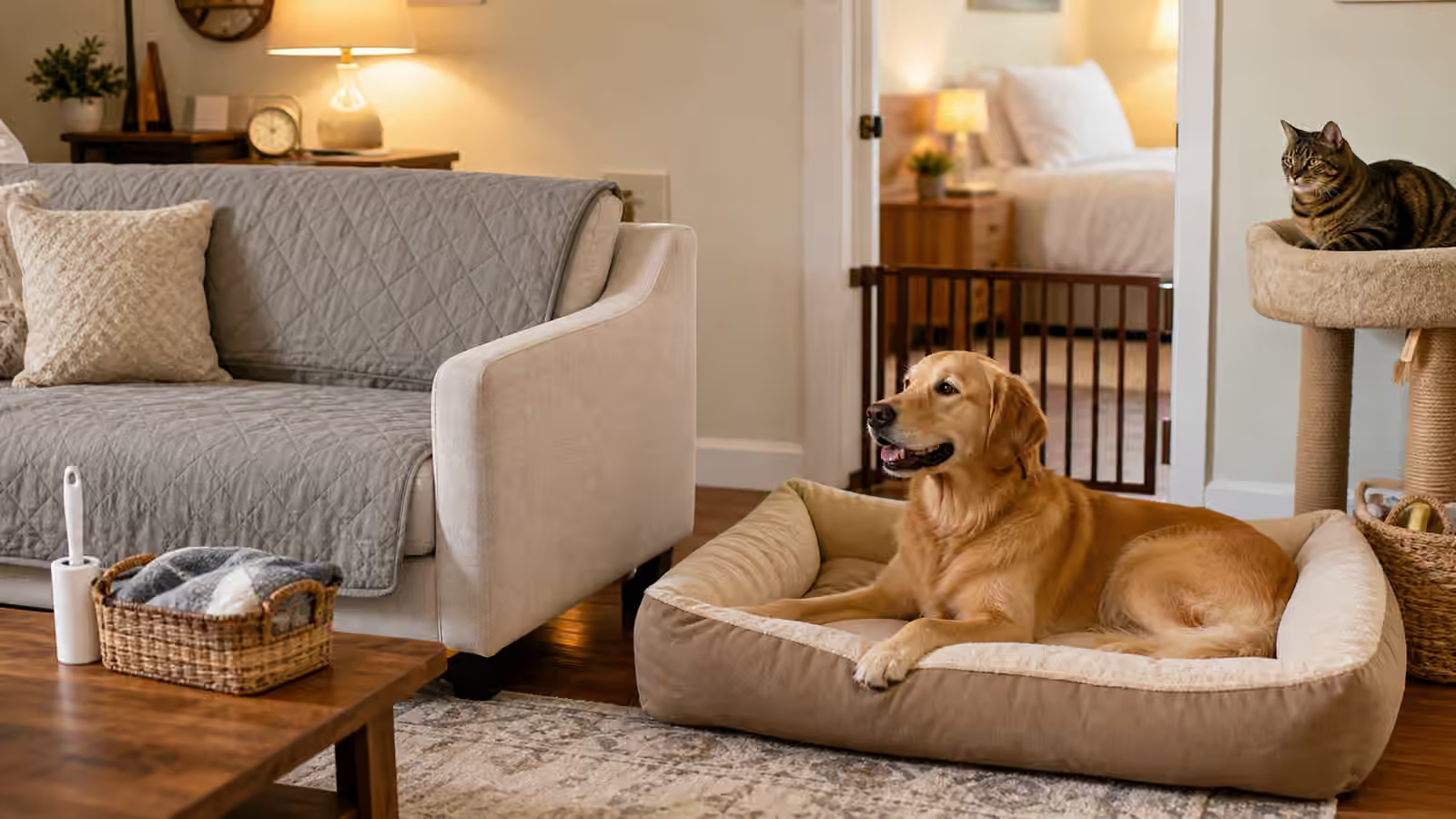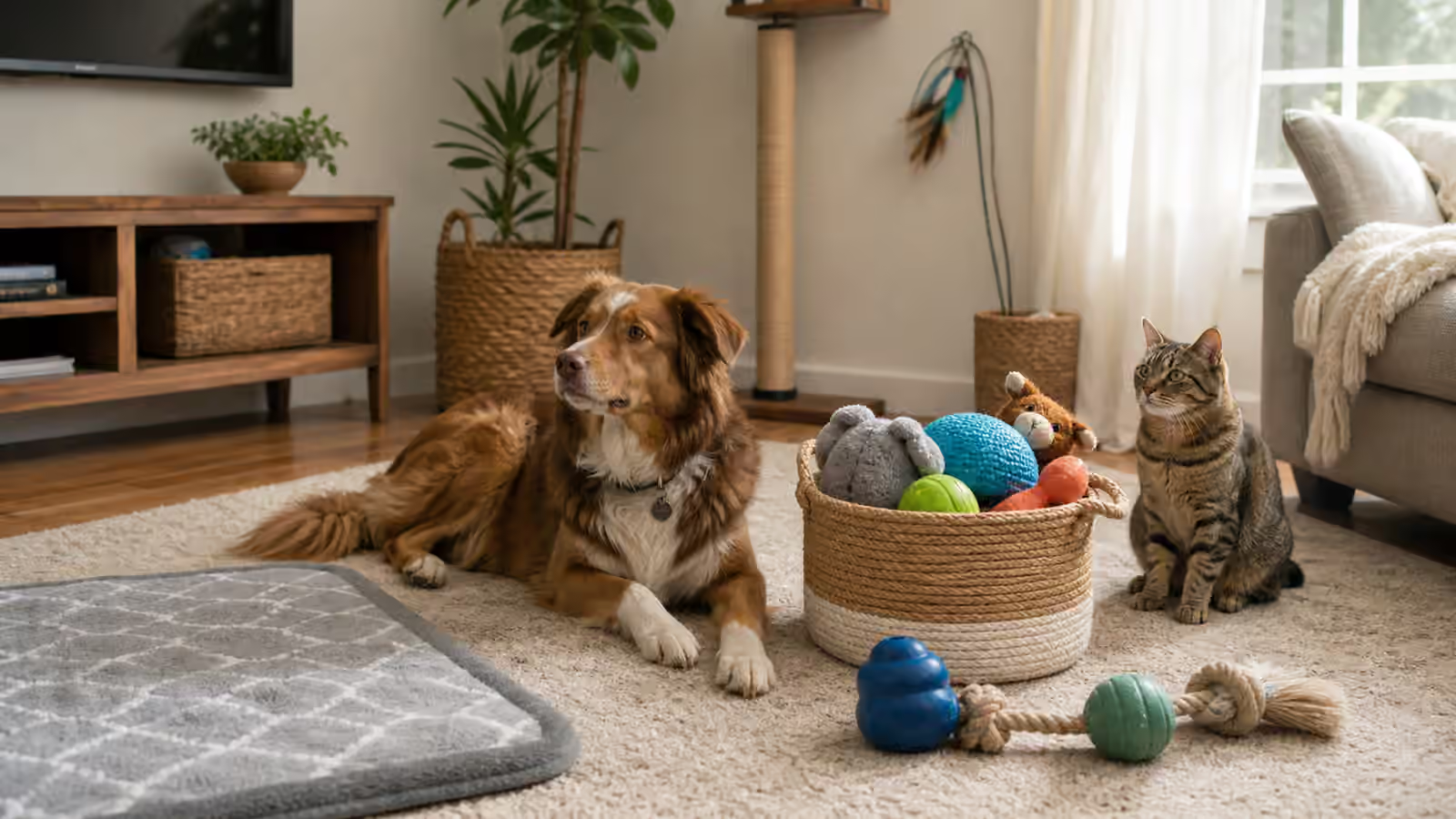
Pet toys are easy to buy and surprisingly easy to stop seeing. They become part of the floor, the sofa gap, the crate corner, the hallway, the child’s play area, the cat tree, and the basket that nobody empties. A toy that was useful when it was new can become dull, dirty, contested, or damaged. A rotation routine keeps enrichment interesting, but the safety check is what keeps the basket from becoming a junk drawer with teeth marks.
This topic sits between Pet Enrichment for Bored Dogs and Cats and Dog Chewing and Toy Rotation at Home . Enrichment asks what the toy helps the animal do. Chewing routines ask how a dog uses the mouth. Toy safety asks a plainer question: is this object still appropriate for this animal in this room under this level of supervision?
Inspect toys before the pet does the inspection
Many toy problems start because people wait for the animal to find the weak point. A seam opens. A squeaker shifts toward the surface. A rope begins to shed long strands. A cat wand cord knots around furniture. A stuffed toy loses enough filling that the dog starts treating it like a puzzle. A hard toy develops sharp edges after being chewed. The pet is not being sneaky when they explore those changes. The object has changed jobs.
Build the inspection into ordinary cleanup. When you pick up toys at night, look at seams, cords, stuffing, splinters, cracks, loose bells, exposed squeakers, unraveling rope, and pieces that are small enough for that pet to swallow. The same toy can be reasonable for one animal and wrong for another. A soft-mouthed adult dog, a determined adolescent chewer, a kitten who carries toys, and a cat who eats string are not using the same equipment in the same way.
Do not keep a damaged toy because it used to be a favorite. Favorites can be replaced, repaired only when truly safe, or turned into supervised-only items if the risk is minor and the household can actually supervise. If the toy has become a swallowing hazard, a sharp object, or a conflict trigger, sentiment should lose.
Match the toy to the behavior, not the label
Packaging categories are blunt. Dogs chew, tug, shred, carry, lick, chase, and dissect. Cats stalk, pounce, bat, bite, bunny-kick, chase, scratch, and hide objects under furniture. A toy labeled for a species may still be wrong for the individual. Watch what the pet does with it after the first novelty fades.
A dog who calmly carries a stuffed toy may not need the same gear as a dog who opens seams in minutes. A cat who loves wand play may need the wand stored after sessions because string-like parts should not become unattended floor toys. A puppy may need softer supervised chewing while adult teeth and manners develop. A senior pet may prefer easier textures and lower effort. The toy is successful when it gives the behavior a safe place to go.
Cat Play Routines That Fit Real Homes is a good companion because cat toys often fail when people leave the exciting part out all day. A wand toy is not just an object. It is a person moving it in a way that lets the cat stalk, chase, catch, and recover. When the session ends, the wand should go away if strings, feathers, or small attachments could become risky.
Rotate to renew interest, not to create scarcity
Rotation is not about making toys precious. It is about preventing the whole floor from becoming background noise. Keep a small number of appropriate toys available, then trade them out before boredom or clutter takes over. If a pet has one comfort item they use gently, it can stay. Rotation is for the surplus, the novelty, and the activities that work better when they feel fresh.
The rhythm should fit the household. Some homes can rotate every few days. Others need a weekly basket reset. The exact schedule matters less than the habit of looking before returning items to the room. Clean what needs cleaning. Remove what needs retiring. Put high-arousal toys away before bedtime if they create chaos. Keep food toys separate if crumbs, moisture, or diet details make them a different cleaning job.
Toy storage should make safe choices easy. A basket on the floor may work for durable everyday toys. Wand toys, small cat toys, treat puzzles, and items that require supervision may need a higher shelf, closed bin, or cabinet. The goal is not to hide joy. It is to prevent the pet from choosing the hardest version of the activity when nobody is paying attention.
Separate toys when relationships need space
In multi-pet homes, toys are resources. Even animals who share a sofa peacefully may feel different about a chew, feather wand, food puzzle, or squeaky toy. Watch for hovering, freezing, stealing, blocking, hard staring, sudden rushing, or one pet always giving up. Those signs mean the setup needs more distance, not a speech about sharing.
Use gates, rooms, crates already trained as calm spaces, or separate play times. A dog can chew in one area while the cat plays elsewhere. Two dogs can have identical-looking toys in different zones if one tends to police the other. A cat can bat small toys in a room where the dog does not swallow them. Resource Zones for Multi-Pet Homes applies to toys just as much as bowls and beds.
Children add another layer. Pet toys and child toys should not blur into one shared pile. A dog who chews plush objects will not understand why one stuffed animal is allowed and another is forbidden unless the environment helps. Children and Pet Boundaries at Home is useful because boundaries are clearest when adults manage the room before conflict starts.
Clean toys like household tools
Toys touch mouths, floors, yards, litter-tracking routes, mud, hair, and food residue. Cleaning does not need to become fussy, but it should be real. Washable toys should be washed often enough that smell and grime are not the default. Food toys should dry fully before being put away. Outdoor toys should not migrate unnoticed into beds if they bring in dirt or moisture.
The cleaning station in Pet Cleaning Setup for a Fresher Home can absorb this job. A small bin for washable toys, a drying spot, and a habit of checking the basket before trash day can prevent the sad archive of half-broken objects. If a toy cannot be cleaned and has become unpleasant, it may be a short-life item rather than a permanent possession.
Do not sanitize the pet’s life so thoroughly that nothing smells familiar. The goal is practical hygiene and risk reduction, not a showroom basket. Some toys carry comfort because they smell like home. Keep the comfort items that remain intact and manageable. Retire the objects that are no longer serving the animal.
Let the basket tell you what the pet needs
A toy basket is evidence. If every plush toy is opened, the dog needs a different chewing plan. If every cat toy disappears under the same cabinet, block the gap or make retrieval part of the play routine. If toys pile up unused, the pet may need interaction more than objects. If puzzle toys create frustration, simplify them. If a pet guards toys, stop staging conflict and ask for qualified help.
The point is not to own the perfect toy collection. The point is to keep a living rotation that matches the pet’s mouth, paws, body, age, confidence, and relationships. A safe toy routine is quiet when it works. The pet has appropriate things to do, people can clean the room without guessing, and damaged items leave before they become emergencies.