Thunderstorms and fireworks are different from ordinary household noise because they arrive with layers: sound, vibration, flashes, pressure changes, neighborhood movement, excited people, altered walk times, and sometimes doors opening more often than usual. A pet who can ignore a dropped pan may still struggle when the whole evening feels unstable. The best routine begins before the first boom.
Noise-Sensitive Pets at Home covers the broad sound plan. This page focuses on predictable loud events that often need more preparation. The goal is not to promise that a frightened pet will suddenly feel fine. The goal is to reduce preventable pressure, make escape less likely, protect recovery, and know when the household should involve a veterinarian or qualified behavior professional.
Prepare the room during calm hours
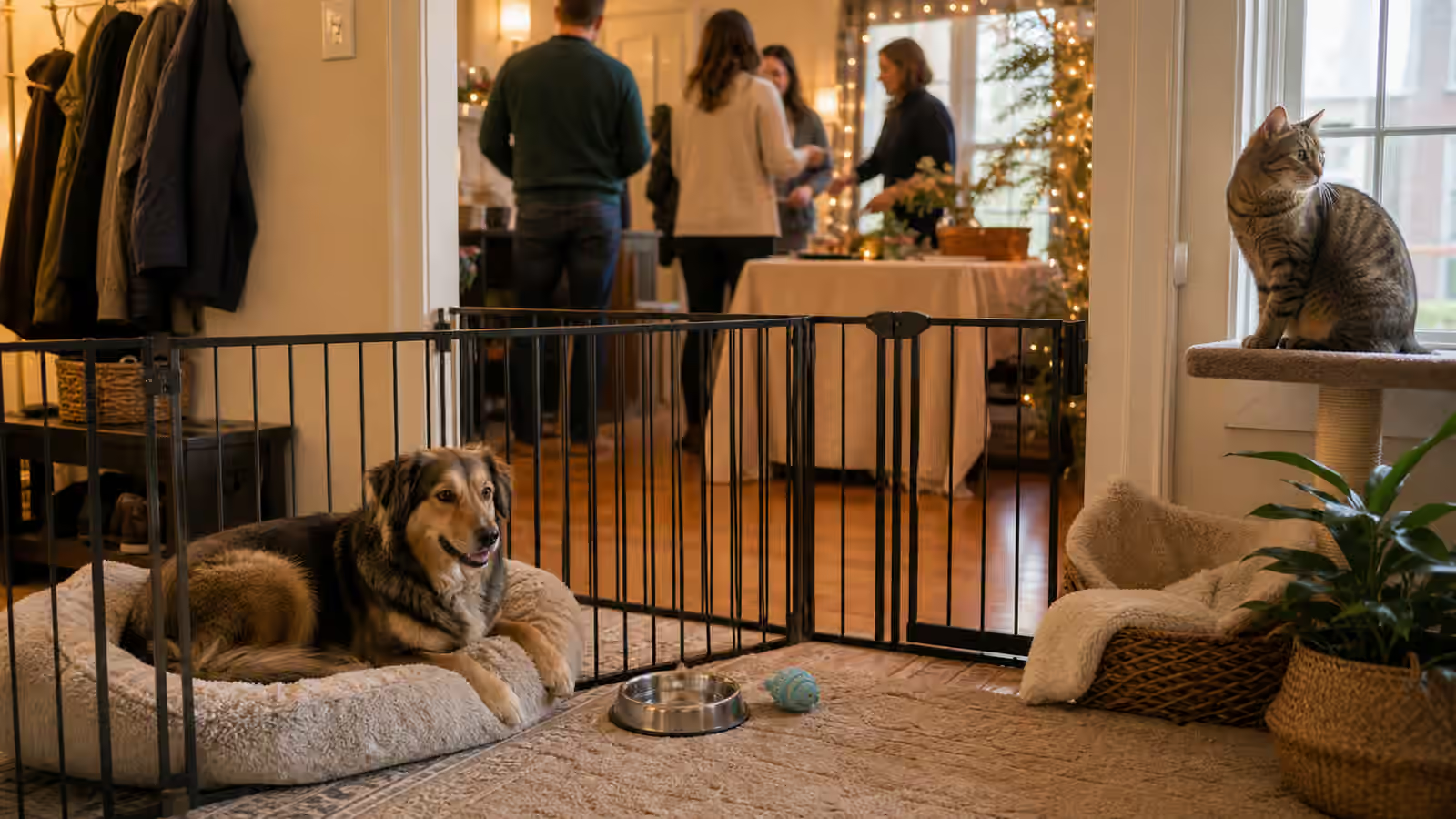
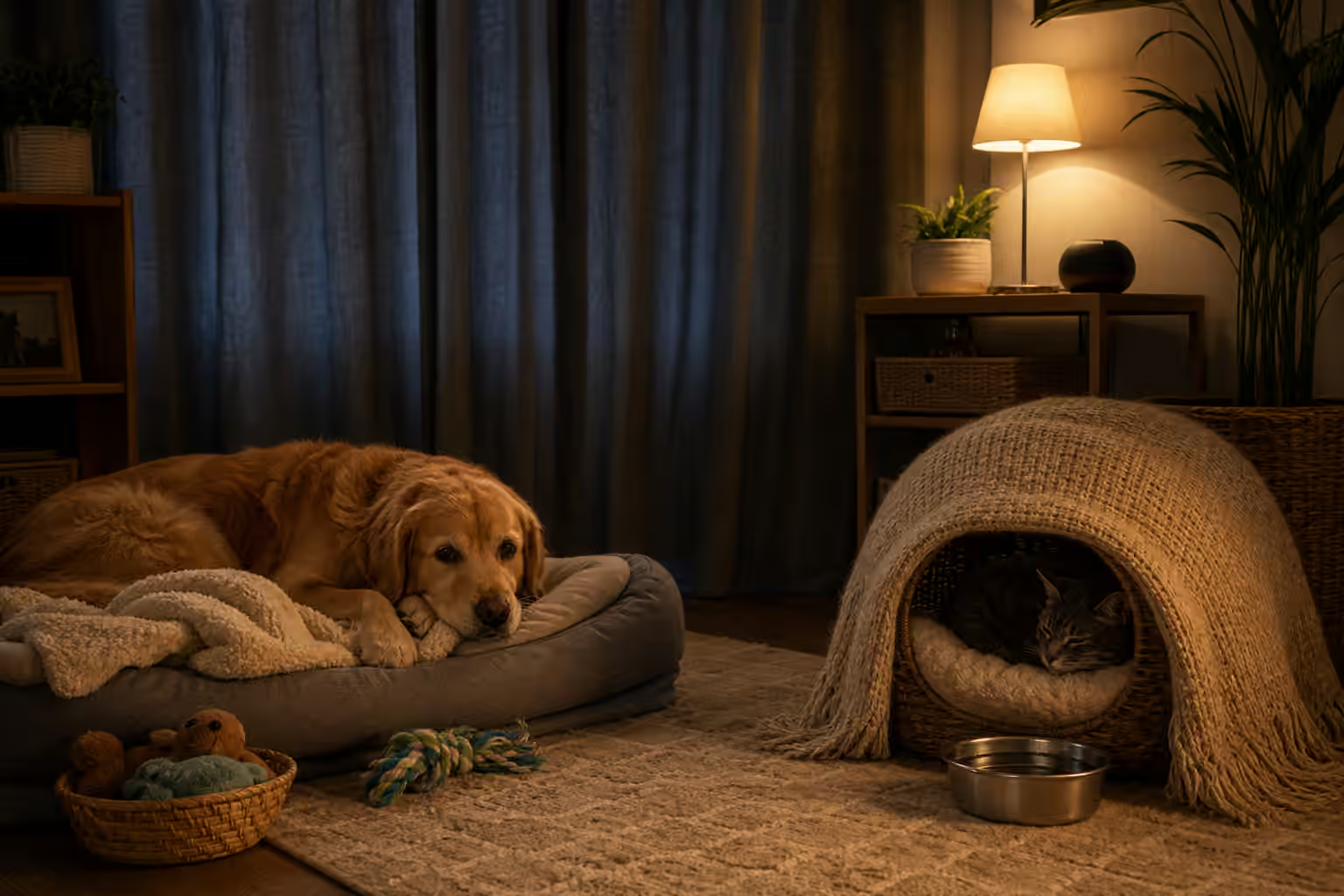
A storm room or fireworks room should not appear only when the sky is already loud. Choose a space that can be made darker, quieter, and easier to supervise. It may be an interior bedroom, a crate area the dog already likes, a gated room, a closet with the door safely open, or a familiar cat room with litter access. The room should have water, comfortable bedding, safe hiding, and a route that does not force the pet past windows or the front door.
For cats, hiding is not automatically a problem. A cat who chooses a covered bed, closet shelf, or cardboard hideaway may be using a reasonable coping strategy. The danger comes when hiding is unreachable, unsafe, too hot, too cold, or disconnected from litter and water for long periods. For dogs, a crate can help only if it is already a comfortable resting place. A dog who is shoved into a crate during fireworks may learn that the crate predicts panic.
Use the room on ordinary days. Feed a small meal there, let the cat nap there, let the dog chew there, or sit there quietly while nothing dramatic happens. The room should mean rest before it means weather.
Move the schedule before the noise peaks
Loud-event routines often fail because the household waits until the pet is already afraid. Walk dogs earlier when it is safe and practical. Bring outdoor access, balcony time, or yard routines inside before the neighborhood becomes loud. Feed before the event if the pet is more likely to eat while calm, but avoid forcing meals during fear. Refresh litter, water, bedding, and cleaning supplies before the room is occupied.
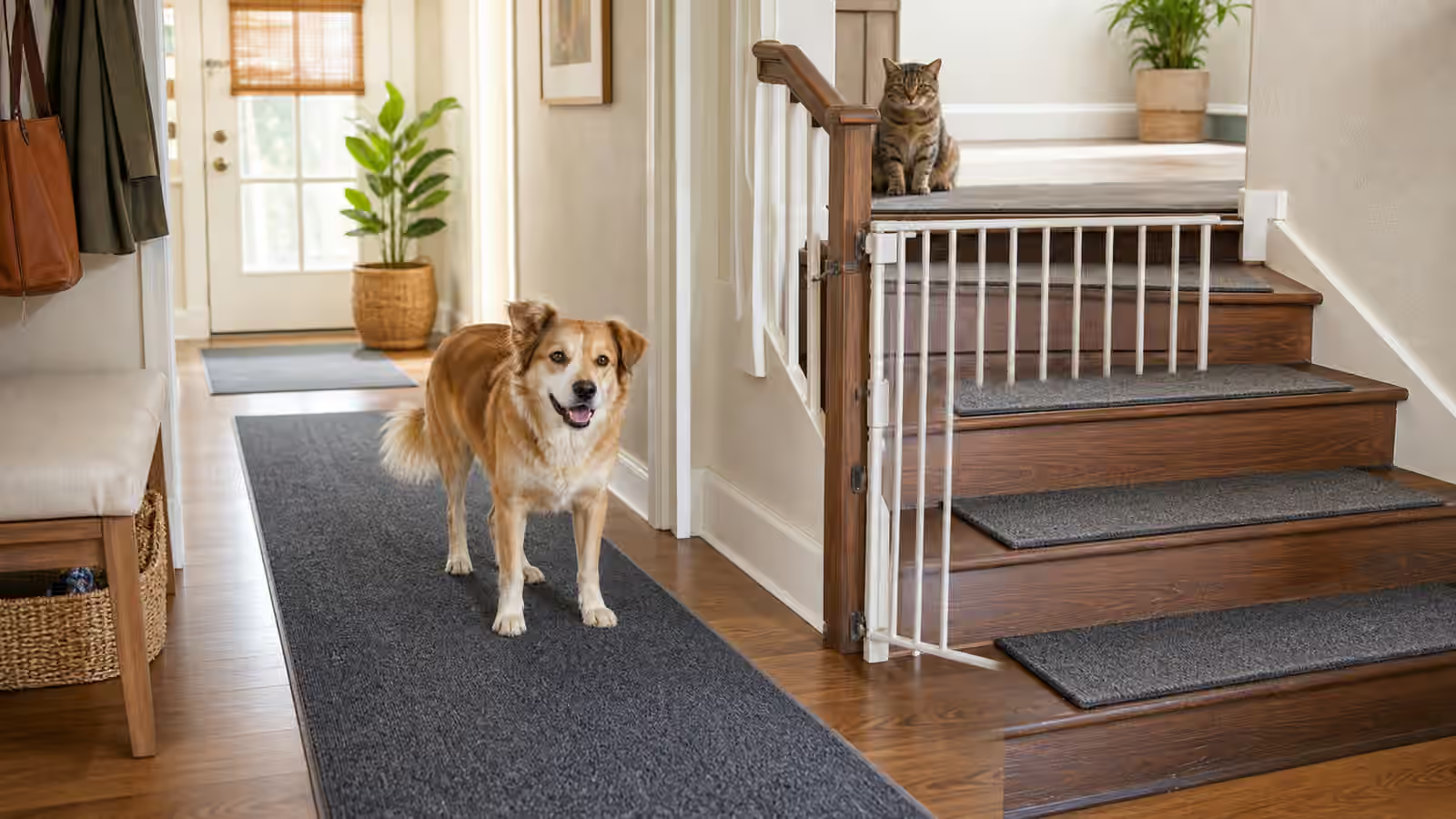
The entryway matters too. Fireworks nights, storm preparations, parties, and family movement can create door risks. A dog who bolts during a loud sound may move faster than the person expects. A cat who has never cared about the hallway may slip through when people are distracted. Door-Dash Prevention for Dogs and Cats and Balcony, Porch, and Yard Boundaries for Pets become more important when noise and open doors overlap.
If visitors are present, keep the pet routine clear. Guests may want to comfort the pet, peek into the hiding spot, or open doors casually. The household should decide in advance who is responsible for the pet room and what doors stay closed. A friendly gathering is still a difficult environment for a frightened animal.
Reduce exposure without creating a trap
Close curtains or blinds before flashes and movement draw the pet to windows. Use a fan, soft music, or white noise only if it helps that pet and does not add another stressful sound. Keep lights comfortable and avoid sudden bursts of activity in the pet’s room. If the pet prefers being near a trusted person, sit quietly nearby without turning the room into a dramatic reassurance session. If the pet prefers distance, give distance.
Do not pull a cat from a hiding place to show that everything is fine. Do not drag a dog toward the window to prove the sound is outside. The pet’s body is responding to the event, not to your explanation of the event. Calm support means making the environment easier and letting the animal choose from safe options.
Some pets benefit from gentle chewing, licking, sniffing, or food toys before fear becomes intense. Others cannot eat once the event begins. Both responses are information. Pet Enrichment for Bored Dogs and Cats is helpful when the pet can still engage, but enrichment should not be used to keep a pet near a sound they cannot handle.
Watch recovery, not only reaction
The loudest moment is not the only data point. Notice how long the pet takes to return to normal breathing, posture, appetite, movement, litter use, sleep, and social behavior. A dog who startles and then settles on a bed has a different need from a dog who pants for hours after the noise stops. A cat who hides during fireworks and emerges to eat later is different from a cat who misses meals or avoids the litter box afterward.
Write plain notes if the pattern repeats. What helped? Where was the pet? Were curtains closed before the noise? Did the dog eat before the event but refuse during it? Did the cat recover faster in the bedroom than under the sofa? These notes help the next setup and are useful if you talk with a veterinarian or trainer.
Pet Care Records and Routine Notes can turn scattered memory into a practical record. You do not need a complex log. You need enough detail to stop repeating the same hard evening without learning from it.
Do not turn comfort into pressure
Many people worry that comforting a frightened pet will reward fear. The more useful question is whether your comfort actually helps the pet recover. A dog who leans into quiet contact and settles may benefit from your presence. A cat who hides deeper when approached is asking for space. A dog who becomes more frantic when spoken to repeatedly may need less language and more environmental support.
Keep your own movement slow. Lower your voice. Avoid crowding. Let the pet choose a bed, crate, mat, or hideaway that has already been prepared. If touch is welcome, use it calmly. If touch is not welcome, sit nearby or leave the room quiet. Comfort should reduce the pet’s workload, not add another social task.
For households with multiple pets, separate if one animal’s panic increases another’s stress. A barking dog may frighten a cat. A restless younger dog may step on a senior dog who is trying to rest. Resource Zones for Multi-Pet Homes applies strongly during loud events because every animal needs access to quiet, water, bathroom options, and distance.
Reopen the house slowly afterward
When the noise ends, do not immediately open every door and rush into a normal evening. Check the pet’s body language first. A dog may still be jumpy at small sounds. A cat may emerge cautiously and then retreat again. Outdoor areas may still have stray fireworks, wet ground, wind debris, or neighbors moving around. Keep leashes, gates, and indoor routines in place until the pet has actually recovered.
The next day matters too. Some pets are tired, clingy, avoidant, or more reactive after a loud night. Make the morning simpler. Offer normal meals and bathroom access. Keep walks familiar. Let the cat choose quiet routes. If the pet seems ill, injured, disoriented, unable to eliminate, or profoundly changed, involve a veterinarian.
A storm or fireworks routine is not a single trick. It is early setup, predictable rooms, protected doors, realistic enrichment, calm recovery, and honest professional boundaries. The pet may still dislike the event. The household can still make the event less chaotic and easier to recover from.