A pet does not need to fall dramatically for a floor to become a problem. Many dogs and cats change their movement quietly. They slow before a hallway, launch across a slick patch, hesitate at the bottom stair, avoid a room with shiny tile, or rush so quickly that they cannot turn well. People may call it stubbornness, aging, excitement, or clumsiness, but the surface itself may be asking too much.
Traction belongs beside Senior Pet Home Setup for Dogs and Cats , but it is not only a senior issue. Puppies may skid because their bodies are growing faster than their coordination. Athletic dogs may slide during indoor play. Cats may avoid a route when a dog bed blocks the only stable landing. A newly adopted animal may not understand the home’s surfaces yet.
Watch The Route, Not Only The Slip
The useful question is where the pet changes their body. A dog may walk normally on a rug, then tense shoulders on the wood floor near the kitchen. A cat may use the stairs going up but hesitate going down. A senior pet may still reach the sofa, but only by jumping from a risky angle because the floor in front of it offers no grip. A puppy may skid at the same corner after every doorbell.
Observe when the home is quiet. Movement during excitement can hide useful information. Watch normal paths to food, water, litter, beds, doors, and people. The same pet may do fine across a hallway and struggle at the turn into a narrow room. That tells you the answer may be a short runner, a better landing zone, or a moved bed rather than a full remodel.
Reading Pet Body Language at Home helps because surface stress can be subtle. A pet may close the mouth, lower the body, spread toes, rush, freeze, refuse, or choose a longer route. Those are not character flaws. They are information about the map.
Make The Main Paths Predictable
Start with the paths the pet must use every day. Food, water, litter, outdoor doors, sleeping spots, and resting rooms should not require sliding. A beautiful rug in the center of the living room does little if the dog has to cross slick flooring to reach the water bowl. A cat tree is less useful if the jump down lands on tile with no stable next step.
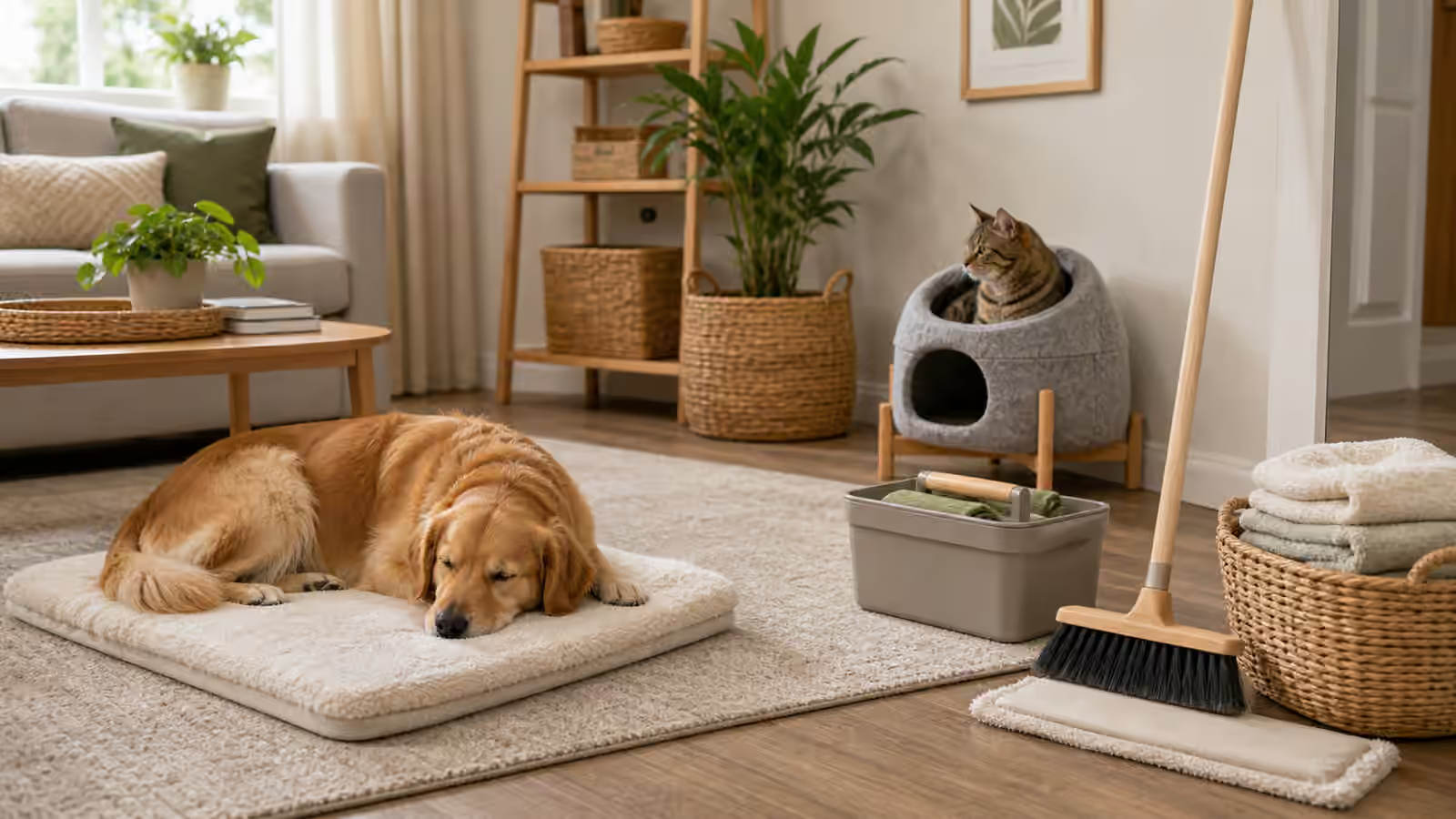
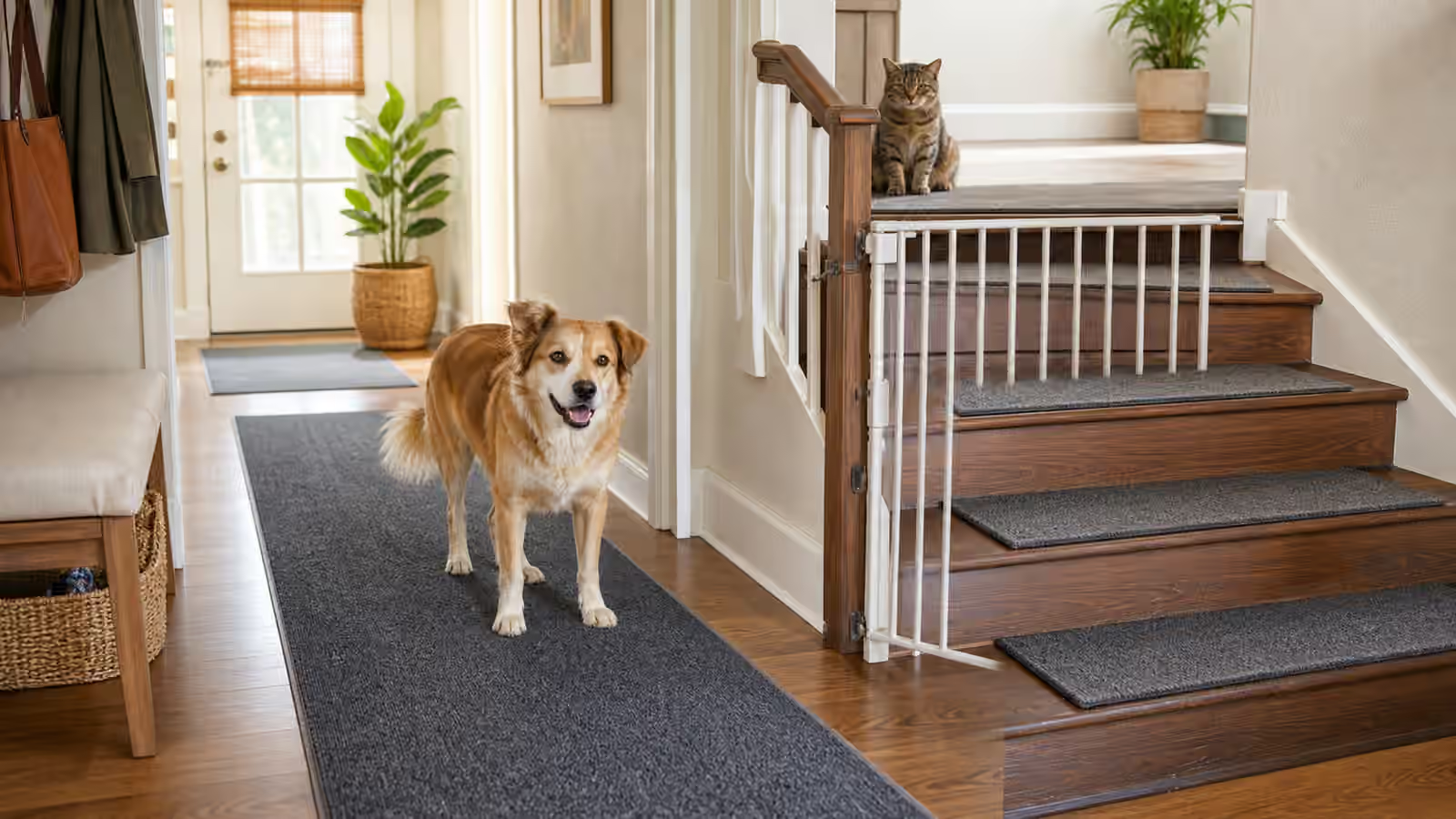
Runners, washable mats, low-profile rugs, stair treads, and traction strips can help when they stay flat, do not bunch, and can be cleaned. The material matters less than stability. A rug that slides becomes another hazard. A thick mat that curls at the edge can catch paws. Test the path yourself by walking, turning, and stepping near the edges. Then watch the pet use it without prompting.
For apartment homes, Apartment Pet Setup for Dogs and Cats adds the space problem. A small home may not have room for large rugs everywhere, so choose the highest-value routes: bed to water, door to towel station, litter to cat safe route, and hallway to resting zone.
Treat Stairs As Their Own Room
Stairs combine height, speed, sound, and narrow space. Some pets use them confidently until a visitor arrives, a child runs past, or the floor at the bottom is slick. Others avoid stairs entirely, which may be a sensible choice for their size, age, body, or history. Do not make stairs a pride test.
A gate can protect a pet who should not use stairs unsupervised, but it should be part of a calm route plan rather than a surprise barrier. Pet Gates and Room Transitions covers that wider habit. A gate at the top of stairs can prevent a rushed descent. A gate at the bottom can stop a dog from charging upward when excited. For cats, make sure a gate does not block the only safe path to litter, food, water, or rest.
If the pet is learning stairs, keep the session short and boring. Use good footing, low pressure, and plenty of space. Do not crowd from behind or call from the top in a way that makes the animal launch. If the pet shows pain, repeated refusal, weakness, limping, or sudden change, the question belongs with a veterinarian rather than with more practice.
Connect Nails, Paws, And Surfaces
Traction is not only about the floor. Long nails can change how a dog contacts the ground. Fur between paw pads can affect grip for some animals. Dry pads, sore paws, or irritation can change movement. Paw handling from Nail Trimming and Paw Handling at Home supports the surface plan because a pet who tolerates gentle paw care gives the household more options.
This does not mean every slippery-floor problem is solved by trimming nails or buying booties. Some pets dislike paw wear, some floors are simply too slick, and some movement changes are medical. Start with the environment because it is kinder and easier to adjust. Add grooming only where it fits the pet and the professional advice you have.
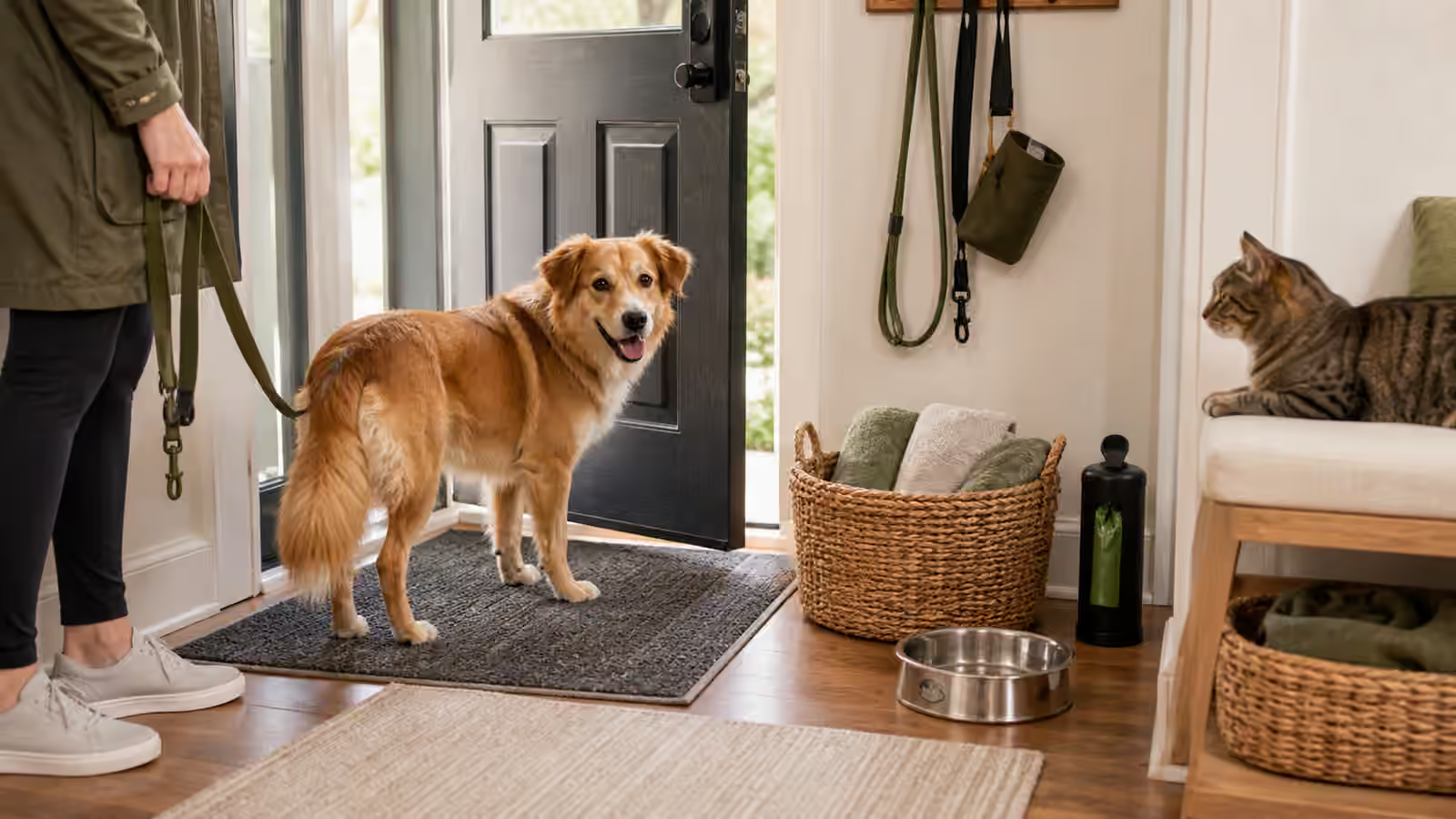
Entry routines matter too. Wet paws on tile can turn a normal hallway into a skating lane. A towel station from Rainy-Day Pet Routines for Dogs and Cats and Entryway Reset After Walks keeps traction from disappearing at the exact moment the dog is excited to be home.
Reduce The Reasons Pets Rush
Many slips happen because the animal is moving too fast for the surface. A dog racing to the door, a cat fleeing a loud appliance, a puppy chasing a toy, or pets competing toward food may all lose control. The floor receives the blame, but the trigger matters too.
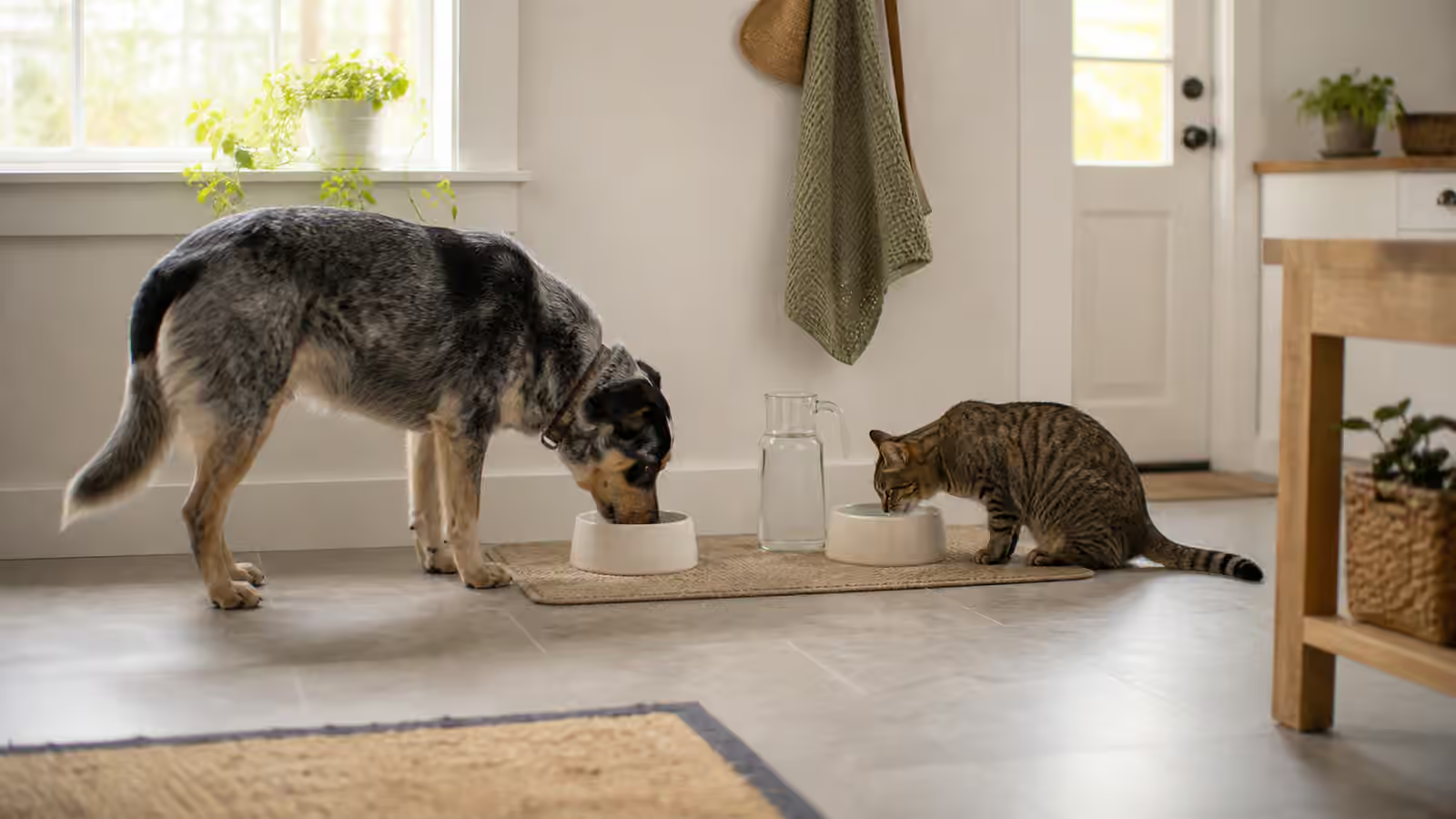
Slow the routine before the risky path. Use a mat, gate, leash, closed door, or calm cue to change the speed. Feed pets in separated stations if mealtime creates a race. Keep high-speed play away from slick rooms. Give cats routes that do not require crossing dog traffic. Resource Zones for Multi-Pet Homes is relevant because competition around resources often shows up as speed.
If furniture is part of the problem, lower the jump or change the landing. A pet who leaps from a bed onto slick flooring may need a rug, ramp, lower resting option, or clearer furniture rule. Couch, Bed, and Furniture Boundaries for Pets can help decide whether the surface should be protected, the access should change, or the household should stop inviting the jump.
Know When Setup Is Not Enough
Home traction can make daily movement easier, but it cannot diagnose pain, neurologic changes, weakness, vision changes, or injury. Sudden slipping, repeated falls, reluctance to rise, yelping, limping, knuckling, collapse, changes in appetite or energy, or a pet who cannot use essential routes safely should be evaluated by a veterinarian. Training pressure is the wrong answer when the body may be struggling.
The home version is still worth doing. Add stable footing to the main paths, protect stairs, slow the moments that cause rushing, and keep essential resources reachable without acrobatics. A good traction plan is quiet. The pet simply stops hesitating, stops launching, and starts moving through the home as if the floor is finally part of the routine instead of an obstacle hiding in plain sight.