Shedding feels like a cleaning problem, but it usually becomes easier when treated as a routine problem. Fur lands on floors, bedding, clothing, vents, sofa seams, carriers, and car seats because the pet’s coat is part of the whole home. Brushing can help, but only when the animal can tolerate it and the household can repeat it without turning every session into a chase.
Cooperative Grooming and Handling at Home is the foundation for any brushing plan. A brush is still touch. It has sound, pressure, direction, and duration. If the pet dislikes being held, startled, cornered, or pulled through tangles, the tool will not feel like care just because the person has good intentions.
Make the station calmer than the cleanup
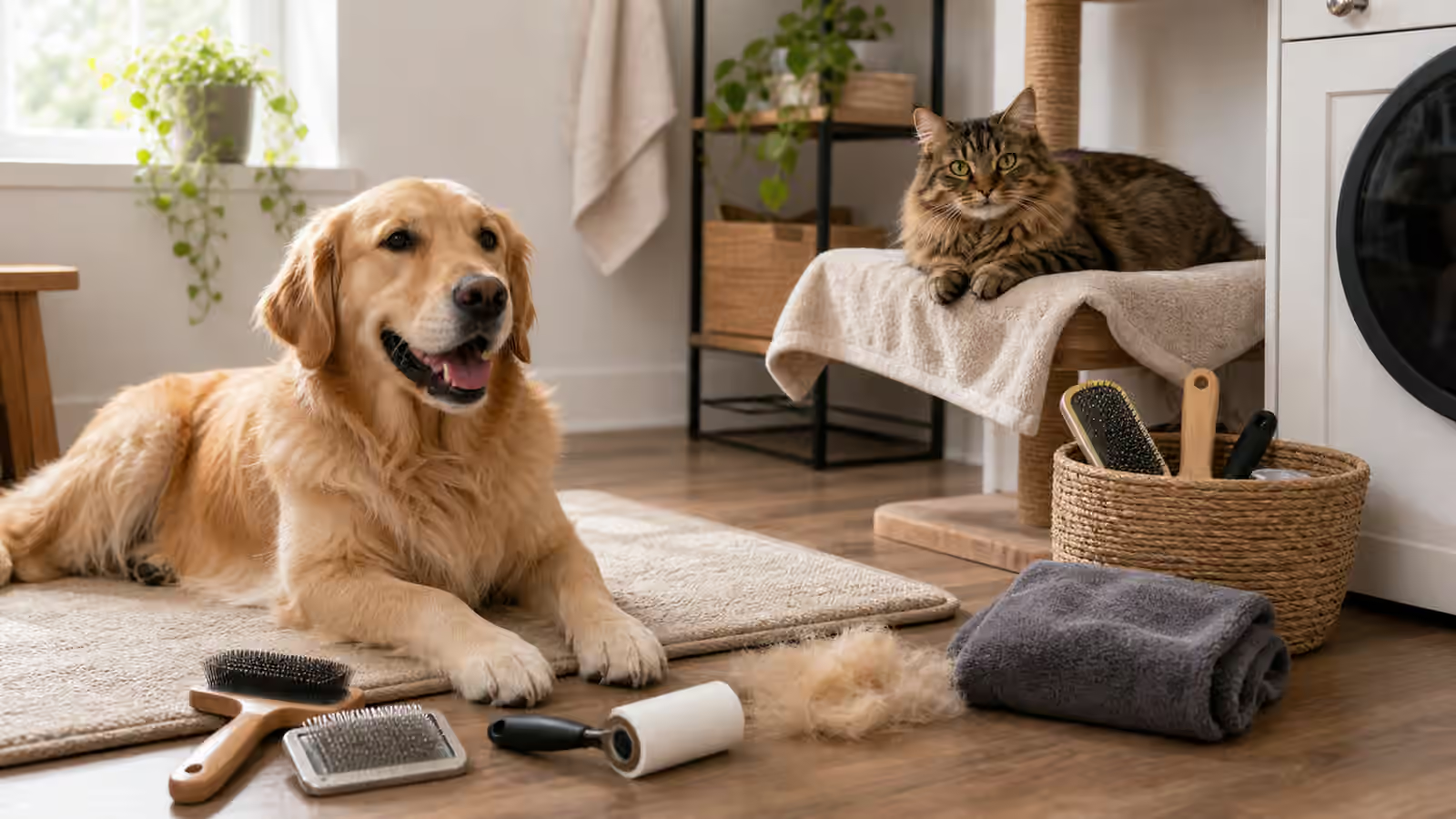
The brushing station should be a place the pet can understand. A washable mat on the floor, a towel on a stable bench, a familiar bed, or a quiet laundry-room corner can all work. The station should give the person room to move without trapping the animal. Slippery counters, echoing bathrooms, narrow hallways, and crowded furniture often make brushing harder than it needs to be.
Keep the supplies together. A brush that fits the coat, a towel, a small container for fur, treats if they are appropriate, and a lint roller or hand vacuum nearby can turn brushing into a five-minute task instead of a housewide search. Pet Cleaning Setup for a Fresher Home pairs well with brushing because fur control depends on where the fur goes after it leaves the animal.
Do not begin by chasing the pet with a brush. Set the station during calm hours. Let the pet investigate the mat, towel, or brush without a full session. Touch briefly. Stop early. The first win is not a perfect coat. It is a pet who still trusts the setup after the brush goes away.
Brush for the coat in front of you
Different coats need different handling, and individual pets vary inside every broad category. A short-coated dog may need gentle loose-hair removal and a towel after wet walks. A double-coated dog may shed heavily in seasonal waves and need careful sessions that do not irritate the skin. A long-haired cat may need frequent small passes before tangles become mats. A senior pet may need softer handling and more breaks because standing still is tiring.
Avoid turning brushing into a battle over one finished result. Work in sections. Choose an easy area first, such as the shoulders or side if the pet accepts that. Leave sensitive areas like belly, tail, legs, armpits, paws, and rear end for later stages or professional care if needed. If the pet flinches, turns, mouths the brush, leaves, growls, swats, or shuts down, the session is giving you information.
Nail Trimming and Paw Handling at Home uses the same logic. The body part may be different, but the routine still depends on short repetitions, consent where possible, and stopping before the animal has to escalate.
Separate shedding from mat removal
Loose fur and mats are not the same job. Loose fur can often be managed with routine brushing, bathing when appropriate, washable bedding, and predictable cleaning. Mats are tangled coat that can pull skin and become painful. Cutting mats with household scissors can injure the pet, especially when the mat is close to the skin or the animal moves suddenly. Severe matting belongs with a groomer or veterinarian.
This distinction matters because people sometimes brush harder when the tool does not move through the coat. Harder is not kinder. If the brush catches, stop and inspect. A small tangle may be teased apart gently if the pet is comfortable and the person knows what they are doing. A painful mat, tight area, or pet who cannot tolerate handling should not be turned into a living-room wrestling match.
Bathing and Drying Routines for Pets at Home matters here because water can make some coat problems harder if tangles are not addressed appropriately. Bathing a matted pet at home may not solve the problem and can make drying more difficult.
Build short sessions into real life
A useful brushing routine is usually shorter than people expect. Two minutes after an evening walk, three gentle passes before breakfast, a small cat session after play, or a weekly mat check on a calm afternoon may work better than a long session postponed until the fur situation is obvious. The pet learns that brushing ends. The person learns to stop before frustration grows.
Tie brushing to moments that already exist. A dog who settles on a mat after a walk may tolerate a few strokes once breathing slows. A cat who rests in the same sunny spot may accept a brief brush nearby. A senior pet may do better after a bathroom break and before a deep nap, rather than being woken from sleep. Calm Mat Routines for Dogs and Cats can help when the pet needs a clearer station.
Reward the part you want to see again. That may be standing calmly, choosing to stay on the mat, sniffing the brush without leaving, or allowing one light stroke. The reward can be food, a pause, soft praise, a favorite resting spot, or the session ending. For many pets, ending on time is the most persuasive reward.
Manage the house around shedding
Brushing is only one side of shedding. The home needs washable surfaces where fur is predictable. Beds, throws, mats, crate pads, cat blankets, and sofa covers should be easy to launder. Entry towels help after wet walks. A small vacuum or lint tool near the main rest area is more useful than a perfect cleaning plan stored across the house.
Do not let fur resentment become pet resentment. If a dog always sleeps on the black chair, either cover the chair, change the boundary, or accept the cleaning job. If a cat leaves fur on a favorite perch, make that perch washable. Couch, Bed, and Furniture Boundaries for Pets can help decide where animals are welcome and where the household needs clearer rules.
Seasonal shedding can make the routine more visible, but the details vary by animal, coat, indoor environment, and health. Keep claims modest. More fur in a season may be normal for many pets, but sudden patchy loss, skin irritation, behavior changes, or excessive licking is not a cleaning puzzle. That is when the professional lane matters.
Keep grooming social pressure low
Some pets enjoy brushing as attention. Others tolerate it. Some dislike it and need a careful plan. Do not brush one pet while another crowds for treats or steals the fur pile. Do not ask children to hold the animal still. Do not wait until guests are arriving and then rush through tangles because the sofa needs to look better. Grooming under social pressure is how small resistance becomes a bigger problem.
For multi-pet homes, brush separately. A closed door, gate, crate, or different room can keep the session calm. Put fur and tools away afterward so nobody plays with the cleanup. If a pet guards grooming treats or the brush itself, treat that as resource tension and create more space.
A good shedding routine is not the absence of fur. Pets are not upholstered furniture. Success is a coat that is checked before problems grow, a pet who can participate without fear, and a home that has realistic places for fur to land and leave. When brushing stays short, kind, and repeatable, it supports comfort as much as cleanliness.