Senior pet setup is mostly about lowering friction. Older dogs and cats may still enjoy the same people, rooms, meals, smells, windows, and routines they have always loved, but the home can quietly become harder. A slick floor asks for more effort. A high bed requires a jump that used to be casual. A litter box entry becomes annoying. A water bowl at the far end of the house is no longer convenient. None of those changes has to look dramatic before it matters.
The aim is not to wrap an older pet in bubble wrap or stop them from doing normal things. The aim is to make the easiest choice the comfortable one. When traction, rest, bathroom access, grooming, and quiet routines are built into the room, the pet does not have to spend extra energy negotiating the house.
Start with traction
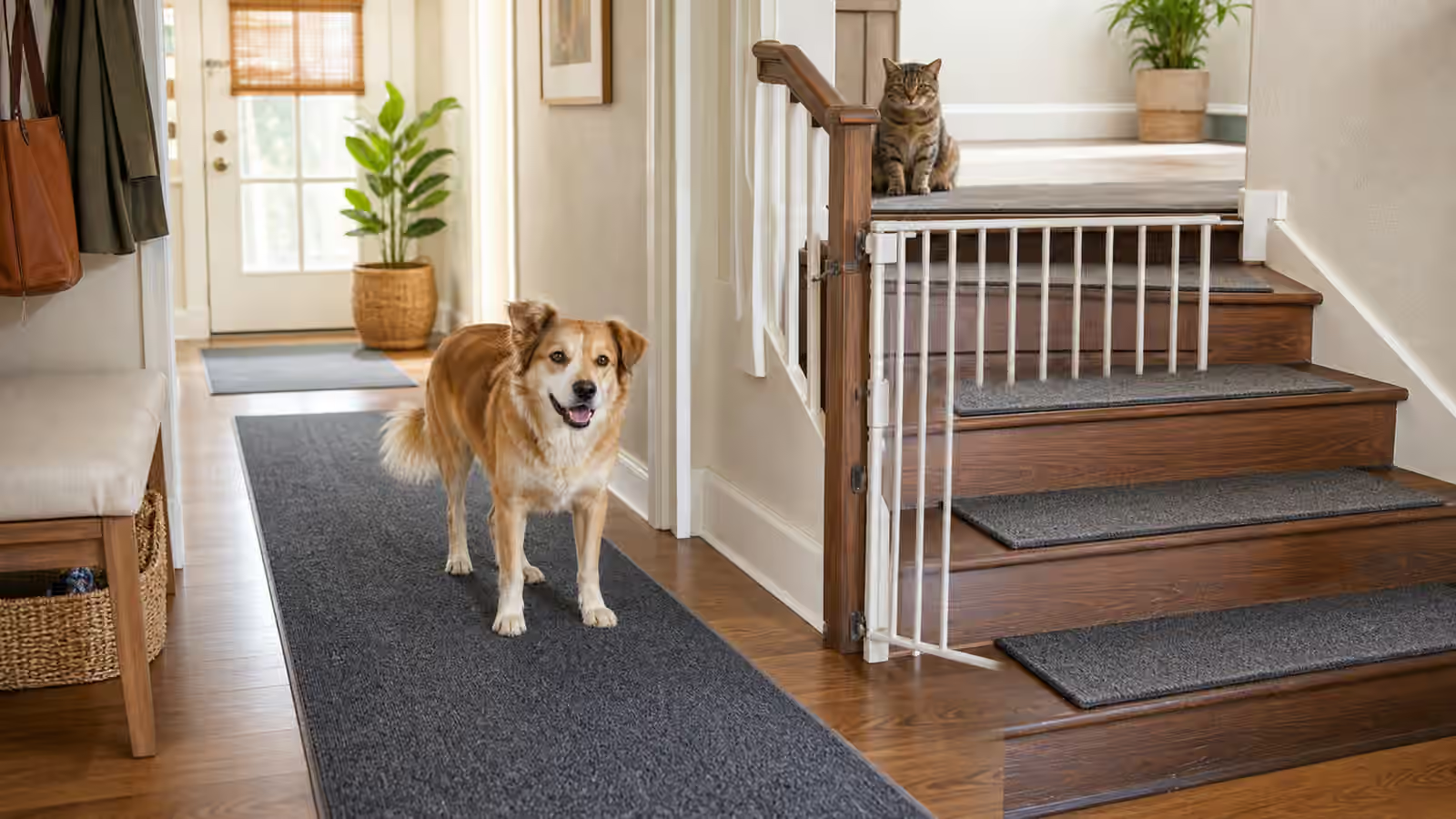
Hard floors are one of the simplest places to improve a senior pet’s day. A dog who slips while standing up may start avoiding parts of the home, rushing through hallways, or refusing to move when called. A cat who skids after jumping down may choose higher-risk routes or stop using favorite places. The animal may look stubborn when the real problem is that the floor has become work.
Use rugs, runners, and washable mats where movement matters: from bed to water, from resting area to door, around feeding stations, near litter access, and beside furniture the pet still uses. The rug does not have to cover the whole home. It has to create reliable paths. Keep edges flat so they do not become tripping hazards. Washable materials help because older pets may bring more drool, litter, fur, or accidents into the routine.
This connects to Pet Cleaning Setup for a Fresher Home because senior-friendly homes should not become impossible to maintain. A beautiful rug that cannot survive real pet life will eventually disappear, and then the traction problem returns. Choose surfaces the household can keep using.
Lower the effort around daily resources
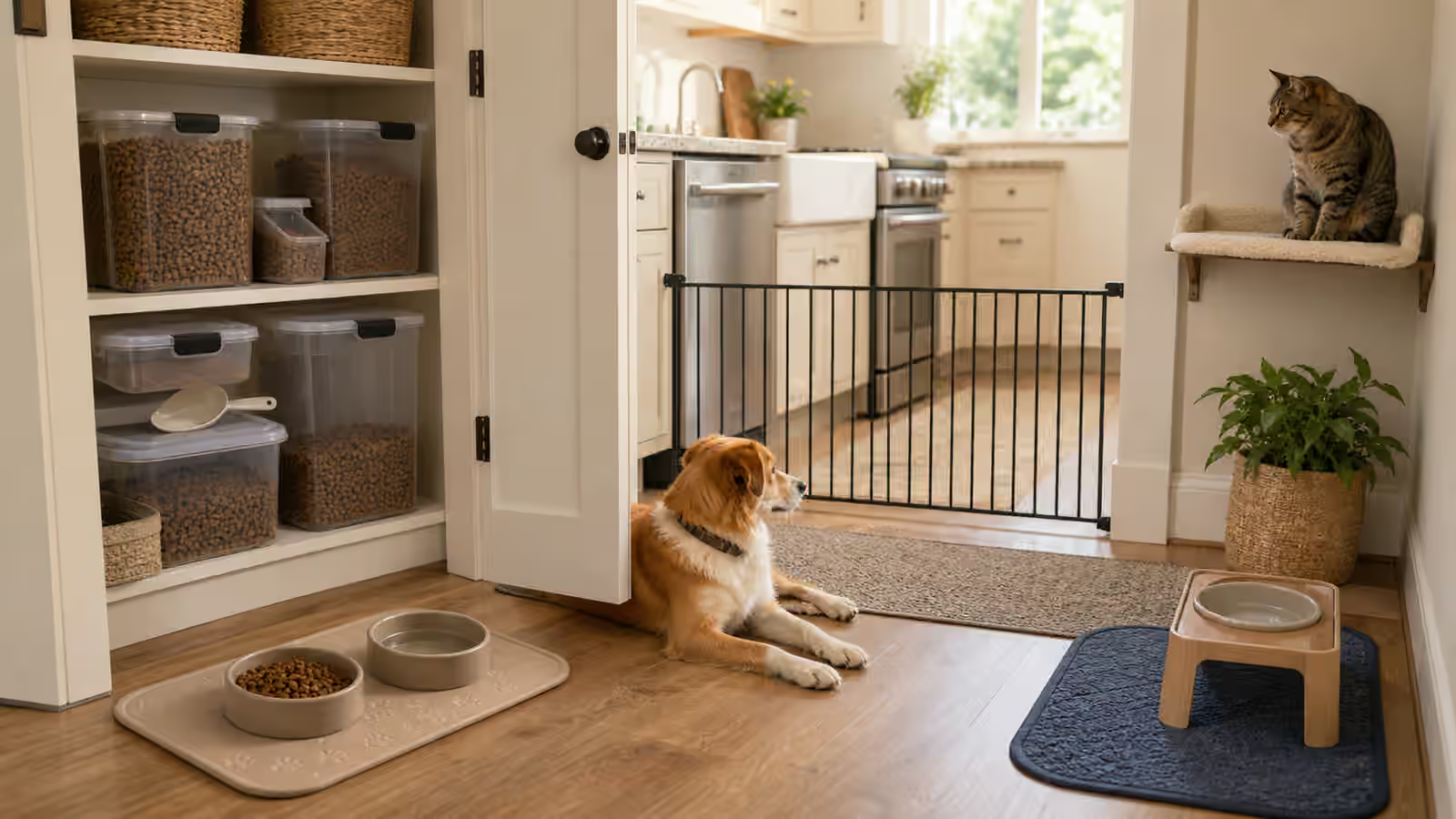
Food, water, beds, litter, doors, and favorite resting places should be easy to reach. Senior pets may still be capable of crossing the house, but capability is not the same as comfort. A dog who has to walk across slick flooring for water may drink less often. A cat who has to climb stairs to use a box may wait longer than they should. A pet who can no longer jump onto a bed may pace, vocalize, or sleep in a less comfortable place.
Place water where the pet already rests, while keeping bowls out of foot traffic. Make beds easy to enter and leave. Keep food stations stable and clear. If pets share the home, protect the senior pet from being crowded by younger animals at bowls, beds, or doorways. Feeding Stations and Mealtime Routines for Pets is helpful when meals have become competitive or messy.
For cats, think in routes. A senior cat may still enjoy height but prefer steps, low shelves, or a ramp instead of a single jump. A window perch can remain part of the cat’s day if the path is easier. Scratching surfaces may need to be more stable, closer to resting spots, or available horizontally if vertical stretching is less comfortable.
Make bathroom access boring and close
Bathroom problems deserve caution because health and setup overlap. A dog who starts having accidents may need more frequent outings, easier door access, or a different schedule, but they may also need veterinary care. A cat who misses the box may dislike the entry height or location, but urinary problems and pain must be taken seriously.
From a setup perspective, make the bathroom route obvious. Dogs may need a less slippery path to the door and a calmer exit routine. If stairs are part of the route, consider whether the pet is hesitating because of effort, weather, darkness, or discomfort. Cats often benefit from a low-sided litter box, stable placement, and boxes on the level of the home where they spend time. The principles in Litter Box Setup That Actually Works become more important with age, not less.
Avoid scolding accidents. Clean thoroughly, observe the pattern, and adjust the routine while calling the vet when the change is new, repeated, or paired with other signs. An older pet does not need shame added to a body that may already be giving confusing signals.
Keep rest social but protected
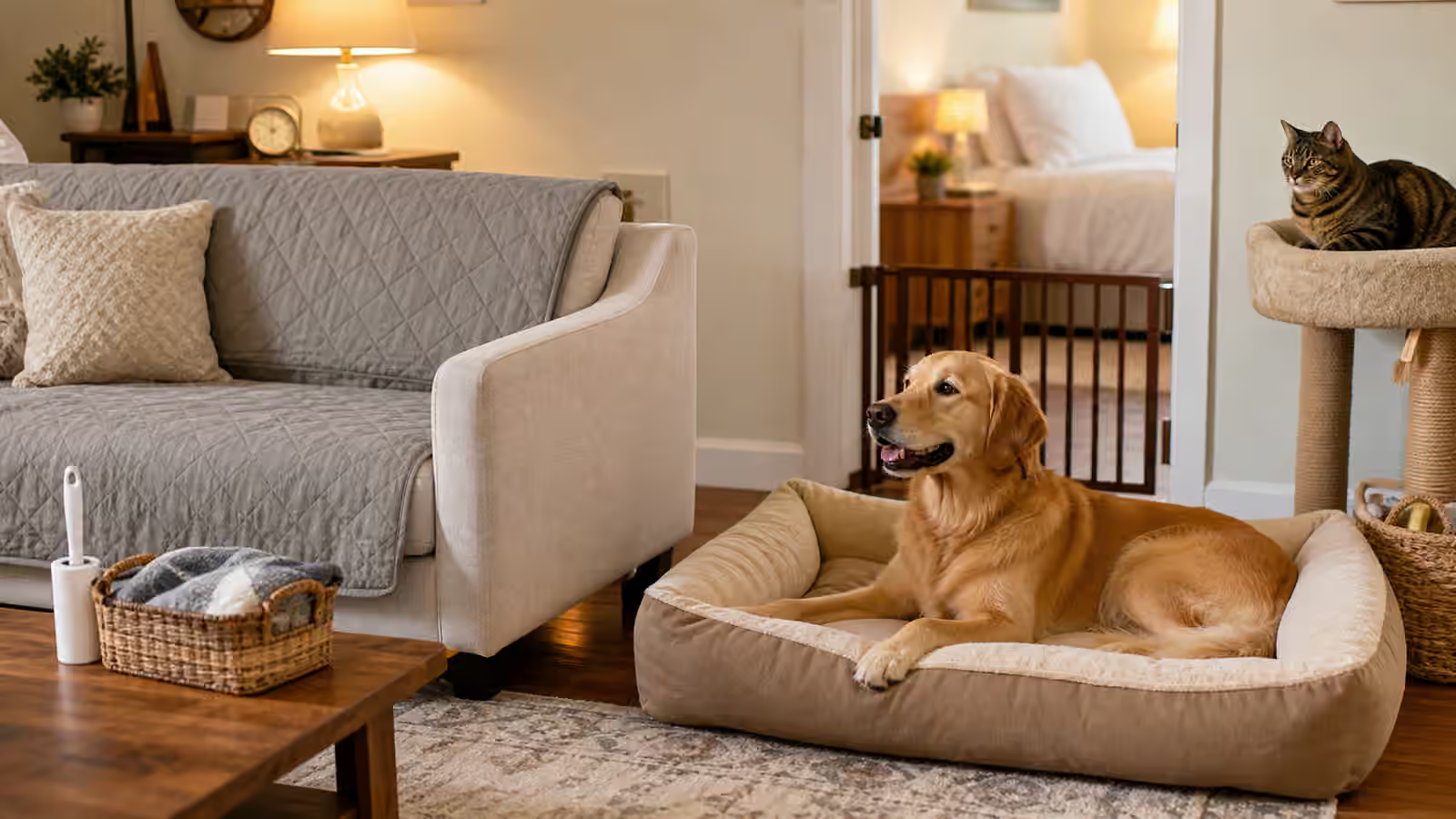
Many older pets want to stay near the household even when they cannot handle the same activity. A bed in a far spare room may be quiet, but it may also isolate a social dog. A cat perch in the busiest walkway may offer company but no peace. The better choice is often a protected edge of the room: close enough to smell dinner, hear voices, and watch familiar movement, but far enough from door swings, running children, younger pets, and vacuum routes.
Beds should support the way the pet actually rests. Some dogs like bolsters, while others need an open low bed because stepping over edges is annoying. Some cats like covered beds, while others prefer a heated-looking sunny patch, a folded blanket, or a perch with easier access. Watch where the pet chooses to sleep deeply. Improve that place before adding a new object elsewhere.
Night routines may need adjustment too. Pet Sleep and Overnight Routines is useful for senior pets because nighttime restlessness can come from routine, comfort, bathroom needs, sound, temperature, or health. Do not assume every nighttime change is behavioral. Use the setup to reduce obvious friction, then involve a vet when the change feels sudden or persistent.
Make grooming smaller and more frequent
Senior coats, nails, paws, ears, and skin may need closer attention, but longer grooming sessions are often harder. Short, predictable handling is usually kinder than waiting until the job is large. Keep a brush, towel, nail file or clippers if you use them, and treats near a comfortable resting area. Practice one small piece, then stop while the pet is still relaxed.
Cooperative Grooming and Handling at Home fits senior pets well because cooperation matters more when the pet has less patience for restraint. A dog who used to tolerate paw handling may now pull away because joints, nails, or skin feel different. A cat who accepted brushing may dislike being held in a position that is no longer comfortable. The response should be information, not a battle.
Use professional help before mats, nails, or hygiene become a crisis. A groomer or vet clinic may be the right choice for jobs that are painful, risky, or beyond the household’s skill. When to Call a Vet, Trainer, or Groomer is the safer next read when you are unsure which lane the problem belongs in.
Keep enrichment, but change the shape
Older pets still need interest. The form may change. A senior dog may prefer a slow sniff walk over a long route, a soft food puzzle over a hard chew, or a sunny porch sit over a busy park. A senior cat may prefer lower-height play, shorter wand sessions, scent exploration, or gentle food foraging. The point is not to retire the pet from life. It is to offer activities that fit the pet’s current body and recovery.
Watch what happens afterward. Good enrichment leaves the pet engaged and then able to settle. If an activity causes limping, frustration, coughing, frantic behavior, or long recovery, change the activity and ask for professional guidance when needed. The pet’s enjoyment in the moment is only part of the data.
Senior setup works best when it is done before everything becomes urgent. Add traction where the pet already walks. Lower the effort around water, litter, beds, and favorite places. Keep rest social but protected. Make grooming smaller. Let enrichment mature instead of disappearing. A familiar home can stay familiar while becoming easier to live in.