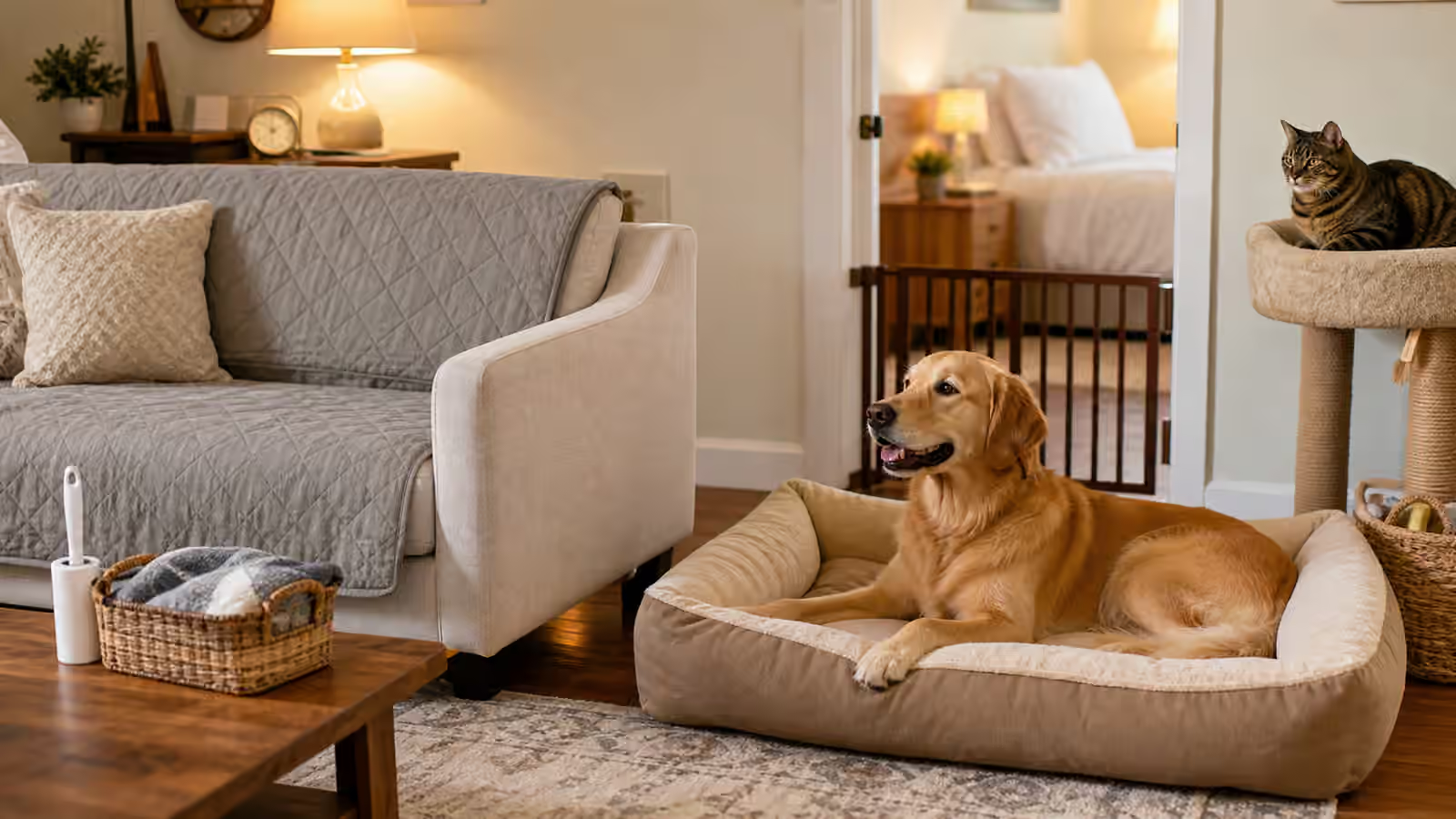
A pet can live in one home and still experience several different households. One roommate feeds early, another feeds late, one allows couch access, one leaves doors open, one invites guests, one thinks barking should be ignored, and one quietly gives snacks from the counter. The dog or cat is not reading a lease. They are reading patterns.
Shared homes do not need military precision, but they do need a single version of normal that the animal can understand. The routine should explain where food happens, who handles walks, which rooms are open, how guests are managed, what to do when something goes wrong, and which rules are not negotiable. Pet Care Records and Routine Notes is useful for sitters and clinics, but roommates need a lighter daily version that lives where decisions happen.
Start with one household version of normal
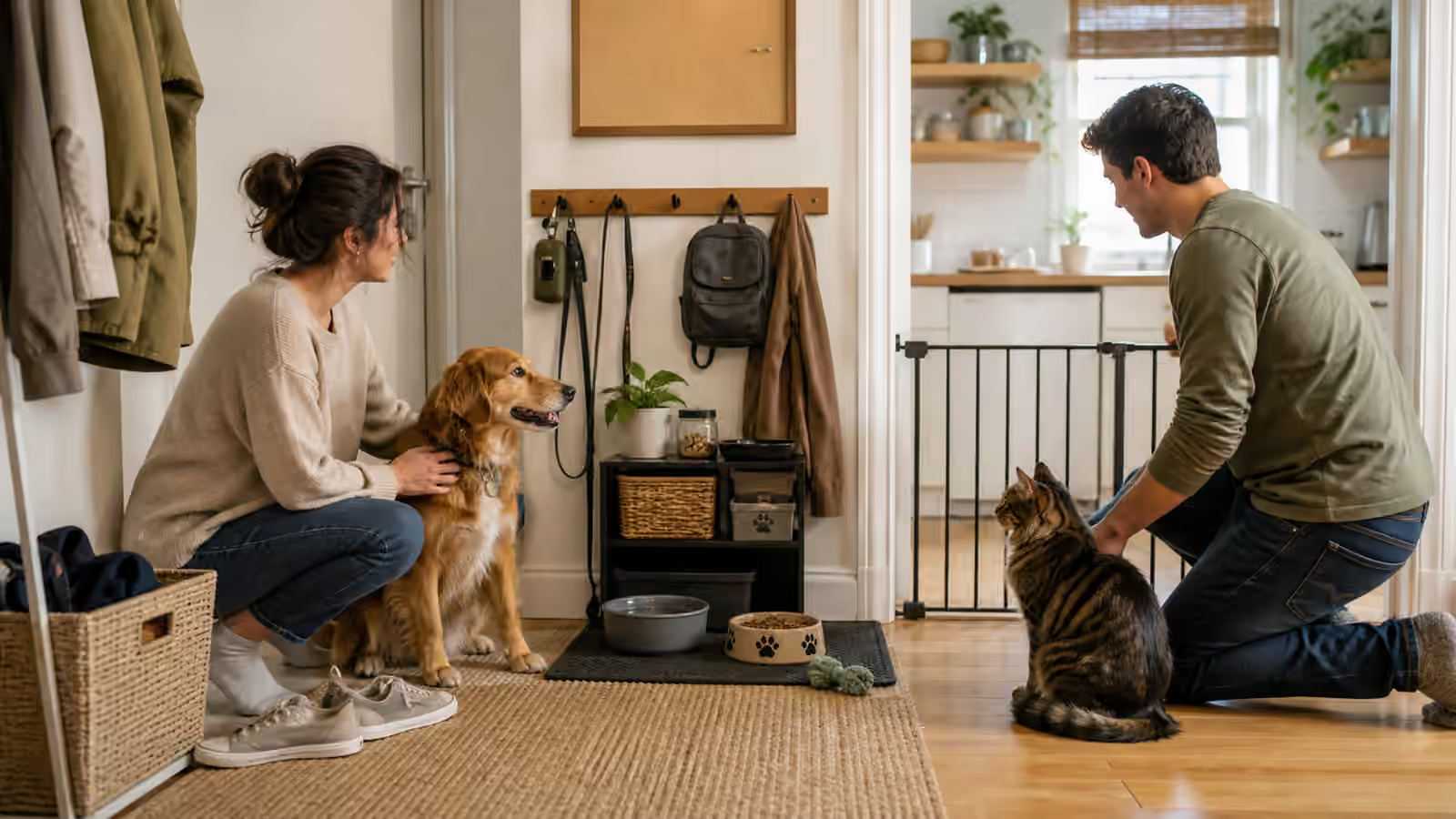
The first agreement should be small enough that people will actually follow it. Decide when the pet eats, where bowls belong, which door is used for walks or outdoor access, where the leash lives, where litter or waste supplies are stored, and which rooms are off limits. These are not glamorous choices. They are the choices that prevent daily improvisation.
Avoid vague rules like “do not spoil the dog” or “be careful with the cat.” They sound clear until a real moment arrives. One person thinks a small cheese bite is spoiling. Another thinks it is affection. One person thinks the cat can visit any bedroom. Another has plants, medication, or cords in that room. Put the rule in concrete household terms: the dog eats from the bowl only, the cat does not enter bedrooms without the resident present, the hallway door stays latched before the apartment door opens.
The rule should match the animal’s needs, not roommate pride. If the dog rushes the entry, use the doorway routine from Door-Dash Prevention for Dogs and Cats . If the cat needs a quiet base, protect the setup from New Cat Setup: Litter, Scratching, Hiding, and Play . The home is shared, but the animal still needs consistent resources.
Put care facts where action happens
Care information fails when it lives in a text thread from three months ago. Place the useful facts near the station they affect. Feeding amounts and timing belong near food. Leash notes belong near the leash. Litter instructions belong near litter supplies. Vet and emergency contacts belong in a location that a trusted person can find quickly, without exposing private details to every visitor.
The daily note should be plain. It can say the dog already ate breakfast, the cat needs the bedroom door closed, the puppy should go out after waking, or the senior dog should use the rug route because the floor is slick. It does not need a beautiful chart. It needs to prevent the second dinner, the missed walk, the open door, and the confused helper.
Be careful with medical information. Doses and treatment instructions should come from current professional guidance and original labels, not from memory or a roommate’s interpretation. If a pet needs medication, recovery care, or monitoring, Medication and Recovery Routines for Pets at Home gives a better frame for separating casual help from responsibility that needs explicit agreement.
Make room access and guests predictable
Shared homes have more doors than people realize. Bedrooms, bathrooms, balconies, storage closets, laundry rooms, and front entries all become pet decisions. A cat may slip into a room and hide under a bed. A dog may raid a laundry basket. A guest may leave a gate open because it looked temporary. Room access should be designed before everyone is irritated.
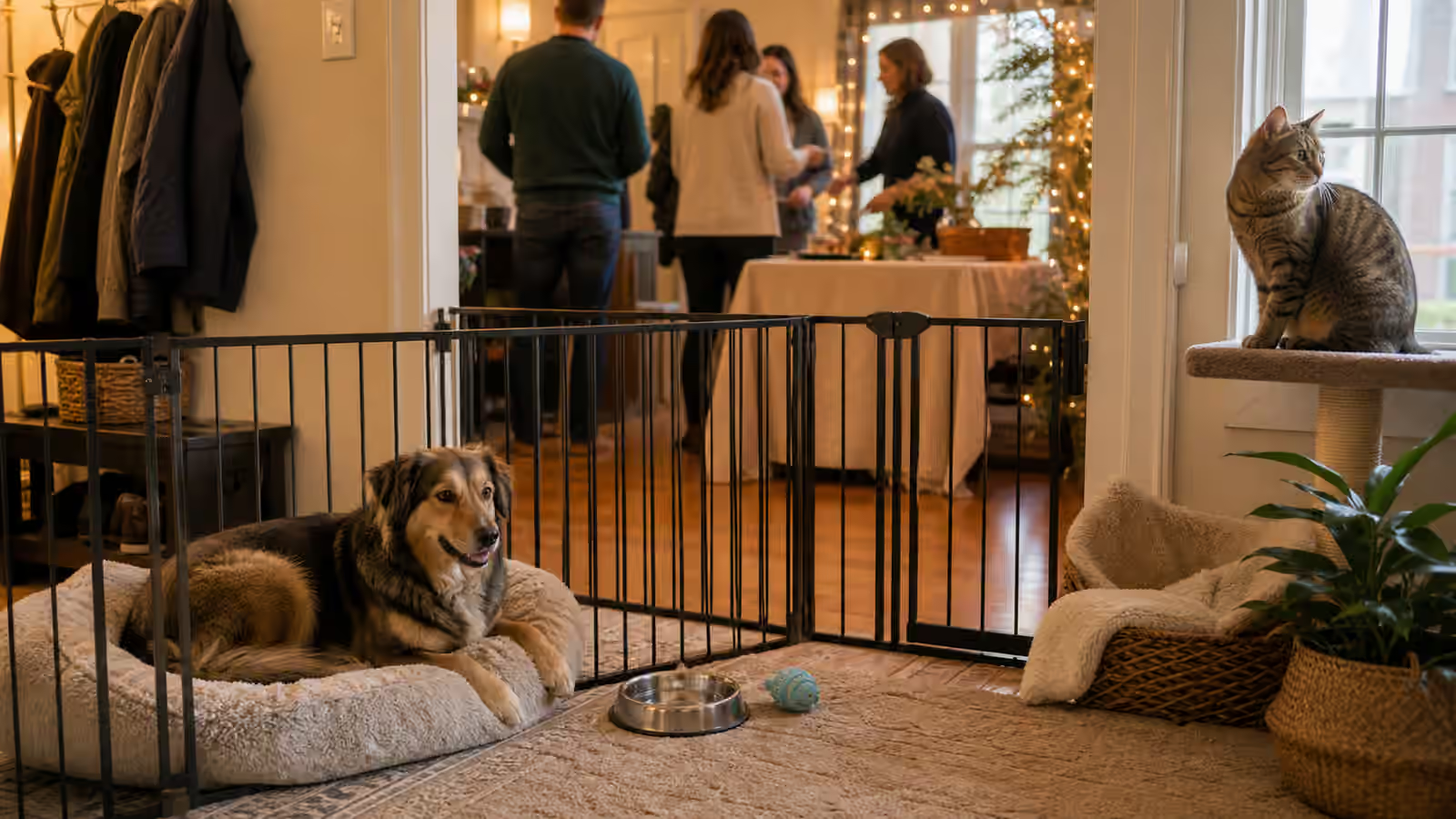
Use barriers that make sense to guests and residents. A gate near the entry, a closed bedroom door, a latch on a trash cabinet, or a clear pet-free shelf can do more than repeated reminders. Pet Gates and Room Transitions matters in shared homes because transitions are where responsibility gets blurry. If a roommate is carrying groceries, another is leaving for work, and a guest is arriving, the pet should not have to be managed by whoever happens to notice first.
Guests need a simple script. The dog is behind the gate when people enter. The cat’s room stays closed. No one feeds from plates. The leash is not handled by visitors. If a guest brings another animal, the playdate is not spontaneous. Guest Pets and Playdate Boundaries at Home exists because friendly intentions can still overwhelm a resident pet.
Share training without sharing every method
Training becomes messy when every person tries a different style. One roommate uses treats, another repeats cues, another pushes the dog off, and another avoids the pet entirely. The animal learns the pattern under each person, not the moral debate behind it. A shared home needs a few common responses that everyone can perform calmly.
Choose simple actions. Reward the dog for going to the mat when the door sounds. Toss a treat away from the kitchen instead of pushing the dog from the counter. Close the bedroom door before leaving. Let the cat approach instead of reaching into a hiding place. These small agreements connect to existing Pawstead routines like Calm Mat Routines for Dogs and Cats and Reading Pet Body Language at Home .
Not every roommate has to become the trainer. Some people may only need to maintain boundaries and avoid undoing the plan. That is acceptable if the owner or primary caretaker is clear. The harmful version is pretending everyone has equal responsibility while no one has authority to make decisions. Decide who handles training changes, vet communication, sitter arrangements, and purchases before a problem appears.
Handle mistakes without turning pets into evidence
Shared homes can turn pet mistakes into roommate fights. A chewed shoe becomes proof that someone is careless. A litter odor becomes proof that someone is lazy. A barking complaint becomes proof that someone was wrong about the dog. The pet gets caught in the middle while the actual routine stays unchanged.
Treat mistakes as evidence about the setup first. If the dog chewed shoes, were shoes accessible and was the dog bored or overtired? If the cat missed the litter box, is the box clean, reachable, and medically appropriate? If the dog barked all afternoon, what did the window, hallway, or alone-time routine look like? The goal is not to excuse everything. The goal is to fix the condition that made the mistake likely.
Costs and labor should be discussed directly. Food, litter, cleaning supplies, damage, grooming, and vet care can create resentment when assumptions stay hidden. A roommate who loves the pet may still not be willing to pay for supplies or handle vomit at midnight. Honest limits are kinder than vague promises.
Plan for absences and changes
The routine should survive ordinary change. A roommate travels, starts a new schedule, has a partner visit, works nights, or moves out. A pet who depends on one person’s exact timing may struggle if the home has no backup plan. Write down what happens when the primary caretaker is absent, who can feed or walk, who should not handle the pet, and when a sitter is needed instead of roommate help.
Moving deserves special care because shared-house pets may lose familiar people and routes at the same time. Moving Homes With Pets Without Losing the Routine can help if the household changes address, but the same principle applies when only one roommate leaves. Keep the pet’s anchor points stable: feeding place, sleeping area, litter or bathroom routine, walks, and quiet retreat.
A good shared-house pet routine is not about making everyone equally attached to the animal. It is about making the home readable. The pet should know where to eat, where to rest, where to retreat, and what people do when doors, food, guests, and chores appear. People should know enough to protect that rhythm without turning every ordinary day into a negotiation.