A rainy day tests the parts of pet care that are easiest to ignore when the weather is pleasant. The dog still needs bathroom breaks and movement. The cat may hear wind, doors, jackets, and shoes moving in unfamiliar patterns. The entryway becomes a busy edge between outside mess and inside calm. A good rain routine is less about heroic cleaning and more about making the first wet hour predictable.
The routine should start before the leash comes off the hook. If towels, treats, waste bags, a washable runner, and a place for wet gear are already waiting, the household can stay quiet. If every wet walk begins with someone searching for a towel while the dog shakes water across the room, the pet learns that weather days come with commotion. Pawstead routines work best when the room carries part of the job.
Prepare the entry before the walk
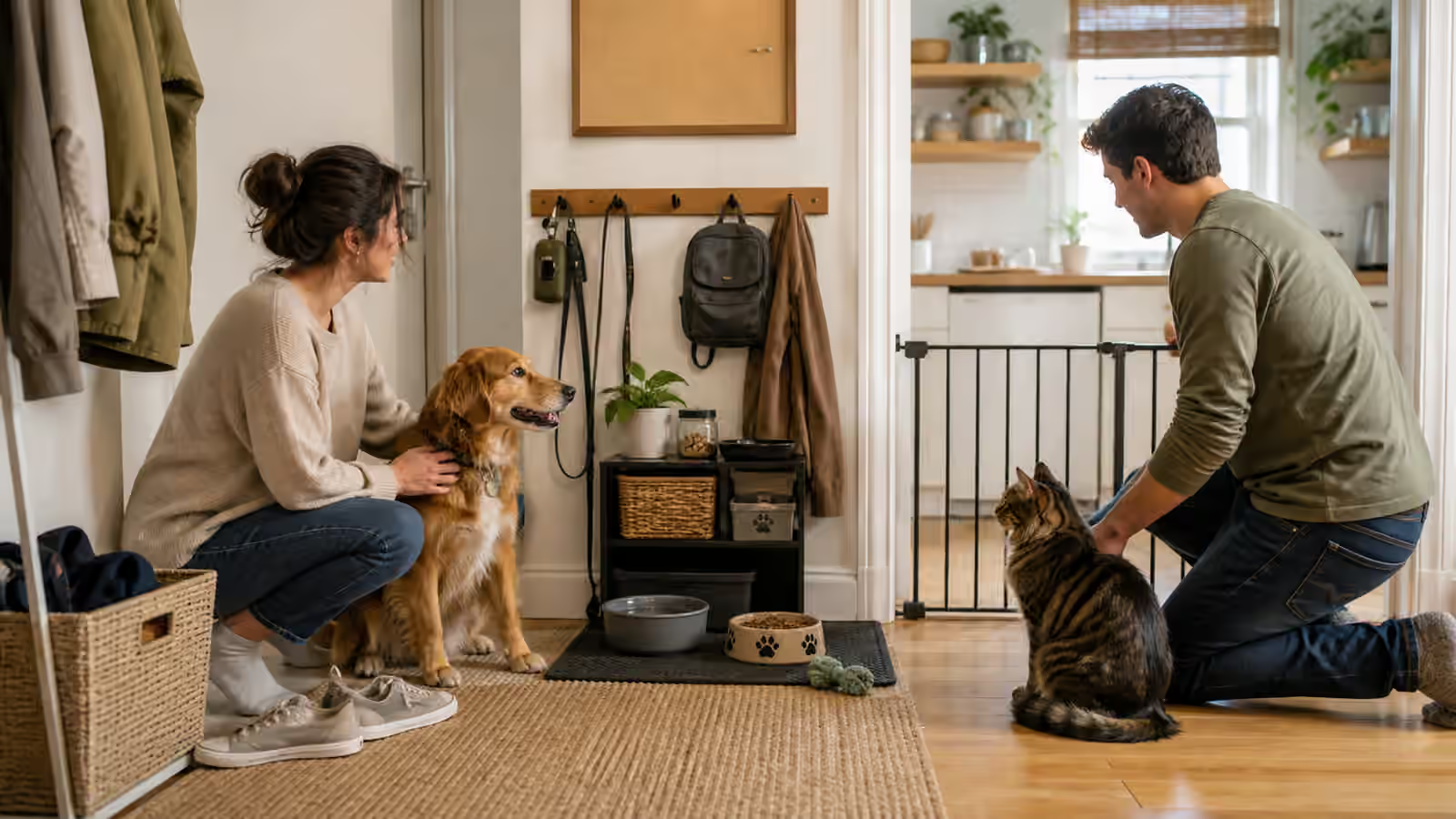
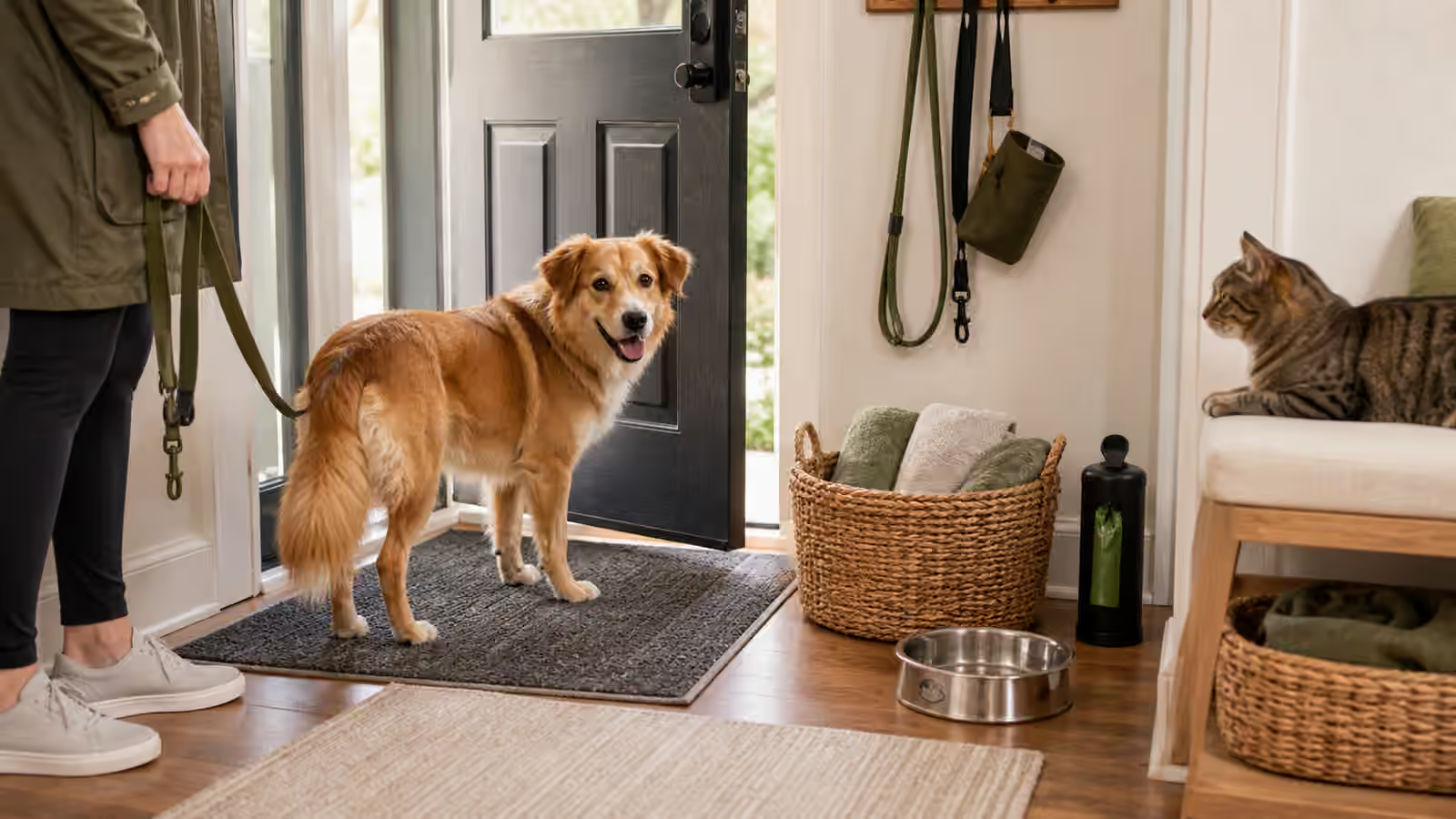
The doorway is where rainy days either settle down or become a negotiation. Put the most useful items where the wet pet will actually stand: a towel that can touch the dog before they reach the sofa, a mat that can get dirty, waste bags, a leash hook, and a small place for damp gear to dry. A washable entryway runner is useful when it gives the dog a clear landing strip rather than another object the household has to protect.
This does not have to look like a mudroom in a catalog. Many apartments only have a narrow entry, a hallway, or a corner near the door. The important move is to give water and dirt a predictable path. Wet shoes go on the tray. The leash hangs in the same place. The towel basket stays low enough to reach while one hand still holds the dog. The cat’s perch or resting place stays out of the traffic line so the cat can watch without being stepped over.
If your home already has the cleaning setup from Pet Cleaning Setup for a Fresher Home , rainy days simply put that system under more pressure. The supplies do not need to multiply; they need to be closer to the mess. A towel in a distant linen closet is technically available, but it is not part of the routine when the dog is dripping at the threshold.
Make the walk smaller before making it stricter
Bad-weather walks are often shorter, and that is fine. The mistake is trying to compensate for a shorter walk by demanding perfect leash manners while the environment is louder, wetter, and more distracting than usual. Rain changes smells, sound, footing, traffic, umbrellas, hoods, and handler movement. A dog who usually walks nicely may pull toward shelter, stop at puddles, or rush through a bathroom break because the world feels different.
Use the same principles from Loose-Leash Walks Without Turning Every Walk Into Training , but lower the difficulty. Choose a simpler route. Let the dog sniff where it is safe. Reward the moments when the leash softens. Turn around before everyone is soaked and irritated. A short walk that keeps the dog oriented is more useful than a long walk that teaches the dog to drag the handler home.
For puppies and newly adopted adult dogs, weather can reveal how much of the routine is still fragile. A puppy may forget bathroom habits when the ground feels strange or rain hits their face. An adopted adult dog may hesitate at a doorway that was easy yesterday. That does not mean the plan has failed. It means the context changed. Pair the walk with the calmer expectations in New Puppy First Week Checklist or The First Month With an Adopted Adult Dog and treat the rainy version as a lower-pressure repetition.
Practice drying as handling, not cleanup
Drying a wet dog is a handling exercise before it is a cleaning task. Many dogs dislike having paws grabbed, ears rubbed, tails lifted, or towels pushed over their face. If the first real drying practice happens after a cold wet walk, the dog is already uncomfortable and the handler is already motivated by the floor. That is a poor teaching moment.
On ordinary days, practice a tiny version. Touch the towel to one shoulder, give a treat, and stop. Pick up one paw for a second, reward, and let the paw go. Wipe the chest gently, then release the dog to a mat or bed. The point is not to train a performance. It is to make the towel part of normal life so rainy days do not feel like a sudden restraint routine.
Cooperative Grooming and Handling at Home gives the broader frame: short practice, clear consent signals, and stopping before the pet is overwhelmed. That matters at the doorway. A dog who turns away, freezes, mouths the towel, hides, or growls is giving information. Make the drying smaller, use better rewards, change the towel texture, or ask for professional help if handling becomes unsafe.
Cats may need handling respect too, even if they never go outside. A wet coat from a screened porch, an unexpected dash near the door, or a spill near a water bowl can lead to rushed wiping. Most cats do better when the household manages the environment instead of scooping and scrubbing. Keep resting places away from wet entry traffic, and let a cat choose distance when the dog returns from a loud walk.
Give indoor energy a job
Rain often removes the easy outlets. Walks get shorter. Yard time may disappear. The household may skip a park visit, porch time, or a longer sniff route. If nothing replaces that work, the energy usually comes out sideways: barking at windows, chasing the cat, stealing towels, scratching furniture, zooming through the hallway, or demanding attention at bedtime.
Indoor enrichment does not need to be elaborate. A few treats scattered in a safe room can turn sniffing back on for a dog. A food puzzle can make part of dinner take longer. A cardboard box with supervision can become a simple search game. A cat may need a real play cycle with a wand toy, a few catches, a meal, and a quiet perch rather than another toy left on the floor. Pet Enrichment for Bored Dogs and Cats is the deeper guide, but rainy days are where its practical value shows.
Match the indoor job to the pet’s state. A dog who comes in frantic from rain may need a towel routine, water, and a chew before training. A cat who is hiding during thunder may not want play; they may want predictable access to litter, water, and a quiet room. A puppy who has lost outdoor time may need more naps, not more stimulation. The best replacement activity lowers the household temperature instead of turning the living room into a second storm.
Keep cats from being an afterthought
Rainy-day planning often centers on dogs because dogs go outside. Cats still live inside the changed household. People enter with wet coats. Doors open longer. Windows rattle. Dogs return smelling different. Shoes, towels, and umbrellas appear in places that were clear yesterday. A cat who is sensitive to household movement may react to those changes even if the weather never touches them.
Protect the cat’s resources first. Litter should remain easy to reach, especially if doors close during wet entries. Food and water should not be blocked by a drying dog or a pile of boots. Scratching and perching options should stay available. If the cat uses a home base like the setup in New Cat Setup: Litter, Scratching, Hiding, and Play , rainy days are a good reason to preserve it rather than deciding the cat should simply tolerate the busy hallway.
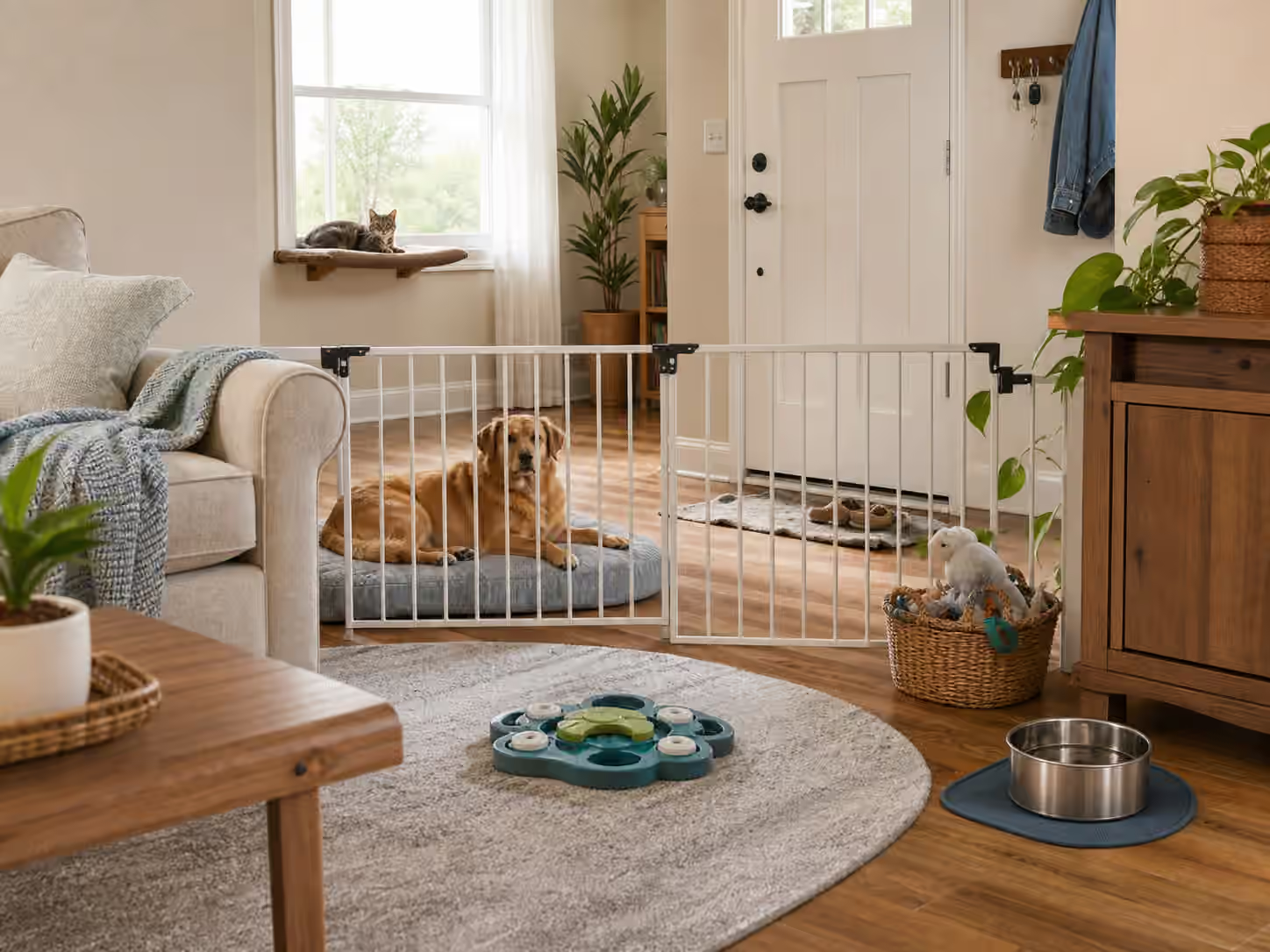
In dog-and-cat homes, the return from a wet walk can be a flashpoint. The dog is excited, wet, and full of smells. The cat may be curious, cautious, or annoyed. Use gates, distance, and stations the way Dog and Cat Introductions at Home recommends, even if the animals normally coexist well. A familiar gate for three minutes after a rainy walk is not a setback. It is a way to keep one animal’s weather day from becoming the other animal’s problem.
Reset the home before the next outing
The final step of a rain routine is boring cleanup while the system is still visible. Hang the leash where it can dry. Put towels in the laundry path before they sour. Check under the mat instead of assuming it caught everything. Refill waste bags. Return treats to the entry station. If the dog wore a coat, harness, or long line, let it dry fully before it becomes tomorrow’s damp surprise.
This reset is also when patterns become clear. If every rainy walk ends with the dog slipping on the same floor, add traction. If the entry is too narrow for the dog and cat to pass calmly, change traffic flow. If the dog refuses to toilet in rain again and again, build easier practice on mild wet days rather than waiting for a downpour. If the cat avoids the litter box when the hallway is busy, move or duplicate resources so access is not dependent on a quiet entry.
Apartments add their own constraints. Elevators, shared halls, stairwells, and neighbors with umbrellas can make wet outings harder. Apartment Pet Setup for Dogs and Cats pairs well with this routine because small spaces need clear traffic rules. The smaller the home, the more each station has to earn its place.
Know when it is not just weather
Some rainy-day friction is ordinary. A dog may dislike puddles. A cat may choose a hiding spot while wind hits the windows. A puppy may need more patient bathroom trips. Those are setup problems first: simplify, prepare the doorway, protect resources, and use indoor enrichment.
Other signs deserve a more cautious response. Panic, self-injury, repeated escape attempts, aggression, sudden house-soiling, pain, limping, appetite changes, vomiting, diarrhea, collapse, inability to settle, or any medical concern should not be treated as a quirky weather preference. Use When to Call a Vet, Trainer, or Groomer to decide which kind of help fits the concern.
A rainy-day routine is successful when it makes wet weather less dramatic. The dog knows where to land. The cat has a place to watch or retreat. The handler has towels before the floor needs rescuing. The walk gets smaller without becoming tense. The lost outdoor time turns into a reasonable indoor job. That is the Pawstead pattern in miniature: make the home easier to read, and the pet has less chaos to answer.