Puppy teeth are small, sharp, and attached to a young animal who explores the world through the mouth. That combination can make a normal evening feel personal. The puppy bites sleeves, grabs hair, chews the chair leg, pounces on shoelaces, and looks delighted while the people in the room try to decide whether this is play, teething, defiance, or a sign that training has already failed.
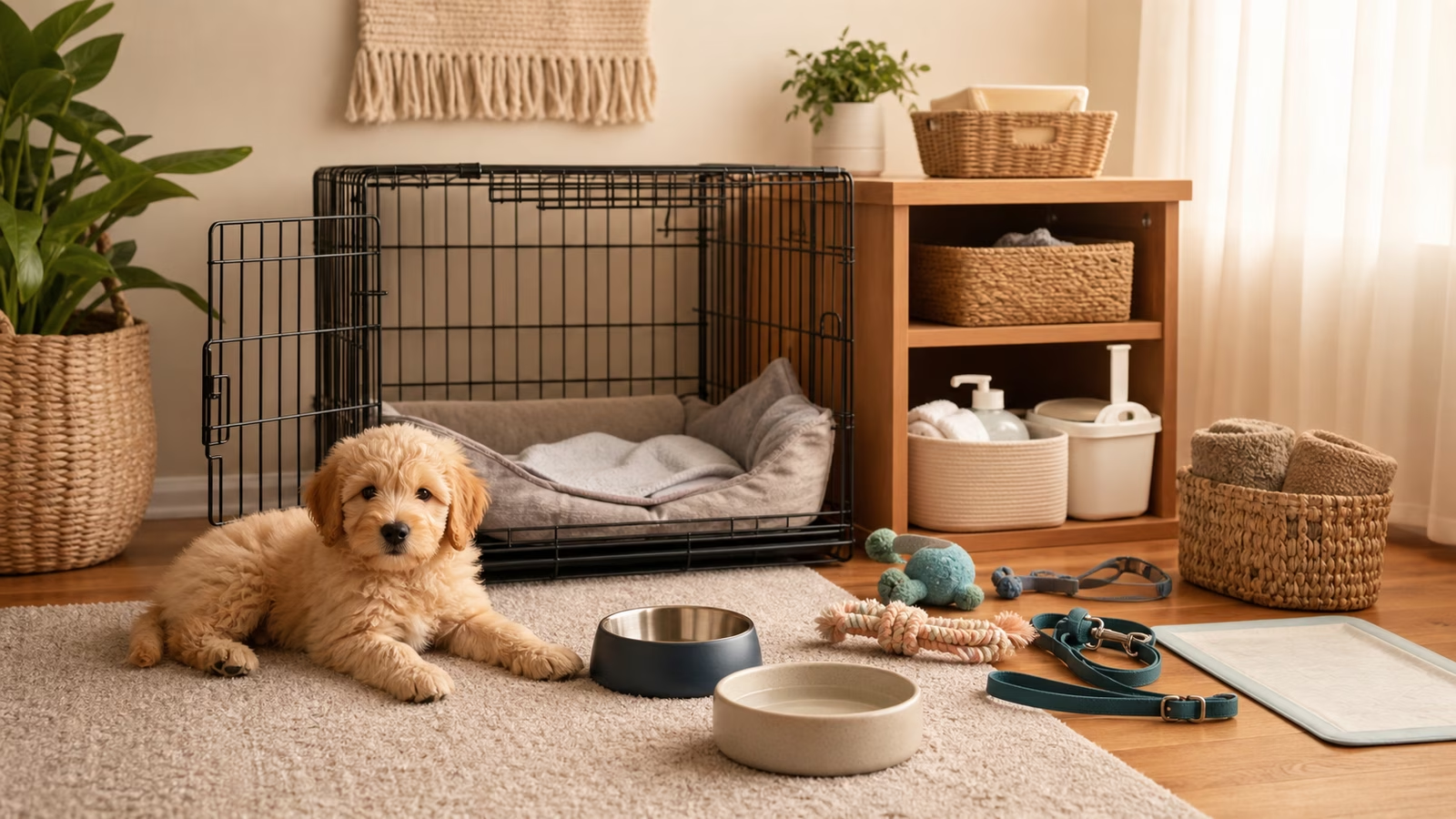
Most puppy mouthiness is not a character problem. It is a developmental problem that needs a room, a rhythm, and better things for the mouth to do. The early setup in New Puppy First Week Checklist gives the puppy sleep, bathroom structure, and safe zones. This guide narrows the focus to the moments when teeth meet skin, clothes, furniture, leashes, rugs, and every object that happens to move.
Give the mouth a legal job
A puppy who has no legal chewing plan will invent one. That plan may involve table legs, hands, laundry, cardboard, rug corners, remote controls, or the trim around a doorway. The solution is not simply to say no more often. The puppy needs enough appropriate options that chewing can happen without becoming a household argument every five minutes.
Choose chews that match the puppy’s size, chewing style, and supervision level. A soft-mouthed puppy may need something different from a determined puppy who breaks pieces off quickly. Rotate options instead of putting every toy on the floor at once. Novelty helps, but too much clutter can make the puppy scatter from object to object without settling. The toy ideas in Dog Chewing and Toy Rotation at Home apply here, with one extra caution: puppies change quickly, so inspect items often and retire anything that has become too small, sharp, frayed, or easy to swallow.
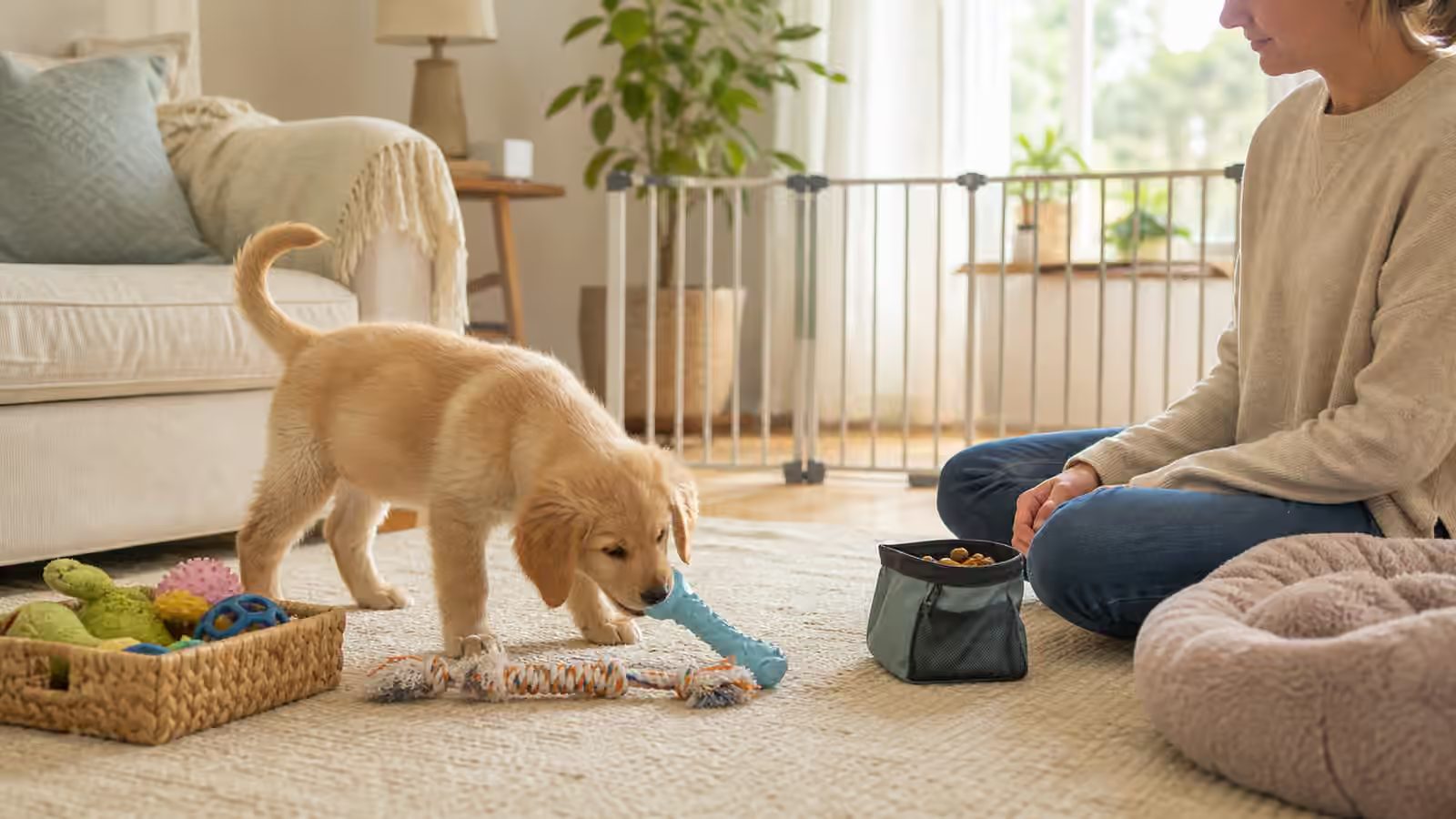
Make legal chewing easy to find before trouble starts. Put a small basket near the play area, a chew near the resting pen, and a safe option by the place where people sit on the floor. When the puppy approaches with a busy mouth, redirect to the object as if it was always part of the conversation. The point is not to distract forever. The point is to teach that the home already contains acceptable answers.
Separate teething, play, and frustration
All puppy biting can look similar when it hurts, but the reasons differ. Teething often brings steady chewing, gnawing, and a desire to work the mouth on objects. Play biting is more social and bouncy, often aimed at moving hands, pant legs, sleeves, or hair. Frustration biting can appear when the puppy is tired, confined, overstimulated, or prevented from reaching something they want.
Respond to the reason instead of treating every bite the same way. A teething puppy may need a better chew and a quieter place to settle. A play-biting puppy may need a toy between mouth and hands, shorter sessions, and a pause before excitement climbs. A frustrated puppy may need sleep, a bathroom trip, a simpler barrier setup, or less access to the busy part of the room.
Watch the time of day. Many puppies become mouthier in the evening because the day has used up their ability to regulate themselves. People may call it the wild hour, but the household can often see it coming. If the puppy has already had food, bathroom time, some gentle play, and a safe chew, the next useful step may be rest. Pet Sleep and Overnight Routines matters because a tired puppy is rarely a better learner.
Change the room before correcting the puppy
The room should make success easier than failure. If the puppy can reach cords, shoes, chair legs, children’s toys, dangling blankets, and a trash can, the puppy is not being given freedom. They are being given a field of experiments. Pet-proofing is not a punishment. It is a way to stop rehearsing the exact behavior everyone dislikes.
Use gates, pens, closed doors, and simple storage. Put shoes away. Lift laundry. Move low baskets and cords. Keep a tug toy or chew near the places where people sit. Give the puppy a washable mat or bed so the play area has a clear center. The room guidance in Pet-Proofing Rooms Before Giving More Freedom is especially useful during teething because the puppy’s mouth is changing faster than the household expects.
Furniture needs the same practical approach. A puppy who chews one chair leg whenever the room gets quiet may need a different rest location, a bitter-tasting furniture-safe deterrent if appropriate, or a barrier that removes access while a legal chew gains value. Do not wait until the puppy has practiced the habit for weeks and then expect one correction to erase it.
Teach trades and pauses before the wild moment
Trading is one of the most useful puppy skills because it changes the mood around the mouth. Instead of chasing the puppy for a sock, the person offers a better option, waits for the puppy to release, and quietly removes the sock. Practice with low-value objects first. If every trade happens only when the puppy has stolen something thrilling, the game becomes too exciting.
Pauses help too. During play, stop before the puppy is frantic. Hold the toy still for a moment. Let the puppy reset. Start again when the mouth is on the toy and the body is less explosive. If teeth land on skin, make the interaction boring and redirect to an object. Repeated yelping, pushing, or fast hand movements may make some puppies more animated, not less.
Tug can be useful when it has rules the puppy can understand. The toy is the target. Hands stay quiet. The game pauses when teeth move up the toy toward skin or when the puppy cannot recover. A good tug session is not a wrestling match with a small animal. It is a structured way to give the mouth a job and teach the puppy that people can be exciting without becoming chew objects.
Protect children, clothing, and tired adults
Children and puppies often activate each other. Children move quickly, squeal, wave arms, drop snacks, and wear clothing that moves like a toy. Puppies chase those signals with their mouths. That does not mean the child caused the problem or the puppy is bad. It means the room needs adult management before the interaction begins.
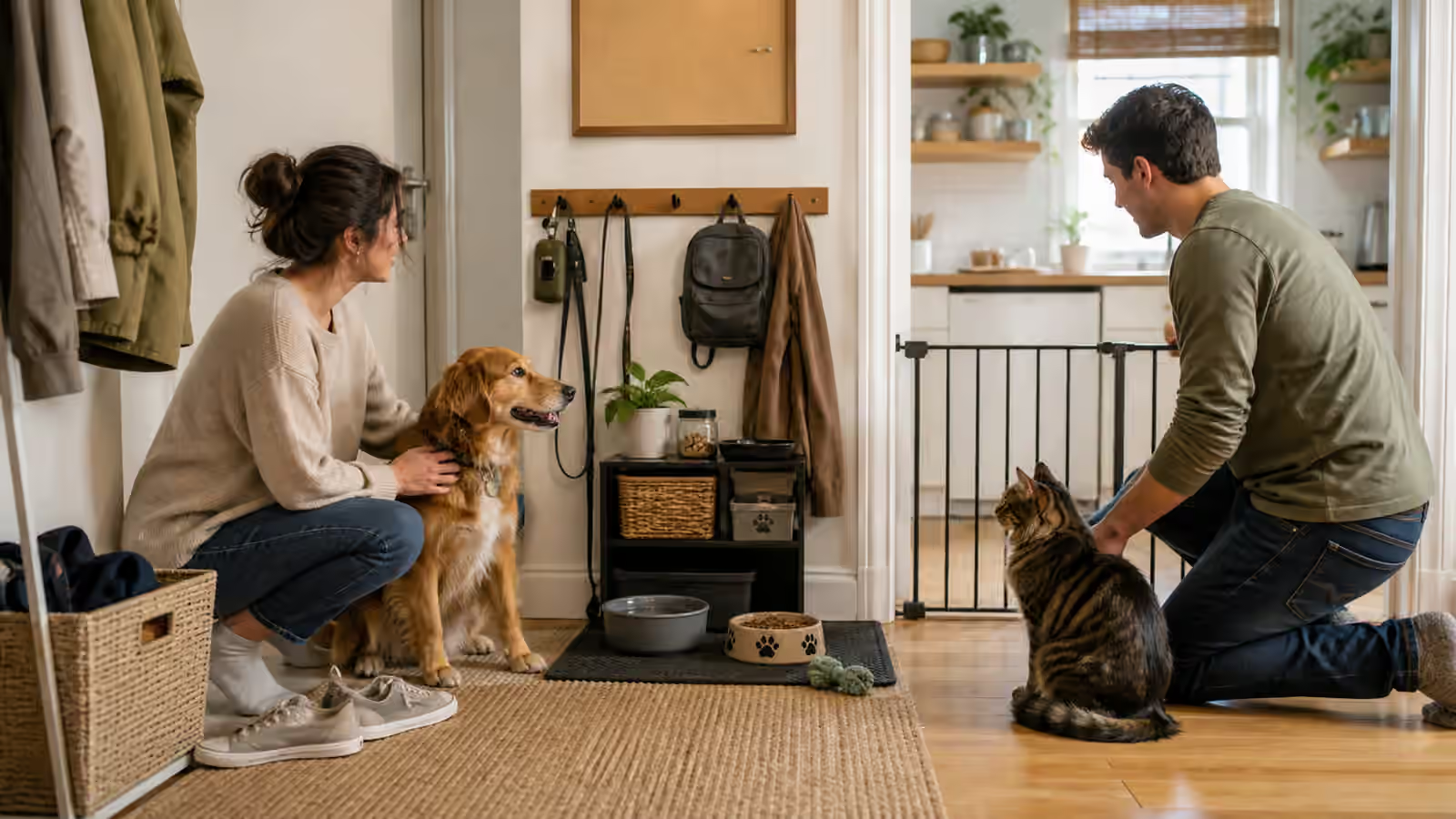
Use barriers when children are playing on the floor. Put the puppy behind a gate with a chew, or keep the puppy on the other side of the room with an adult. Teach children to stand still, fold hands, and call an adult instead of running from the puppy. The broader household rules in Children and Pet Boundaries at Home are important here because mouthy play can turn unsafe quickly when people are small or overwhelmed.
Adults need protection too. Wear calmer clothing during puppy play if loose sleeves, robes, or drawstrings become targets. Keep a toy within reach before sitting on the floor. End sessions while everyone still has patience. A tired adult who has been bitten all evening may react sharply, and a puppy who is overtired will not learn much from that sharpness.
Know when the pattern is asking for more help
Normal puppy mouthiness should gradually become easier as sleep, supervision, legal chewing, and training improve. It may not disappear quickly, and teething can create uneven weeks, but the household should see more recovery, more toy choices, and fewer hard bites over time. If the pattern is getting more intense, breaking skin repeatedly, appearing around food or stolen objects, or making people afraid to move through the house, treat that as information.
Some puppies need a trainer to help the household sort arousal, frustration, rest, and bite inhibition. Some need a veterinary check because discomfort, hunger, digestion issues, or pain can change behavior. Some simply need a better daily rhythm with fewer crowded rooms and more rest. The decision frame in When to Call a Vet, Trainer, or Groomer belongs here because waiting until everyone is angry rarely makes puppy teeth easier to live with.
The best teething plan is not dramatic. It is a home where the puppy wakes, chews the right things, plays with toys instead of hands, rests before losing control, and slowly learns that human skin and clothing are not part of the toy rotation. That kind of progress comes from ordinary repetitions, not one perfect correction.