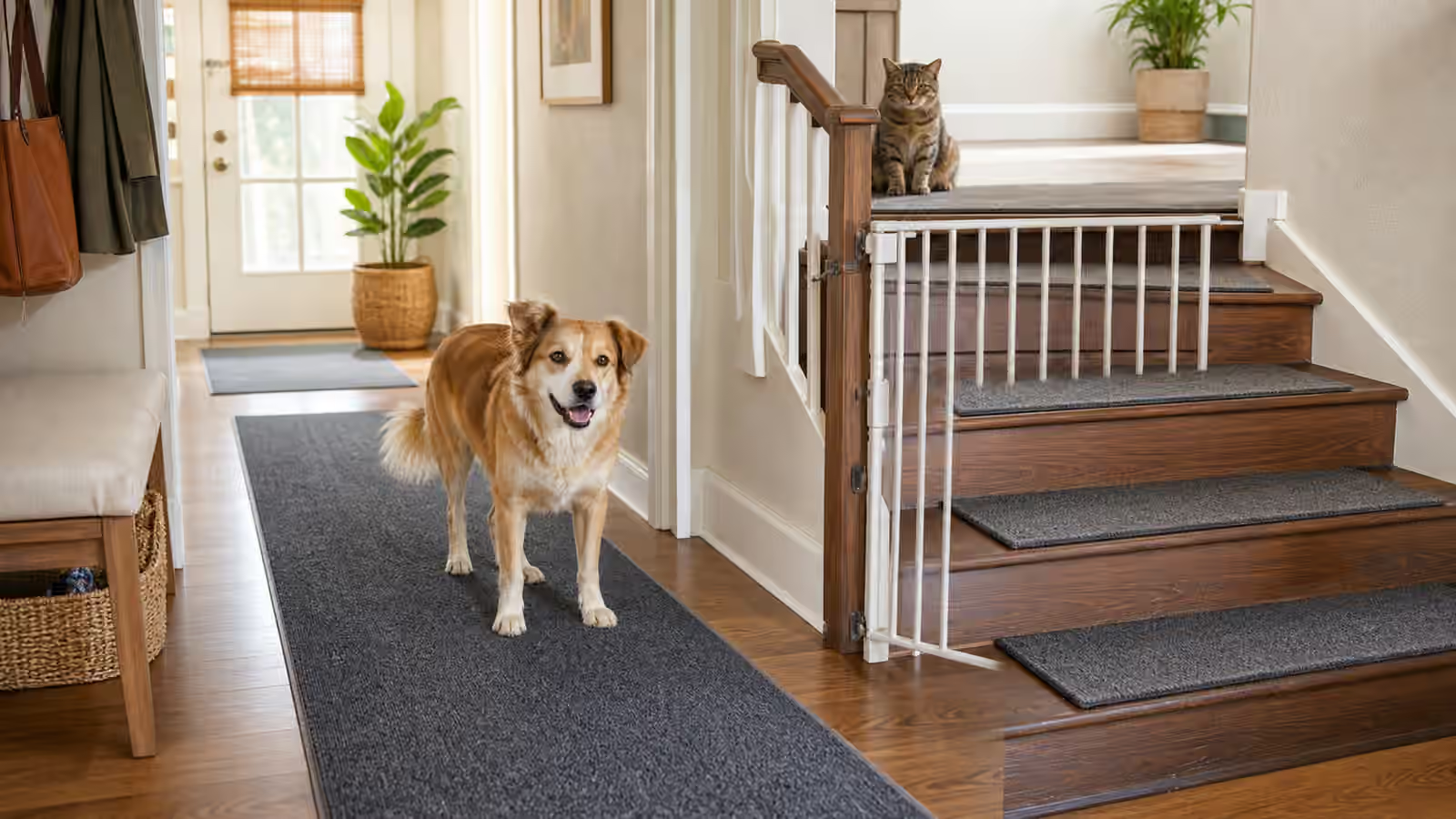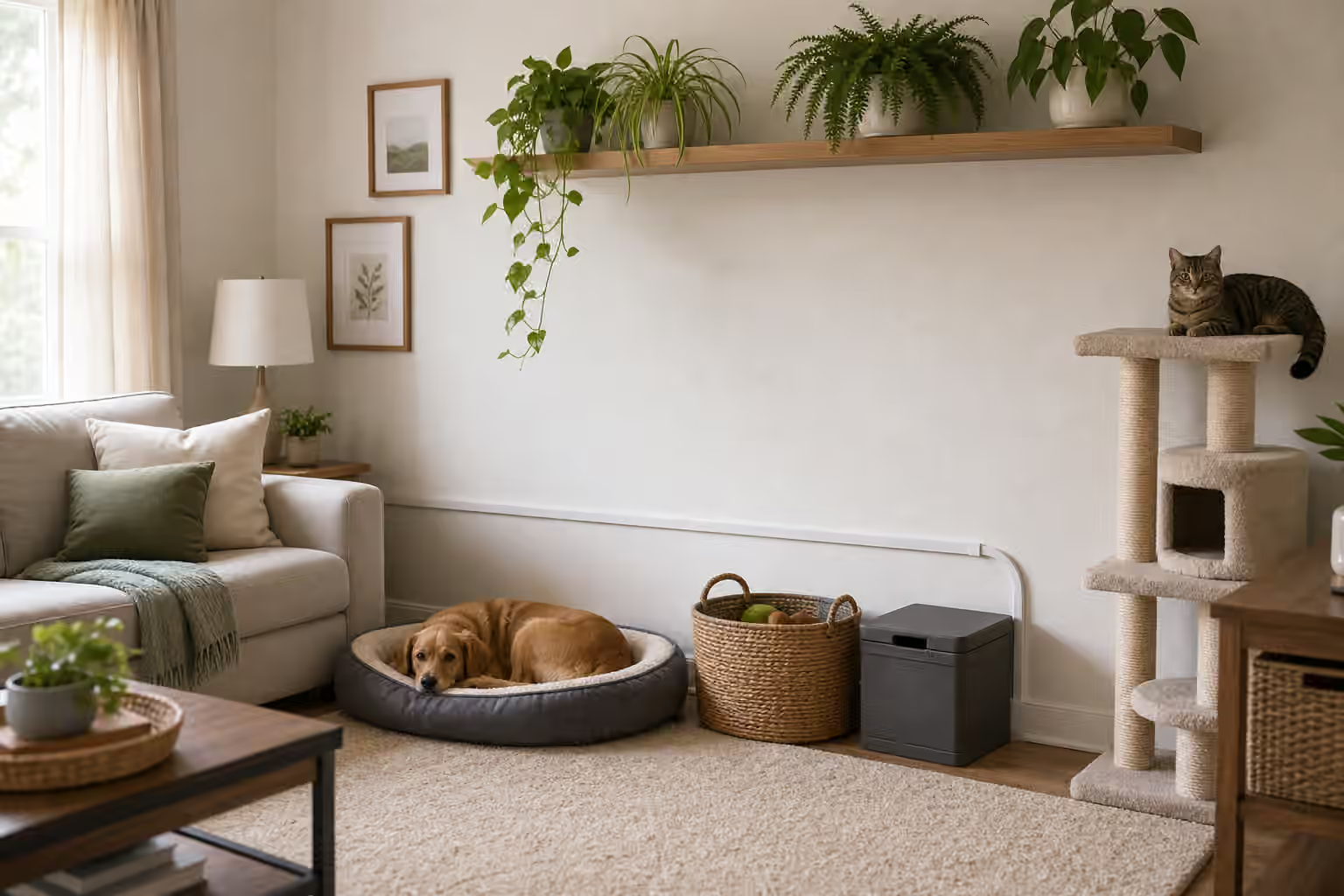
The hardest pet-proofing problems are often the small ordinary ones. A charger cord hangs behind a sofa. A plant sits on a low stand. A sewing basket is left open for one evening. A child’s toy rolls under the coffee table. A cat discovers the shelf route nobody noticed. A dog learns that the bathroom bin smells interesting. None of these objects has to look dramatic to become a daily temptation.
Pet-Proofing Rooms Before Giving More Freedom covers the room-by-room habit. This guide narrows the lens to plants, cords, and small objects because they are easy to underestimate and easy to scatter across the home. The aim is not to make the house bare. The aim is to place tempting things so pets do not have to practice risky investigation all day.
Start with reach, not intention
Pet-proofing improves when people stop asking whether a pet “should” know better. The better first question is reach. Can the dog put a mouth on it? Can the cat hook it with a paw? Can a puppy drag it under furniture? Can a senior pet knock it down while slipping? Can two pets chasing each other turn a shelf into a hazard? Reach includes height, jumping routes, furniture edges, dangling parts, and the way objects move when bumped.
Walk the room at pet level. Then look up like a cat. A plant on a table may be out of dog reach and directly on a cat’s route. A cord behind a desk may seem hidden until a puppy rests there. A small object on a nightstand may be safe from the cat until the cat starts using the bed as a launch point. The pet does not need a plan. The layout has already created one.
Freedom should expand only after the room answers these questions. A new puppy, newly adopted dog, kitten, or curious adult cat should not be given a room full of experiments and then corrected for experimenting. Set the room up first, then observe what remains interesting.
Treat houseplants as unknown until verified
Houseplants create several problems at once. Leaves can be chewed. Soil can be dug. Pots can tip. Water trays can spill. Plant stands can wobble. A plant that never interested one pet may fascinate another. If you do not know whether a plant is safe for the species in your home, move it out of reach until you can check a reliable veterinary or poison-control source.
Out of reach has to mean out of actual reach. A high shelf may work for a dog and fail for a climbing cat. A hanging planter may still drop leaves. A plant stand may be stable until a dog bumps it during play. For cats, think about the route: sofa to side table, side table to windowsill, windowsill to plant shelf. For dogs, think about noses, tails, and the temptation of soil or mulch.
Even plants that are not considered highly toxic can create mess, stomach upset, or repeated chewing habits. The safer setup is to separate plants from pet traffic and give the pet better legal options in the same room. Cats may need scratching, vertical space, and play near the window so the plant is not the only interesting object. Dogs may need chew outlets, rest zones, and supervision during high-energy times.
Make cords boring and physically protected
Cords invite chewing, pawing, dragging, and tangling because they are thin, textured, and often placed exactly where pets rest. Chargers, lamp cords, computer cables, blind cords, heated blanket cords, and appliance cords all deserve attention. The answer is usually physical management before training. Route cords behind furniture that pets cannot access, use cord channels where appropriate, remove unused chargers, and keep dangling loops from becoming toys.
Do not rely on taste deterrents as the main plan. Some pets ignore them, some lick them, and some simply find another section. Physical prevention is more reliable. A cord that cannot be reached cannot become a rehearsal. A charging station inside a closed drawer or on a high counter may be simpler than telling the dog to leave the phone cable alone every night.
Cord safety also connects to room transitions. If a dog is gated in a home office while the person takes a call, the office must be ready for unsupervised moments. If a cat hides behind the entertainment console when visitors arrive, the cables behind that console are part of the visitor plan. Visitors and Doorway Routines for Pets is not only about greetings; it is also about where a pet goes when the household gets busy.
Give small objects a closed address
Small objects become problems because they migrate. Hair ties, earplugs, coins, batteries, medication caps, craft supplies, sewing needles, rubber bands, children’s toys, jewelry, puzzle pieces, food wrappers, and office supplies move from tables to floors without anyone noticing. Dogs may chew them. Cats may bat them under furniture, swallow string-like items, or hide them where people find them later.
Use closed storage for categories that scatter. A lidded bin for craft supplies, a drawer for chargers, a closed bathroom cabinet, a laundry hamper with a lid, and a landing tray placed above pet reach can change the whole room. The goal is not perfection. It is reducing the number of tempting objects available during the moments when nobody is watching.
Children’s spaces and hobby areas need special care because they change often. A room that was safe yesterday may have beads, clay, game pieces, fabric scraps, or snack wrappers today. If the pet cannot be supervised, use a door or gate until the room has been reset. This is environmental kindness, not mistrust.
Make shelves and low surfaces honest
Low shelves are not storage when a pet can empty them. They are puzzles. Open baskets, shoe racks, coffee tables, bedside tables, and bathroom shelves all invite investigation. If the item would matter in a pet’s mouth, move it. If a cat can knock it down and break it, secure it or relocate it. If a dog can steal it while people are cooking or greeting guests, it does not belong at that height.
Some households try to keep the same decorative layout and train around it. Training has a place, but it should not be forced to carry the whole burden. A puppy in the middle of teething will learn faster when the room has legal chew items and fewer stolen objects. Puppy Teething and Mouthy Play at Home pairs well with this because teething is not a moral argument. It is a setup challenge with a mouth attached.
For cats, low surfaces may be less interesting than routes. A shelf becomes tempting because it leads to a window, a plant, warmth, height, or a view of the dog. Give the cat a better route before blocking every surface. Cat Vertical Space and Safe Routes helps turn climbing into a planned behavior instead of a conflict over every table.
Reset after chores, guests, and deliveries
Rooms often become unsafe after normal human activity. Grocery bags sit on the floor. Gift wrap leaves ribbon behind. A repair visit moves tools into a hallway. Laundry exposes socks and dryer sheets. A party leaves plates at pet height. The pet may be blamed for noticing what the household left available.
Build a reset habit after high-clutter moments. Before giving the pet freedom, scan for plants moved to low surfaces, cords pulled loose, small objects under tables, trash accessible, and doors to hobby rooms left open. This connects to Household Chores Around Dogs and Cats because chores are easier when the pet’s role is planned rather than improvised.
Good pet-proofing is not a sterile house. It is a house where risky temptations have addresses, cords are protected, plants are verified and placed honestly, and small objects are not left to become the pet’s entertainment. The calmer room gives training a fair chance because the environment has stopped setting traps.