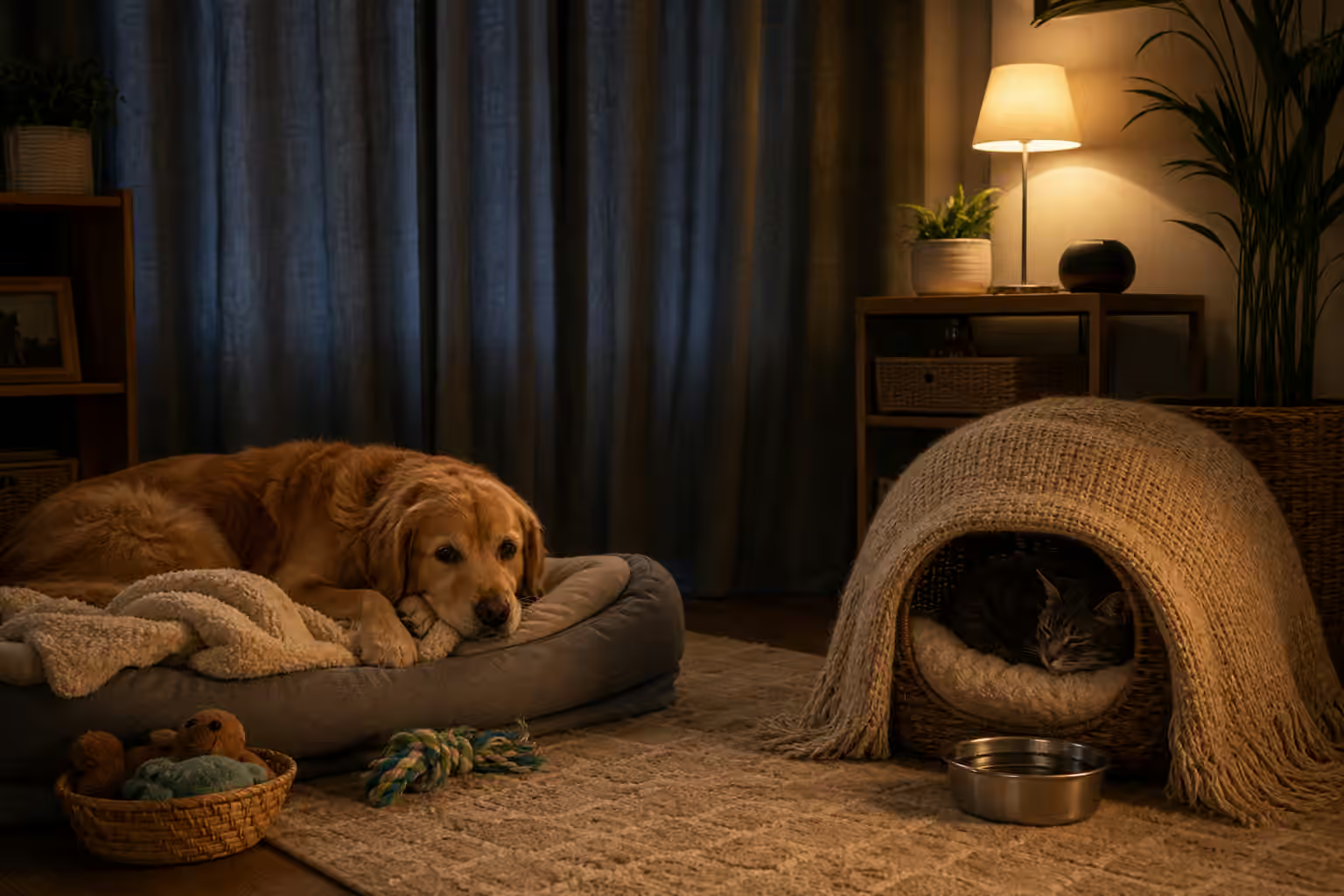
Night problems rarely begin at night. They usually begin with a day that has no rhythm, an evening that gets too exciting, a sleep location that changes every few hours, or a household that only starts making decisions when everyone is already tired. Dogs and cats can both learn calmer nights, but they learn from the whole pattern around bedtime, not from one frustrated command in the dark.
A good overnight routine is not about forcing a pet to be silent. It is about making the end of the day understandable. The pet knows where rest happens, what happens before lights out, how bathroom needs are handled, what is available for comfort, and what does not earn a new round of attention. The household knows the difference between normal adjustment noise and signs that something is wrong.
Let the day set up the night
Pets sleep better when the day has included the right kind of activity. That does not always mean exhaustion. A dog who has been marched for miles without sniffing may still be restless because their mind never settled. A cat who slept through the evening may come alive at midnight because no one offered a proper play cycle before bed. A puppy who napped too little may become frantic rather than sleepy.
Build daytime structure before blaming the pet for nighttime energy. Dogs usually benefit from some combination of bathroom breaks, sniffing, gentle movement, chewing, training in short pieces, and real rest. Cats often do better with predictable play that lets them stalk, chase, catch, and then eat or settle. Pet Enrichment for Bored Dogs and Cats is useful here because enrichment is not only entertainment. It helps a pet spend energy in a way that leaves them more organized.
The last hour matters. If the household winds the dog up with wrestling, visitors, doorbell noise, or frantic toy play and then expects instant sleep, the routine is fighting itself. If the cat’s only play happens when someone wiggles toes under a blanket, the cat learns that the bed is part of the hunt. Evening should taper. It can still include play, a chew, grooming practice, or a short walk, but the direction should be toward quiet.
Choose the sleep location before bedtime
Sleep locations become confusing when people decide them emotionally at midnight. A puppy cries, so the crate moves. A cat scratches a door, so the door opens. A dog jumps on the bed, gets moved off, returns, and gets talked to for ten minutes. The pet learns that nighttime is negotiable and interesting.
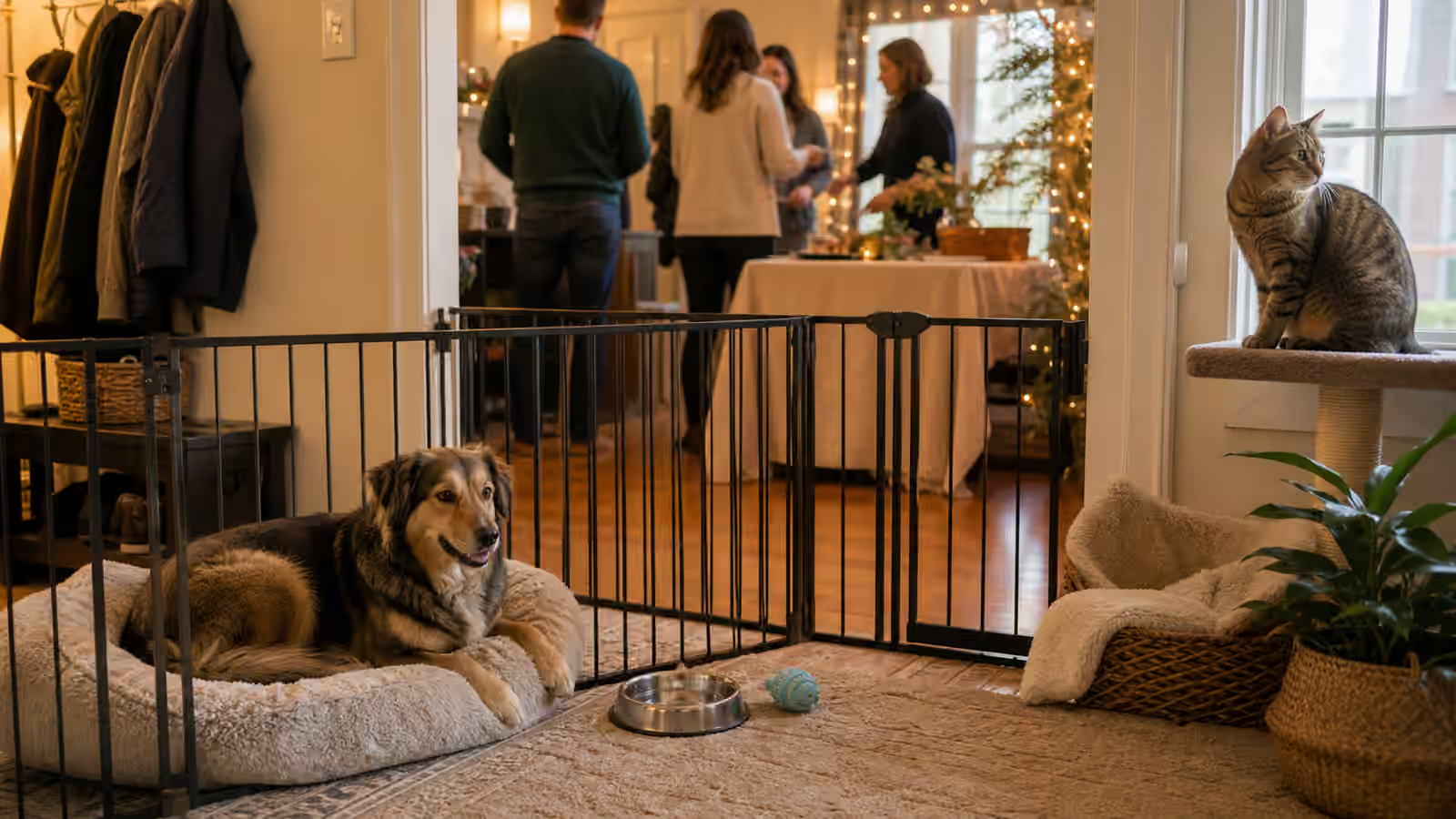
Decide the first version of the sleep setup while everyone is awake. A dog may sleep in a crate, on a bed in the bedroom, in a gated area, or in another calm room depending on the dog and household. A cat may have access to the bedroom, a separate home base, or a larger safe area with litter, water, scratching, and rest. The choice should match the pet’s needs and the household’s sleep, not a fantasy of what a perfect pet would do.
If a crate is part of the plan, it has to be introduced as a rest space, not as a nighttime argument. Crate Training Without Confusion covers that foundation. A crate that is comfortable during the day is much easier to use at night. A crate that only appears when the household is irritated will carry that meaning.
Puppies need management, not moral judgment
Puppies are not small adult dogs with worse manners. They have small bladders, changing sleep patterns, teething needs, and very little experience being alone in a new home. The first nights often require planned bathroom trips, a close enough sleep location that the puppy does not feel abandoned, and a boring response to genuine needs.
Keep nighttime potty trips plain. Leash on, outside or to the approved potty area, quiet praise if needed, then back to bed. Do not turn the trip into play. Do not wander the home looking for treats, toys, and conversation. The puppy is learning that night needs can be met without restarting the day.
The routine in New Puppy First Week Checklist pairs with sleep because accidents, overtired biting, crate frustration, and early waking are often connected. A puppy who has no daytime nap rhythm may fall apart at night. A puppy who drinks a large amount right before bed may need a different evening pattern. Keep changes practical and gentle, and involve a vet if bathroom patterns seem abnormal.
Cats need an evening routine of their own
Cats are often blamed for being nocturnal when the real problem is that their best activity window was ignored. A cat who sleeps under a chair from dinner to bedtime may decide that midnight is the time to hunt, climb, scratch, and ask why the household is not participating.
Create an evening sequence that respects cat behavior. Use a wand toy or other interactive play that lets the cat stalk and catch. Let the session end with a small meal or the regular feeding rhythm if that fits the household. Make scratching surfaces, water, litter, and resting places easy to find. Avoid teaching the cat that attacking hands, feet, or moving blankets is the reliable way to start play.
New cats may need a smaller overnight world at first. New Cat Setup: Litter, Scratching, Hiding, and Play explains why a home base can help a cat settle. A cat who spends the night hiding, eating poorly, or avoiding the litter box is not merely being mysterious. The setup may need to shrink, soften, or become more predictable, and health concerns should go to a veterinarian.
Make bathroom and water routines boring
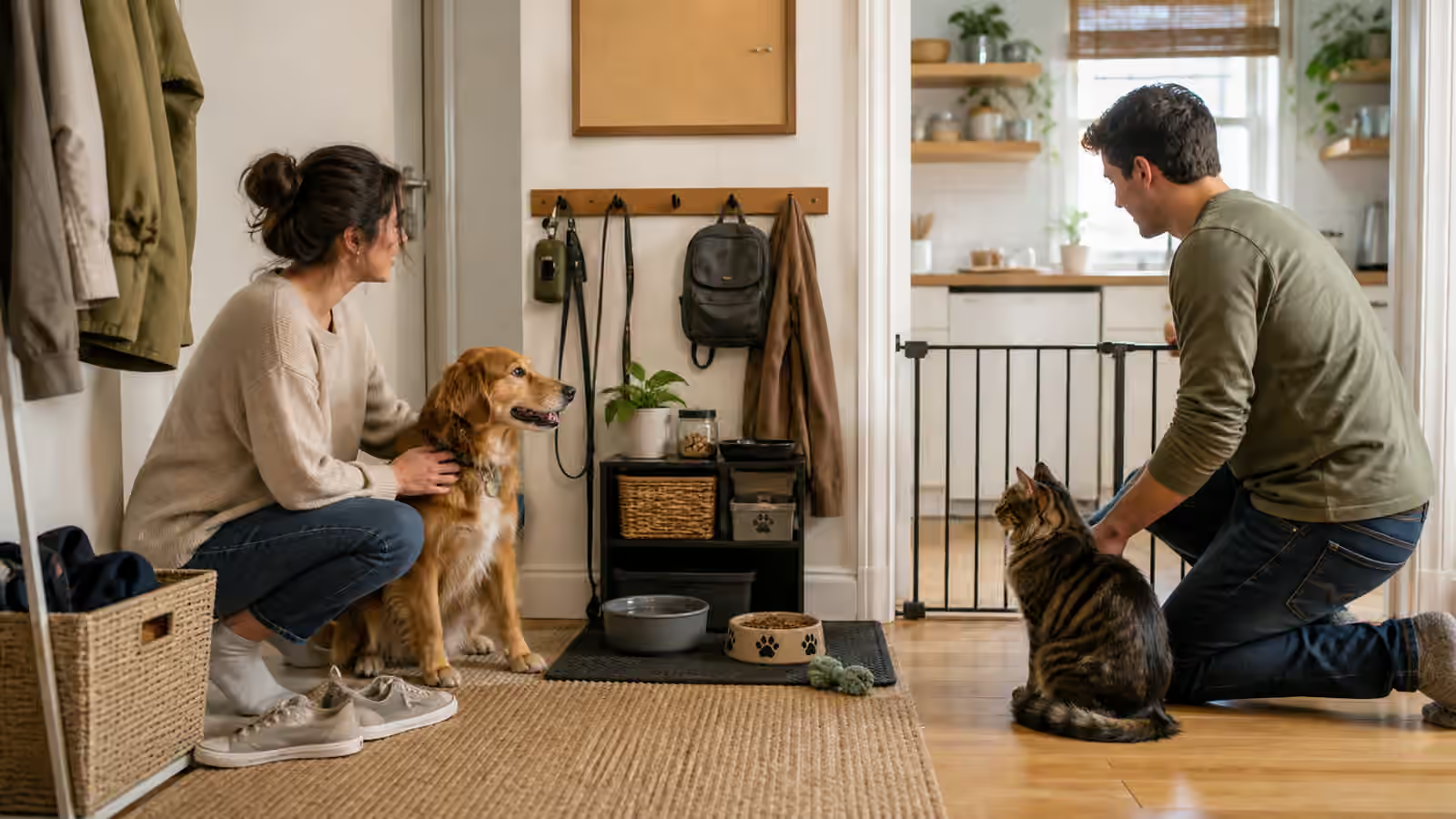
Bathroom uncertainty can ruin nights for every species in the home. Dogs need a clear last outing, and puppies or some older pets may need a planned overnight break. Cats need clean, accessible litter that does not require crossing a stressful area in the dark. Water should be available in a sensible place, but bowls should not sit where people stumble over them half-asleep.
For cats, the litter box should remain reachable overnight even if bedroom doors close. A cat who has to choose between waking the household and holding urine has a setup problem. Litter Box Setup That Actually Works is the deeper guide, especially for homes where the box has been tucked away for human convenience. For dogs, the last outing should be calm enough that it does not become a second evening walk full of surprises.
Cleaning belongs in the routine too. If an accident happens, handle it quietly and thoroughly with the right cleaner, then study the pattern in daylight. A single accident after a schedule change is different from repeated nighttime accidents, sudden urgency, or a pet who seems unable to settle physically. Pet Cleaning Setup for a Fresher Home helps with the practical side, but medical concerns need medical care.
Respond less theatrically
Nighttime teaches quickly because people are tired. A dog whines and receives a burst of attention. A cat scratches and the door opens. A puppy barks and the household debates the plan from across the room. Even scolding can become a reward if the pet wanted interaction.
This does not mean ignoring genuine distress. It means keeping responses small and purposeful. If the puppy needs a bathroom break, provide it plainly. If the cat is shut away from needed resources, fix the setup. If the dog is startled by a noise, offer a calm reset without launching into a full training session. The pet should learn that night responses solve simple needs and then return to rest.
Morning also matters. If the first bark, meow, scratch, or pawing always makes breakfast happen immediately, early waking may grow. Build a morning rhythm that gives the pet care without making the loudest behavior the alarm clock. The first steps can be quiet: bathroom, litter check, water, calm greeting, then breakfast when the routine reaches that point.
Pet sleep improves when the household stops treating night as a separate problem. The better question is what the pet’s whole day is teaching. Give the day enough activity, give the evening a taper, choose a sleep location before everyone is exhausted, and keep necessary responses boring. A pet who understands the rhythm has less reason to negotiate with the dark.