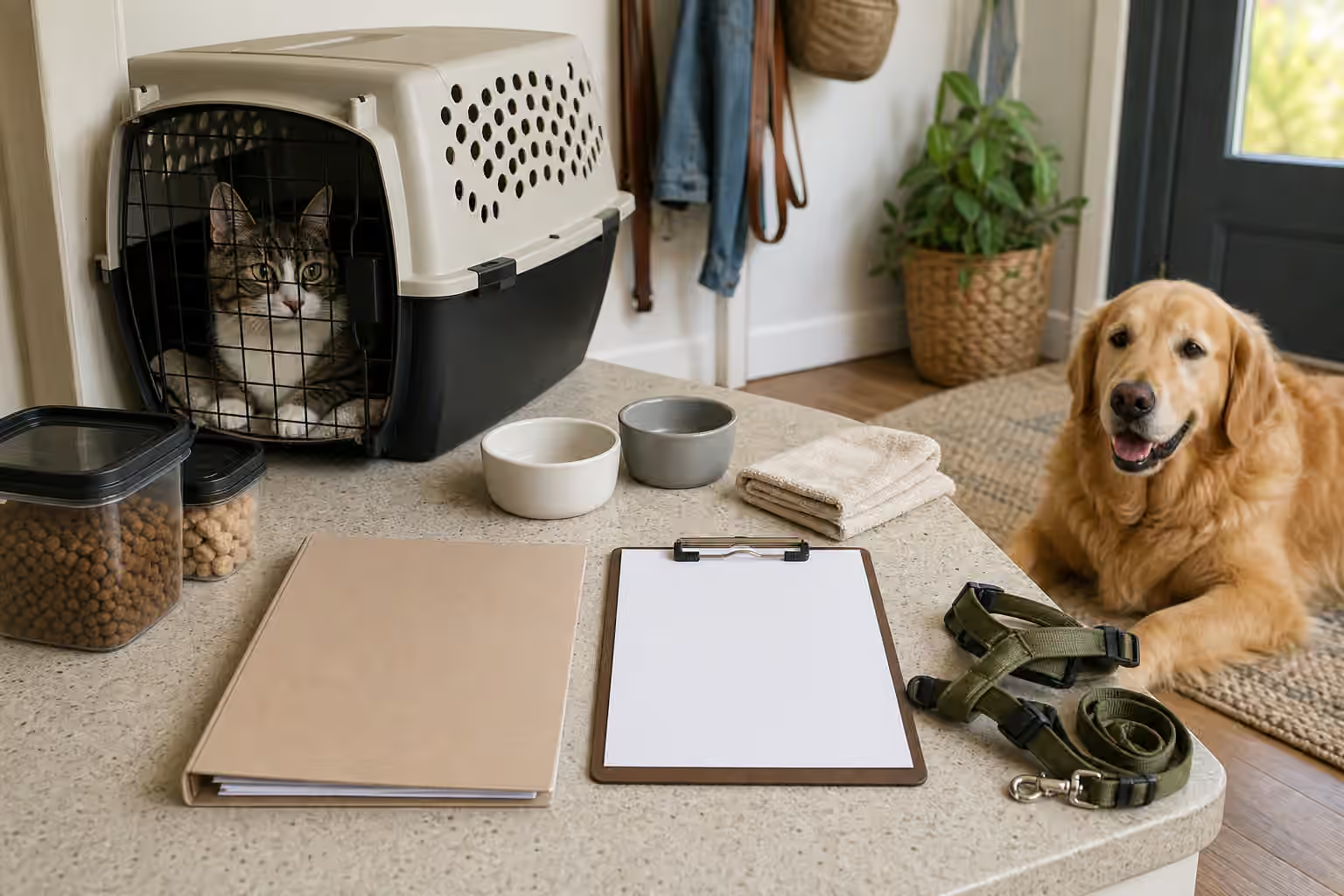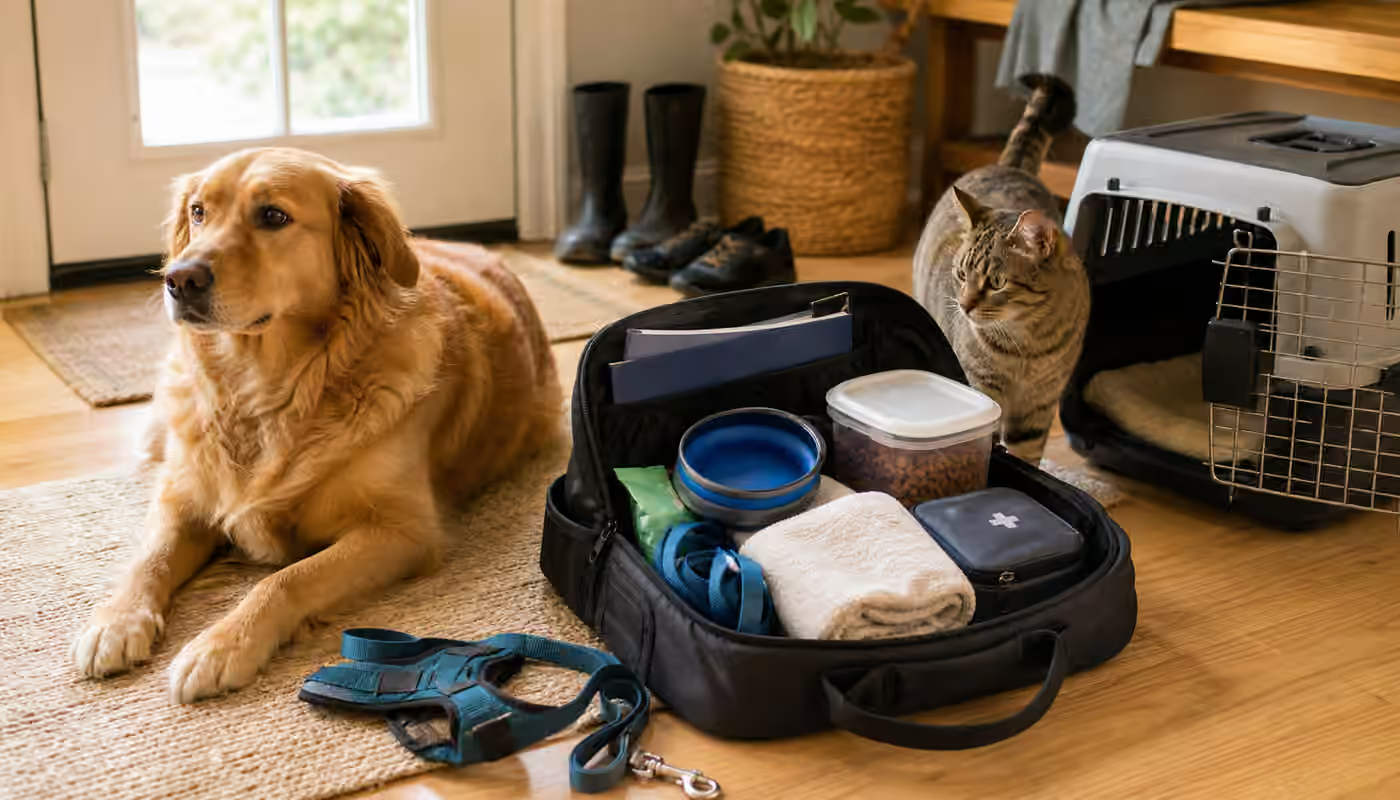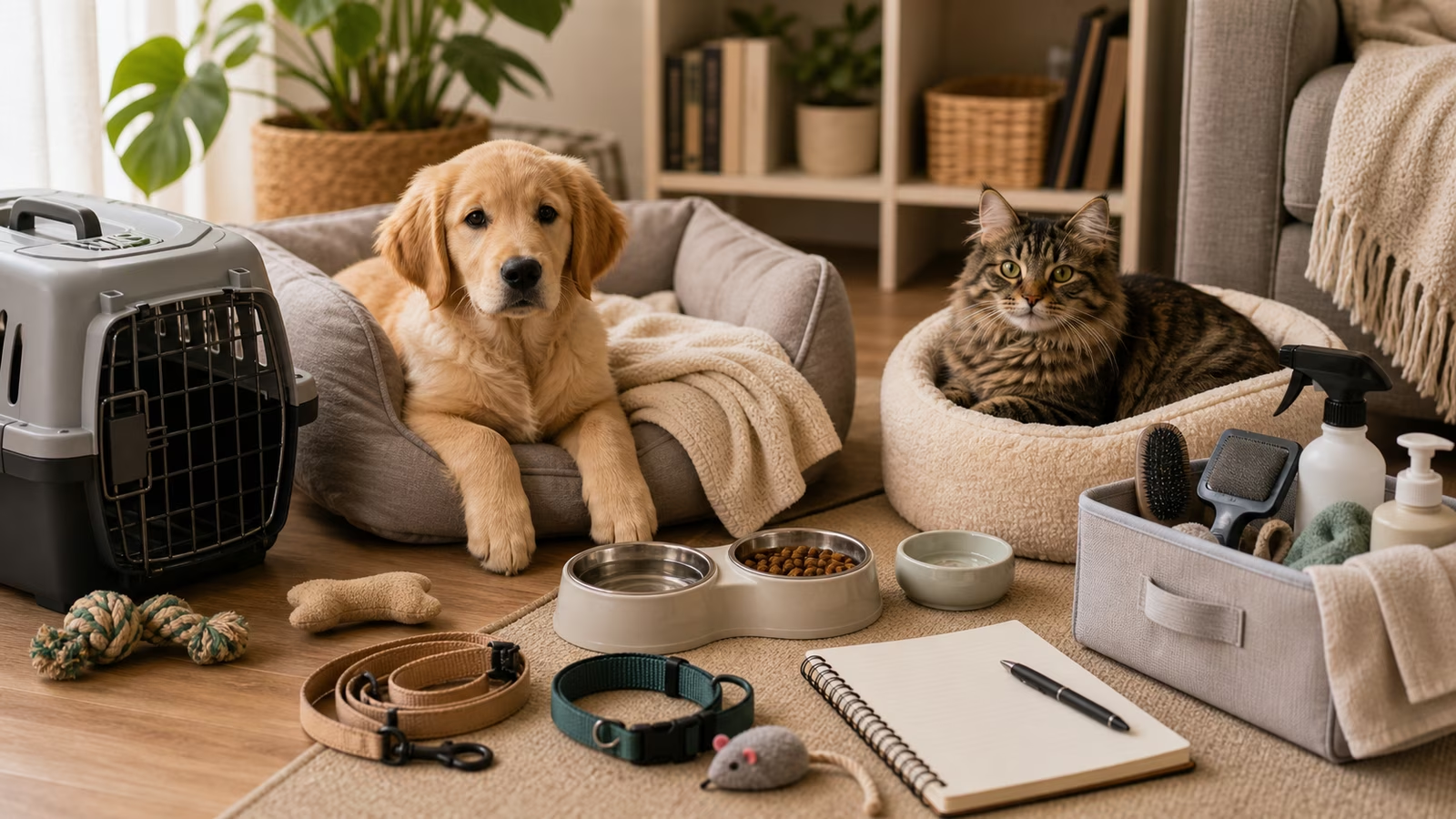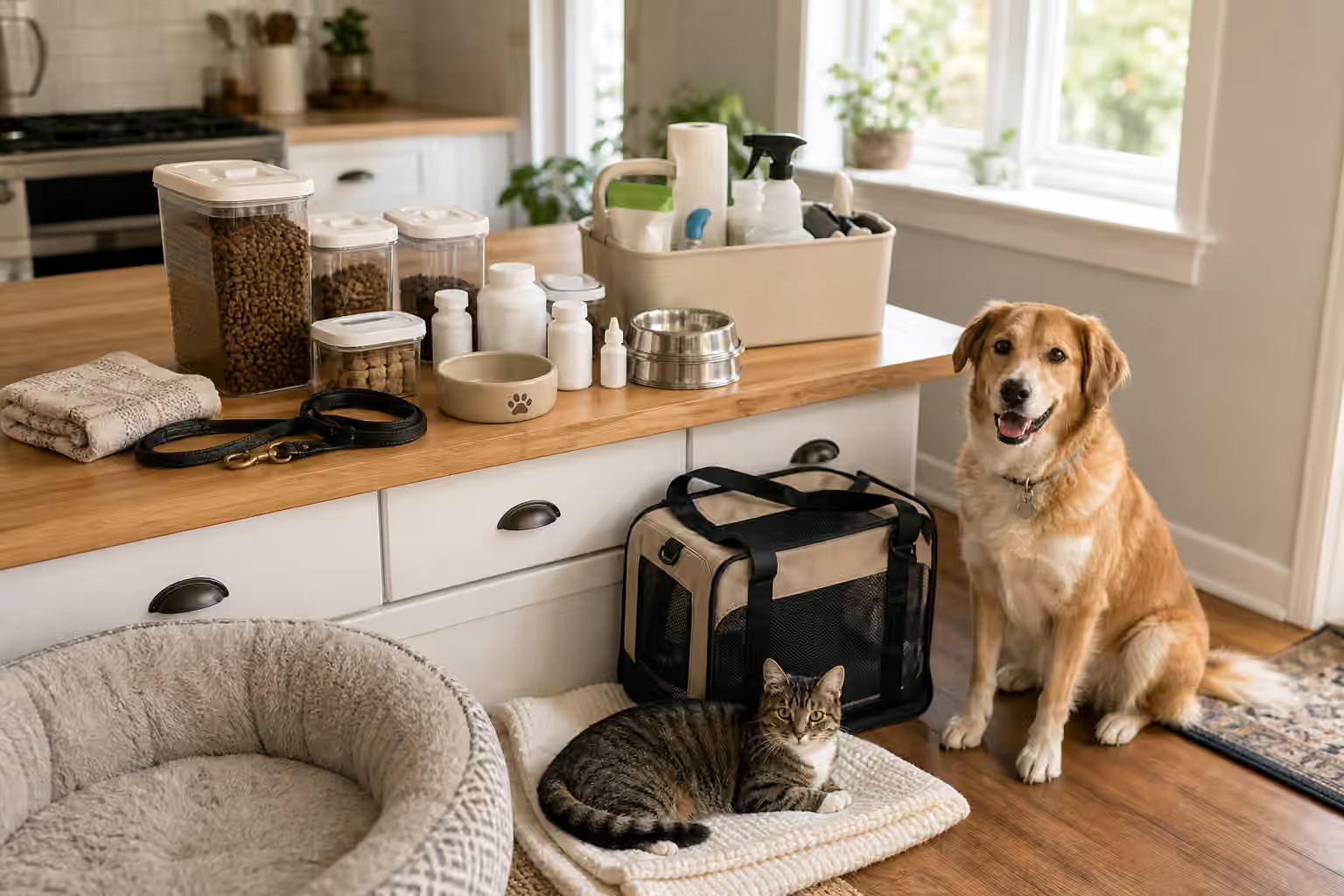
A pet sitter handoff is not only a note on the counter. It is the whole setup the sitter walks into: where the food is, how the dog exits the door, what the cat does when nervous, which supplies are visible, what counts as normal, and which problems require a call. A good handoff makes the routine obvious enough that the sitter does not have to improvise during the exact moments when pets are already noticing that the household feels different.
The goal is not to write a manual so long that no one reads it. The goal is to make the home legible. The sitter should be able to find the leash, feed the correct meal, clean the litter box, handle the door, notice concerning changes, and give the pet a familiar rhythm. The pet should encounter as few surprises as possible.
Turn the routine into a physical map
People often write instructions that make sense only to the person who already knows the home. “Use the usual bowl” is clear to the owner and useless to a sitter facing three bowls in a cabinet. “Walk the normal route” assumes the sitter knows which building exit avoids the reactive dog next door. “Give the pill if needed” may create a dangerous guessing game if the sitter does not know what “needed” means.
Make the home answer simple questions. Food should be in one place. Bowls should be clean and easy to identify. Leashes, harnesses, bags, towels, carrier, litter tools, and cleaning supplies should be where the job happens. If a door must stay closed, the reason should be obvious from the setup, not buried in a text message the sitter read once.
This is where Pawstead’s station-based approach helps. Feeding Stations and Mealtime Routines for Pets is not just useful when the owner is home. A clear feeding station makes the sitter less likely to switch bowls, crowd pets, miss water, or leave food where another animal can steal it.
Preserve the pet’s home base
A pet sitter changes the social environment even if the sitter is excellent. The pet may hear a different key in the lock, smell a different person, eat with a different rhythm, or hesitate around familiar gear because the handler is new. A home base gives the pet something stable when the person changes.
For dogs, the home base may be a bed, crate, gated area, or quiet room where the dog already rests. The sitter should know how the dog uses that place. If the crate is only for comfortable resting, it should not suddenly become a long confinement tool because the sitter feels unsure. If the dog eats behind a gate to prevent conflict, that gate should already be part of the routine. Crate Training Without Confusion is relevant if crate use is part of the handoff, because the sitter should inherit the training plan rather than inventing a stricter one.
For cats, preserve access to litter, hiding, scratching, water, and favored rest. A sitter who cannot find the cat should not respond by pulling furniture apart or chasing the cat into the open. The sitter can confirm signs of normal eating, litter use, and movement while respecting the cat’s hiding strategy. New Cat Setup: Litter, Scratching, Hiding, and Play is built for new arrivals, but the home base logic also protects cats during owner absence.
Make door rules unmistakable
Doors are one of the highest-risk parts of a handoff. A sitter may enter with bags, step around an excited dog, or leave the door open a moment longer than the pet expects. In apartments, the door may open directly to a hallway. In houses, the door may open to a porch, driveway, or yard that is not fully secure.
Decide how the sitter should enter before the visit begins. A gate can keep the dog back from the threshold. A cat can start in a safe room during arrival if door curiosity is a risk. Leashes should be attached before exterior doors open for walks. Harness fit should be checked indoors. The entry routine in Visitors and Doorway Routines for Pets applies even when the visitor is the sitter, because the pet may treat each arrival as exciting or uncertain.
Walk instructions should be specific enough to reduce guesswork. The sitter should know which gear to use, where bags are stored, which exits are easiest, where the dog usually toilets, and what to avoid. If the dog should not greet other dogs on leash, say that plainly and set the sitter up to create distance. If the cat should never be allowed into the hallway, arrange the room so the sitter can enter without a negotiation at the threshold.
Explain comfort without scripting affection
Owners often know the subtle things that help a pet: the dog settles after a sniff walk, the cat eats after a quiet visit, the puppy needs a chew after the evening potty break, the senior dog dislikes being touched when asleep. Those details are useful, but they should not become a demand that the sitter perform intimacy the pet has not consented to.
Describe what comfort looks like for the pet. A social dog may enjoy sitting near the sitter without being hugged. A nervous dog may prefer treats tossed away from the person. A shy cat may accept a voice from across the room but not a hand under the bed. A playful cat may need a short wand session before dinner. A senior pet may need slower movement and more time to stand before a walk.
The sitter should know how to stop. If the pet turns away, freezes, hides, growls, hisses, mouths, or becomes frantic, affection is no longer the job. The job is to create space, return to the routine, and contact the owner or a professional when the concern is beyond normal adjustment. When to Call a Vet, Trainer, or Groomer gives the broader decision frame.
Prepare cleaning before the mess
Pet sitting often reveals the cleaning gaps owners have learned to work around. The sitter does not know where the enzymatic cleaner is hidden, which towel is allowed for muddy paws, how to handle litter tracking, or whether the pet bed can go in the wash. If supplies are scattered, small messes become stressful.
Put cleaning tools near the relevant stations. Litter scoop, bags, and mat near the box. Towels near the entry. Cleaner where accidents are likely, stored safely and appropriately. Waste bags with walking gear. A spare bed cover or blanket if the pet commonly tracks dirt. Pet Cleaning Setup for a Fresher Home helps turn this from a scavenger hunt into a routine.
Cleaning instructions should distinguish normal from concerning. A little litter tracking may be ordinary. Repeated diarrhea, blood, straining, vomiting, or sudden house-soiling is not a cleaning note; it is a care note. The sitter should know when to document, when to call, and when to seek veterinary guidance according to the plan you left.
Leave judgment lanes, not a wall of panic
A sitter needs enough information to make good decisions without being buried in every worry the owner has ever had. The most useful handoff separates ordinary routine, mild adjustment, and urgent concern. Ordinary routine is the daily rhythm: meals, water, walks, litter, play, rest. Mild adjustment might be the cat hiding during the first visit or the dog eating more slowly when the owner is gone. Urgent concern includes illness, injury, escape, unsafe behavior, inability to urinate, repeated vomiting, collapse, severe distress, or anything you have agreed should trigger immediate contact.
Use plain language. If the sitter should call before taking the dog to a dog park, say the dog does not go to dog parks. If the cat is not allowed outside, say the cat is indoor-only and the door routine matters. If medications or special care are involved, use the instructions provided by the veterinarian and make sure the sitter is qualified and comfortable with the task before the trip.
When you return, use the sitter’s observations to improve the setup. Did the sitter struggle to find supplies? Did the dog rush the door? Did the cat hide in a place that made care difficult? Did meals take longer than expected? Those are not failures. They are notes about what the home should make clearer before the next handoff.
A strong pet sitter handoff is calm because the house is organized before the sitter arrives. The routine is visible, the pet has a home base, door rules are clear, cleaning is easy to find, and professional boundaries are written plainly. That gives the sitter a better chance to care for the actual pet in front of them, not the idealized version who only exists when the owner is home.