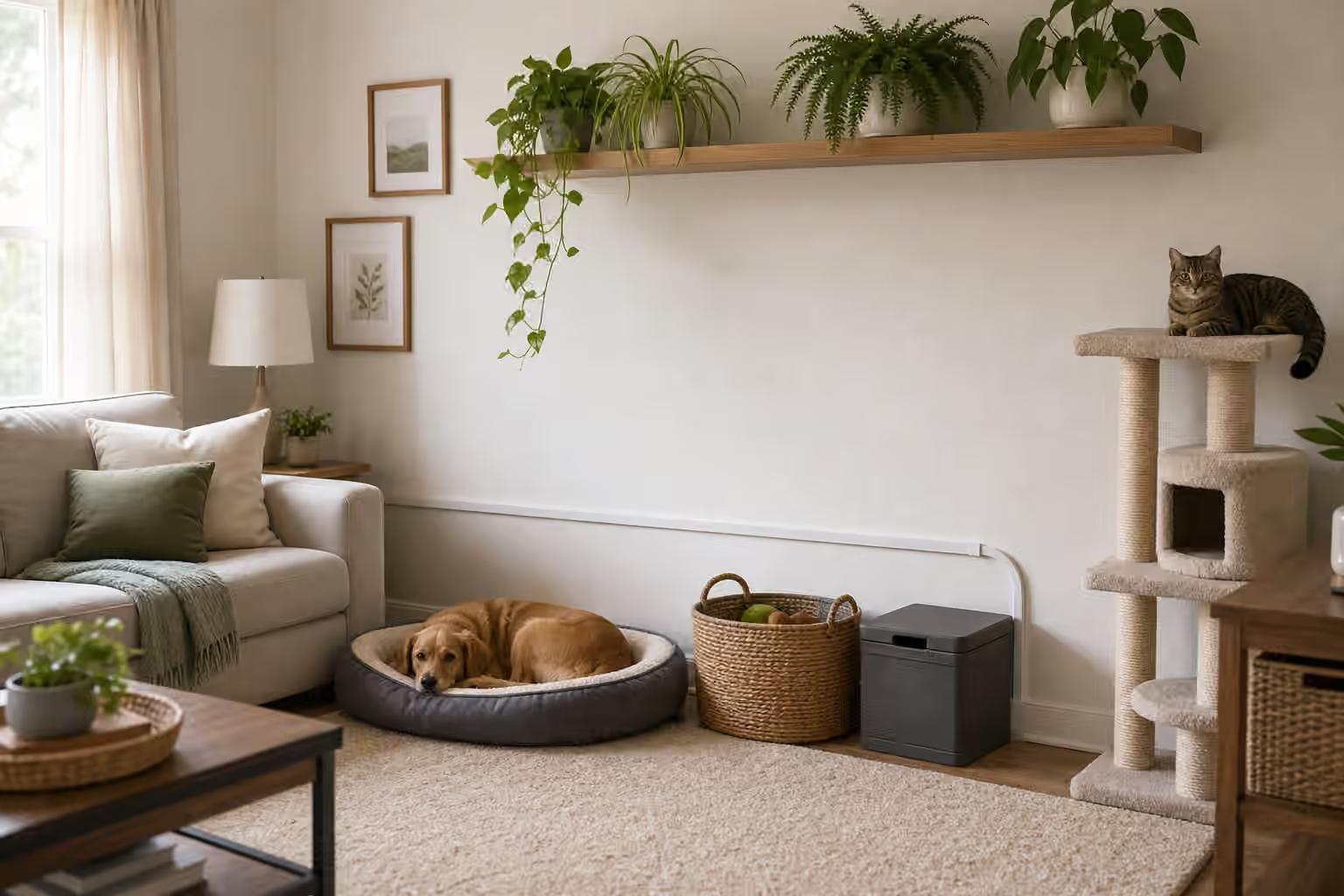
Pet-proofing is not a one-time sweep before a new animal arrives. It is the habit of looking at a room from the height, curiosity, mouth, paws, and jumping range of the pet who will use it. The same living room can be safe for a calm senior dog, confusing for a puppy, and irresistible to a climbing cat.
The best version of pet-proofing is quiet. Nothing dramatic happens because the tempting things are out of reach, the pet has better options, and freedom expands only after the room can handle ordinary mistakes.
Read the room from pet level
Start by sitting or crouching where the pet spends time. From that angle, cords under a table become chew lines, a trash bin becomes a scent puzzle, shoes become toys, and a low shelf becomes a buffet of small objects. For cats, also look up. A bookshelf, counter, windowsill, mantle, or plant stand can become part of the route even if you never intended it to be.
Pet-proofing works best room by room. Do not try to make the whole house equally available on the first day. A smaller safe zone gives you better information. You can see what the pet notices, what they ignore, where they rest, and which objects keep attracting them. That is more useful than opening every door and hoping correction will fill the gaps.
This is why Pawstead for Beginners starts with a home base. Containment is not a failure of trust. It is how the household gives a new pet clear choices while people learn what the pet can handle.
Manage mouths, paws, and claws
Dogs often investigate with their mouths. Puppies are especially committed to this approach, but adult dogs may also chew when stressed, under-exercised, or newly arrived. Remove cords, socks, shoes, laundry, remote controls, children’s toys, food wrappers, and small hard objects from the dog’s reach before they become training problems. A covered cord channel, closed hamper, latched cabinet, or simple basket moved behind a door is often more effective than repeating a warning word all afternoon.
Cats bring a different set of tools. They climb, scratch, paw under doors, test edges, and squeeze behind furniture. A room that looks tidy to a person may still have dangling blind cords, unstable decor, tippy plants, exposed shelves, or furniture gaps where a nervous cat can hide in a way that makes care difficult. Give cats legal scratching surfaces and vertical options before they invent their own route through the room. New Cat Setup covers those first resources, but every room you open should have the same logic: scratch here, rest here, hide here, exit here.
Claws are not misbehavior. Chewing is not a character flaw. They are normal behaviors pointed at the wrong objects when the room has not offered better answers.
Treat doors, gates, and trash as design choices
A pet gate can be more useful than a closed door because it lets the pet hear and see the household without joining every activity. Gates help with puppy supervision, dog and cat introductions, mealtime separation, and cleaning. They also help people stay consistent. If a room is not ready, the gate answers the question before the pet has to.
Trash needs the same seriousness. Kitchen bins, bathroom bins, diaper pails, compost containers, and office wastebaskets all carry smells and textures that may be more interesting to a pet than any toy you bought. A closed, stable bin or a bin behind a cabinet is not overplanning. It is easier than finding a chewed wrapper and trying to decide whether it matters.
Entry doors deserve attention too. A pet who darts out, greets guests too intensely, or panics at hallway noise may need a second barrier. Use the layout: leash hook by the door, treats nearby, mat set back from the threshold, and a gate when arrivals are too exciting. Doorway management often prevents the kind of chaos that later gets mislabeled as stubbornness.
Raise or remove fragile and risky objects
Plants, candles, medications, cleaning supplies, batteries, sewing kits, craft materials, essential oils, pest products, and small toys should be handled before a pet has access. The safest rule is not to assume a pet will avoid something because it tastes strange, smells strong, or has never interested a previous animal. Different pets notice different things.
Houseplants are a common trouble spot because they sit at both dog nose height and cat climbing height. If you do not know whether a plant is safe, move it out of reach until you can verify it with a reliable source. Even non-toxic plants can create vomiting or mess when chewed, and soil can become a digging project.
Fragile objects are not only about money. Broken glass, sharp ceramic edges, splintered wood, and fallen frames can injure paws and mouths. Pet-proofing should protect the animal first and the belongings second.
Give better options in the same room
A room with every tempting object removed but nothing appropriate added can still create trouble. Dogs need legal chewing, sniffing, resting, and sometimes a clear mat or bed. Cats need scratching, climbing, hiding, watching, and play. If the pet has to leave the room to find every normal behavior, the room is not finished.
For a dog, that might mean a washable bed, a safe chew used under supervision, and a toy basket that does not contain everything at once. For a cat, it might mean a sturdy scratcher near the sofa, a perch near the window, and a hiding bed that is accessible without disappearing behind appliances. Tie those choices into Pet Enrichment for Bored Dogs and Cats so the pet-proofed room does not become a bare waiting area.
Expand freedom slowly
Freedom should be earned by the room as much as by the pet. If the pet repeatedly steals, chews, scratches furniture, jumps into unsafe zones, has accidents, or cannot settle, the next step is not a bigger territory. The next step is usually a better setup, more supervision, or a slower expansion.
Let the pet use one prepared room while you are present. Then add short unsupervised moments if appropriate. Then add another room. Watch what changes. A dog who rests calmly in the living room may raid the bathroom trash. A cat who uses the scratcher in the home base may test the woven chair in the dining room. Those are not betrayals. They are data.
Pet-proofing is successful when the room makes the right behavior easy and the wrong behavior less available. Once that is true, training can be gentle because the environment is already doing half the work.