A medication or recovery routine begins with the veterinarian’s instructions, but it succeeds or fails in the ordinary rooms where the pet actually lives. The clinic can explain what to give, when to give it, and what restrictions matter. The home has to turn those instructions into a quiet bed, a reachable water bowl, a floor that is not slippery, a person who knows whether the morning dose happened, and a pet who is not asked to solve a new puzzle every few hours.
This is not a guide to choosing medicine, changing doses, treating symptoms, or deciding when a pet is healthy again. Those decisions belong with a veterinarian. Pawstead’s job is more practical: make the home clear enough that vet-directed care is less chaotic, safer to hand off, and easier to observe. The same setup habits that help with Vet Visit Prep Starts at Home also matter after the visit, when the pet returns tired, sore, confused, or newly restricted.
Treat the instructions as the source of truth
The most important home habit is humility. A bottle, packet, discharge sheet, or clinic message is not a suggestion to reinterpret after a busy afternoon. Before you leave the clinic or end the phone call, make sure the household understands the timing, amount, route, storage, food relationship, and length of treatment. If the instruction says a medicine must be given with food, ask what that means for a pet who skips breakfast. If the pet wears a cone, ask when it must stay on and what would justify a call. If activity is restricted, ask what counts as too much activity in your actual home.
Write down what the veterinarian told you in plain language, but do not invent missing details. The risky part of home care is often the space between memory and assumption. One person thinks the medicine was once daily; another remembers twice. Someone gives the evening dose early because the pet seems uncomfortable. Someone stops because the pet looks better. A calm recovery routine gives the household a way to pause and check the instructions instead of guessing.
Use one responsible handoff at a time. If two adults both feed the dog, only one person should own the medication record for that dose window, or they should use a visible log that gets marked immediately. Duplicate dosing is a human organization problem before it is a pet problem. So is skipping a dose because each person assumed the other handled it.
Build a care station the pet cannot raid
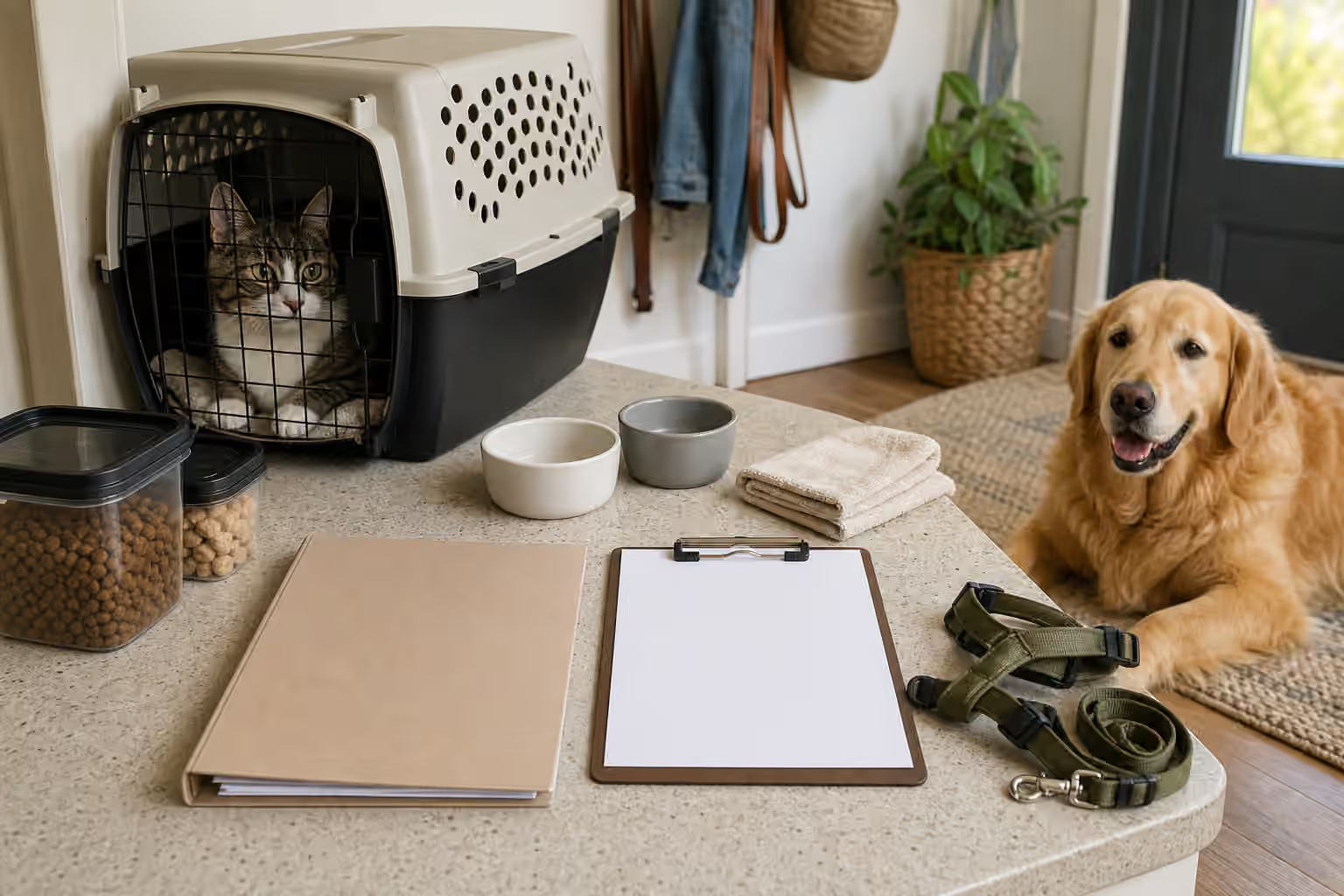
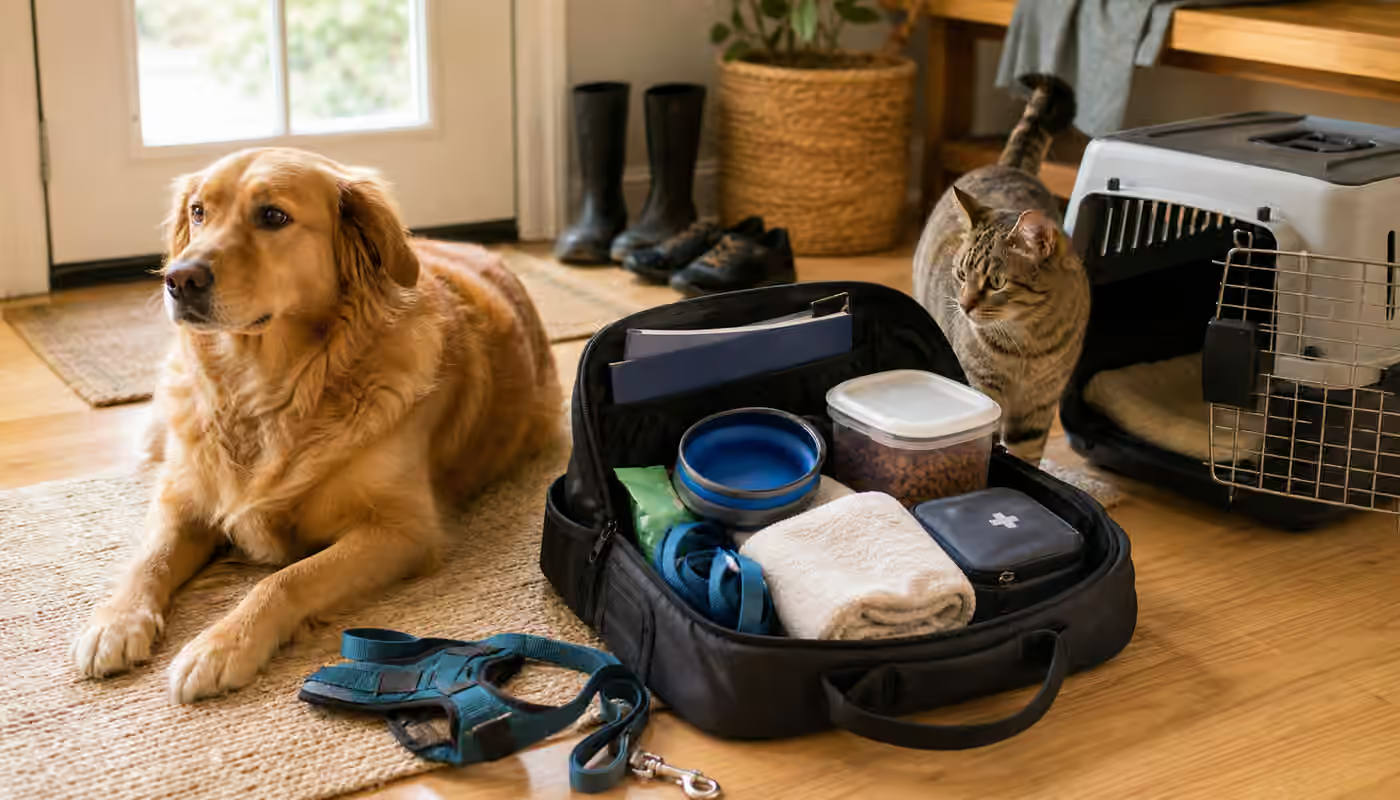
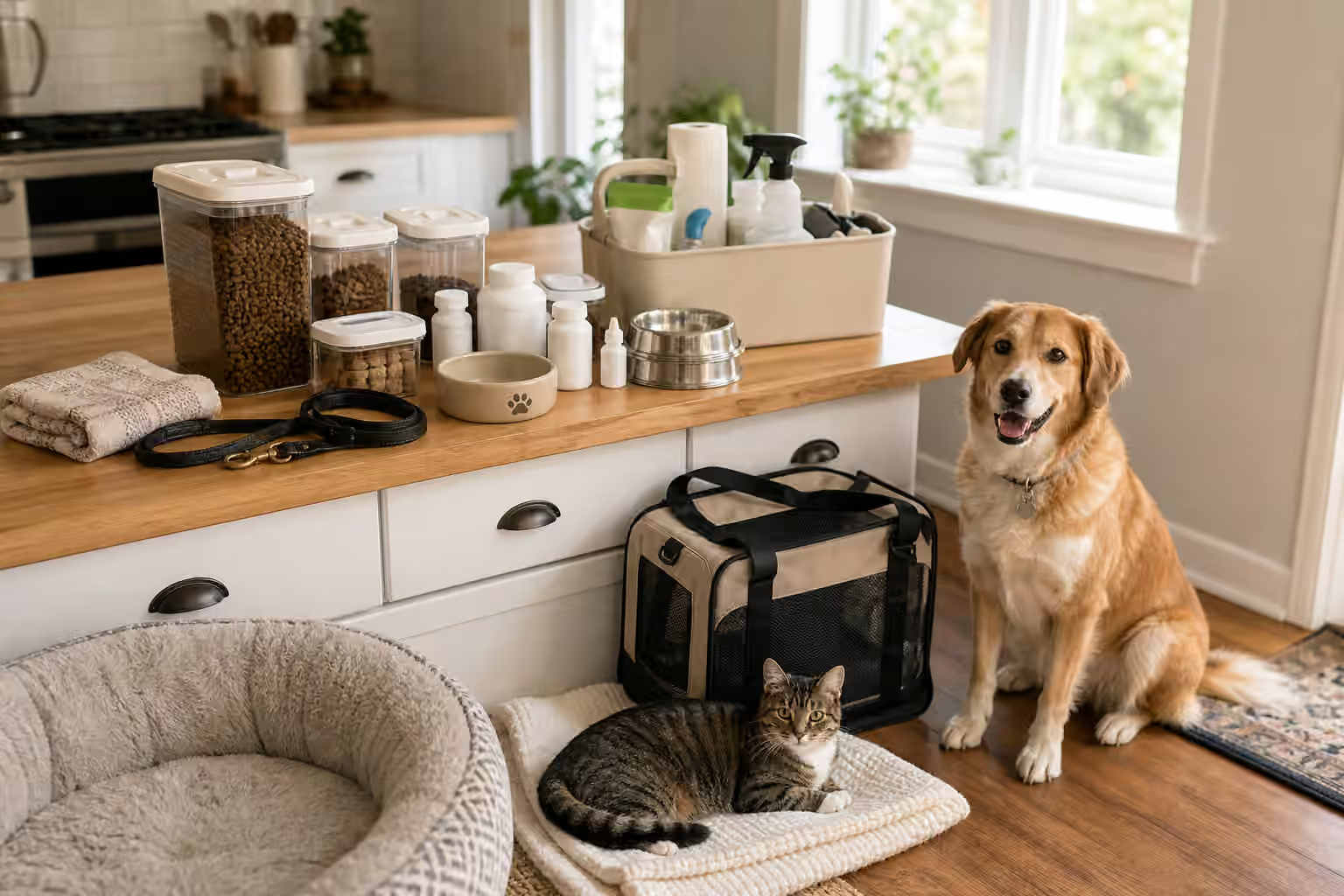
A care station should make the task easy for humans and boring for the pet. Choose a place where medicines and tools can be stored safely away from animals and children, while still being close enough that the routine is not rebuilt from scratch every time. The visible part might be a tray with a towel, approved treats if the vet allows food with the medicine, a blank log, and the measuring tool supplied for the medication. The medicine itself may need a cabinet, refrigerator, or other storage location according to the clinic’s instructions.
Do not mix pet medicine with human medicine, supplements, grooming products, or random kitchen clutter. The station should reduce errors, not create new ones. Unlabeled mystery syringes, loose pills in a dish, and bottles sitting beside snacks invite mistakes. Keep the original packaging and instructions. If the pet has multiple medications, avoid relying on color or shape as the only identifier. Tired people are bad at subtle distinctions.
Connect the station to the pet’s existing routine when possible. If medicine is given with meals, the feeding area from Feeding Stations and Mealtime Routines for Pets becomes part of the care plan. If the cat needs a quiet room before handling, the care station should not be in the busiest hallway. If the dog gets frantic around the front door, do not set the recovery bed where every delivery creates a setback.
Make handling smaller than the medication moment
Many medication problems are handling problems wearing a medical costume. The pet is not only reacting to a pill or syringe. They may be reacting to being cornered, having a muzzle held, seeing a towel appear, feeling a hand reach over the head, or being touched while sore. If the pet already has a foundation from Cooperative Grooming and Handling at Home , lean on that history. Use familiar surfaces, brief touches, rewards if allowed, and clean exits.
Small rehearsals can help when the veterinarian says the medication course will last for days or weeks. Pick up the towel and put it down. Touch the treat pouch without giving medicine. Invite the dog to the mat, reward, and release. Let the cat approach the carrier or perch without closing the door. These moments do not replace the actual dose, but they prevent every signal in the room from becoming a warning.
Some pets cannot be medicated safely with the first plan. A cat who hides for hours after each attempt, a dog who growls when approached, or a pet who spits out every dose may need a different format, a different technique, or professional help. That is not a character flaw in the animal or the owner. It is information to take back to the clinic. The decision frame in When to Call a Vet, Trainer, or Groomer belongs here because unsafe handling can turn a treatment plan into a household risk.
Make the recovery space boring in a useful way
Recovery space is not a punishment room. It is a small world where the pet can rest without being asked to dodge furniture, defend a bed, leap onto a sofa, chase another animal, or greet every visitor. For dogs, that may mean a gated room, a pen, a crate they already trust, or a bed in a low-traffic area. For cats, it may mean a quiet room with litter, water, soft bedding, a reachable hiding place, and no need to climb to access basic resources.
Think about traction, height, and traffic. A recovering dog may struggle on slick floors even if the house is normally fine. A cat who usually jumps to a high perch may need lower resting options until the veterinarian clears normal movement. A senior pet may need the same adjustments described in Senior Pet Home Setup for Dogs and Cats , even if the recovery is temporary. The pet’s body has changed for now, so the room should change too.
Keep the space clean without making it sterile and stressful. Washable bedding, spare towels, and easy access to appropriate cleaning supplies matter. If there are accidents, drainage, spilled water, tracked litter, or food messes, the cleanup plan from Pet Cleaning Setup for a Fresher Home keeps the household from turning every small mess into a tense event. Store cleaners safely, ventilate appropriately, and follow veterinary instructions for anything near wounds, skin, eyes, or sensitive areas.
Respect cones, suits, and restrictions
Cones, recovery suits, bandage protection, and activity limits are easy to resent because they make daily life clumsier. The pet bumps into furniture, hesitates at the water bowl, or looks miserable in a way that makes the human want to remove the equipment. Sometimes a fit adjustment is needed. Sometimes the clinic should suggest an alternative. But deciding at home that protection is optional can undo the reason it was prescribed.
Watch how the pet moves through the recovery space. Can the dog reach water without scraping the cone against the wall? Can the cat enter the litter box without getting stuck? Does the pet freeze because the suit catches on furniture? These are setup problems first. Move bowls, widen paths, lower barriers, or call the clinic for advice rather than simply abandoning the restriction.
Other animals and people need boundaries too. A playful dog may paw at a recovering dog. A curious cat may investigate bandages. Children may want to comfort the pet by touching the exact area that needs rest. Use gates, closed doors, and supervised visits. The same principle from Resource Zones for Multi-Pet Homes applies during recovery: resources and bodies need space.
Preserve rhythm without pretending nothing changed
Pets recover better in homes that still make sense. Meals should happen in a recognizable order. Bathroom breaks or litter access should be easy to predict. Sleep should be protected. Human attention should be calm rather than frantic. At the same time, recovery is not normal life with a cone added. Walks may be shorter. Play may need to stop. Jumping, stairs, roughhousing, or free access may be restricted. Follow the veterinary plan even when the pet asks for the old routine.
Look for quiet substitutes. A dog who cannot take a long walk may still enjoy a short sniff in the allowed area, a calm chew approved by the veterinarian, or a person sitting nearby without stirring up excitement. A cat who cannot climb may still appreciate a low perch, gentle company, or a food puzzle only if it does not encourage twisting, pouncing, or frustration. Pet Enrichment for Bored Dogs and Cats is useful here when read with restraint. Enrichment during recovery should settle the pet, not prove how clever the household can be.
Sleep routines deserve special care. A pet who normally sleeps on the bed may not be able to jump safely. A dog who usually crates may need different padding. A cat in a recovery room may call at night because the room is unfamiliar. The answer is not to improvise a new rule every hour. Decide what the night setup will be, make the resources reachable, and keep the response quiet. If distress seems medical, worsening, or unsafe, contact the veterinarian rather than trying to train through it.
Record what happened, not what you meant to do
A recovery log does not need to be elaborate. It needs to be true. Note when medication was given, whether food was eaten, whether water intake seemed normal for that pet, whether bathroom habits changed, whether the cone stayed on, and any concern the veterinarian asked you to monitor. Record the dose after it happens, not before. A checked box made in advance is just a hope with ink on it.
Logs are especially useful when care moves between people. A partner, roommate, sitter, or family member should not have to interpret half-remembered instructions. The handoff ideas in Pet Sitter Handoff Without Confusion become more important when medication is involved. If a sitter is not comfortable with the task, arrange a different plan before leaving. A confident handoff is not the same as a competent one.
The log also helps the veterinarian. “She seemed off” is real, but it is hard to act on by itself. “She ate half her breakfast, took the morning dose, hid for three hours, skipped dinner, and vomited once” gives the clinic a clearer pattern. You are not diagnosing. You are preserving the facts before stress and sleep deprivation blur them.
Watch the pet in front of you
Recovery invites wishful thinking. The dog wags, so the household assumes pain is gone. The cat purrs, so everyone relaxes. The pet asks to run, so restrictions start to feel unfair. Body language gives better information than one cheerful signal. Watch posture, movement, appetite, breathing, rest, bathroom habits, hiding, vocalizing, and willingness to be touched in context. Reading Pet Body Language at Home helps because the small signals matter before a problem becomes loud.
At the same time, do not turn monitoring into constant hovering. A recovering pet needs rest, not a face inches away every few minutes. Set the room up well, check at sensible intervals, and keep the clinic’s contact path easy to use. If something worries you, the question is not whether a guidebook can explain it. The question is whether the veterinarian should hear about it.
When the pet improves, reset gradually. Clean bedding, put supplies back in their safe places, discard or store medication only according to veterinary and label instructions, and keep notes from the episode where you can find them before the next appointment. Leave some of the useful habits behind. A pet who learned that the mat predicts calm handling, that the carrier is not only for crisis, and that the house can get smaller without becoming scary has gained skills for the next ordinary disruption too.