Pet laundry is easy to underestimate because it rarely arrives as one dramatic mess. It builds quietly in beds, blankets, crate pads, sofa covers, towel baskets, washable mats, carrier liners, and the small fleece square a cat chooses over every expensive bed in the house. By the time the room smells stale or the dog’s bed feels gritty, the problem looks larger than it is. Most homes do not need heroic cleaning. They need a laundry rhythm that respects how pets actually use fabric.
The foundation is the broader Pet Cleaning Setup for a Fresher Home , but bedding deserves its own plan because fabric carries scent, hair, moisture, dander, crumbs, and outdoor debris differently than floors do. A hard floor can be wiped after muddy paws. A bed cover may hold the story of the whole week.
Know Which Fabrics Do Which Jobs
Start by naming the fabrics instead of treating them as one pile. Sleeping fabric is the bed, crate pad, couch cover, or favorite blanket where the pet rests deeply. Transition fabric is the towel by the door, the mat under water bowls, the small blanket in the carrier, or the throw that catches fur on a chair. Cleanup fabric is what you grab after accidents, wet walks, grooming sessions, or travel days.
Those fabrics should not all follow the same rhythm. A doorway towel may need frequent washing during wet weather. A bed cover may need a steady weekly or biweekly rhythm depending on coat, odor, health, and household tolerance. A carrier liner may look clean but still need washing after a stressful vet trip because scent can change how the next trip feels. The routine becomes easier when each fabric has a job and a destination after use.
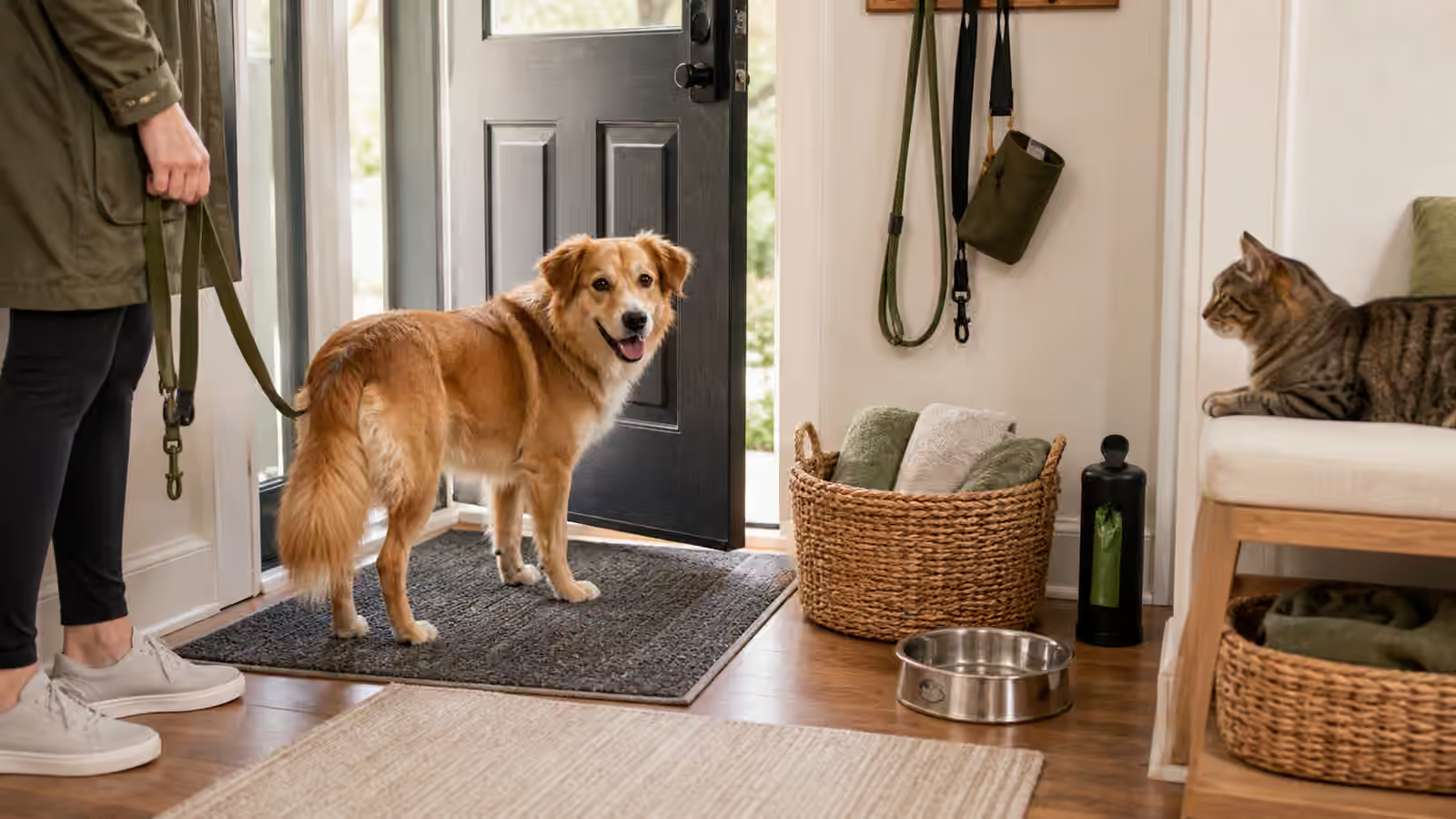
Rainy-Day Pet Routines for Dogs and Cats is useful here because rain exposes weak laundry systems. If every wet walk creates a pile on the floor, the home is missing a landing place. If the only towel is in a distant closet, the towel is not part of the routine.
Make Washable the Default Where Pets Rest
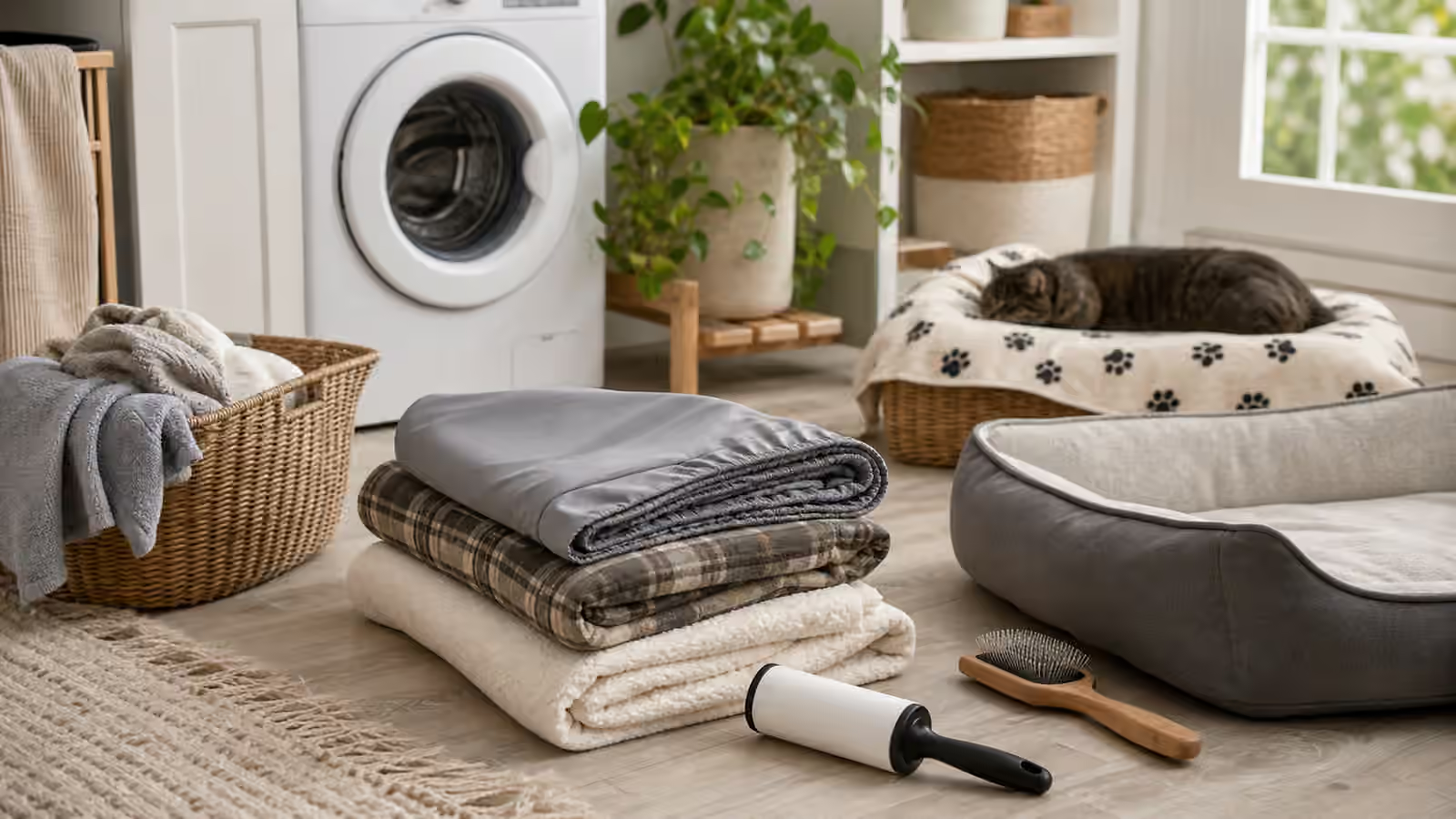
The best pet bed is not always the plushest one. It is the one the household can clean before it becomes unpleasant. Removable covers, washable liners, plain cotton throws, sturdy fleece, and mats that dry fully are often more useful than complicated beds with deep seams, decorative trim, or hidden foam that cannot be refreshed.
This matters for dogs who bring in grit after walks, cats who shed heavily on one favorite perch, senior pets who need softer surfaces, and animals recovering from a routine disruption. Senior Pet Home Setup for Dogs and Cats pairs naturally with laundry because comfort and cleanliness meet in the resting place. A senior dog may need more padding, but that padding still has to be washable enough that people do not delay cleaning it.
Avoid making the one most comfortable bed impossible to wash. If the pet loves a bed that cannot be cleaned well, add a washable cover over the real resting surface. The cover can carry the daily mess while the bed keeps its shape. For cats, do not wash every familiar scent away at once if the pet relies on that bed for security. Rotating covers lets the home stay clean without making the resting spot feel foreign.
Connect Brushing to Laundry
Laundry improves when loose hair is handled before it spreads. Shedding and Brushing Routines for Dogs and Cats is not only about the coat. It changes the load that bedding, rugs, sofas, and washer filters have to carry. A five-minute brush near a favorite mat can keep a surprising amount of hair out of the laundry basket.
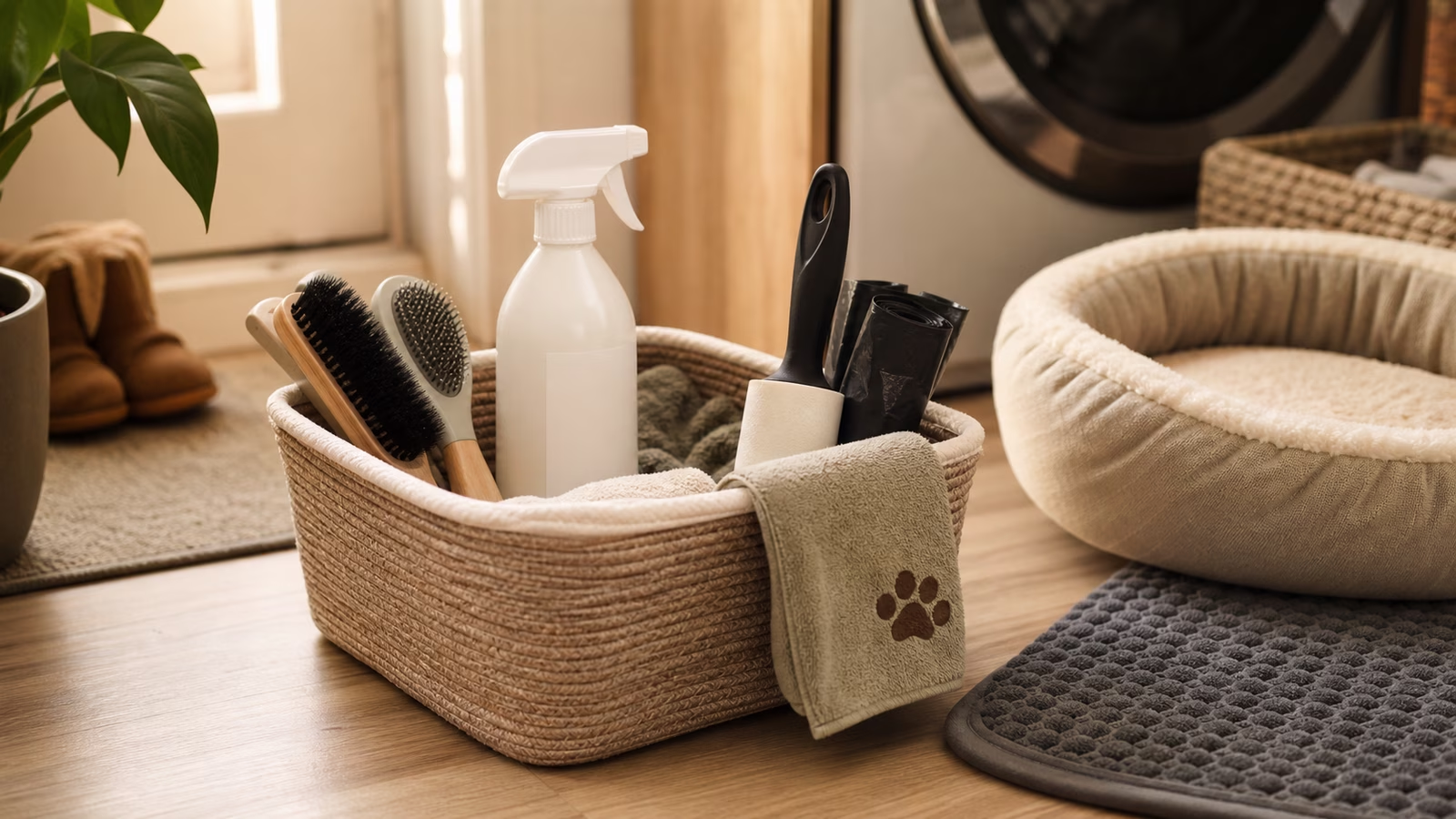
The connection should stay practical. Keep a brush, lint roller, small trash bag, or washable fur cloth near the place where the pet rests. Shake outdoor grit from towels before they go into the basket. Let wet fabric dry before it sits in a closed hamper, because damp fabric can turn a small odor into a larger one. If fur clumps on a bed cover, remove the loose layer before washing instead of asking the machine to solve everything.
Brushing should not become a wrestling match in service of laundry. If the pet avoids touch, mats, or handling, use the gentler approach in Cooperative Grooming and Handling at Home . Fabric routines should support the animal, not create a weekly argument.
Keep Pet Laundry Separate Enough To Stay Legible
Some homes can wash pet textiles with ordinary household loads. Others do better with a dedicated pet basket, especially when there is heavy shedding, muddy towels, accident cleanup, flea treatment directed by a veterinarian, or strong odor. The point is not purity. It is clarity. When pet towels disappear into general laundry, nobody knows whether the entry towel is clean, whether the crate liner has been replaced, or whether the sofa cover is overdue.
A small dedicated basket near the cleaning supplies is often enough. It should be breathable, visible, and easy to empty. If space is tight, use one washable bag for clean pet textiles and one for used ones. Apartment homes in Apartment Pet Setup for Dogs and Cats often need this kind of compact answer because laundry, entryways, and feeding stations may share the same few feet.
Do not store damp pet towels in a closed plastic bin unless they are headed to the washer very soon. A routine that hides mess can make the room look calmer for one afternoon and harder to manage the next day.
Protect Furniture Without Turning It Into A Fight
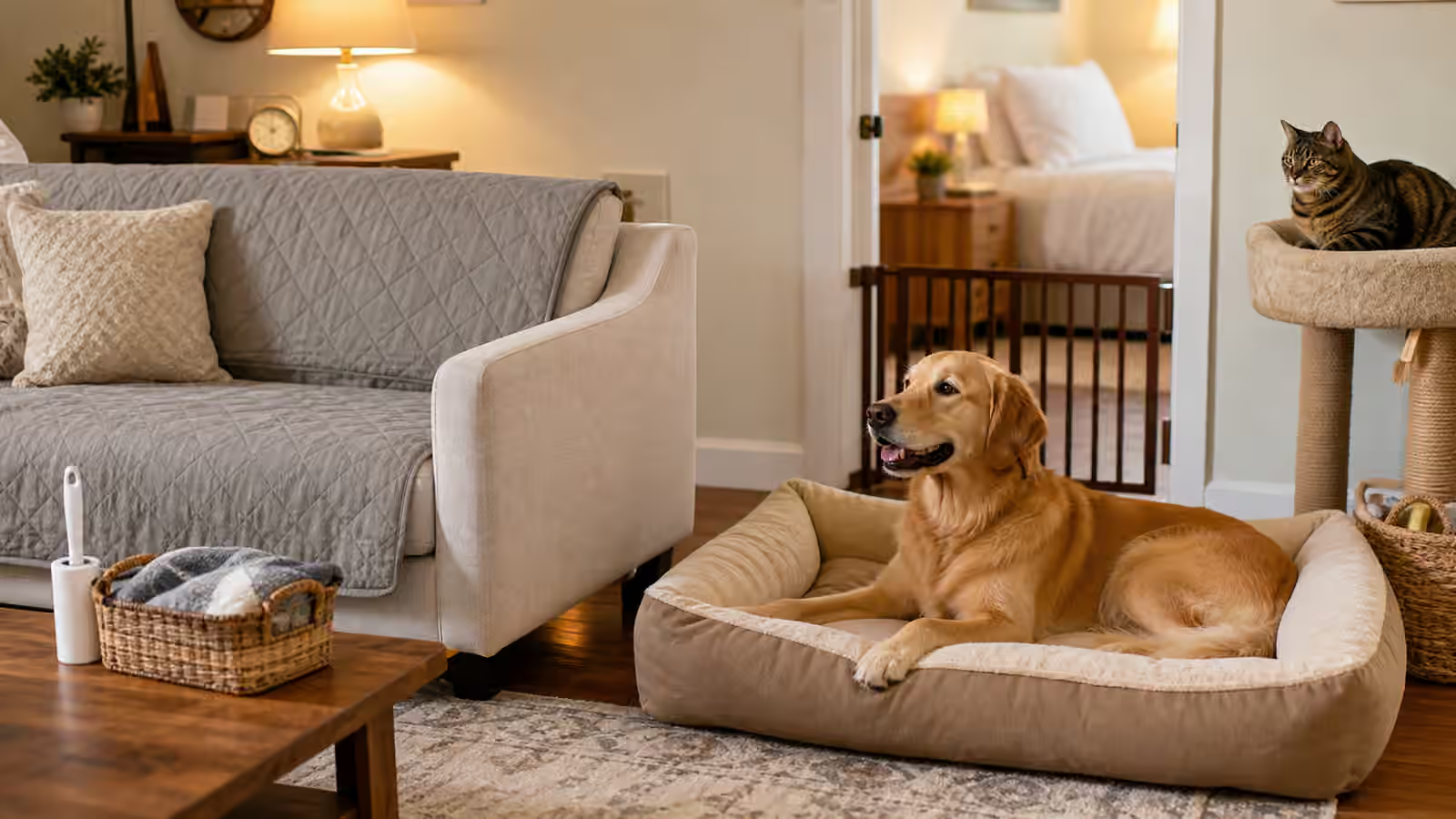
Couch, Bed, and Furniture Boundaries for Pets asks which surfaces are shared and which are not. Laundry answers the next question: if pets are allowed there, how will the fabric be maintained? A washable throw on the dog’s favorite end of the sofa is clearer than a household that allows the sofa but resents the fur. A cat perch cover that can be swapped is kinder than repeatedly moving the cat from the only spot with the best sun.
Match the fabric to the behavior. A smooth cover may slide under a large dog. A thick throw may trap more fur than it solves. A white blanket may be easy to bleach in some homes but show every paw mark in others. A patterned throw can hide daily hair until wash day, but hiding should not mean forgetting. Choose what the household will actually wash.
Furniture boundaries also help guests and sitters. If a pet is allowed on one covered chair but not on the bed, say that plainly in the sitter notes from Pet Sitter Handoff Without Confusion . Clean covers are part of routine clarity.
Notice When Laundry Is Telling You Something
Laundry can reveal changes before people name them. A bed that suddenly smells stronger, a blanket with unusual staining, repeated accidents on a resting spot, heavy drooling, new scratching, greasy residue, or a pet avoiding a freshly washed bed may all deserve attention. Sometimes the answer is simple: the detergent scent is too strong, the bed was not dried fully, or the cat wants one familiar blanket left unchanged. Sometimes the pattern belongs with a veterinarian or qualified professional.
Do not use fragrance to cover a problem. Strong scents can bother people and animals, and they can make it harder to notice what changed. Clean should mostly mean dry, washable, and free of buildup. If odor returns immediately after washing, the issue may be the insert, the floor underneath, the animal’s health, or a routine that is not reaching the real source.
Pet laundry works when it is ordinary enough to repeat. Put washable fabric where pets actually rest, give used towels a clear landing place, connect brushing to the bedding routine, and wash covers before resentment builds. The best version is not a perfect laundry room. It is a home where the dog can keep a familiar bed, the cat can keep a trusted blanket, and the people know exactly what needs washing before the room starts announcing it.