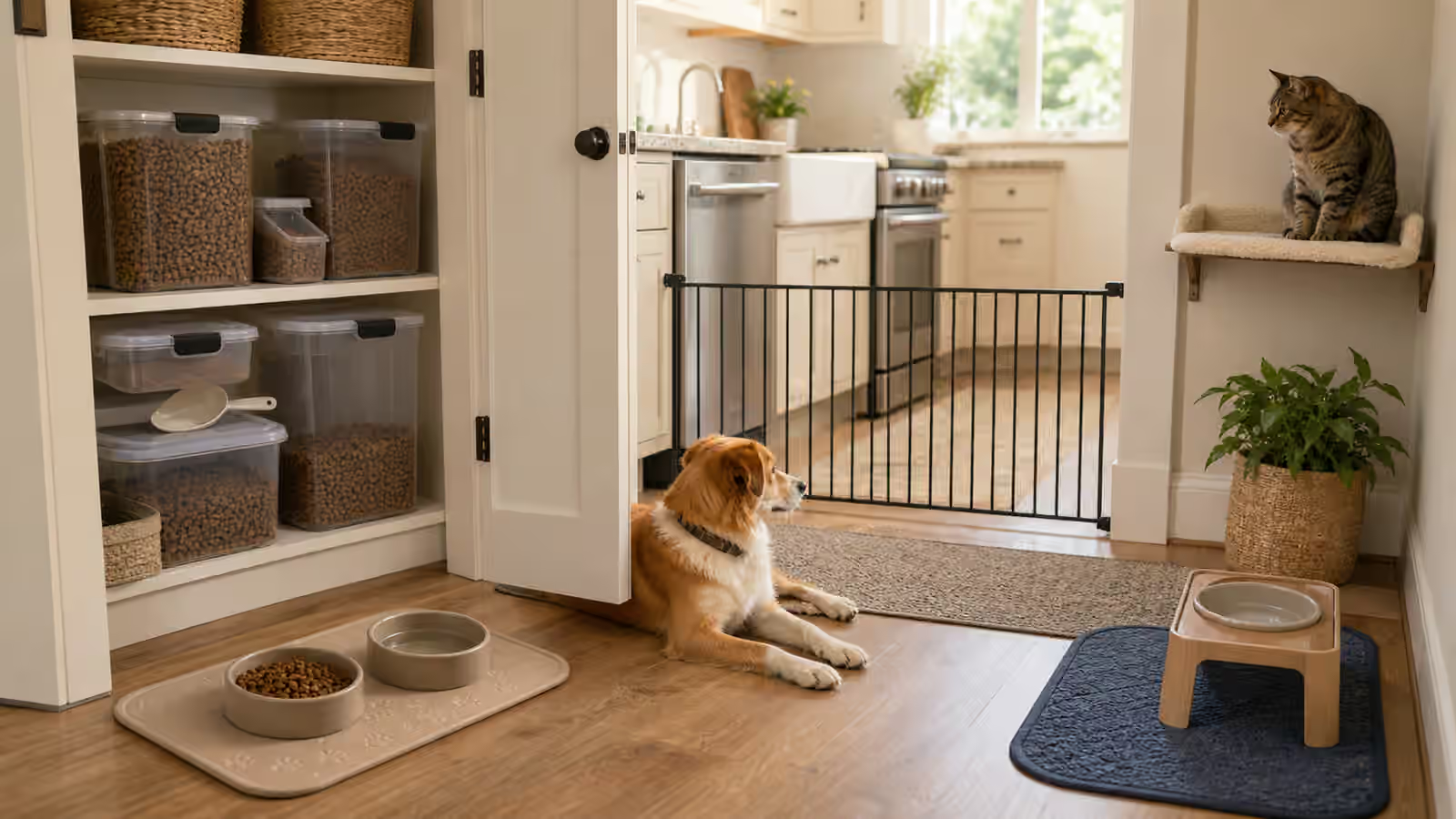
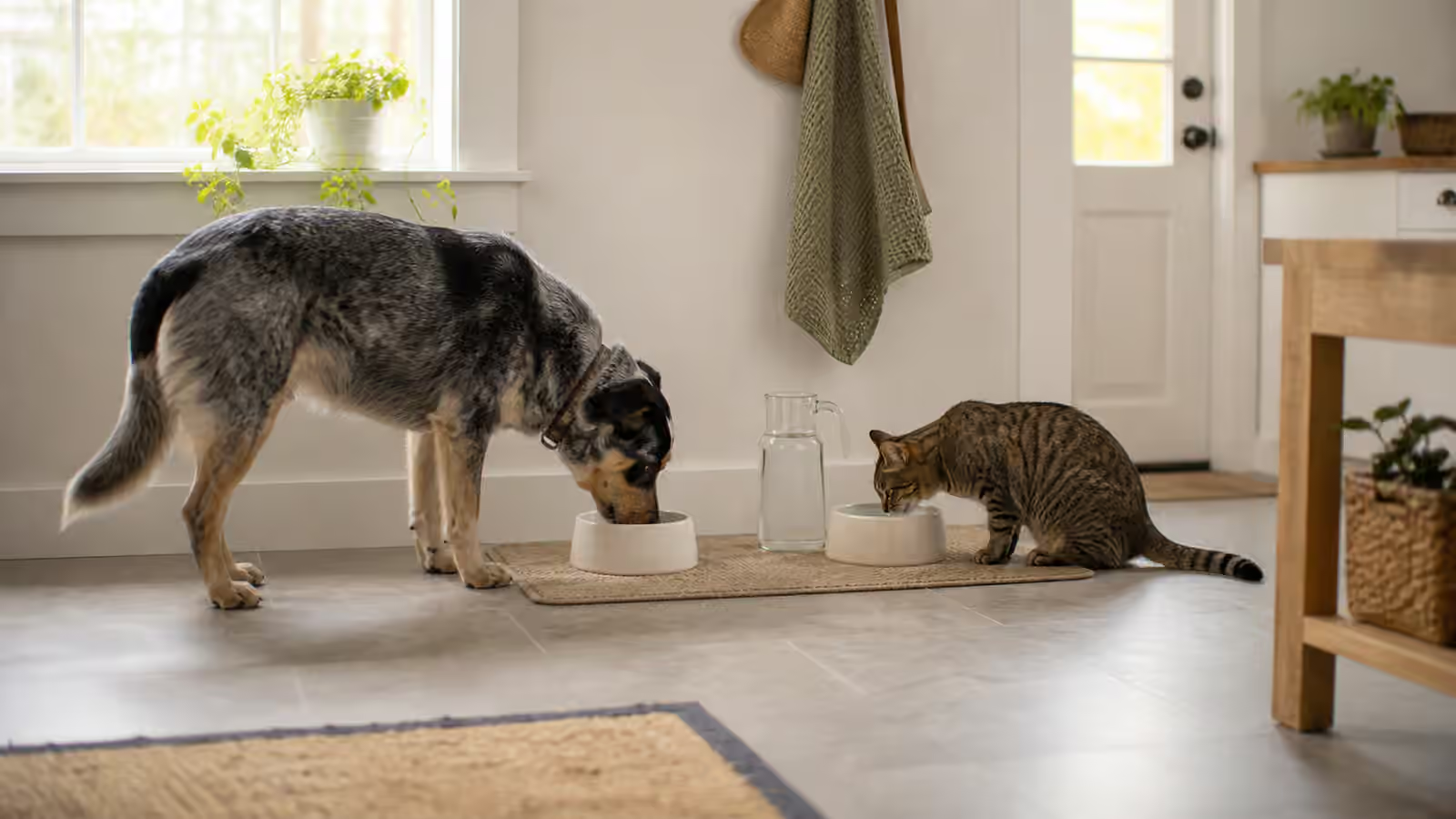
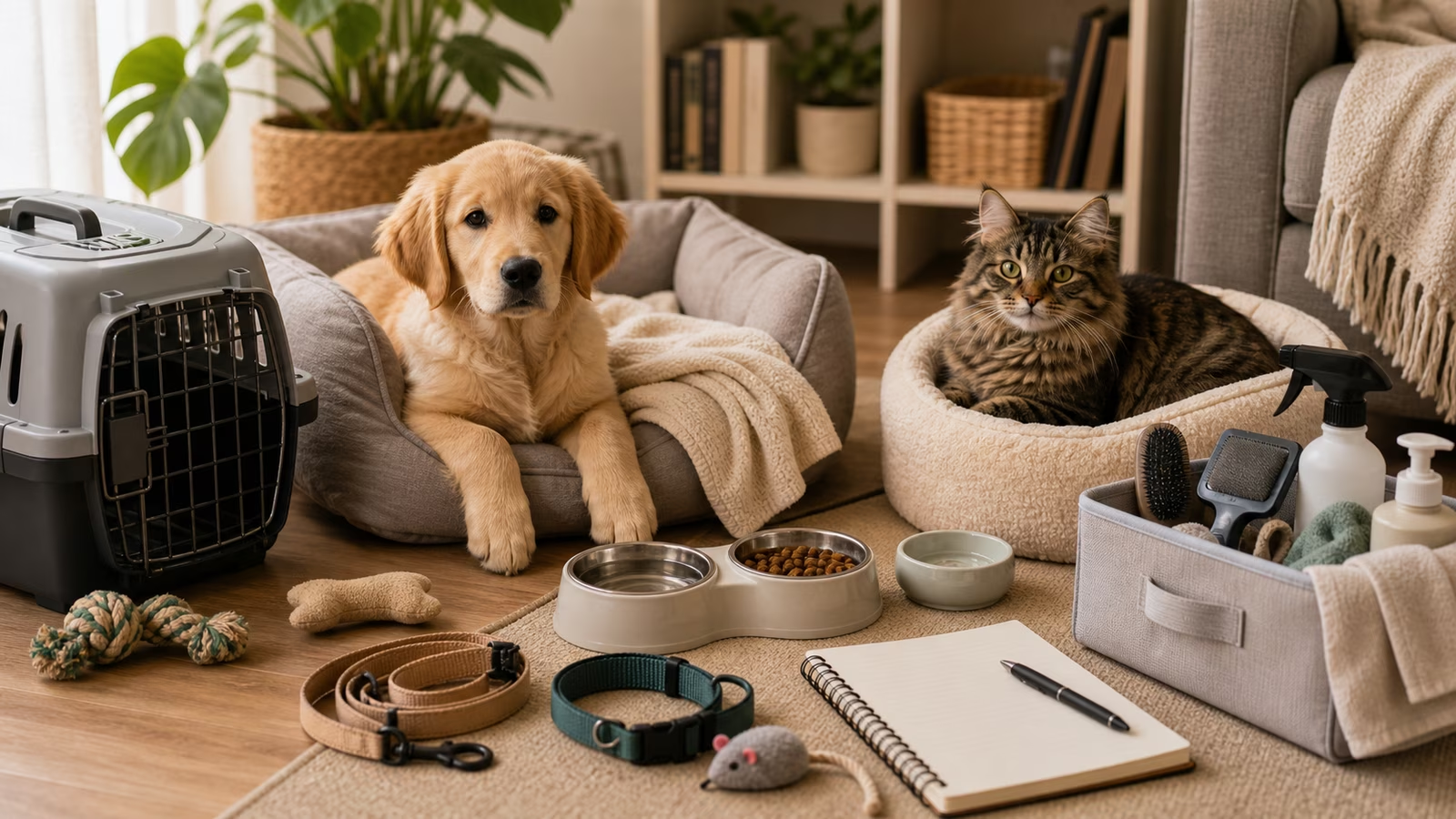
A pet gate is not just a piece of hardware in a doorway. Used well, it is a way to slow the home down. It lets a new dog watch the kitchen without stealing from it, lets a cat observe a dog without sharing the floor, lets a puppy hear family life while still being supervised, and lets people open one room at a time instead of handing the whole house to a pet who has not learned the map.
Room transitions matter because many problems happen at thresholds. A dog rushes through before the person is ready. A cat pauses in the doorway and another pet crowds them. A puppy leaves the safe zone and immediately finds shoes, trash, cords, or a rug that looks like a bathroom option. A gate gives the household a middle step between closed away and fully loose.
Give the Gate a Job Before Buying One
The right gate depends on the job. A pressure-mounted gate may help divide rooms for calm supervision, but it may not be appropriate at the top of stairs. A tall gate may slow a jumping dog but be useless for a cat who can slip through a side gap. A gate with a walk-through door may help people stay consistent because they do not have to climb over it while carrying laundry or food. The household should name the job first: puppy supervision, dog-cat introductions, doorway manners, kitchen safety, visitor management, or gradual access.
Placement matters as much as the gate itself. A gate directly at the front door may still leave the pet too close to arrivals. A gate a few feet back can create a calmer entry station, which pairs with Door-Dash Prevention for Dogs and Cats . A gate across a kitchen doorway may protect trash, counters, and dropped food while the dog learns a mat routine nearby. A gate outside the cat’s home-base room may let scent and sound pass before full introductions.
Do not let the gate become a substitute for setup. The rooms on both sides still need beds, water if appropriate, toys or chews used safely, litter access for cats, and a cleaning plan. A bare holding area teaches little. A prepared room teaches the pet what to do while access is limited.
Teach Waiting as a Room Skill
Many pets rush gates because the gate only opens when something exciting is about to happen. The person unlatches it, the dog surges, the cat darts, and the household concludes the pet hates boundaries. Start smaller. Touch the latch, feed calmly, and do not open. Open the gate one inch, close it, and reward the pet for staying soft. Step through and return. The lesson is not obedience theater. It is that gate movement does not always mean a burst forward.
For dogs, a mat several feet from the gate can make the picture clearer. The dog rests or stands there while the person moves. If the dog surges, the gate closes and the next repetition gets easier. Calm Mat Routines for Dogs and Cats can provide the foundation. For cats, waiting may look different. A perch, scratcher, or side table near but not inside the traffic lane can give the cat a place to watch without slipping underfoot.
Keep the emotional tone plain. Gates should not arrive only after trouble. If a gate appears only when the pet is being isolated, frustrated, or scolded, the boundary becomes loaded. Use it during ordinary calm periods too: cooking, cleaning, visitor setup, short rest blocks, and supervised transitions.
Expand Freedom in Short Rehearsals
Freedom is easier to teach as a series of rehearsals than as a permanent promotion. Open the gate for a few minutes while the room is ready and a person can watch. Let the pet sniff, explore, and choose. Then return them to the previous zone before they are overtired, overexcited, or already making mistakes. A calm ending teaches more than waiting for the first chewed object or chase.
This is especially useful for puppies and newly adopted dogs. The first room may be easy, but the second room has new rugs, cords, trash, furniture edges, and human habits. Pet-Proofing Rooms Before Giving More Freedom should happen before the gate opens, not after the dog has rehearsed the wrong choices. The pet is not the only one earning freedom. The room has to be ready too.
Cats also benefit from short access. A new cat may leave the home base, investigate one hallway, and return. That is progress. Do not close the safe room behind them unless there is a strong reason. The open return path keeps exploration from becoming a trap. For adopted adult cats, the first-month approach in The First Month With an Adopted Adult Cat works best when the original room remains available after new doors open.
Use Gates to Reduce Social Pressure
Gates are most valuable when they let animals share information without full contact. A dog can see a cat without reaching them. A cat can smell a dog while staying elevated. Two dogs can practice calm parallel routines before sharing toys or food. A child can learn to toss treats or ignore a resting pet without being in the same space. The gate is not the relationship. It is the buffer that makes a better relationship possible.
Watch body language on both sides. If one pet is loose, eating, blinking, sniffing, and leaving easily, the setup may be workable. If one pet is staring, lunging, barking, swatting, freezing, hiding, refusing food, or unable to disengage, the gate is not enough by itself. Increase distance, add visual barriers, shorten the session, or get help. Reading Pet Body Language at Home should guide the pace more than the calendar.
Multi-pet homes need resource thinking. Do not put all food, water, beds, toys, or litter on one side of a gate if that makes one animal dependent on another animal’s movement. Resource Zones for Multi-Pet Homes helps keep the gate from becoming a bottleneck. Each pet should be able to rest and meet basic needs without negotiating the threshold.
Avoid Turning the Gate Into a Fight
Some pets paw, bark, chew, climb, or throw themselves at barriers. That is information. The gate may be too close to the exciting thing, the session may be too long, the pet may need more rest or enrichment, or the barrier may be unsafe for that individual. Repeating long frustrated sessions can teach barrier frustration rather than calm boundaries.
Move the setup back to a level the pet can handle. Add distance from the doorway. Use a more solid visual barrier for part of the session. Give the dog a safe chew under supervision or a calm mat job before the gate becomes exciting. Give the cat a perch or hiding option away from the traffic lane. If the pet cannot settle, stop and rethink rather than forcing the same picture.
Gates also should not replace crates, carriers, leashes, or closed doors when those are safer. Crate Training Without Confusion and Carrier Comfort for Dogs and Cats cover different jobs. A gate manages a room boundary. It does not secure a pet for travel, medical recovery, stair safety, or every high-risk situation.
Make Transitions Boring Enough to Trust
The best room transition becomes almost invisible. The person opens the gate without rushing. The dog checks in instead of blasting through. The cat has a side route. The room is ready. The old safe zone remains available. If the pet makes a small mistake, the household adjusts the setup instead of turning the threshold into conflict.
This takes repetition, but not drama. A few calm gate openings during ordinary life can teach more than one long test at the end of a busy day. The household learns when the pet is ready for more space, which rooms need better proofing, and which thresholds still create too much excitement. A gate used this way is not a symbol of restriction. It is a practical pause that lets freedom grow at the speed the home can actually support.