Food is one of the strongest household signals a pet learns. The bag opening, cabinet door, scoop sound, refrigerator movement, counter smell, dish placement, and human footsteps can all become part of the routine. When storage and kitchen boundaries are loose, pets do not only chase food. They chase information. They crowd the cook, inspect bags, guard bowls, follow crumbs, or wait in the exact spot where people need to turn with hot pans.
Feeding Stations and Mealtime Routines for Pets covers where and how meals happen. This guide looks one step upstream: where food lives, how it moves through the kitchen, and how pets learn which parts of food preparation involve them.
Keep Storage Boring And Closed
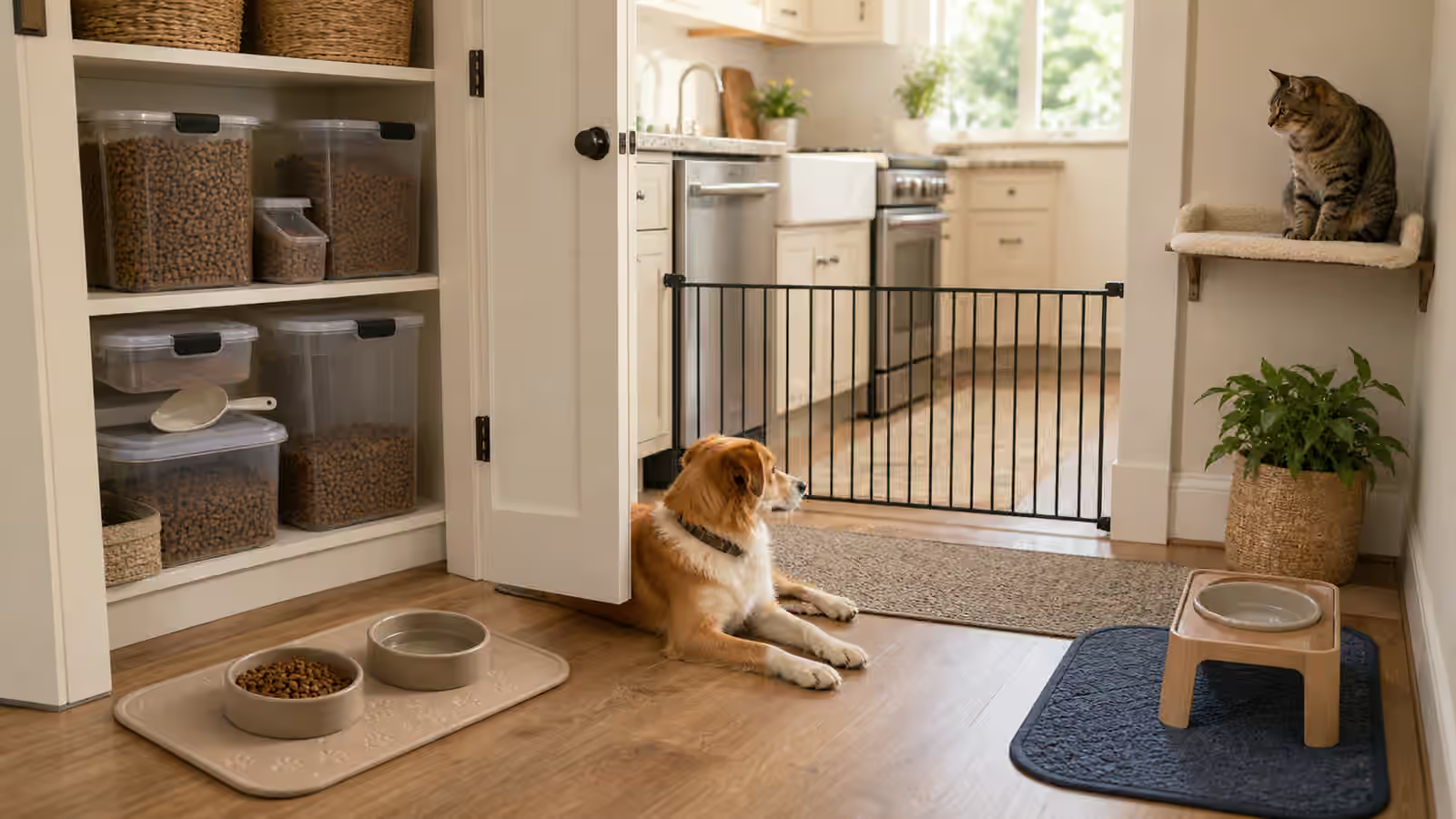
Good storage is not glamorous. It keeps food protected, keeps measuring tools where people use them, and prevents pets from turning the pantry into a puzzle. Use containers, cabinets, shelves, or bins that the household can close reliably. If original packaging contains information you need, keep it available rather than losing track of food details. The point is not to decant everything into a matching display. The point is to make the storage location ordinary and secure.
Place scoops, can covers, measuring tools, and feeding mats near the food so meals do not require wandering through the kitchen with open containers. Wandering creates dropped kibble, excited following, and inconsistent cues. If treats live in five places, pets may start checking five places. A single treat station can make training easier and kitchen behavior calmer.
If a pet has a history of chewing containers, opening cabinets, counter surfing, or eating things they should not, treat storage as part of Pet-Proofing Rooms Before Giving More Freedom . Food access is not a manners issue when the animal can physically reach something risky. Change the environment before asking for better choices.
Separate Cooking From Pet Meals
Pets learn patterns quickly. If scraps fall during cooking, if bowls are filled while people prep dinner, or if treats appear from the counter whenever the dog stares, the kitchen becomes a place to work. The pet may not be misbehaving. They may be following the history the household created.
Give pet meals their own start and finish. Prepare bowls in a consistent spot, move to the feeding station, and let the kitchen return to human use. If the dog needs to stay outside the cooking path, use a mat, gate, crate introduced kindly, or resting area before the kitchen is busy. Calm Mat Routines for Dogs and Cats can help when the animal needs a clear station rather than repeated verbal reminders.
Cats need kitchen boundaries too, but the answer is often vertical and route based. A cat who jumps to counters may be seeking food, attention, height, or a safer path away from dog traffic. Cat Vertical Space and Safe Routes can help you offer better routes without turning every cooking session into a negotiation.
Make Multi-Pet Food Harder To Steal
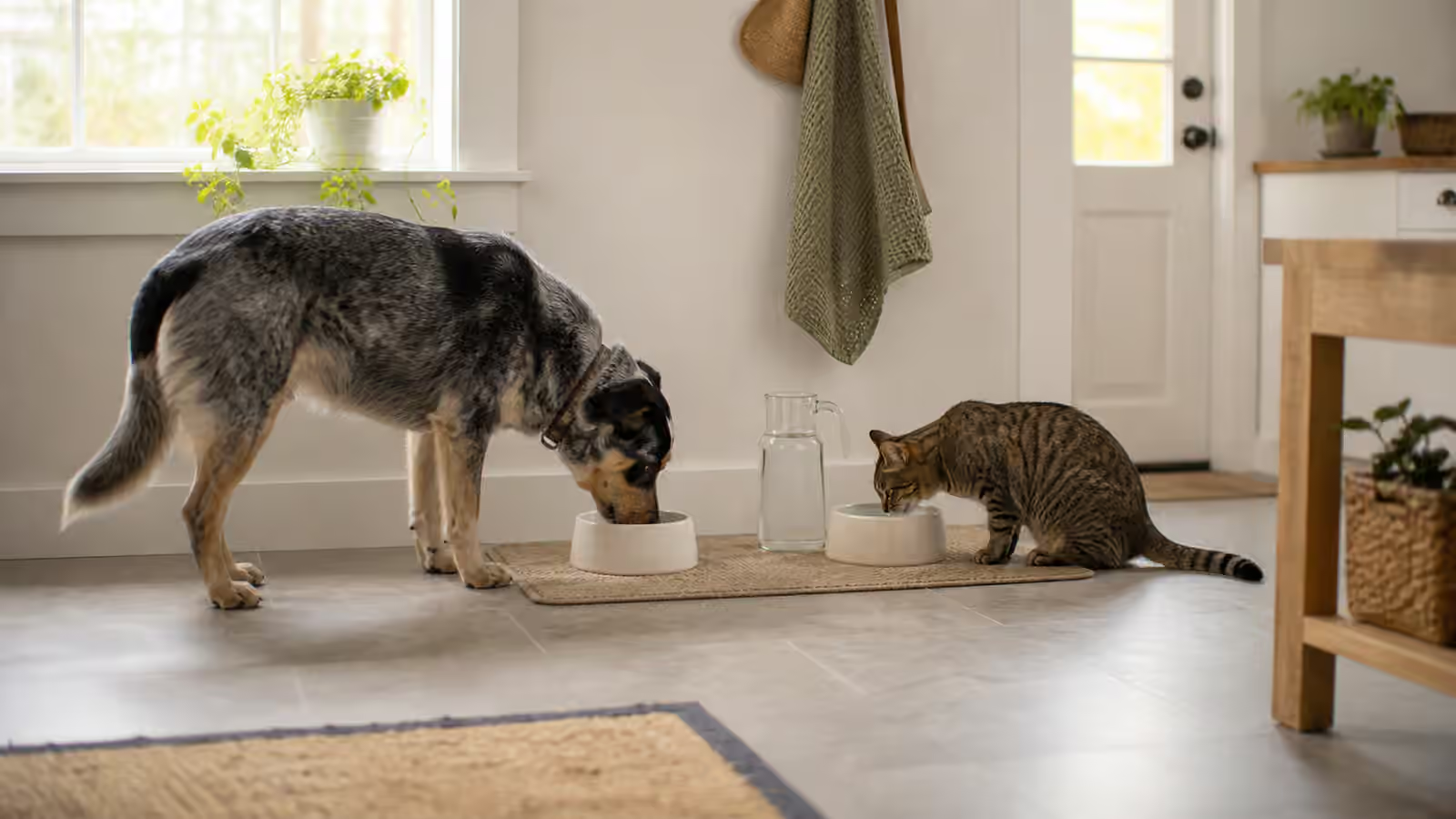
In dog-and-cat homes, food storage and feeding stations often need more separation than people expect. A dog may investigate cat food because it is accessible, not because the dog is unusually sneaky. A cat may rush meals because a dog hovers. One pet may finish quickly and then pressure another. These small patterns can grow into guarding, speed eating, or avoidance.
Resource Zones for Multi-Pet Homes is the key companion here. Food should not require negotiation. Give each animal a route to their bowl, enough space to eat, and a way to leave without crossing another pet’s face. For cats, that may mean a raised feeding area or a room with a gate that blocks the dog. For dogs, it may mean closed doors or timed access rather than hoping everyone respects each other’s dishes.
Storage matters in multi-pet homes because the wrong animal may reach the wrong food. Keep bags, cans, treats, pill pockets, and training snacks out of casual reach. If a pet has a prescribed diet or medical feeding plan, use the veterinarian’s instructions and make the storage system support them. Pawstead can organize the room, but it should not replace medical guidance.
Treats Need Boundaries Too
Treats are often messier than meals because they appear during training, walks, grooming, guest visits, medication practice, and human snacking. A treat pouch near the door helps walks. A small container near the grooming mat helps handling. A jar on the counter may create counter watching if it is opened constantly. The location teaches the animal what to expect.
Use treat stations on purpose. If treats support Indoor Recall and Name Response for Dogs , keep them where recall practice happens. If they support Cooperative Grooming and Handling at Home , keep them near the brush or nail routine. If they become a source of begging or conflict, the station is too visible, too chaotic, or too loosely managed.
The household should also agree on who gives food and when. Mixed signals create persistent pets. A dog who receives table scraps from one person and corrections from another is not learning a fair rule. A cat who is fed whenever they vocalize may grow louder because the routine worked. Boundaries are kinder when everyone can repeat them.
Keep The Floor And Trash In The Plan
Kitchen boundaries include the floor. Kibble dust, crumbs, dropped vegetables, torn packaging, and open trash can pull pets into the cooking path. A washable feeding mat helps under bowls, but it does not solve the whole kitchen. Sweep or wipe the food prep area before the pet is invited back in. Keep trash secured, especially after meals, grooming, or packaging changes.
For homes with children or guests, food movement becomes less predictable. Children and Pet Boundaries at Home is relevant because children carrying snacks can accidentally turn the pet into a floor patrol. During gatherings, put pet food away, define the pet’s station, and avoid letting the animal rehearse stealing from low tables or bags.
Sitter handoffs need food clarity. Pet Sitter Handoff Without Confusion should name where food is stored, how much is served, which bowl belongs to which pet, what is off limits, and what to do if a pet refuses food or gets into something. Clear storage reduces sitter improvisation.
Let Food Routines Stay Calm
Food routines should be easy to observe. If a pet suddenly raids storage, refuses meals, drinks differently, guards bowls, vomits, has diarrhea, changes weight, or shows a sharp appetite change, do not treat the kitchen setup as the whole answer. Contact a veterinarian when health signs appear. If guarding or unsafe conflict appears, use qualified training help rather than testing the animals at the bowl.
The ordinary home work is still powerful. Close the storage. Give scoops a place. Separate cooking from pet meals. Keep multi-pet feeding routes clear. Use treats where they help and put them away when they create pressure. A good kitchen boundary does not make food less important to pets. It makes the food routine readable enough that pets can stop investigating every human movement as if dinner might be hidden behind it.