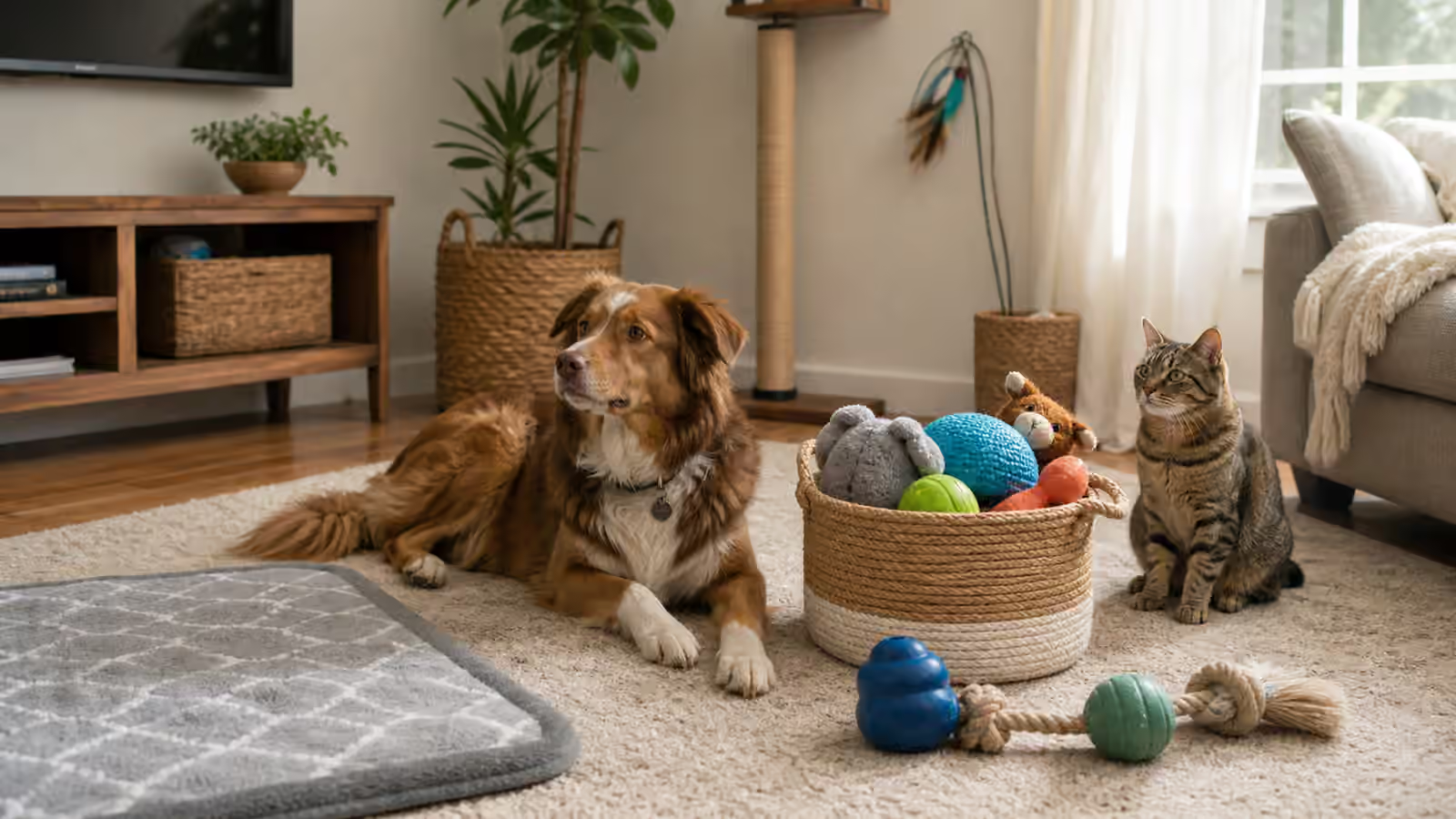
Enrichment is not a luxury category for pets with perfect schedules. It is how dogs and cats use their noses, paws, mouths, eyes, bodies, and brains in safe ways. Good enrichment can make a home calmer because the pet has something appropriate to do.
Start with natural behaviors
Dogs often need sniffing, chewing, searching, movement, and social contact. Cats often need stalking, chasing, pouncing, scratching, climbing, hiding, and resting. The point is not to exhaust the pet. The point is to give normal behavior a safe outlet.
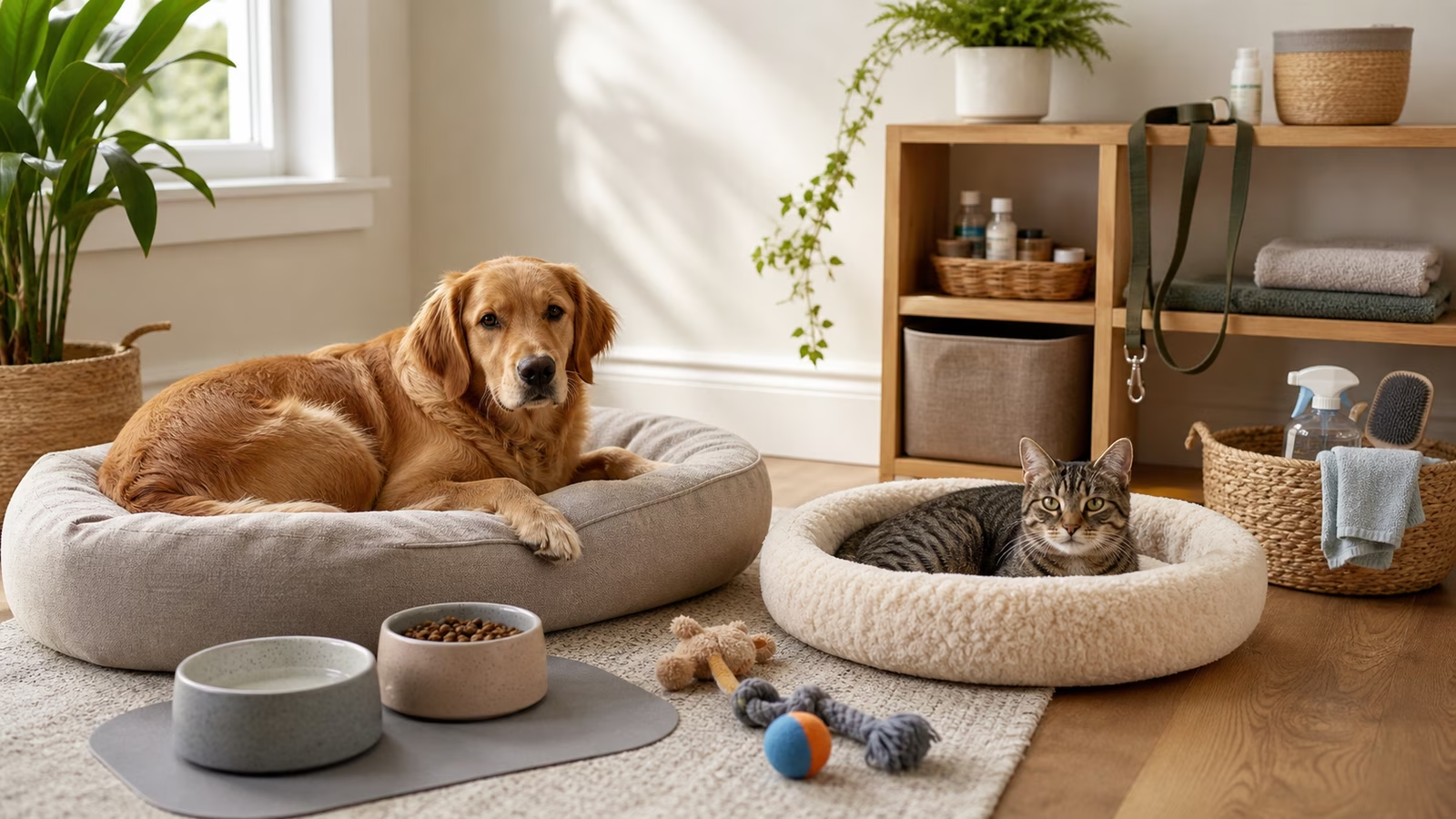
Dog enrichment ideas
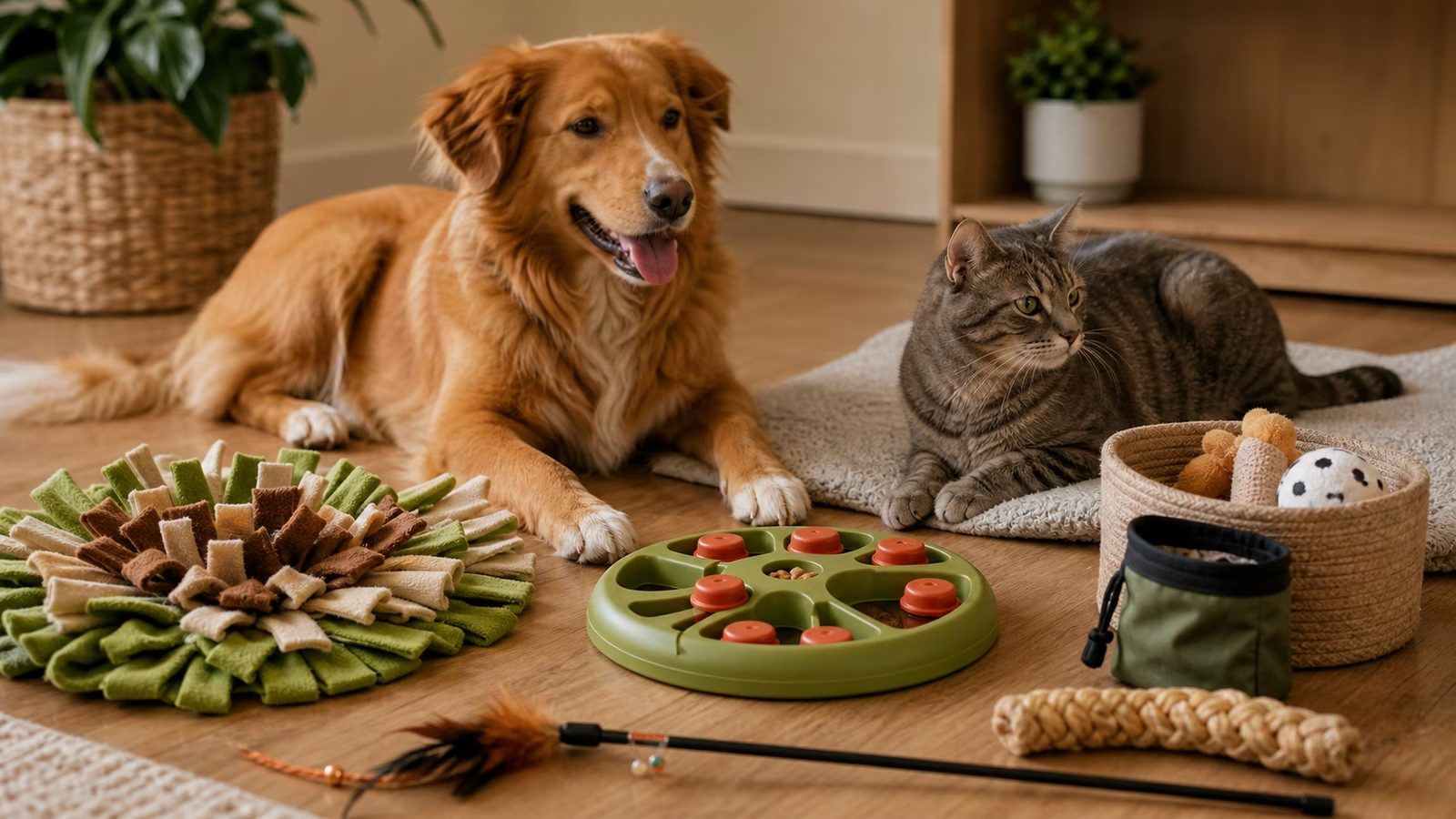
Start with sniffing. A slow sniff walk can be more useful than a rushed distance walk. At home, scatter a few treats in a safe area, use a snuffle mat, or hide food in easy cardboard puzzles under supervision.
Chewing can also be enrichment when the item is safe for the dog and the household can supervise. Rotate chews instead of leaving every toy out forever.
Cat enrichment ideas
For cats, think hunt sequence: notice, stalk, chase, catch, and settle. Wand toys are useful because they let you move prey-like objects without using your hands. Keep sessions short and let the cat catch the toy sometimes.
Add scratching options, window watching, vertical space, and puzzle feeders. A bored cat may not need more toys scattered everywhere. They may need a better play routine and resources in the right places.
Puzzle toys without frustration
Puzzle toys should start easy. If the pet gives up, paws frantically, barks, bites the toy hard, or walks away stressed, simplify it. Let them win. You can increase difficulty later.
Food puzzles should fit the pet’s diet and chewing style. Avoid tiny parts, splintering materials, or anything a strong chewer can destroy and swallow.
Rotation and rhythm
Keep a small basket of enrichment options and rotate a few at a time. Too many toys can become background clutter. A simple rhythm might be sniffing in the morning, chewing or puzzle feeding during a quiet block, play before dinner, and calm settling at night.
Enrichment checklist
- The activity matches a normal behavior: sniffing, chewing, scratching, climbing, chasing, foraging, resting, or gentle social contact.
- The pet can succeed before difficulty increases.
- Food toys match the pet’s diet, chewing strength, and supervision level.
- The home has a calm rest plan after exciting play.
- Toy rotation is small enough that the household can maintain it.
Enrichment decision table
| What you see | Try first | When to get help |
|---|---|---|
| Destructive boredom | More sniffing, chewing, foraging, or play before rest. | If destruction looks panicked or self-injuring. |
| Night energy | Add evening play, bathroom check, and calmer wind-down. | If sleep changes are sudden or paired with health signs. |
| Puzzle frustration | Make the puzzle easier and let the pet win. | Stop if the pet panics, guards, or chews unsafe parts. |
| Cat furniture scratching | Add better scratchers in the location the cat already uses. | Call a professional for severe stress or pet conflict. |
Common beginner mistakes
- Trying to exhaust the pet instead of meeting the right need.
- Buying harder puzzles when the pet needs easier wins.
- Leaving every toy out until nothing feels interesting.
- Using hands as cat toys or rough play that teaches unsafe biting.
Buy only after you know the pet
Wait on expensive puzzle systems, subscription toy boxes, tall climbers, and heavy chews until you know the pet’s play style, chewing strength, body size, and frustration threshold. Start with low-risk options: sniff walks, cardboard searches under supervision, wand toys, scratchers, washable mats, and short training games.
When this is no longer a home setup issue
Call a veterinarian or qualified trainer if boredom looks like panic, self-injury, aggression, compulsive behavior, sudden lethargy, severe separation distress, or a major behavior change. For routine setup, connect enrichment with Alone-Time Routines for Pets and Pet Sleep and Overnight Routines .
What to do next
Pick one dog idea and one cat idea even if you only have one species. The contrast helps you think clearly about behavior. Then connect enrichment to Pet Cleaning Setup for a Fresher Home so play, food, fur, and washable zones are easy to maintain.
Make the home easier to live in
Pet care guides work best when they honor the real household. For Pet Enrichment for Bored Dogs and Cats, the question is not only what would be ideal in a quiet diagram. It is what a person can repeat while doors open, meals happen, guests arrive, weather changes, and the animal has its own preferences.
Start by watching the pattern before changing the setup. Where does the pet hesitate, rush, hide, scratch, chew, bark, spill, or settle? Which part of the day makes the issue worse? A good observation names the place, trigger, and response instead of turning the animal into a problem to fix.
Then make one environmental change. Move the bowl, add a mat, create a calmer resting spot, adjust the walk routine, protect a threshold, or simplify the storage. Small changes are easier to maintain and easier for the pet to understand.
Keep safety and welfare boundaries visible. If the issue involves injury, ingestion, aggression, severe anxiety, poisoning, heat stress, or sudden behavior change, bring in the appropriate professional. Home setup can support care, but it should not pretend to replace medical or behavioral expertise.
Pet Enrichment for Bored Dogs and Cats should leave the household feeling more legible. The best pet spaces are not showrooms. They are routines the animal can trust and humans can keep.