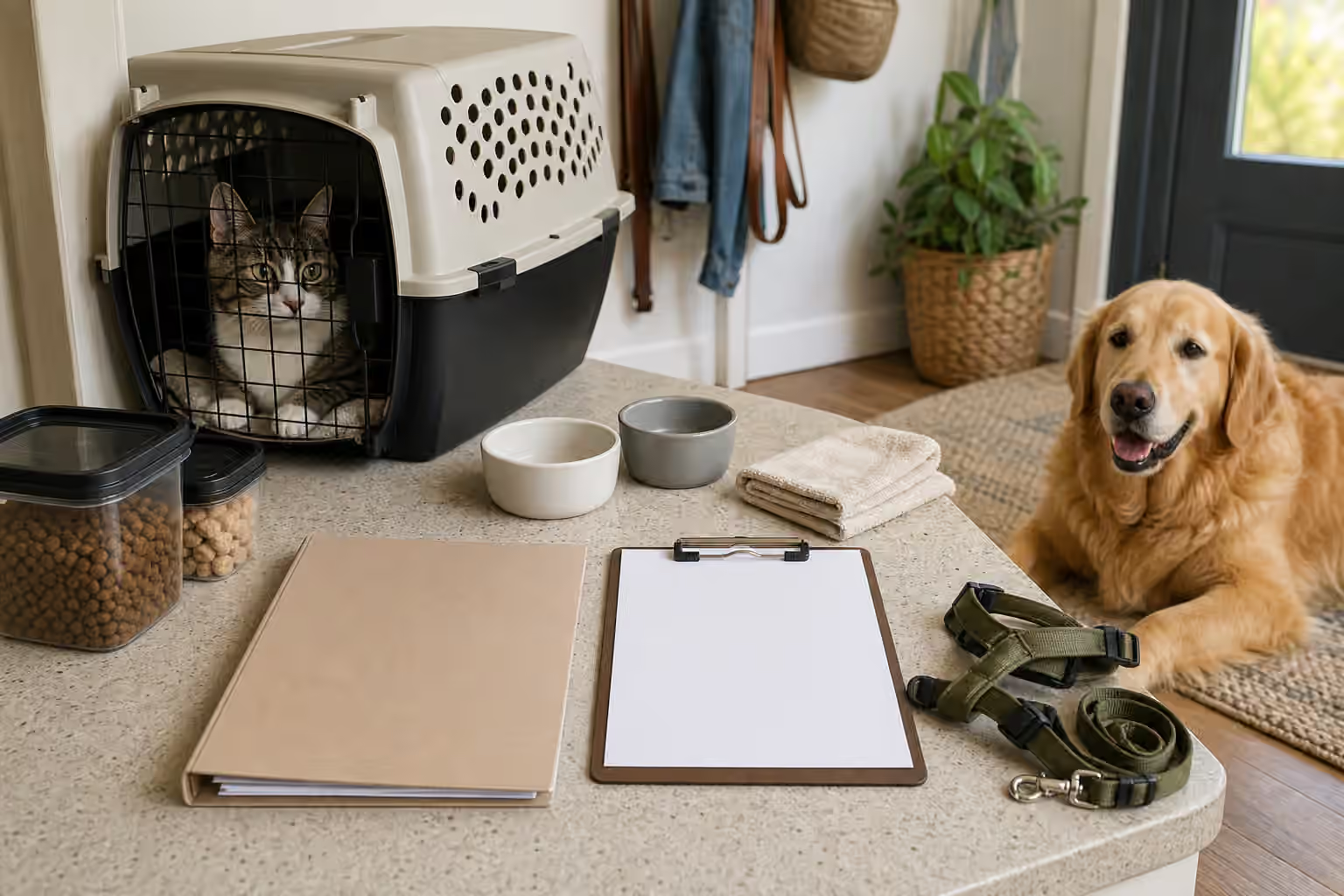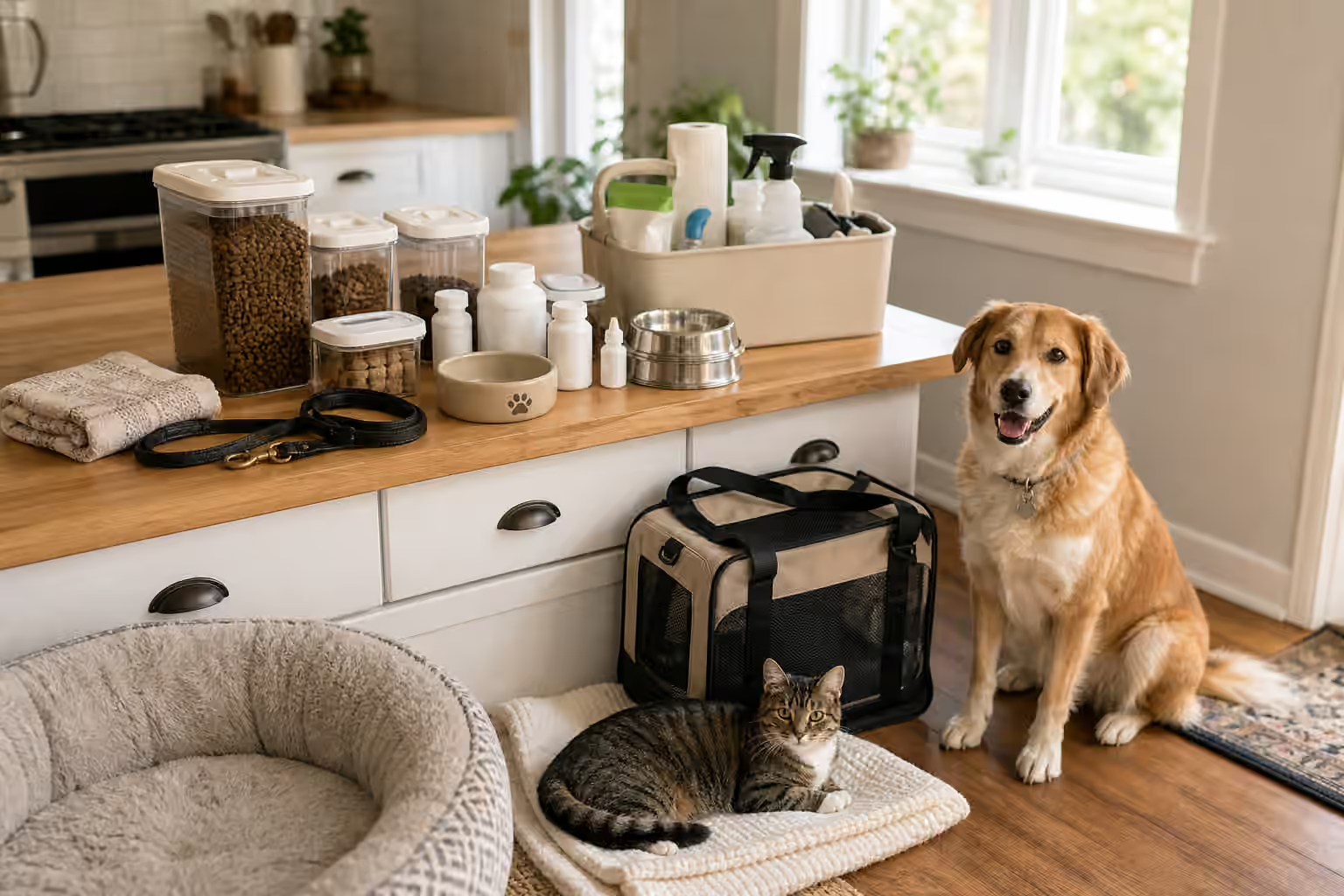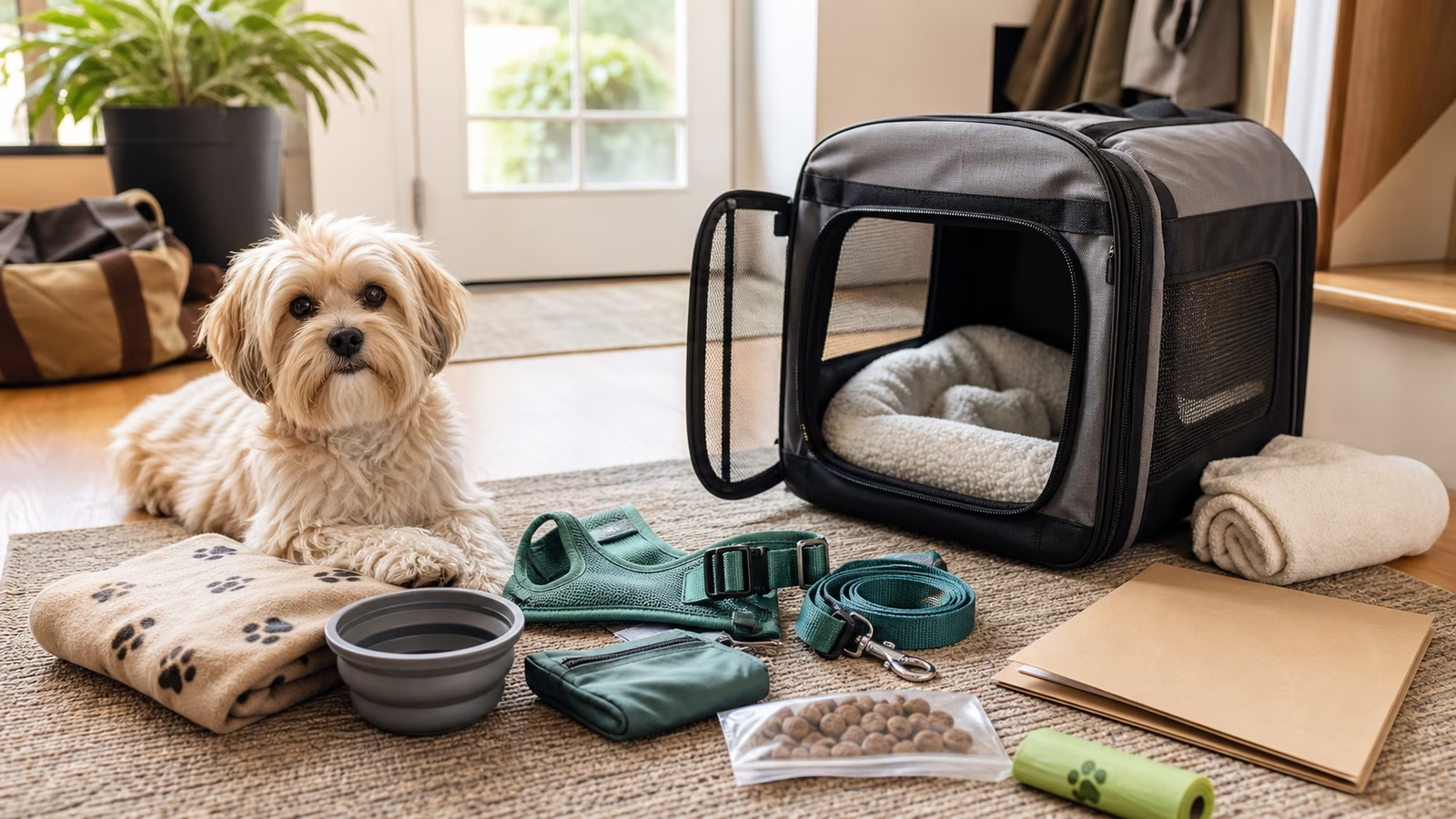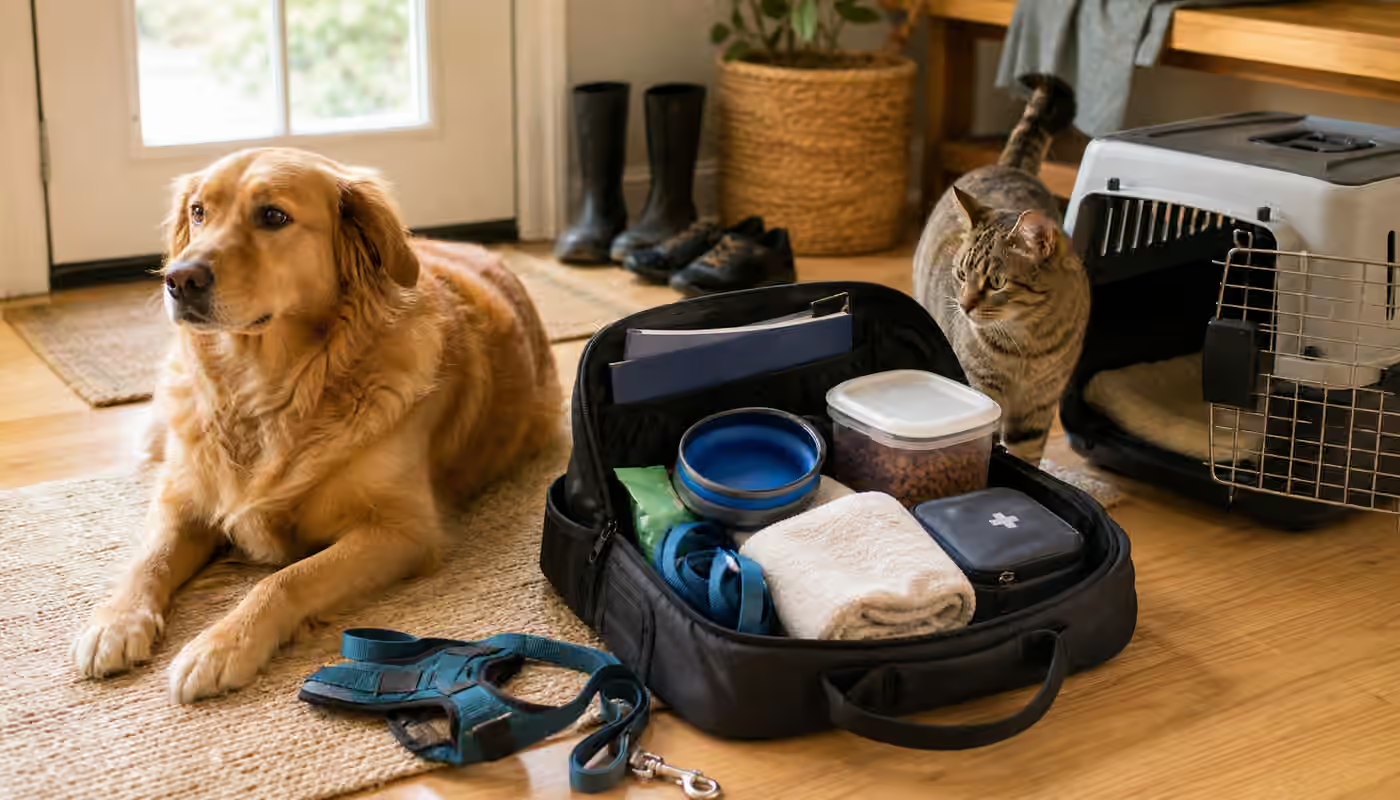
Pet emergency readiness is less dramatic than most people imagine. It is not a bunker of supplies or a complicated binder that nobody opens. It is the ordinary pet-care system made portable: the carrier the cat already accepts, the leash that fits, the food that can be found quickly, the records that a sitter or clinic can understand, and the quiet room where a stressed animal can recover after the household has been disrupted.
The point is not to predict every possible problem. A burst pipe, power outage, smoke alarm, sudden hospital trip, neighborhood evacuation, or family emergency all create different pressures. The useful overlap is that pets need containment, identification, food, water, bathroom access, familiar handling, and a human who can make clear decisions without searching the house in a rush.
Readiness starts before anything is wrong
The easiest emergency plan is the one that looks like normal life. If the cat carrier only appears during panic, the cat may hide exactly when you need quick movement. If the dog has never worn the backup harness, fastening it during an evacuation becomes a negotiation at the doorway. If a pet only enters the car for stressful appointments, even a short drive to a safe place can add another layer of distress.
This is why emergency readiness belongs beside Pawstead’s everyday routines rather than in a separate crisis mindset. The carrier work from Traveling With Pets: Carriers, Cars, and Calm Routines is useful on ordinary days and urgent ones. A cat who naps near an open carrier is easier to move than a cat who sees the carrier as a trap. A small dog who has practiced settling in a secured travel crate does not need to learn the concept during a loud morning. A larger dog who understands a leash, harness, and calm doorway pause is easier to guide through a hallway, stairwell, driveway, or temporary lodging.
Practice does not need to be theatrical. Put the carrier in a normal room, place a familiar towel inside, and let it become furniture. Clip the leash before a few boring household transitions so the hardware does not always predict a walk or a vet visit. Feed a small treat near the emergency bag and then ignore it. These tiny repetitions make the tools less suspicious.
Build one portable care station
A pet emergency bag should be easy to lift, easy to restock, and plain enough that another adult can understand it. It does not need to contain every product a pet has ever used. It should hold the short-term pieces that would help you leave the house, shelter in a safer room, or hand care to someone else for a day while you solve the bigger problem.
Think in terms of the first few familiar routines. The pet will need food in a sealed container, a way to drink, waste bags or litter supplies, a towel or absorbent liner, medication only if it has been prescribed and labeled according to veterinary instructions, a spare leash or harness where relevant, and a comfort item that smells like home. For cats, containment matters as much as the bag. A portable litter setup is only useful if the cat also has a secure room, carrier, or crate plan at the destination. For dogs, a leash and fitted harness may matter more than a large pile of toys.
The bag should live near the route you would actually use. A perfect kit buried behind seasonal storage is not ready. A modest bag near the entry, laundry area, or pet station will do more good because it can be grabbed while you are also finding keys, shoes, children, phones, or paperwork. If your home has multiple exits, choose the location that remains reachable without crossing the most fragile part of the house.
This care station should connect with the rest of the home rather than duplicate it badly. The feeding station from Feeding Stations and Mealtime Routines for Pets can tell you what food, bowl style, and separation pattern must be preserved. The cleaning setup from Pet Cleaning Setup for a Fresher Home can remind you which towels, cleaners, and waste supplies are practical. The emergency bag is a portable summary of those systems, not a replacement for knowing how the pet actually lives.
Keep records short enough to use
Records help most when they are current, visible, and brief. A sitter, roommate, relative, clinic, or boarding staff member may need the pet’s name, description, microchip information if available, veterinarian contact, medical considerations, medication instructions if any, feeding routine, behavior cautions, and your contact path. If the record turns into a long essay, people may miss the one sentence that matters.
Use plain labels, but do not rely on labels alone. A sealed food container is helpful; a note that says which pet eats it and how often is better. A medication bottle should stay in its original labeled container when possible, and any dosing decision should come from the veterinarian, not from memory or a handwritten guess. If a pet has a condition that changes handling, transport, or feeding, write the practical effect in ordinary language. “Do not pick up under the belly” is more useful during a rushed handoff than a vague warning that the pet is sensitive.
Photos can help identify a pet if someone else must describe them. Keep a clear current photo on your phone and, if useful, a printed copy with the records. For pets who look similar to others in the home, include collar color, markings, age, and any distinguishing features. The goal is not to create a legal document. The goal is to prevent confusion when the usual caretaker is not the person answering questions.
The same record discipline improves Pet Sitter Handoff Without Confusion . A sitter plan and an emergency plan are close relatives. Both ask the home to explain itself under pressure.
Decide how each pet leaves the house
Many emergency plans fail at the threshold. The bag is ready, but the cat is under the bed. The leash is handy, but the dog surges toward the open door. The carrier exists, but nobody knows whether it fits in the car. Readiness means rehearsing the movement path from the pet’s resting place to the exit, then from the exit to the vehicle, neighbor’s home, lobby, or safe room.
For cats, reduce the number of impossible hiding places before the carrier appears. This does not mean stripping the home of hiding options. Cats need safe retreats. It means noticing which hiding places would make urgent care impossible, then offering better ones: a covered bed, carrier, open closet with clear access, or room where furniture does not require crawling and lifting. The setup logic in New Cat Setup: Litter, Scratching, Hiding, and Play applies here because a good hiding place is secure without making the cat unreachable.
For dogs, door practice matters. A dog who waits behind a gate, steps into a harness indoors, and exits only when the leash is attached is easier to manage when alarms, guests, or neighbors are part of the scene. Visitors and Doorway Routines for Pets covers the same threshold skills from a calmer angle. Emergency readiness uses those skills for a different reason: not politeness, but reducing escape risk and human confusion.
Multi-pet homes need separation plans. Two pets who eat peacefully on normal evenings may crowd each other when everyone is rushed. A cat may bolt when the dog barks. A senior dog may need extra time on stairs. Write the exit order in your mind before you need it. The most fragile, least mobile, or hardest-to-catch pet may need attention first, while another waits behind a gate or closed door.
Prepare for staying put, not only leaving
Not every disruption requires evacuation. Sometimes the safer choice is to close windows, stay in an interior room, wait for a repair, or keep pets away from workers, broken glass, smoke smell, loud equipment, or open exterior doors. A stay-put plan needs different pieces: water, litter access or bathroom timing, bedding, ventilation when appropriate, calm containment, and a way to keep pets separated from the activity.
Choose a room that can become a temporary pet base. It should have a door that closes securely, enough floor space for the carrier or bed, and access to water. For cats, litter may need to move in. For dogs, a nearby bathroom break plan matters. If the pet is noise sensitive, Noise-Sensitive Pets at Home can help you think through sound, distance, and recovery instead of trying to comfort the animal in the middle of the loudest room.
The room should be boring in a good way. Remove obvious hazards, loose cords, open trash, fragile objects, and anything the pet might swallow while stressed. Pet-Proofing Rooms Before Giving More Freedom is useful here because emergency containment should not create a new problem. A room that is safe for a relaxed pet may not be safe for a pacing, chewing, climbing, or hiding pet.
Make the handoff human
Emergencies often involve other people. A neighbor may take the dog for an hour. A relative may need to feed the cat. A sitter may continue care because you cannot get home. A clinic may ask for information while you are distracted. The plan should assume that a decent person is trying to help with incomplete context.
Write the handoff in terms of actions rather than personality labels. “She is dramatic” does not help much. “She hides under the bed when strangers enter; leave food and water inside the bedroom and do not pull her out” is usable. “He is friendly” may be true until the dog is stressed, cornered, or guarding the doorway. “He can walk past people at a distance, but should not greet dogs on leash” gives the helper a safer lane.
Include professional boundaries. If the helper sees vomiting, injury, collapse, repeated attempts to urinate, severe distress, aggression, escape, or suspected toxin exposure, the next step is not to keep experimenting with the routine. It is to contact you and the appropriate professional resource. When to Call a Vet, Trainer, or Groomer gives a broader framework for those decisions.
Reset after the disruption
After the immediate problem ends, pets still need a landing period. A dog who seemed calm during a power outage may sleep heavily the next day. A cat who rode in a carrier may smell different to another cat in the home. A pet who spent hours in one room may need a slow return to ordinary space, food, litter, walks, and sleep.
Treat the return like a small version of Moving Homes With Pets Without Losing the Routine . Rebuild familiar stations first. Put water, bedding, litter, food, and resting places where the pet expects them. Give other animals time to notice the returning pet without crowding. Watch body language before assuming everything is normal again. Reading Pet Body Language at Home helps here because stress often shows up in small signals before it becomes a loud problem.
Use the experience to improve the setup while the memory is fresh. Maybe the carrier was too hard to reach. Maybe the bag had food but no opener. Maybe the dog needed a calmer door routine. Maybe the cat chose a hiding place that made movement harder. Those notes are not proof that the plan failed. They are the exact details that make the next version more realistic.
Good pet emergency readiness feels quiet. The supplies are ordinary, the carrier is familiar, the records are understandable, the exit path has been considered, and the stay-put room is not an afterthought. That kind of preparation cannot remove uncertainty, but it can keep the household from wasting its first calm minutes searching for the basics.