A fresher pet home is usually built from systems, not heroic cleaning days. Put the right supplies near the mess, choose washable zones, and make small resets part of the routine.
Build cleaning stations
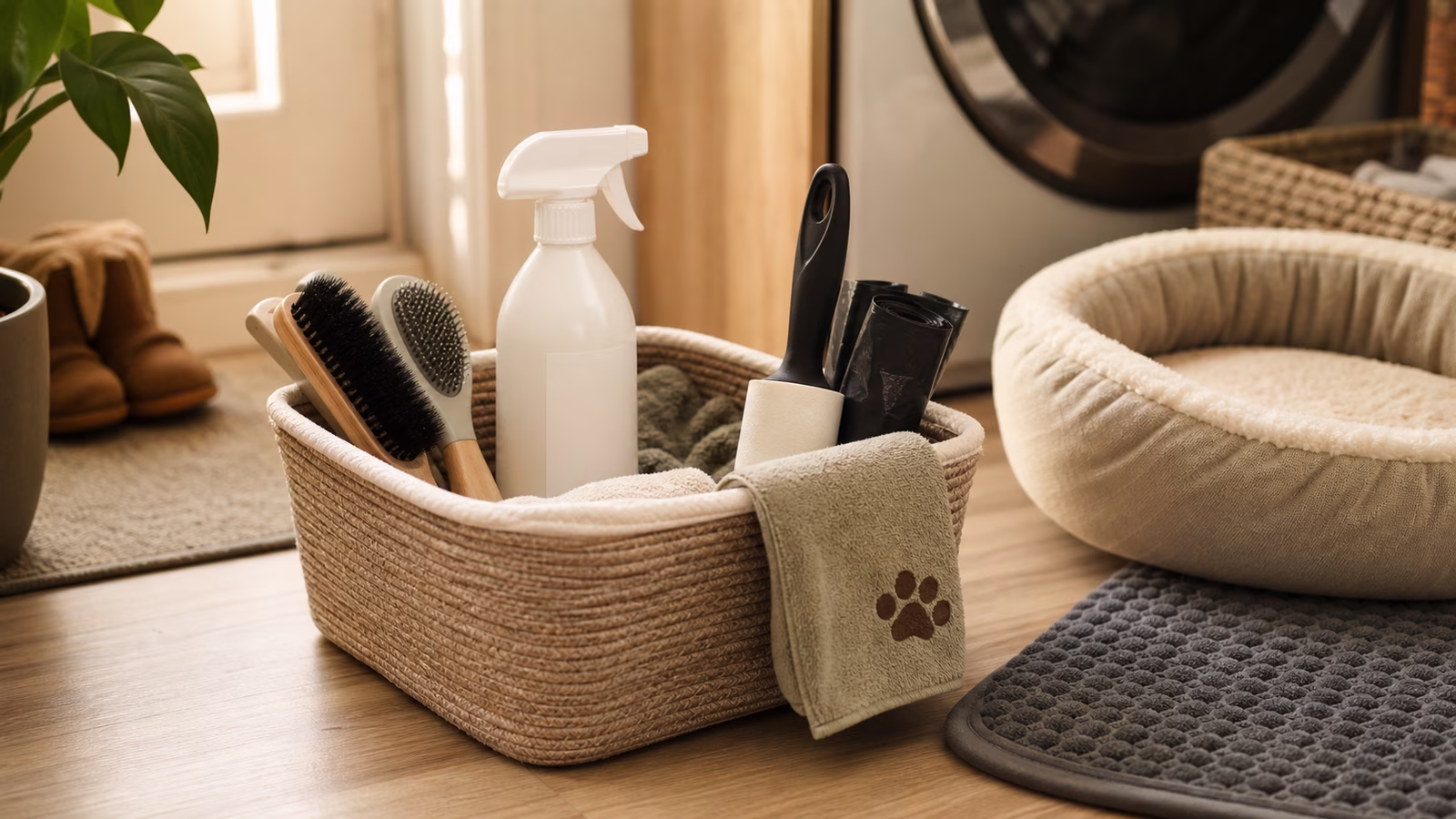
Start with two stations: one near the main pet area and one near the entry or litter zone. A basic kit can include enzymatic cleaner, washable towels, waste bags, a lint roller, grooming brush, small trash bags, and a caddy. Keep supplies visible enough to use quickly.
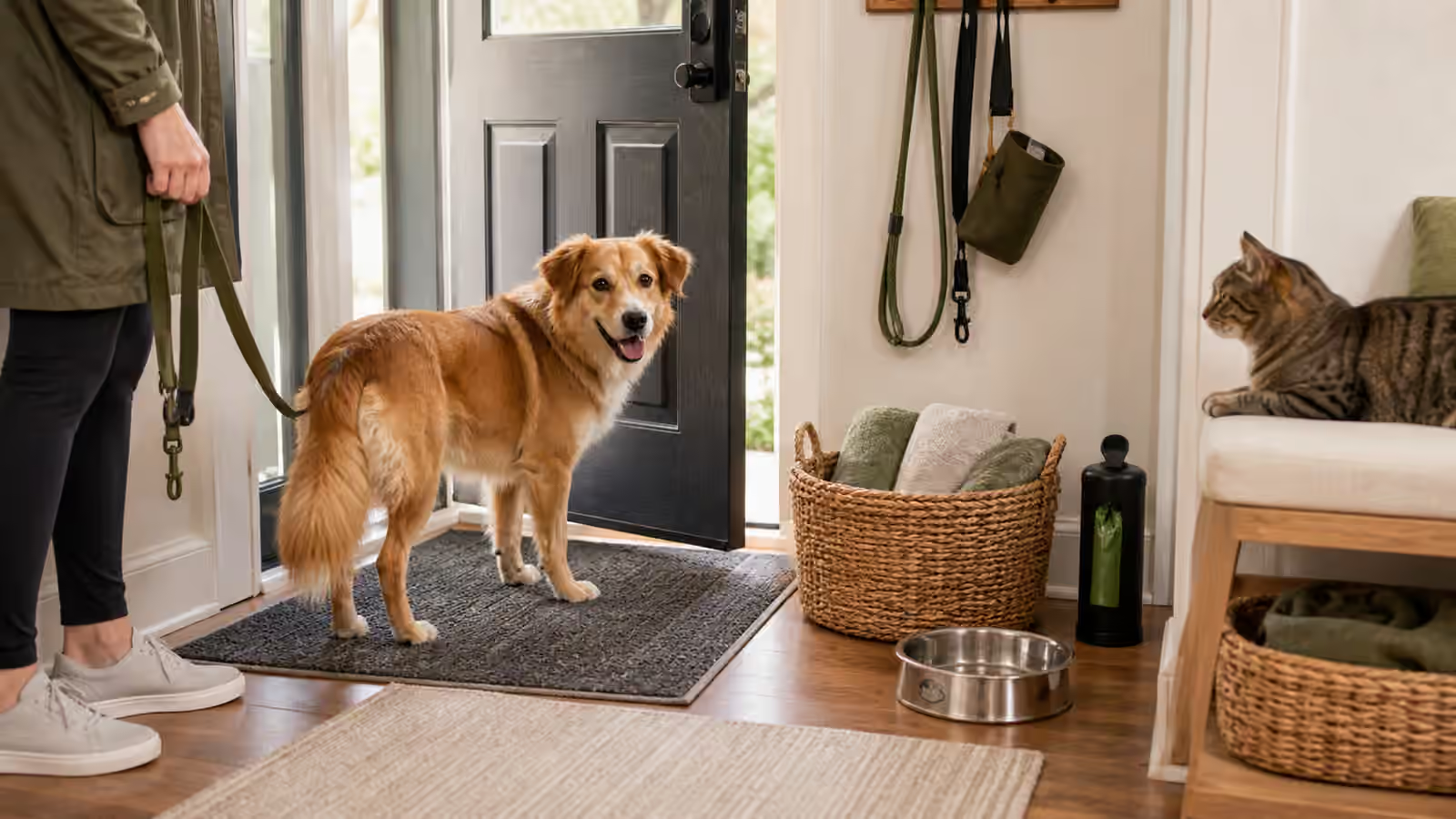
For cats, place scoop, bags, and a small bin near the litter box. For dogs, keep towels and paw wipes near the door.
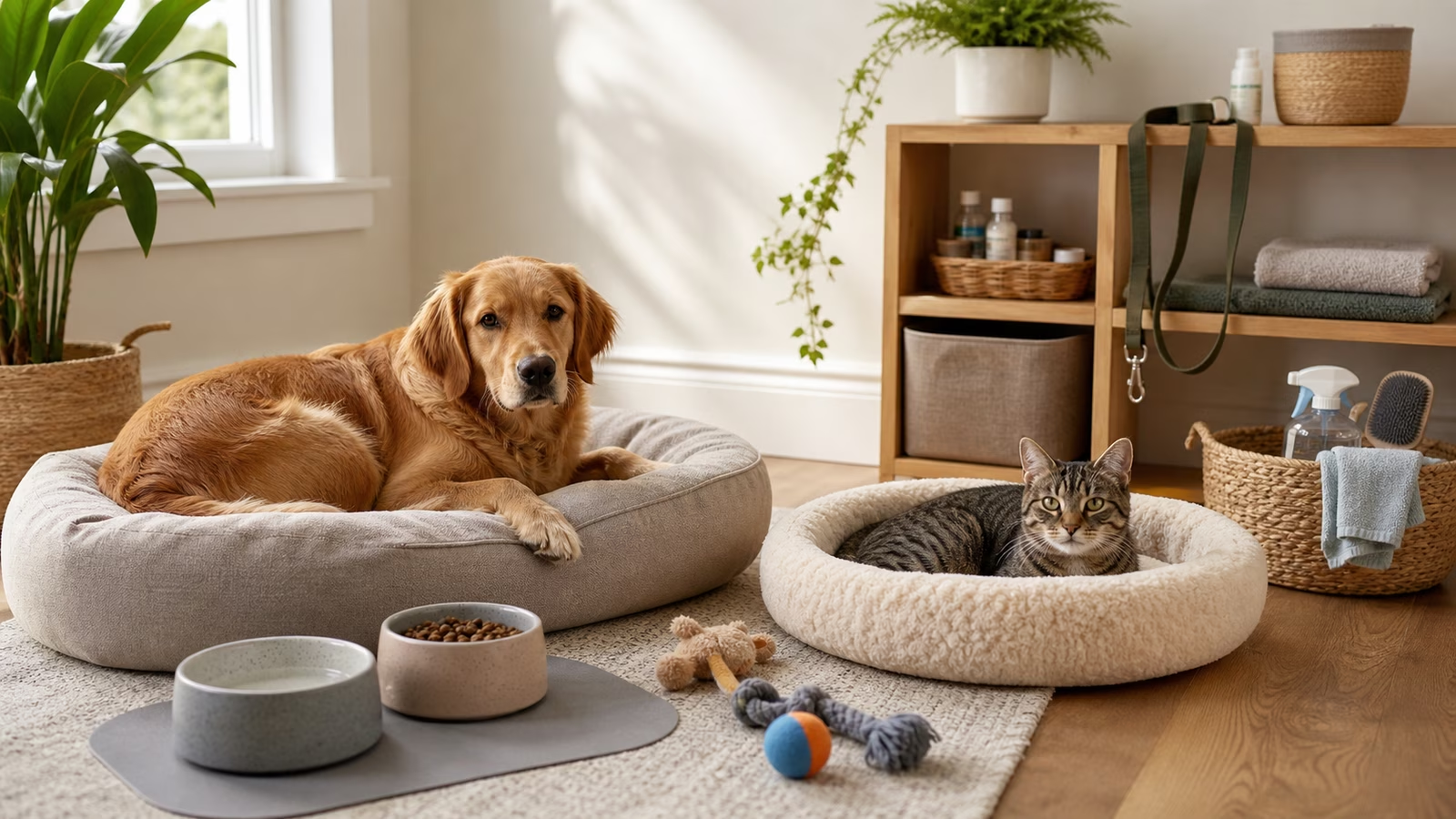
Fur control
Brush before fur spreads through the house. Match the brush to the coat and keep sessions short. If the pet dislikes brushing, pair the brush with treats and stop before a struggle. A grooming brush is only useful when the pet can tolerate it and the household actually uses it.
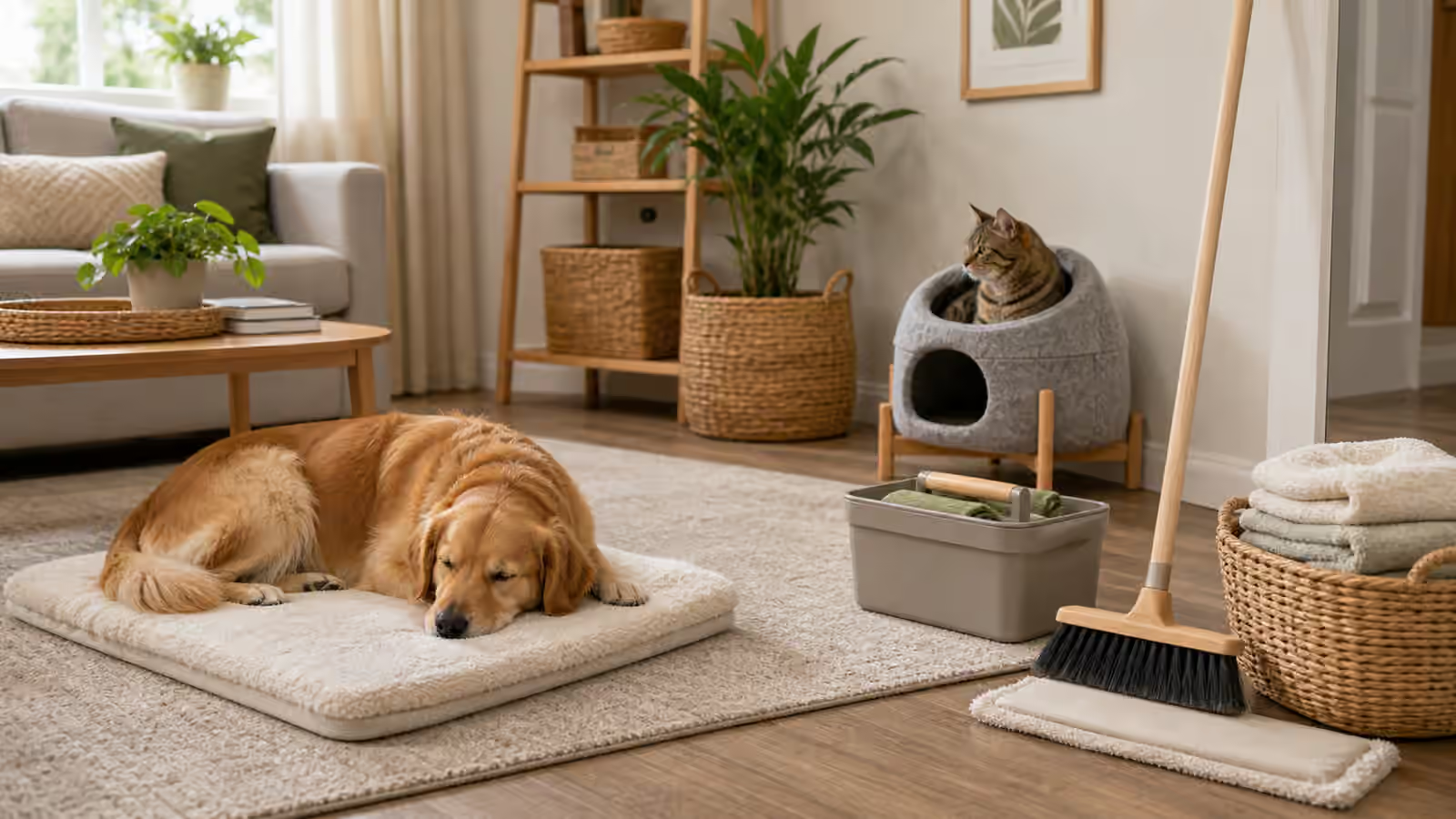
Use washable throws on favorite resting spots. It is easier to wash a throw than a couch.
Odors and accidents
For urine, feces, and vomit cleanup, enzymatic cleaner is a practical staple because it targets organic residue. Blot first, follow the product directions, and keep pets away until the area is safe and dry.
Do not punish a pet for an accident found later. Clean thoroughly, improve supervision, and ask whether the setup or health picture changed.
Litter tracking
A litter mat can help, but box placement, litter depth, and cleaning rhythm matter more. If litter travels everywhere, try a larger mat, a better exit path, or a box location that gives paws a few steps before carpet or furniture.
For box fundamentals, read Litter Box Setup That Actually Works .
Muddy paws and washable zones
Set up a small entry routine: leash hook, towel, waste bags, treats, and a washable mat. Teach the dog to pause on the mat before entering the rest of the home. Reward stillness, then wipe one paw at a time.
Fresher-home checklist
- One cleaning caddy lives near the main pet zone and one reset station lives near the door or litter area.
- Enzymatic cleaner, washable towels, bags, lint roller, brush, and laundry bin have visible homes.
- Favorite rest spots use washable covers before odor builds into furniture.
- Litter tools are close enough that scooping can happen daily.
- Entry routines handle wet paws before the pet crosses the whole home.
Cleaning decision table
| Mess | Home setup response | When to call a professional |
|---|---|---|
| Urine, feces, or vomit | Blot, use enzymatic cleaner, and improve supervision or box access. | Vet call for repeated vomiting, diarrhea, sudden accidents, pain, or appetite change. |
| Fur everywhere | Brush in short sessions and protect favorite surfaces with washable throws. | Groomer or vet if mats, skin odor, wounds, or coat changes appear. |
| Litter tracking | Larger mat, better exit path, and box placement audit. | Vet call if box use changes suddenly. |
| Muddy paws | Door towel, washable mat, and calm pause cue. | Trainer help if handling paws creates panic or biting. |
Common beginner mistakes
- Buying fragrance sprays before solving residue, laundry, litter, or airflow.
- Keeping cleaning supplies far from the place where accidents happen.
- Treating accidents discovered later as a discipline problem.
- Ignoring odor changes that may signal skin, ear, dental, digestive, or urinary issues.
Buy only after you know the pet
Wait on robot vacuums, specialty grooming tools, odor gadgets, and expensive beds until you know the pet’s coat, shedding pattern, litter tracking, accident risk, and tolerance for brushing. Start with washable surfaces and supplies that make daily cleanup boring.
When this is no longer a home setup issue
Strong new odor, repeated accidents, skin smell, ear smell, excessive licking, vomiting, diarrhea, blood, sudden house-soiling, or major coat changes deserve a vet call. For normal maintenance, connect cleaning with Cooperative Grooming and Handling and Litter Box Setup That Actually Works .
What to do next
Choose one cleaning station today and stock it. Then connect cleaning with Pet Enrichment for Bored Dogs and Cats so puzzle toys, chews, litter, and washable bedding do not become a daily reset battle.
Make the home easier to live in
Pet care guides work best when they honor the real household. For Pet Cleaning Setup for a Fresher Home, the question is not only what would be ideal in a quiet diagram. It is what a person can repeat while doors open, meals happen, guests arrive, weather changes, and the animal has its own preferences.
Start by watching the pattern before changing the setup. Where does the pet hesitate, rush, hide, scratch, chew, bark, spill, or settle? Which part of the day makes the issue worse? A good observation names the place, trigger, and response instead of turning the animal into a problem to fix.
Then make one environmental change. Move the bowl, add a mat, create a calmer resting spot, adjust the walk routine, protect a threshold, or simplify the storage. Small changes are easier to maintain and easier for the pet to understand.
Keep safety and welfare boundaries visible. If the issue involves injury, ingestion, aggression, severe anxiety, poisoning, heat stress, or sudden behavior change, bring in the appropriate professional. Home setup can support care, but it should not pretend to replace medical or behavioral expertise.
Pet Cleaning Setup for a Fresher Home should leave the household feeling more legible. The best pet spaces are not showrooms. They are routines the animal can trust and humans can keep.