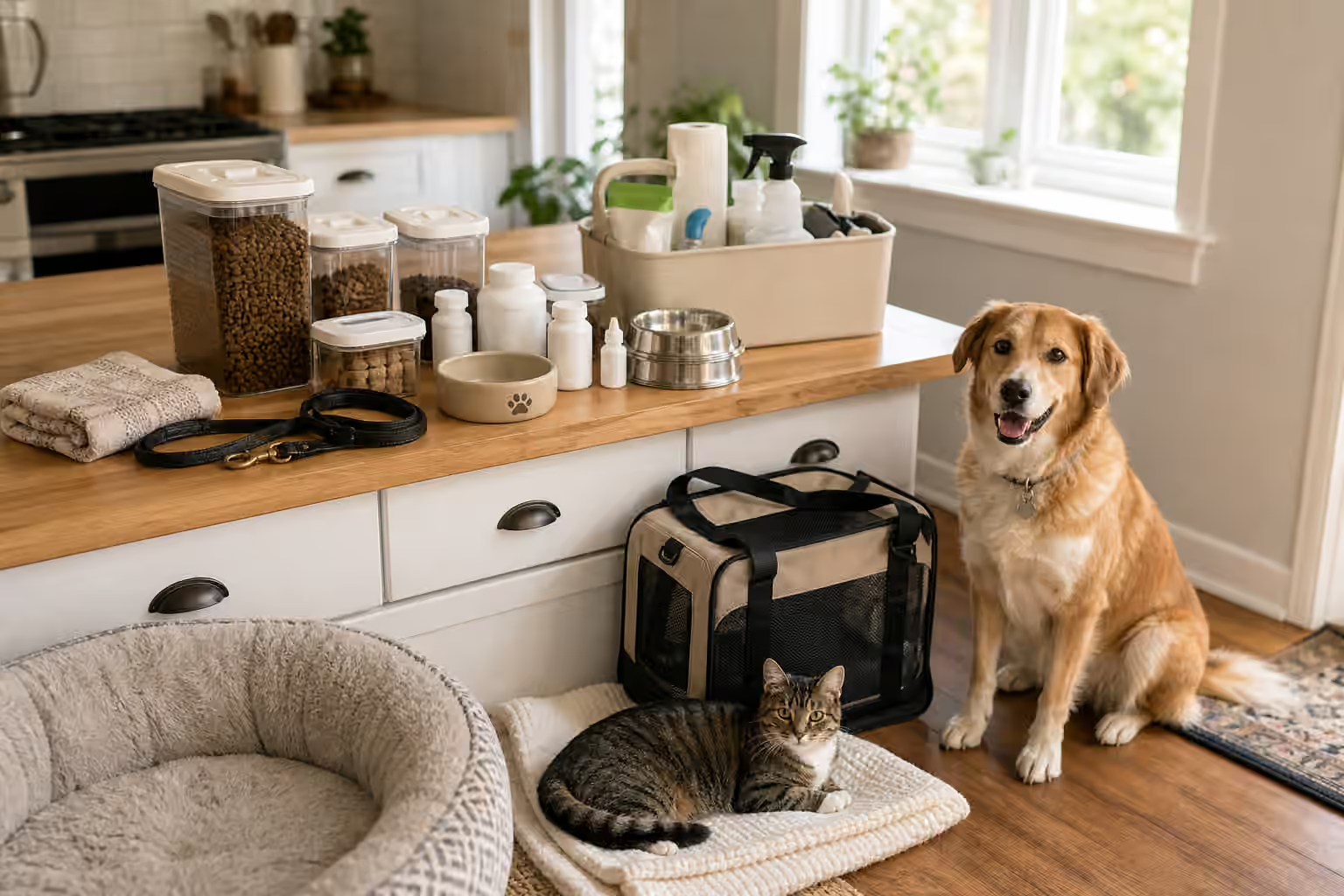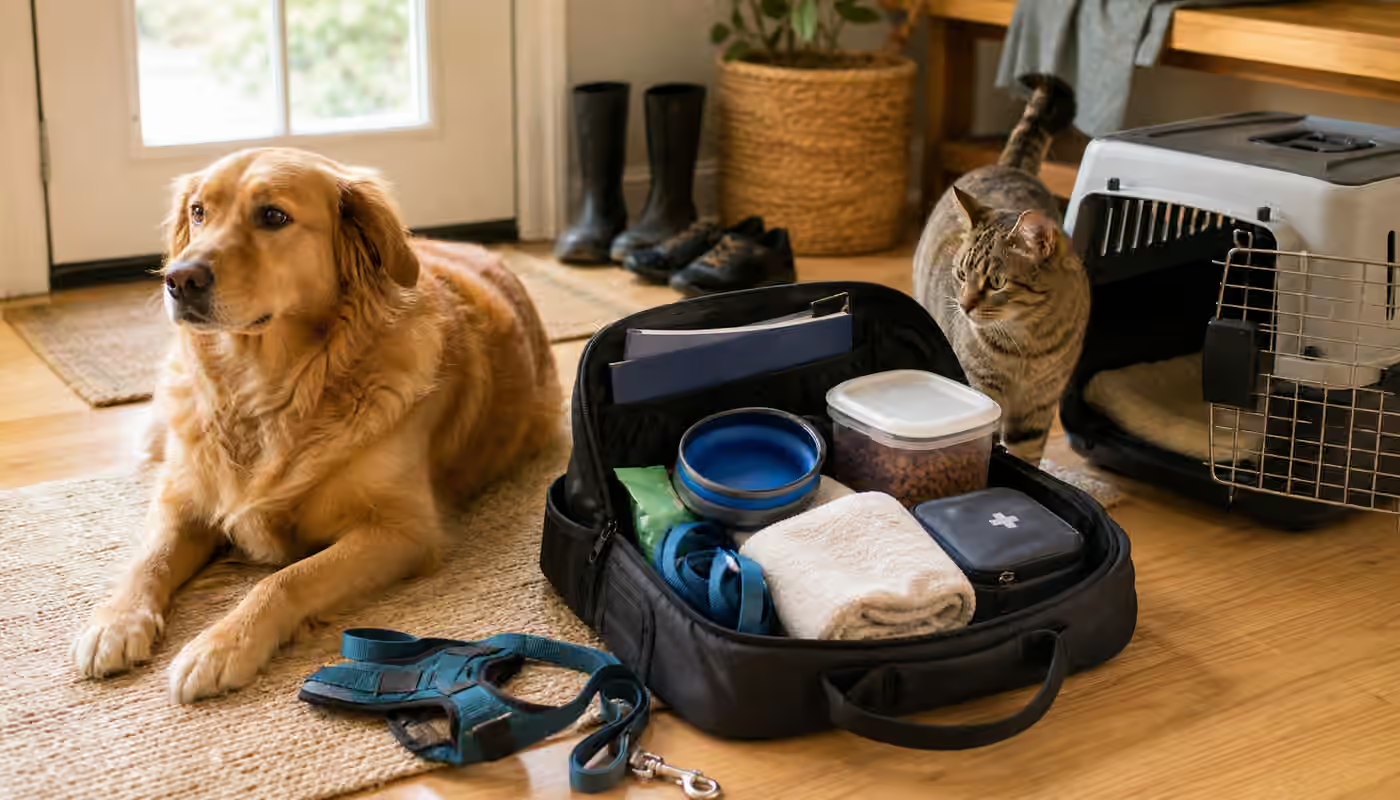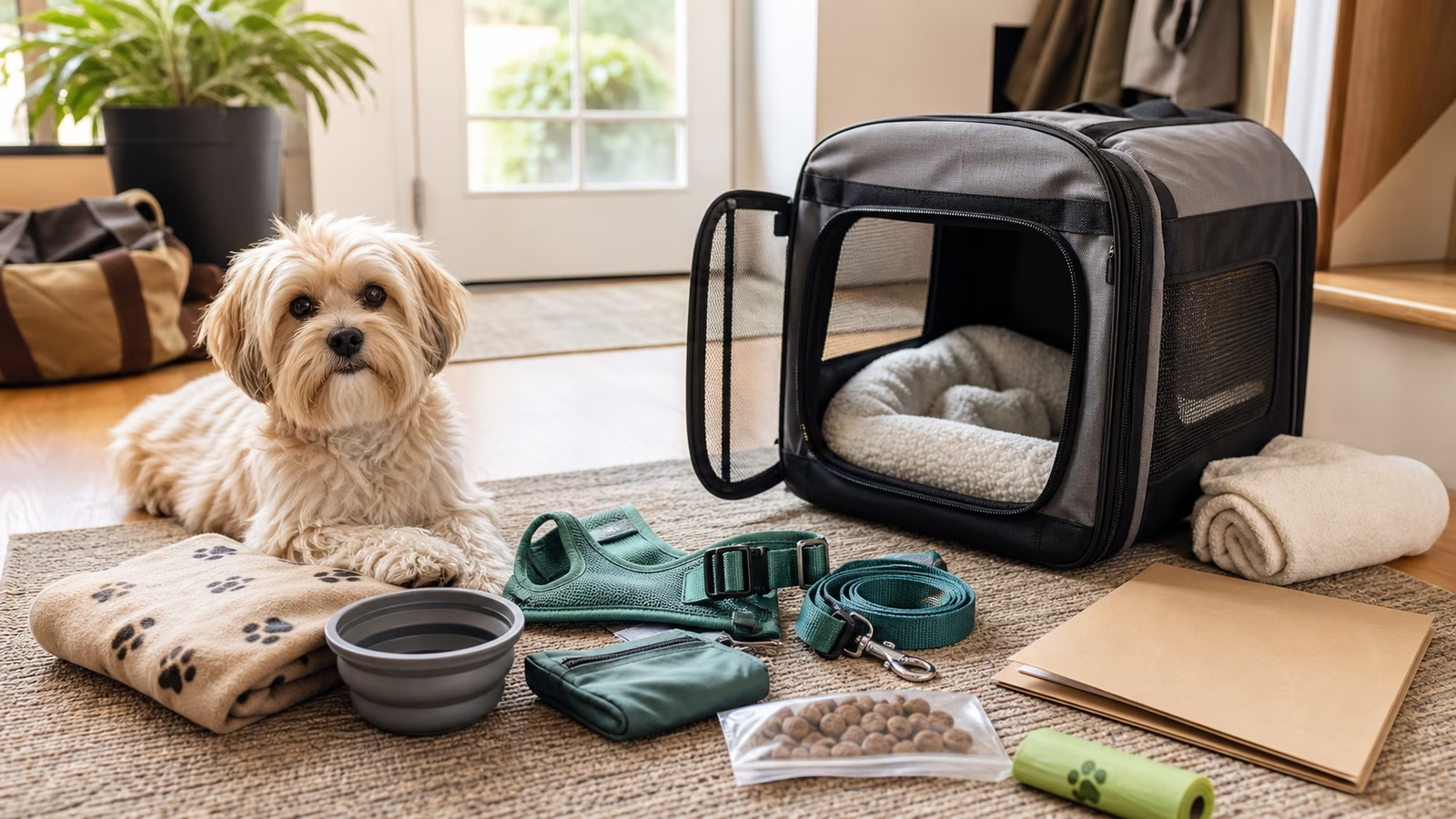
Pet care records sound formal, but the useful version is ordinary and practical. It is the place where a household keeps the facts that are easy to remember until someone else needs them: what the dog eats, which carrier the cat accepts, which leash fits, which clinic to call, what a normal appetite looks like, and what changed after the last appointment. A good record system does not turn pet care into paperwork. It keeps people from guessing when the routine is already under pressure.
The best place to start is not a thick binder. It is one visible station that connects the pet’s daily life to the information another person would need. If a sitter, roommate, family member, vet office, trainer, groomer, or boarding staff member has to ask a question, the answer should be short, current, and close to the gear it describes. That is why care records belong beside bowls, leashes, carriers, towels, and cleaning supplies, not buried in a drawer with old receipts.
Keep the record close to the routine
Pet notes fail when they are written as a separate project from the home. A beautiful folder in an office cabinet will not help much if the sitter is standing near the food bins, unsure which bowl belongs to which pet. A phone note may be useful, but it can disappear behind a lock screen, dead battery, poor signal, or a message thread that only one person can access. The record needs to live where care happens.
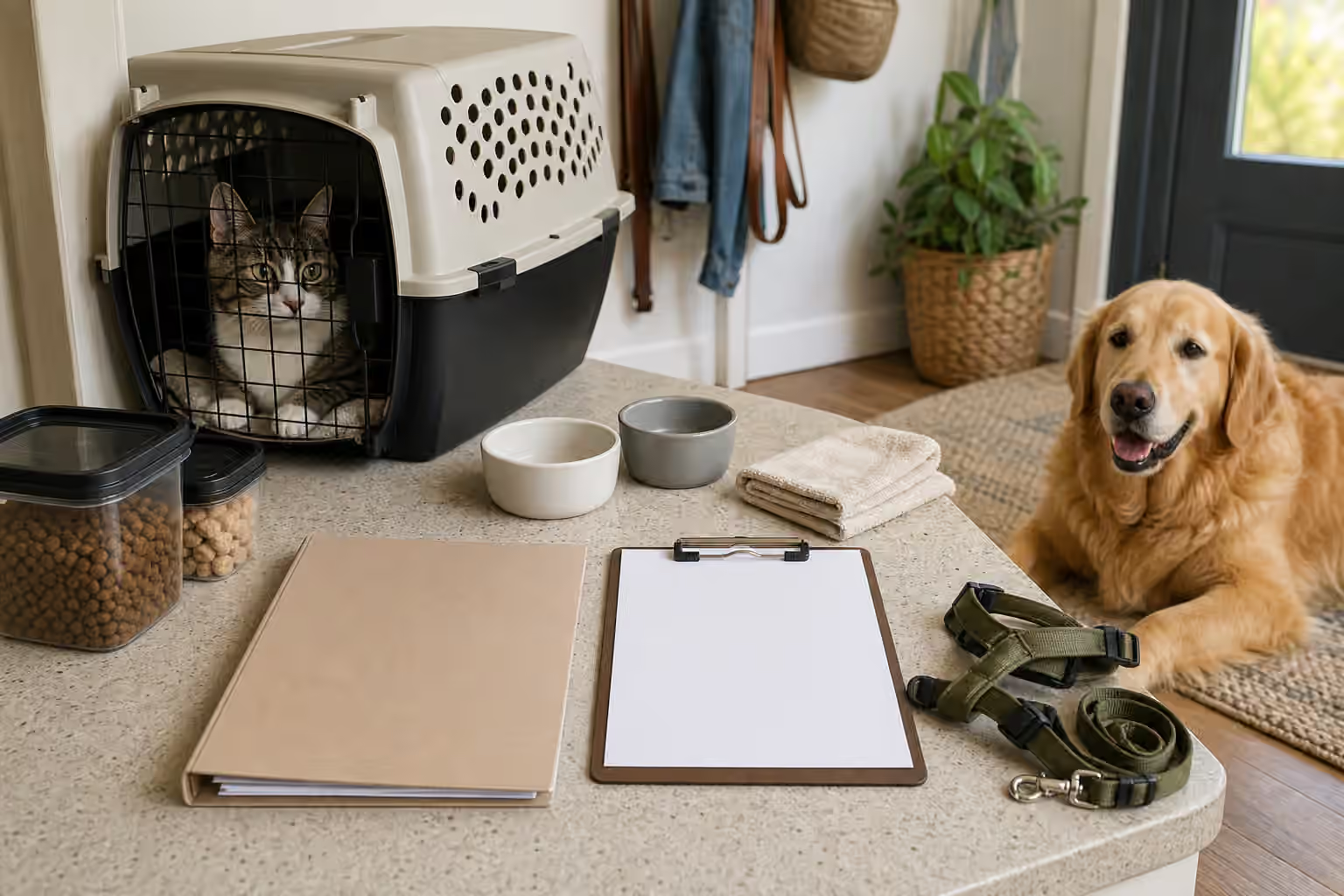
For many homes, this means a small binder, folder, or clipboard near the feeding station, entryway, or pet supply shelf. It does not need visible labels with private details. It needs enough structure that a trusted helper can find the right page without searching the whole house. The same thinking behind Feeding Stations and Mealtime Routines for Pets applies here. A feeding station is clearer when food, bowls, water, cleanup, and notes all point in the same direction.
The record should describe the real routine, not the ideal one. If breakfast sometimes happens at 7:30 and sometimes at 8:15, write the practical window instead of pretending the home runs like a kennel schedule. If the cat will not eat while a stranger watches, say that the sitter should place the food, give space, and check later. If the dog uses one harness for ordinary walks and a different leash for car trips, explain that difference in plain language. A record is useful when it reduces decisions, not when it tries to impress someone with detail.
Write for the person who does not know the shorthand
Every household develops pet-care shorthand. “The usual scoop” may mean a specific cup, not the metal scoop beside the bag. “Short walk” may mean the quieter side street, not the first loop a visitor would choose. “Give her space” may mean do not reach under the bed, do not block the hallway, and do not follow her with food. These phrases feel obvious because the people in the home already know the story behind them.
Write notes for the person who does not. Use complete, concrete sentences. Instead of saying the dog is nervous, describe what helps and what does not. The dog may settle if the helper stands sideways, tosses a treat away from the body, and avoids leaning over the dog. The cat may appear only after the room is quiet for ten minutes. A senior pet may need time to stand before the leash goes on. Those details are more useful than personality labels because they point to actions.
This is especially important for Pet Sitter Handoff Without Confusion . A sitter does not need a biography. They need the pet’s current routine, boundaries, supplies, door rules, food plan, cleaning plan, and contact path. Keep the daily handoff readable on one or two pages, then keep backup documents behind it. The goal is a calm first read, not a filing system that scares the helper away.
Separate daily care from urgent information
A pet record station should have two moods. One part is ordinary. It says what the pet eats, where the litter box is, which walk route is easiest, where towels are kept, how the carrier opens, and what kind of play helps the evening settle. Another part is urgent. It lists the veterinarian, emergency clinic, poison-control resource where relevant, owner contact path, backup contact, identification details, known medical considerations, and the instructions a professional has already given for any special care.
Keep those sections distinct. If urgent information is scattered among daily anecdotes, a helper may miss it. If daily care is written in the same tone as an emergency warning, the whole page becomes exhausting. A sitter should know when to keep the routine moving and when to stop improvising. Repeated vomiting, collapse, suspected toxin exposure, injury, difficulty breathing, inability to urinate, severe distress, escape, aggression, or sudden major behavior change does not belong in the “try another treat” category.
Pet Emergency Readiness at Home covers the broader setup for disruptions, carriers, supplies, and exits. The record station is one piece of that system. It should make the first phone call easier and the first few decisions clearer. It should not ask a non-professional helper to diagnose, dose, or make medical judgments without guidance.
Keep medical and medication notes current
Pet records can become risky when old information looks official. A food amount from puppyhood, a medication note from a finished recovery period, or an outdated clinic phone number can create confusion. Treat medical and medication notes as current only when they have been reviewed and still match the veterinarian’s instructions.
For routine care, it is enough to note the clinic, the pet’s regular veterinarian if applicable, vaccine and procedure records you have been asked to keep, microchip information when available, insurance or payment details if your household uses them, and a summary of conditions that affect handling. If medication is part of the routine, keep the original labeled container when possible and write the practical handling note separately. For example, a helper may need to know that the cat eats medication in a specific food only when placed in a quiet room, or that the dog must rest after a vet-directed dose. The dose itself should come from the current professional instructions, not from memory.
The care record should also note what normal looks like. Normal appetite, drinking, bathroom habits, sleep, play, and movement give helpers a baseline. When something changes, they have a way to describe it. That matters during Vet Visit Prep Starts at Home because a clear observation often helps more than a dramatic retelling. “She skipped breakfast twice and used the litter box more often than usual” is more useful than “She seemed off.”
Use records to notice patterns, not to police the pet
There is a difference between useful observation and anxious tracking. You do not need to turn every nap, scratch, bark, or sniff into data. The purpose of routine notes is to catch patterns that help care decisions. A dog may bark more on days when walks are shortened by rain. A cat may scratch the sofa when the preferred post has shifted away from the window. A puppy may have more accidents when the evening play session runs too late. A senior pet may slip in one hallway more than another.
Write the pattern, then connect it to the home. The answer may be a mat, a gate, a better litter location, a slower greeting routine, or a clearer chew zone. Reading Pet Body Language at Home helps because many patterns begin as small signals before they become household problems. Records are not there to prove the pet is difficult. They are there to show which part of the environment or routine needs adjusting.
This is also useful after change. A move, new sitter, new baby, visiting relatives, illness, injury, weather disruption, or schedule change can unsettle routines that were previously stable. A short note about what happened and what helped gives the household a better starting point next time. Moving Homes With Pets Without Losing the Routine is a good example of a situation where records can prevent people from rebuilding the whole pet setup from memory.
Make updates easy enough that they actually happen
The best care record is the one people maintain. If updating it requires rewriting pages, it will fall behind. Keep one simple place for changes, even if the rest of the folder is neat. A blank page at the front, a dated note card, or a single editable household document can capture recent changes: new food, new clinic contact, new sitter preference, changed walk route, repaired gate, moved litter box, medication finished, or fresh behavior concern.
Review the record during natural transition points. Before a sitter comes, read the handoff page and remove stale instructions. Before a vet visit, check whether the questions and observations are current. Before travel, confirm that carrier, leash, records, and contact information still match the plan. After a recovery period, remove temporary instructions that no longer apply so they do not become accidental permanent rules.
Store sensitive information with judgment. A visible routine sheet can say where supplies are and how to handle ordinary care. Private records can stay in a folder, pouch, or digital file that trusted adults can access when needed. The home does not need to display every medical or contact detail to be organized. It needs a reliable path from daily care to the deeper information.
Good pet care records are quiet household infrastructure. They help the right person find the right fact at the right moment. They keep a sitter from guessing, a vet visit from relying on memory, an emergency bag from being a mystery, and a moving day from scattering the routine. Most of all, they respect the pet’s actual life: the bowls they use, the rooms they trust, the handling they understand, the changes that matter, and the people who may need to care for them when the usual caretaker is not standing there.