A pet camera can be useful, but it is not a training plan, sitter, veterinarian, or emotional guarantee. It is a small window into a room. Used well, it helps a household understand whether a pet settles, paces, sleeps, barks, scratches, eats, or waits by a door. Used poorly, it turns normal uncertainty into constant checking, or it adds voices, treat sounds, and alerts that make the pet more confused.
The camera belongs after the basics in Alone-Time Routines for Dogs and Cats . A pet who cannot rest alone needs gradual practice, a sensible room setup, appropriate exercise or play, safe confinement if confinement is part of the plan, and professional help when distress is severe. A camera can show you what is happening. It cannot make the room feel safe by itself.
Decide the camera’s job before turning it on
The most useful camera has a narrow purpose. You may want to know whether the dog settles after ten minutes, whether the cat uses the home base while guests are away, whether a senior pet can reach the water station, or whether a new sitter handoff left the room in the expected state. Those are answerable questions. Watching all day because you feel unsure is understandable, but it can make the human routine worse without improving the pet’s day.
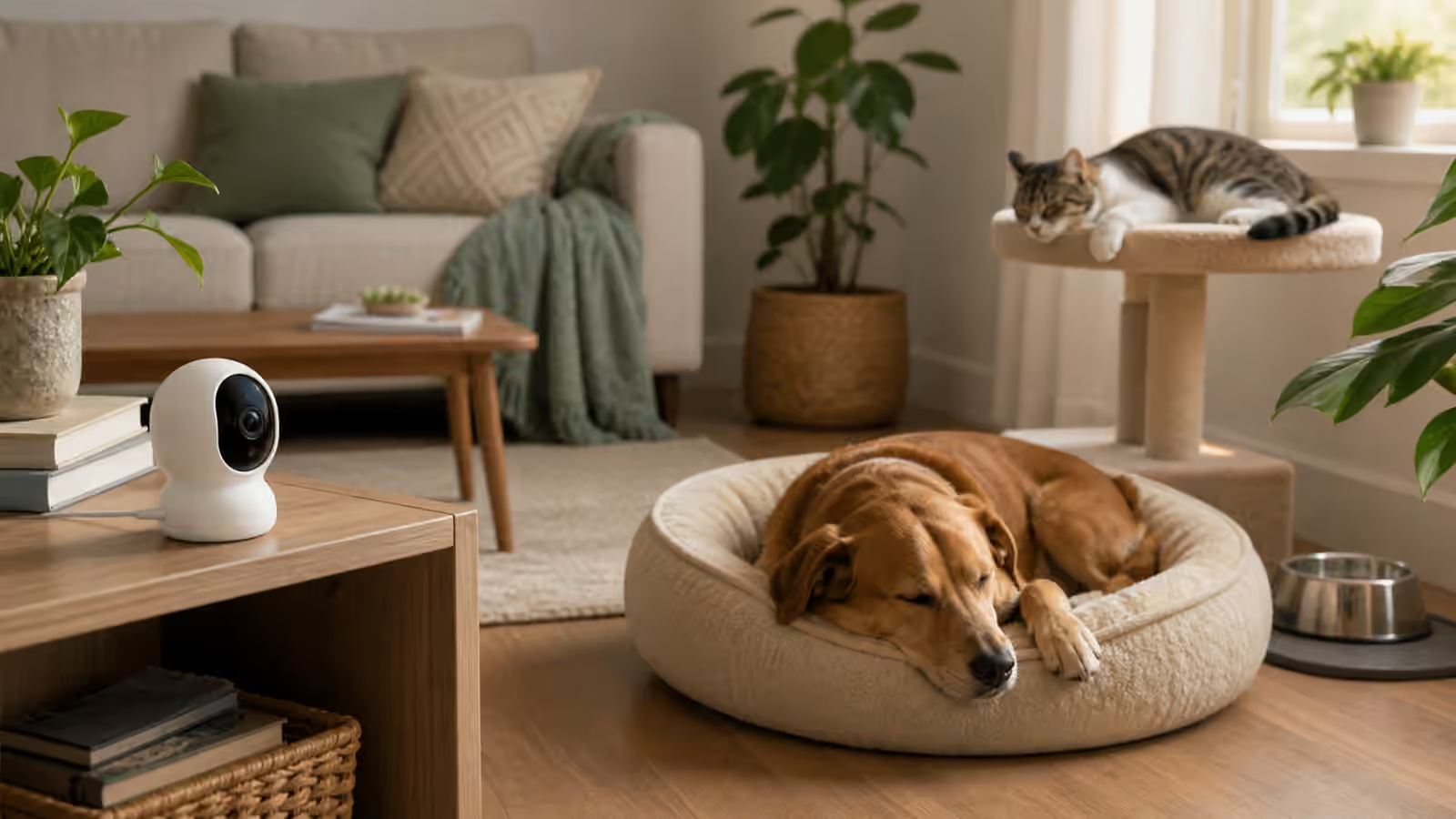
Choose the room and angle around the question. If the dog usually sleeps on a mat, the camera should see the mat, door, water, and main path. If the cat hides, it may be more useful to view the food and litter route than the hiding place itself. Avoid placing cameras where they invade private household areas unnecessarily. The practical point is observation, not turning the home into a control room.
Test the view while you are home. Walk through the routine, leave briefly, return, and check whether the video actually answers the question. A camera aimed at a blank sofa while the pet spends all day by the door will only create false confidence.
Keep audio from becoming a surprise event
Many pet cameras offer two-way audio, treat tossing, alerts, or sounds. Those features can be helpful for some households and confusing for others. A dog may hear a person’s voice, search for them, and become more unsettled when nobody appears. A cat may avoid the room after a sudden mechanical noise. A treat dispenser may create excitement in a pet who was previously asleep, or conflict if more than one animal is present.
Do not test the most stimulating features for the first time while away. Try them calmly while home, with the pet at a distance and with no pressure to interact. If the pet startles, scans, barks, paws at the device, guards the area, or seems more anxious afterward, the feature may not belong in your alone-time routine. Silence can be the kinder setting.
For multi-pet homes, treat delivery should be handled with particular caution. Food landing in a shared space can create competition. Resource Zones for Multi-Pet Homes is the better foundation if pets crowd each other around food, toys, beds, or doorways.
Use recordings to improve setup, not to judge the pet
A short recording can reveal practical problems. The dog may pace because the resting bed is too close to hallway noise. The cat may avoid the water because the bowl sits beside a loud appliance. The pet may bark at a window because the curtain was left open. The animal may settle beautifully after the first five minutes, which tells you the exit routine is the hardest part. Those observations can lead to small changes.
The wrong use of video is moral judgment. A pet who scratches the door after you leave is not being spiteful. A pet who sleeps all day is not necessarily bored in a harmful way. A dog who barks once at a delivery may recover quickly. A cat who does not appear on camera may be resting in a favorite blind spot. Compare video to the pet’s normal body language, appetite, elimination, rest, and mood after you return.
Pet Care Records and Routine Notes can help keep this sane. Write down what happened, how long it lasted, what setup was in place, and what changed afterward. A few clear notes are more useful than hours of worried scrolling.
Place the camera around the room’s calmest version
A good remote setup begins with the same room design you would use without technology. The pet needs a resting place, water, safe temperature, appropriate containment if used, reduced access to hazards, and a predictable exit routine. Pet-Proofing Rooms Before Giving More Freedom is a better starting point than any device review because the camera should watch a room that is already sensible.
Keep cords secure. Place devices where pets cannot chew, knock them down, or investigate them at face height. Avoid shelves that require furniture gymnastics to adjust. If the camera glows, clicks, rotates, or makes startup noises, test whether the pet notices. Small device behaviors can matter to sound-sensitive pets. Noise-Sensitive Pets at Home is relevant if the animal reacts to appliances, buzzers, or electronic sounds.
In apartments, a camera may show that the real trigger is the hallway rather than solitude. Elevators, neighbor doors, delivery carts, and shared laundry rooms can shape the day. That does not mean you can control the building, but you can change curtains, white noise if it helps, rest zones, timing, and how close the pet is to the door.
Let check-ins have limits
Remote check-ins should have a beginning and an end. Decide when you will look and what you will do with the information. A quick check after departure, one midday view, and a review of a short alert may be enough for many households. Constant watching can train the person into alarm while doing nothing for the pet.
If you see a true safety concern, act. Call the sitter, return home if necessary, contact a neighbor who has agreed to help, or seek emergency care. If you see mild restlessness, note the pattern and adjust the next setup. If you see severe distress, do not keep collecting footage as proof while the animal suffers. When to Call a Vet, Trainer, or Groomer can help you decide which professional lane fits.
For households that use sitters, the camera should not replace trust or clear instructions. Tell the sitter if a camera is present where appropriate, and keep the practical handoff strong: feeding, water, medication if any, doors, gates, cleaning supplies, and emergency contacts. Pet Sitter Handoff Without Confusion still matters more than a live view.
A pet camera works best when it makes the home more legible. It should help you notice that the dog settles faster with the curtain closed, the cat drinks more from the bedroom bowl, or the new alone-time step is too long. When the device becomes a source of constant human tension or pet interruption, it has stopped serving the routine. The calmer question is always the same: what did the camera show that helps the next ordinary day go better?