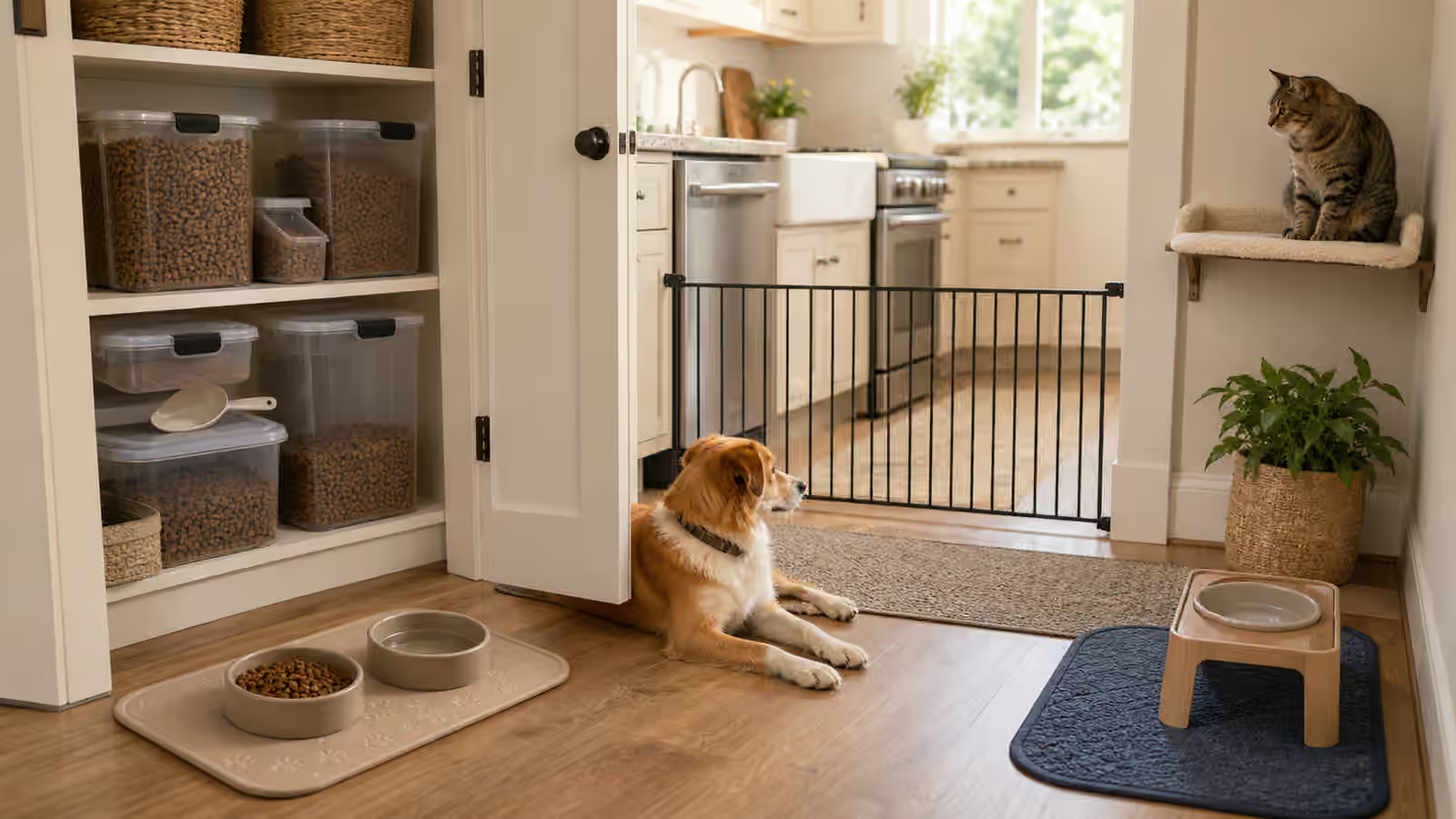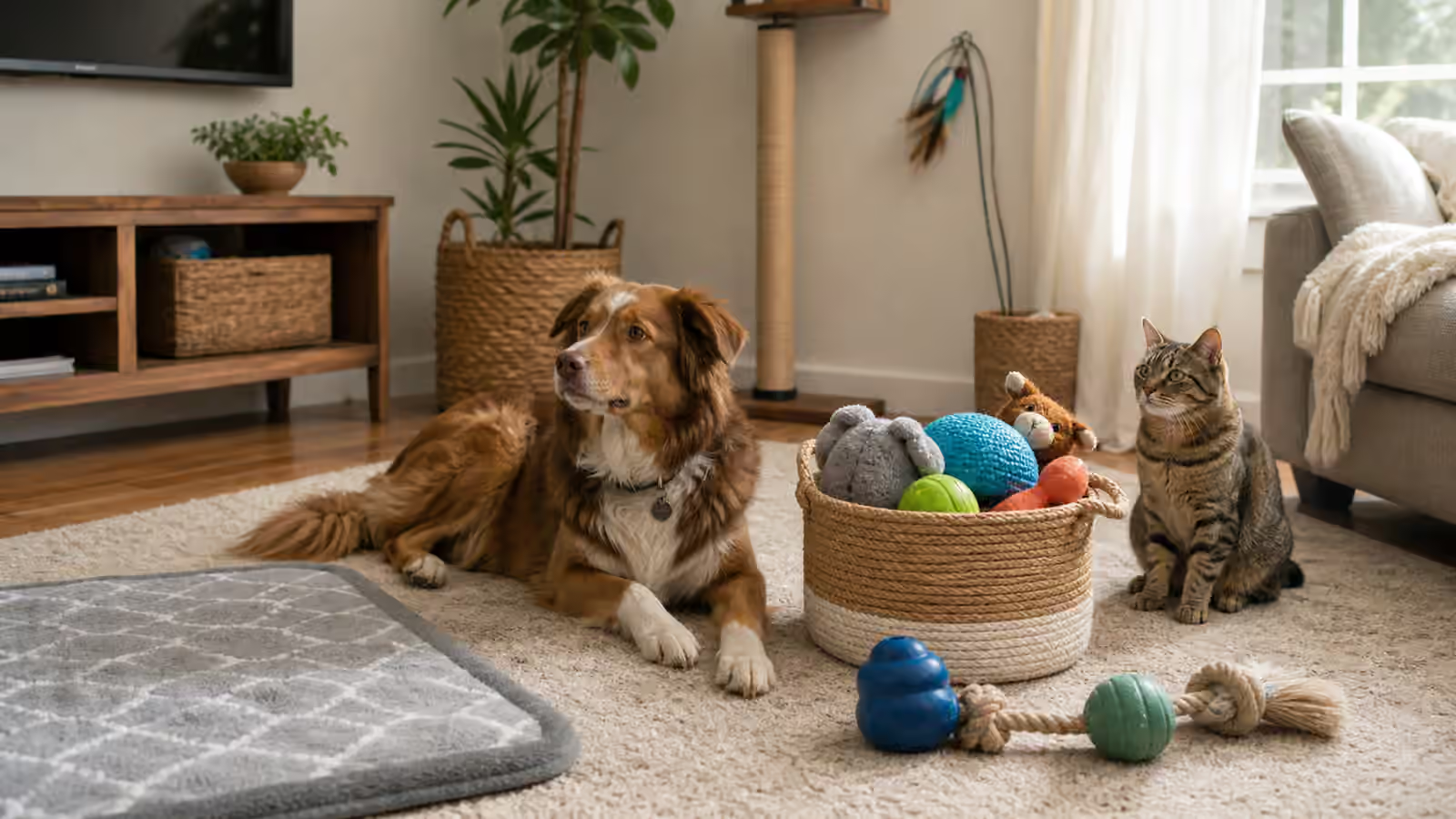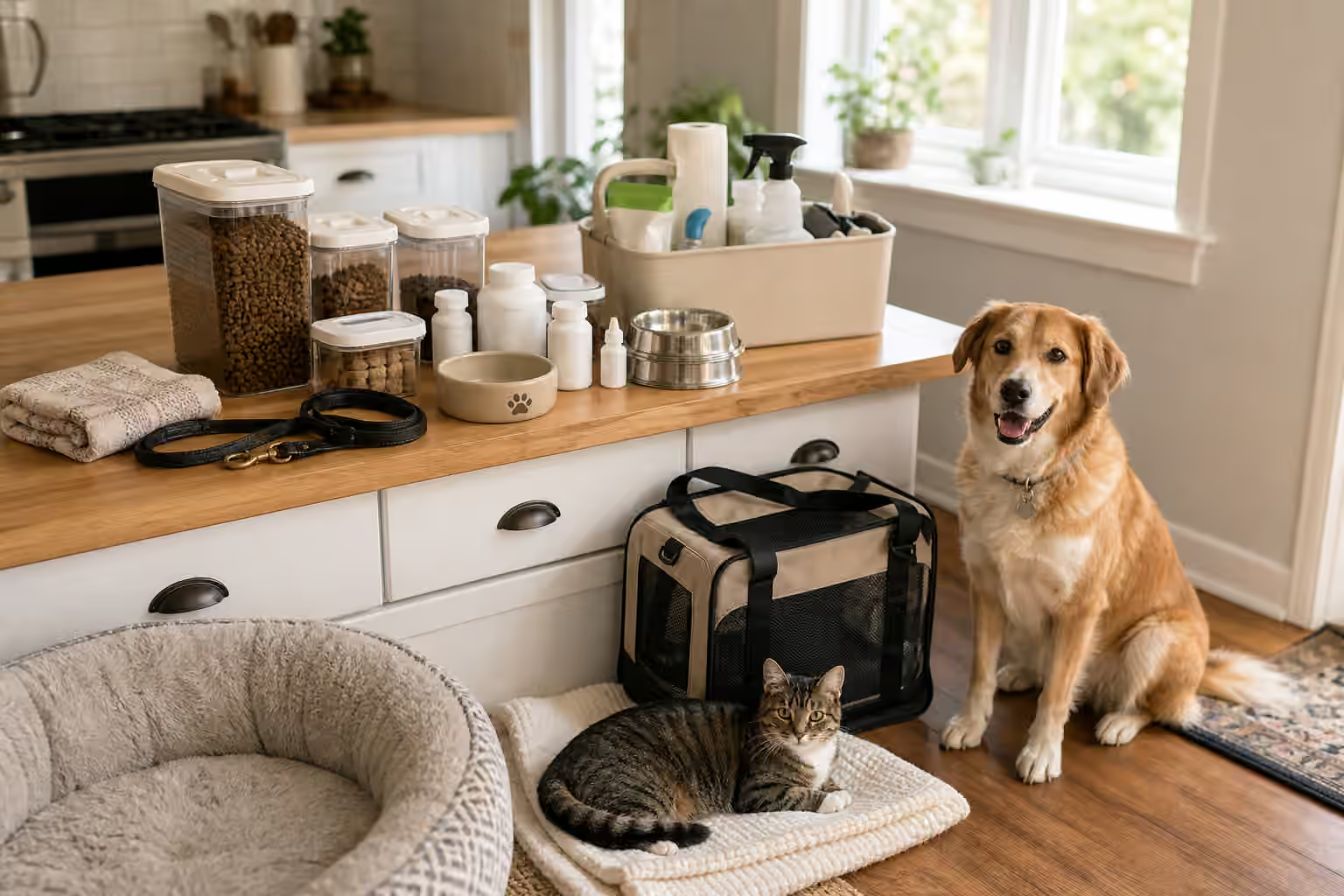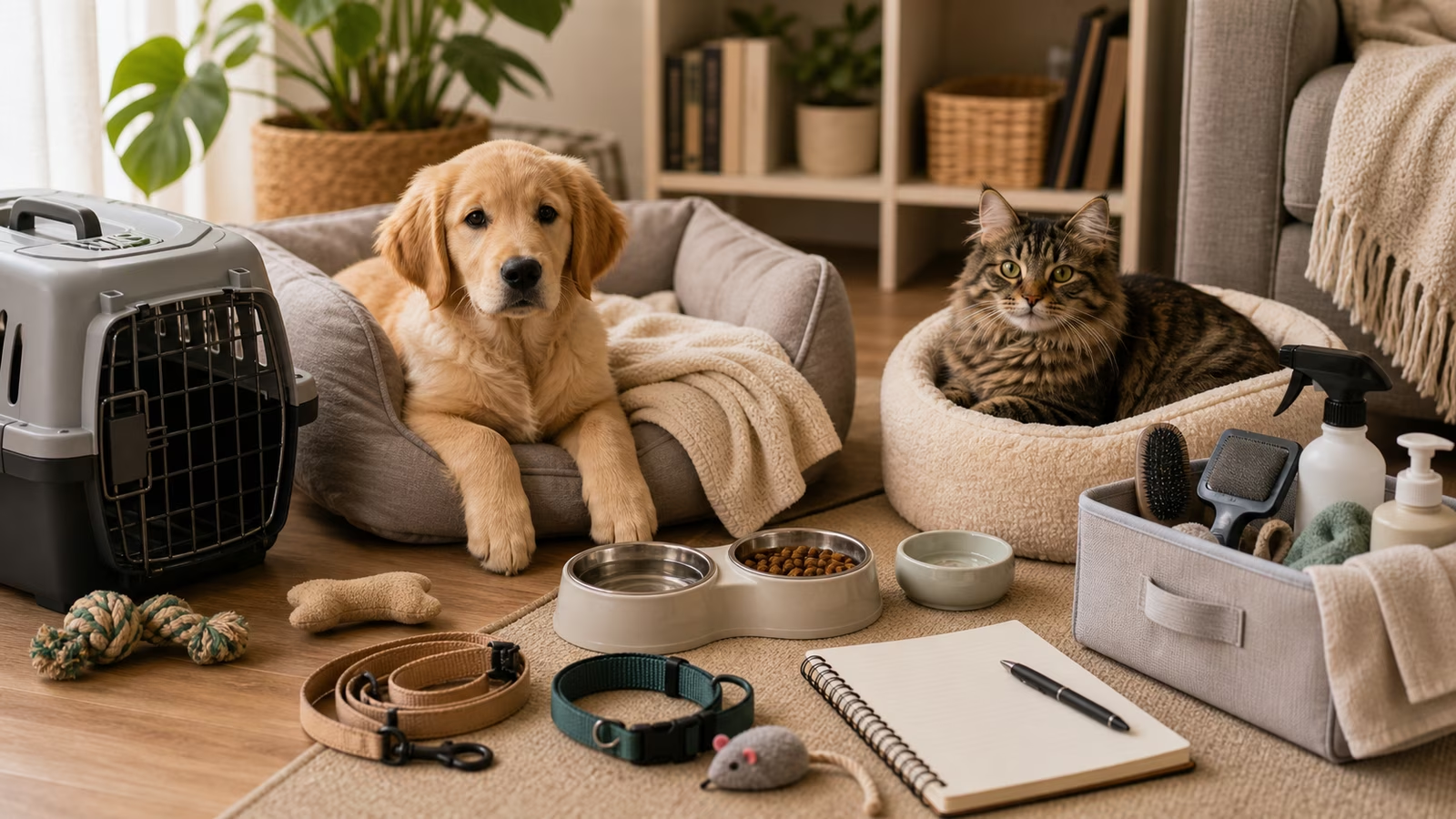
The first Pawstead move is to stop thinking of a new pet as a shopping trip. A calmer pet home starts with places, rhythms, and boundaries. Gear matters, but it works best when every item has a job: sleep, food, bathroom, walking, play, grooming, cleaning, travel, or safety.

Build the home base first
Choose one low-traffic area where your pet can rest, eat, and decompress. For a puppy, that may include a crate, washable bed, water, safe chew items, and a nearby potty plan. For a cat, it may include a litter box, hiding spot, scratcher, food and water stations, and a door that can close while introductions happen slowly.
Do not spread every resource across the whole house on day one. A smaller home base helps a new pet learn the map without being overwhelmed. It also makes accidents, lost toys, and food issues easier to notice.
Make routines visible
Most beginner problems get worse when the household is improvising. Write down the first version of the routine: wakeup, bathroom or litter check, meals, play, short training, quiet rest, evening cleanup, and bedtime. Puppies need more frequent potty breaks and supervision. Cats need predictable access to litter, scratching, hiding, and play.
The routine should be boring in a good way. Pets learn faster when the same cues lead to the same outcomes.
Buy gear by job
Start with a small set of high-use categories: a sleeping spot, bowls, containment, bathroom setup, walking or carrier gear, enrichment toys, grooming basics, and cleaning supplies. A washable pet bed, a properly sized dog crate, a large litter box, or a treat pouch is useful only if it fits the pet and the room.
Avoid buying a whole aisle before you know the pet’s size, chewing style, scratching preference, energy level, and cleaning reality.
Set training expectations
Training is not a single session where the pet becomes finished. It is a pattern of rewarding useful choices, preventing mistakes when possible, and practicing one small behavior at a time. Start with name response, coming when called indoors, settling near you, trading for treats, wearing gear calmly, and leaving tempting household items alone.
Keep sessions short. End while the pet is still succeeding. If fear, growling, biting, guarding, panic, or repeated escape shows up, work with a qualified trainer instead of escalating pressure.
Plan for cleaning from day one
Pet cleaning is easier when supplies are already where the mess happens. Keep enzymatic cleaner, washable towels, a small trash bag roll, a grooming brush, and a laundry plan near the main pet zone. Fur, litter tracking, muddy paws, and accidents are not moral events. They are setup problems you can reduce with washable surfaces and quick routines.
Practical home setup checklist
- Name one home base, one bathroom plan, one feeding station, one rest zone, one cleaning station, and one travel or carrier location.
- Put the highest-use supplies where the job happens: leash by the door, scoop by the box, towels by the entry, treats near training.
- Write the household rules in plain language: which rooms are open, how visitors enter, where food happens, and who calls the vet.
Beginner decision table
| Decision | Good first question | Best next guide |
|---|---|---|
| New puppy | Where will sleep, potty trips, chewing, and supervision happen? | New Puppy First Week Checklist |
| New cat | Where can the cat eat, hide, scratch, and use litter without pressure? | New Cat Setup |
| Mixed household | Can each pet reach food, water, rest, and bathroom resources without being blocked? | Multi-Pet Resource Zones |
| Mess or odor | Is this a cleaning station problem or a possible health change? | Pet Cleaning Setup |
Common beginner mistakes
- Buying a full cart before observing the pet’s size, chewing style, litter preferences, fear level, or cleaning reality.
- Giving the whole home immediately, then trying to fix accidents, hiding, chewing, or door chaos after habits form.
- Treating every behavior issue as training when pain, illness, fear, or unsafe conflict could be involved.
Buy only after you know the pet
Wait on specialty beds, tall cat furniture, expensive puzzle toys, fashion harnesses, automatic feeders, fountains, and large toy bundles until you know what the pet actually uses. Start with washable, adjustable, easy-clean basics. Upgrade after the pet shows you the job that needs solving.
When it is no longer a home setup issue
Call a veterinarian, emergency clinic, or qualified professional for pain, injury, poisoning risk, trouble breathing, collapse, seizures, inability to urinate, sudden appetite change, repeated vomiting or diarrhea, aggression, severe fear, self-injury, or behavior that makes people or animals unsafe. Use When to Call a Vet, Trainer, or Groomer as the decision lane, not as a substitute for care.
The first week should stay small
A beginner pet home works better when the first week is intentionally modest. Do not measure success by how quickly the pet explores every room, meets every visitor, or uses every toy. Measure it by whether the pet can rest, eat, drink, use the bathroom plan, and recover after excitement. A slower first week gives you better information: which surfaces are slippery, which sounds startle the pet, which doorways need gates, which cleaning supplies need to be closer, and which routines the household can actually repeat. Calm setup is not less loving than enthusiasm. It is how enthusiasm becomes livable.
What to do next
Pick the guide that matches your next decision. Puppies should read New Puppy First Week Checklist and Crate Training Without Confusion . Cat households should read New Cat Setup and Litter Box Setup That Actually Works . Everyone should add Pet Enrichment for Bored Dogs and Cats before boredom turns into furniture, noise, or nighttime chaos.