A noisy home can feel ordinary to people and enormous to pets. Vacuum cleaners, door buzzers, garbage trucks, dropped pans, hallway voices, thunder, fireworks, children running, and appliances all arrive without explanation. Some animals shrug them off. Others watch the ceiling, hide under furniture, bark at windows, refuse food, or stay tense long after the sound ends.
Noise sensitivity is not solved by telling a pet that nothing happened. The pet’s body has already decided something happened. A better home plan changes distance, timing, resting places, and recovery so the animal has more predictable ways to cope. For severe fear, the right plan may also include a veterinarian or qualified behavior professional.
Notice the first signs, not only the loud ones
People often respond after the bark, bolt, scratch, or howl. The earlier signs are easier to work with. A dog may close their mouth, scan the room, lower their body, pant, pace, lick lips, or move toward a person. A cat may freeze, crouch, tail flick, retreat to a shelf, or disappear into a tight space. Some pets get clingy. Others want distance.
The meaning depends on context, so do not turn body language into a rigid dictionary. Compare the pet to their own relaxed baseline. Reading Pet Body Language at Home is helpful because noise plans depend on seeing discomfort while it is still small. If the first sign is noticed early, the household can lower volume, increase distance, close curtains, move to a safe room, or offer an easier activity before the pet is already overwhelmed.
Recovery matters as much as reaction. A pet who startles at a dropped spoon and settles in ten seconds is in a different situation from a pet who hides for three hours after the same sound. Track how long the animal takes to return to normal rest, food, play, or exploration.
Create sound shelters, not hiding traps
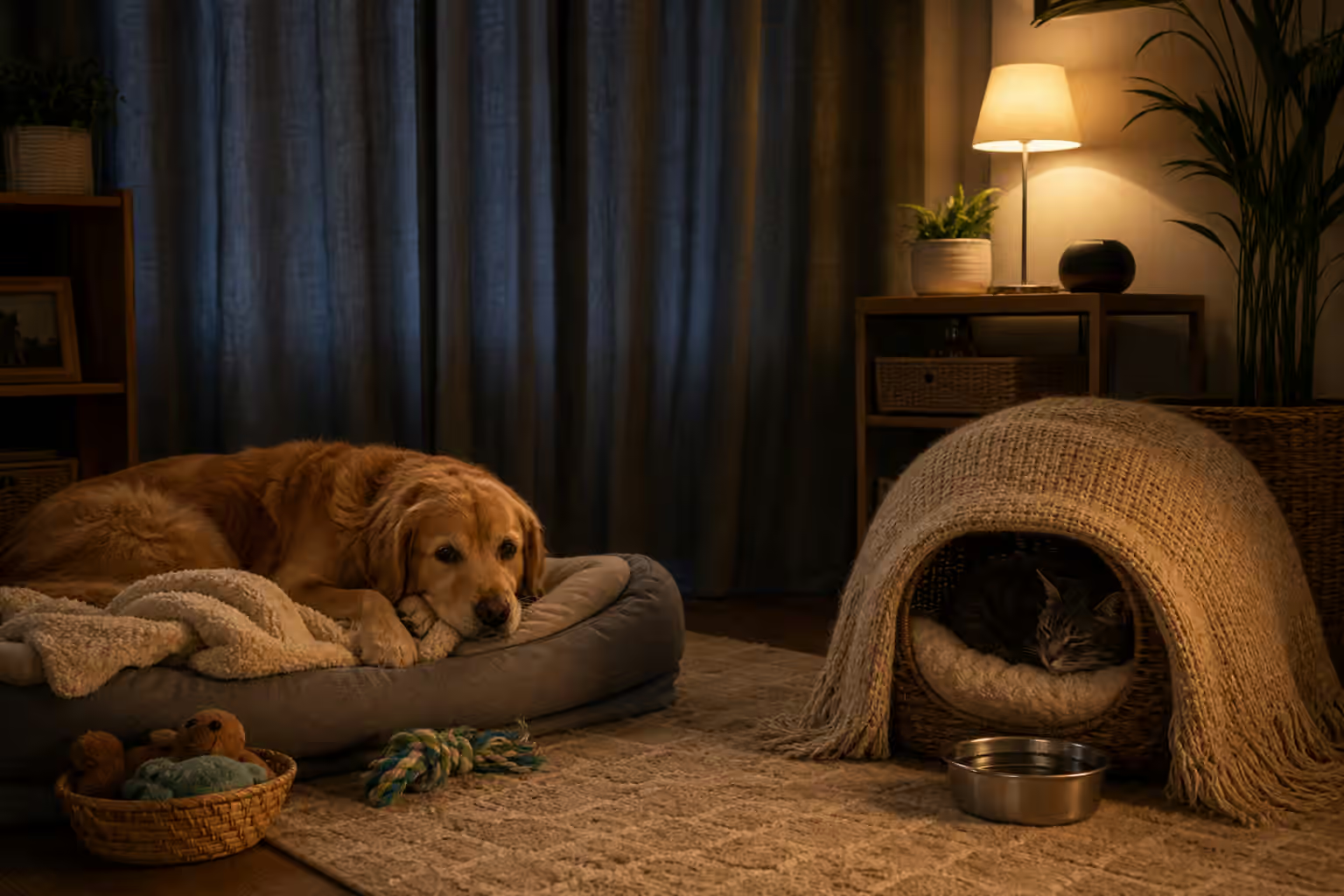
A safe place should be easy to enter, easy to leave, and protected from household traffic. For a dog, that may be a crate they already like, a bed behind a gate, a mat beside a sofa, or a quiet room with water and familiar bedding. For a cat, it may be a covered bed, closet shelf, cardboard hideaway, cat tree cubby, or bedroom with litter access. The spot should not require the pet to pass the sound source.
Do not drag a pet out of a safe place to prove that the sound is harmless. That can make the shelter feel unsafe too. Instead, make the shelter part of normal life before loud moments happen. Feed a treat there. Place familiar bedding there. Let the pet choose it during calm hours. If the only time the room is used is during storms or fireworks, the room itself may become a warning.
For apartment households, the setup in Apartment Pet Setup for Dogs and Cats can help because shared walls, elevators, and hallway sounds are part of the environment. You may not control the building, but you can control where the pet rests and how much direct exposure they get.
Use distance before volume becomes a problem
Distance is one of the simplest tools. A vacuum across the room is different from a vacuum beside the bed. A doorbell heard from a back room is different from a doorbell paired with strangers entering. A garbage truck seen through a front window is different from one heard behind closed curtains from a familiar mat.
When you know a sound is coming, set the pet up before it starts. Move the dog to a resting area with a chew or food toy if that is calming for that dog. Give the cat access to a quiet room before guests arrive. Close curtains before the neighborhood gets loud. Start a fan, soft music, or white noise only if it genuinely helps and does not add another stressful layer. The tool is not the point. The pet’s recovery is the point.
For predictable household sounds, practice at low intensity. Let the vacuum sit in the room while it is off. Reward calm investigation or calm distance. Later, move it briefly while off. Later still, run it in another room for a short time while the pet has distance and something easy to do. If the pet cannot eat, settle, or recover, the step is too hard.
Avoid accidental sound rehearsals
Some routines teach pets to rehearse alarm every day. The dog barks at the window, the person rushes over, the delivery leaves, and the dog learns that barking was part of the event. The cat hides when the blender appears, the person carries the cat into the kitchen to show it is safe, and the cat learns that the blender predicts loss of control. The pet is not being dramatic. The sequence keeps proving that the sound deserves attention.
Change the setup before the sound. If delivery trucks cause window barking, use visual barriers, a different resting place, or a routine away from the front window during busy times. If the blender worries the cat, close the kitchen door or give the cat a quiet room before starting. If hallway voices trigger the dog, do not wait beside the door for the reaction. Put distance in place earlier.
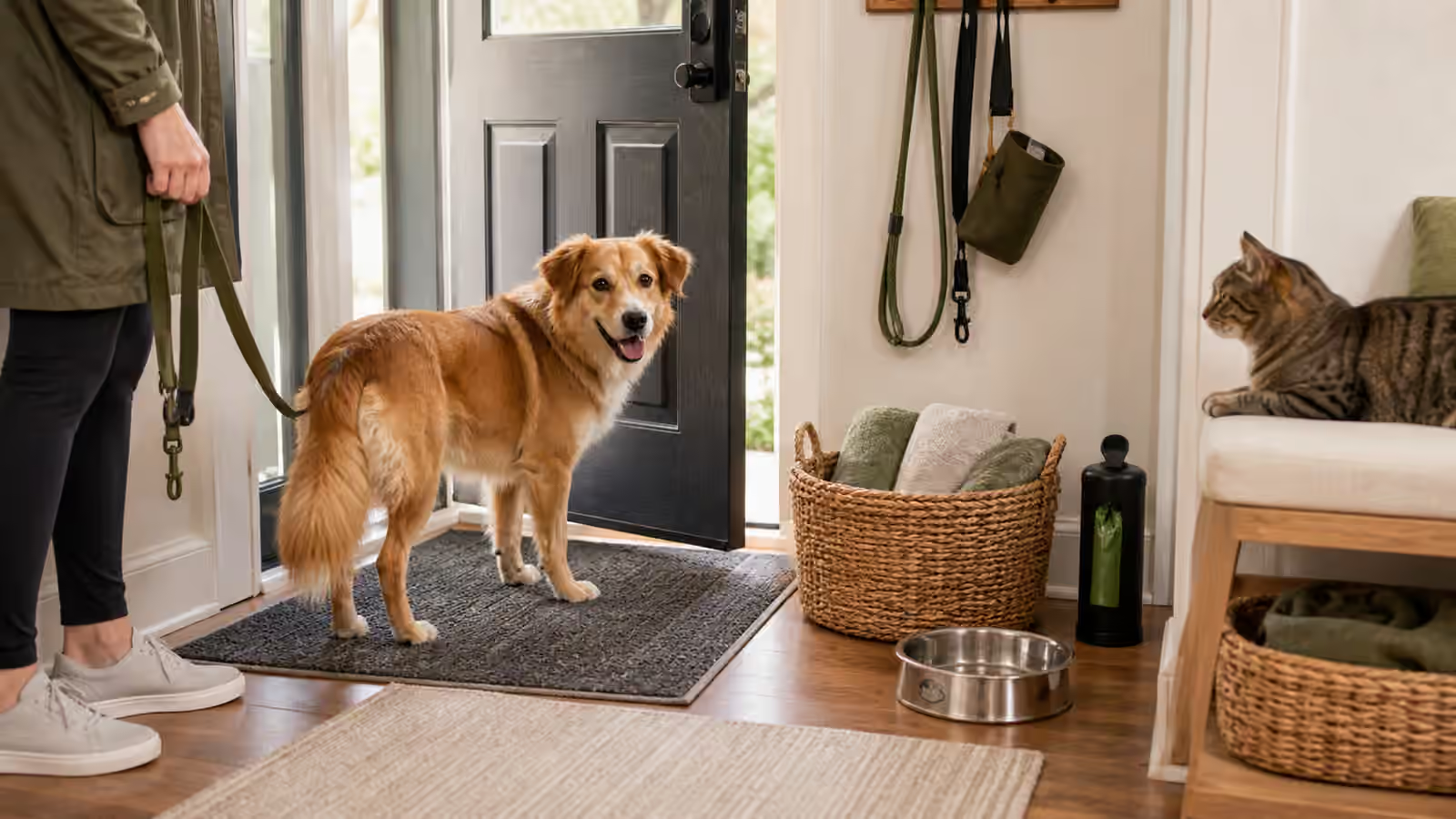
Visitors and Doorway Routines for Pets is useful because many sound problems are also entry problems. Doorbells, knocks, voices, and opening doors pile on top of one another. Separating the sound from the greeting can make the whole event easier.
Choose enrichment that lowers arousal
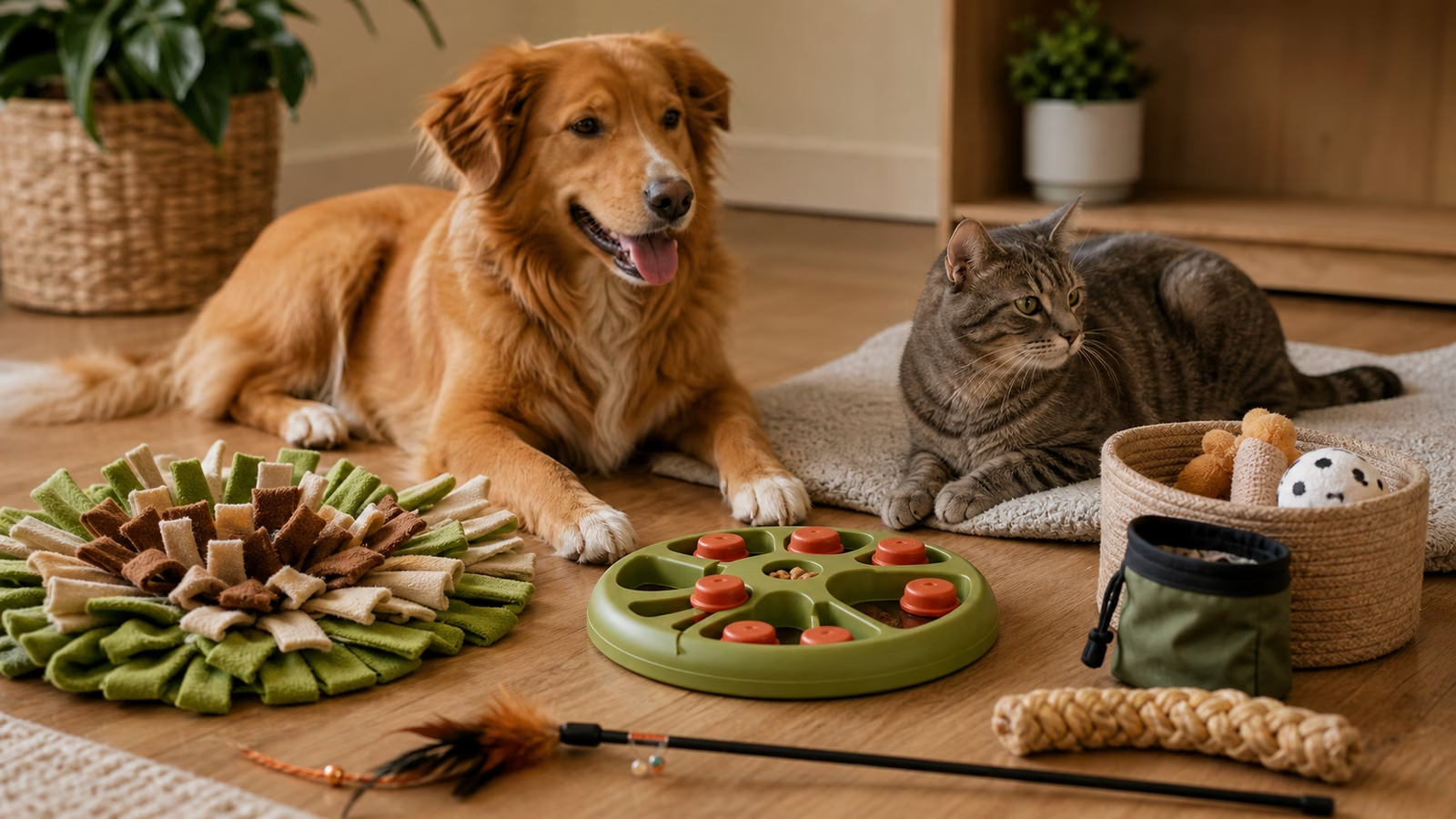
Enrichment can help a noise-sensitive pet, but only if it fits the moment. A frantic puzzle toy may increase arousal. A hard chew may help one dog settle and frustrate another. A wand toy may redirect a cat before a mild sound but be useless during a severe fear response. The right activity gives the animal something possible to do.
Sniffing, licking, gentle chewing, foraging, or calm mat work often fit better than high-speed play. Start before the pet is fully worried. If the animal ignores the food or activity, do not push it closer. Food refusal can mean the pet is over threshold. The broader ideas in Pet Enrichment for Bored Dogs and Cats still apply: enrichment should create usable engagement, not pressure.
For cats, play can help when the sound is distant and the cat still wants to interact. For dogs, a known settle routine may help when paired with distance. Neither should be used to force the pet to stay near a sound that feels too intense.
Plan for known loud days
Some loud days are predictable: maintenance work, parties nearby, storms in some seasons, fireworks around local holidays, or a scheduled appliance repair. Prepare the room before the noise starts. Check that the pet has water, comfortable bedding, bathroom or litter access, and a way to avoid windows if visual flashes or movement add stress. Walk dogs earlier if that is safe and appropriate. Bring outdoor cats or supervised balcony routines inside before the noisy period begins.
If your pet has a history of severe panic, talk with a veterinarian before the event rather than during it. Medication questions belong with a veterinarian. Training and setup can support the plan, but they should not be used as a reason to delay help when the animal is suffering.
Keep notes without turning the home into a lab
You do not need a complicated chart. Plain notes are enough. Which sound caused the reaction? Where was the pet? What helped? How long did recovery take? Did the pet eat, sleep, play, or use the litter box normally afterward? Over time, patterns appear. Maybe the dog can handle outdoor trucks from the back room but not the front window. Maybe the cat recovers quickly from the vacuum if the bedroom door is open. Maybe sudden metallic sounds are harder than steady appliance hum.
Those details make your next setup better. They also help a veterinarian or trainer if professional help is needed. A noise-sensitive pet benefits from a household that believes what it sees, adjusts early, and measures progress by recovery rather than by silence. Silence can mean calm, but it can also mean shutdown. A pet who can rest, move, eat, and choose distance is giving you better information.