A puppy’s first week is not about perfect obedience. It is about sleep, supervision, bathroom rhythm, safe chewing, gentle handling, and helping the puppy understand the household without drowning them in freedom.
Before pickup
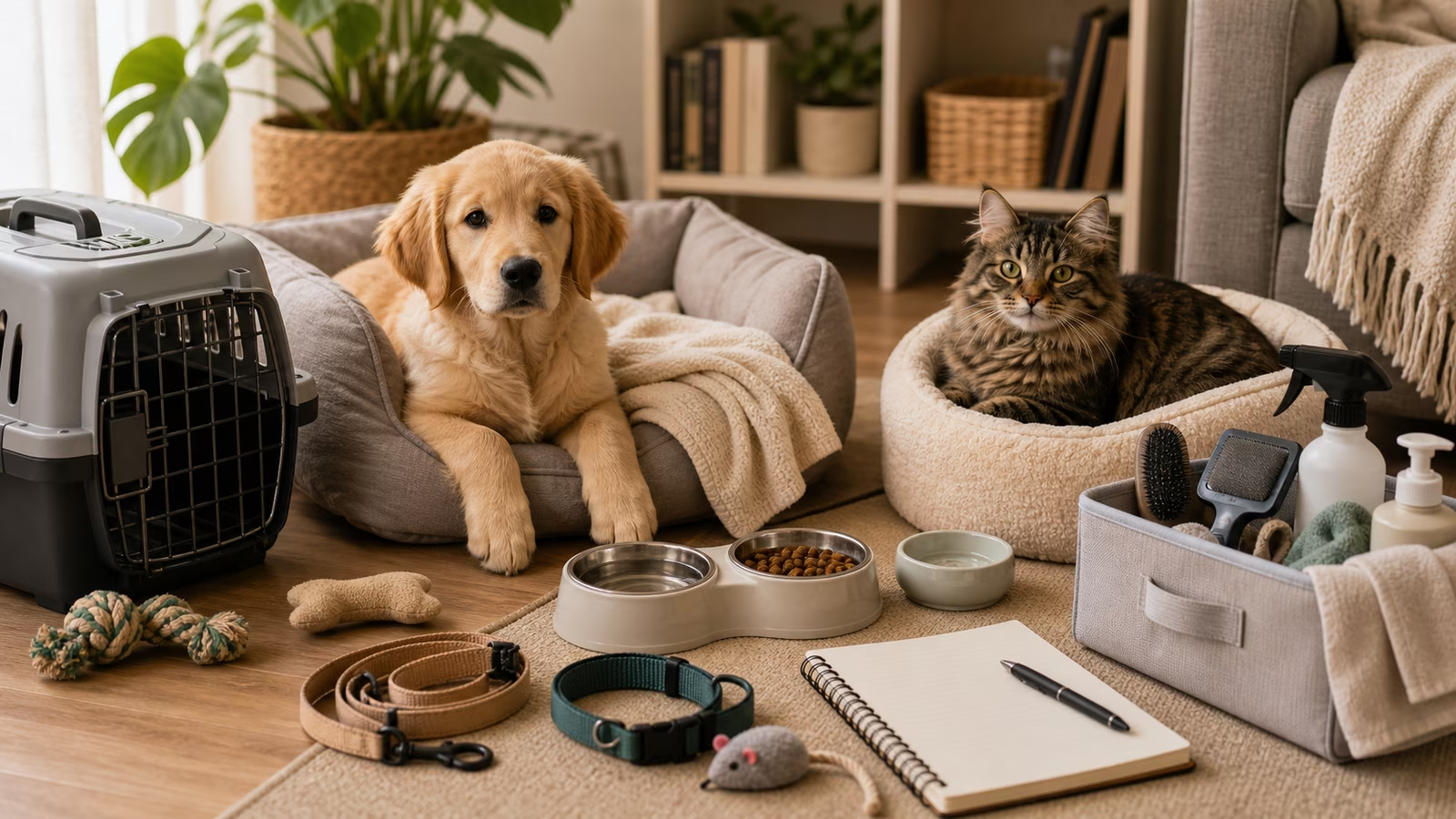
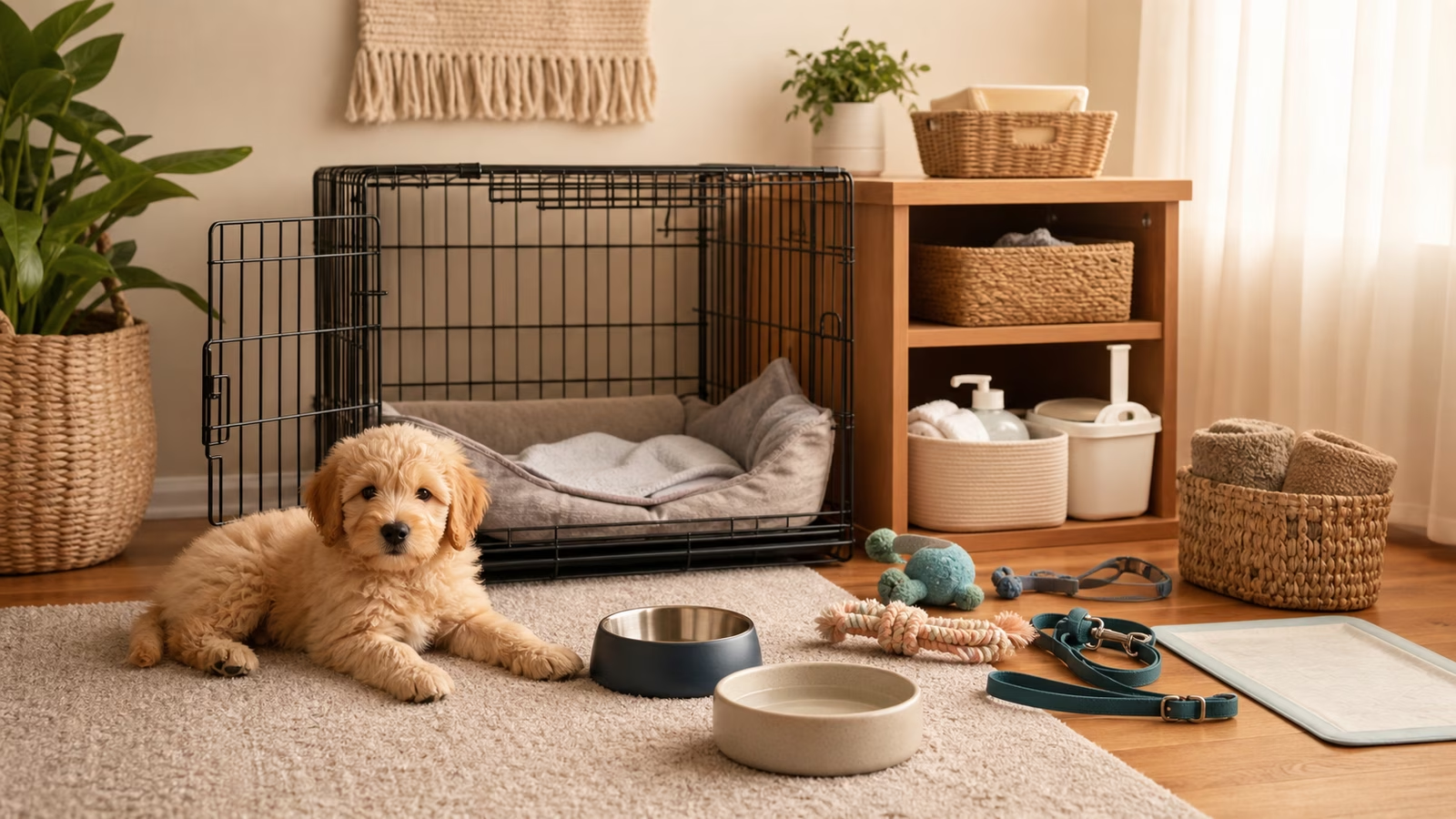
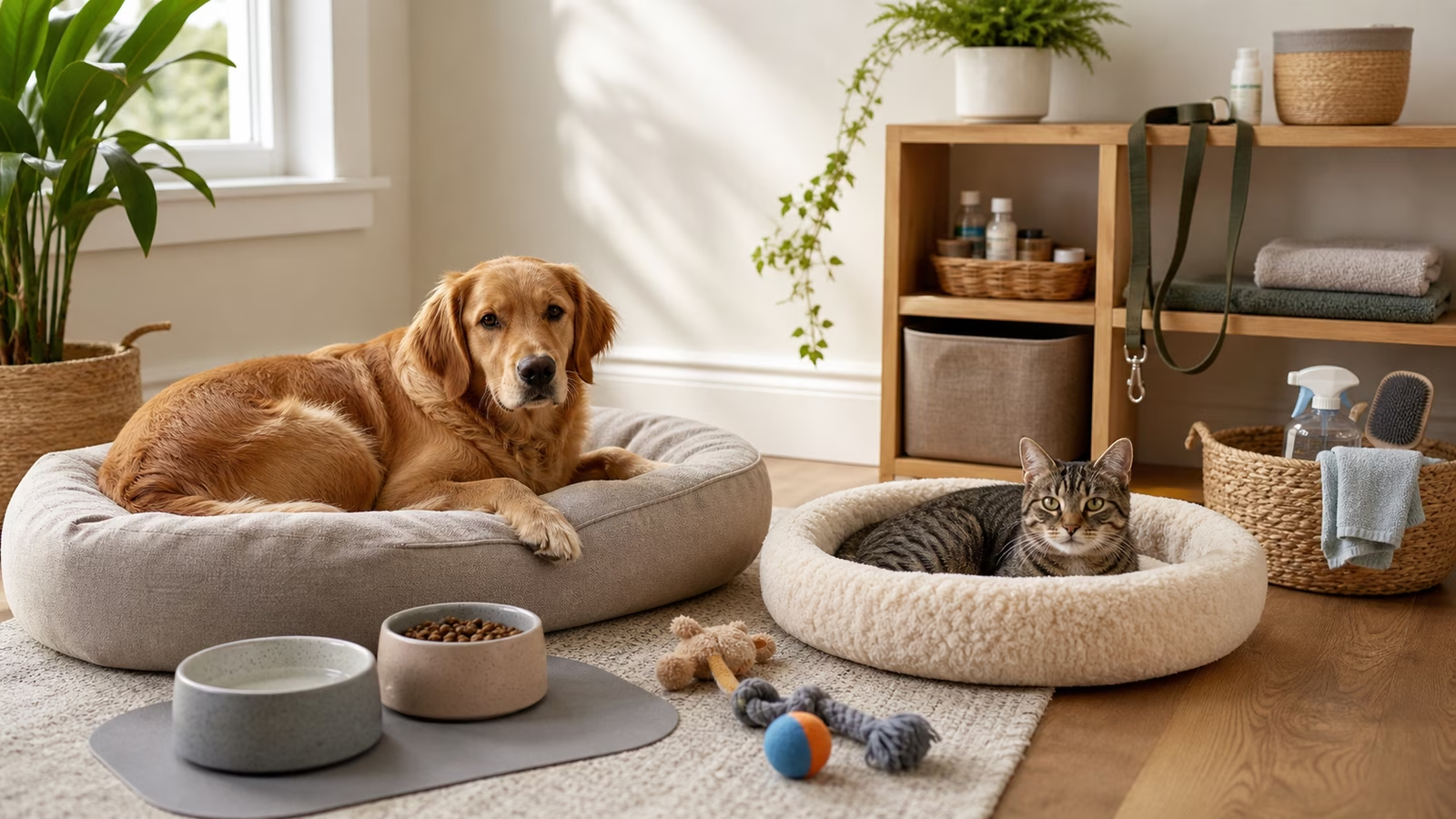
Set up the home base before the puppy arrives. Put the crate or sleep area in a quiet spot near normal family life, not in the middle of traffic. Add a washable bed or mat, bowls, safe chew items, a leash, collar or harness, cleanup supplies, and a plan for where potty breaks happen.
Decide which rooms are open, which are blocked by pet gates, and who handles the first nighttime break. A written plan prevents the puppy from learning five different rules on the first day.
Sleep and crate setup
The crate should be large enough for the puppy to stand, turn, and lie down, but not so large that one end becomes a bathroom. Place it where you can hear the puppy at night. Some puppies settle better with the crate near the bed at first, then moved gradually.
Do not make the crate a punishment. Feed treats in it, let the puppy walk in and out, and keep early sessions easy. Read Crate Training Without Confusion before expecting long crate time.
Potty rhythm
Take the puppy out after waking, after eating, after active play, before crate time, and anytime they start sniffing, circling, or wandering away. Reward outdoors immediately after they finish. Inside accidents should trigger better supervision and cleaning, not scolding.
Use an enzymatic cleaner on accidents so the spot does not keep advertising itself. If accidents are frequent despite close supervision, shorten the interval and check with your vet if anything seems abnormal.
Meals, water, and chewing
Keep meals predictable. Use the food your breeder, shelter, or vet recommended at first unless a professional tells you to change. Put water where the puppy can access it when supervised, then plan nighttime breaks realistically.
Puppies explore with their mouths. Keep shoes, cords, laundry, trash, plants, and small objects out of reach. Trade forbidden items for safe chews or food, then improve the environment.
The first training expectations
Start with name response, coming to you indoors, handling collar or harness calmly, trading objects, and relaxing in a small area. Use treats and praise. A treat pouch makes it easier to reward the exact moment the puppy chooses well.
Avoid long lectures, leash jerks, yelling, or punishment-based tools. They can make a puppy more confused or fearful, especially during the first week.
First-week checklist
- Crate or rest zone is set up before pickup, with safe bedding only if the puppy will not chew it.
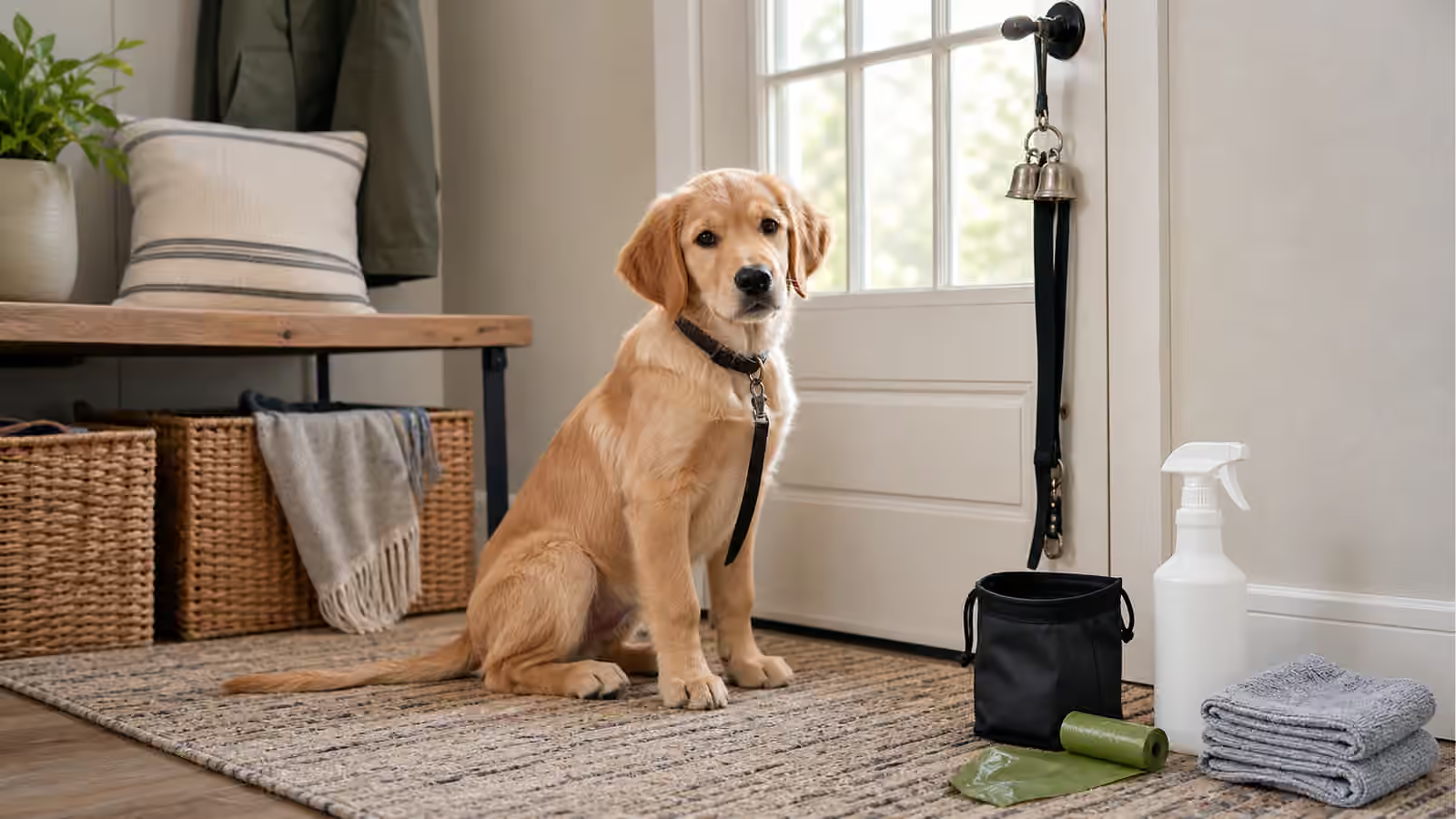
- Potty route is chosen, with shoes, leash, bags, and cleaning supplies ready.
- Food stays consistent at first unless your veterinarian gives different instructions.
- Chewing plan is visible: safe chews available, shoes and cords removed, trades practiced.
- Sleep plan is realistic: the puppy can be heard at night, and bathroom breaks stay boring.
First-week decision table
| Situation | Home setup response | When to escalate |
|---|---|---|
| Frequent accidents | Shorten potty intervals and improve supervision. | Call the vet if urination, stool, appetite, or energy seems abnormal. |
| Night crying | Check bathroom need, keep the break quiet, then return to rest. | Get help if panic, self-injury, or severe distress appears. |
| Hard biting | Redirect to legal chews, reward softer choices, and add naps. | Call a qualified trainer for repeated biting that escalates or feels unsafe. |
| Gear resistance | Pair collar, harness, and leash with treats in tiny sessions. | Stop if the puppy panics or cannot recover. |
Common beginner mistakes
- Letting the puppy roam unsupervised, then blaming the puppy for accidents.
- Using the crate only when everyone is frustrated.
- Turning nighttime bathroom trips into play sessions.
- Buying several beds, harnesses, and toy styles before you know the puppy’s size and chewing style.
Buy only after you know the puppy
Wait on premium beds, complex puzzle toys, fashion harnesses, automatic feeders, and large chew bundles. Buy adjustable basics first: a crate that can be sized correctly, washable mat, cleaning supplies, a standard leash, and a few safe chews. Upgrade once you know the puppy’s growth, bite pressure, coat, and routine.
When this is no longer a home setup issue
Call your vet for vomiting, diarrhea, refusal to eat, injury, poisoning risk, sudden weakness, coughing, pain, or anything that seems medically abnormal. Work with a qualified trainer for intense fear, repeated hard biting, guarding, unsafe walks, or panic around confinement. Keep Pet Emergency Readiness at Home and When to Call a Vet, Trainer, or Groomer nearby.
What to do next
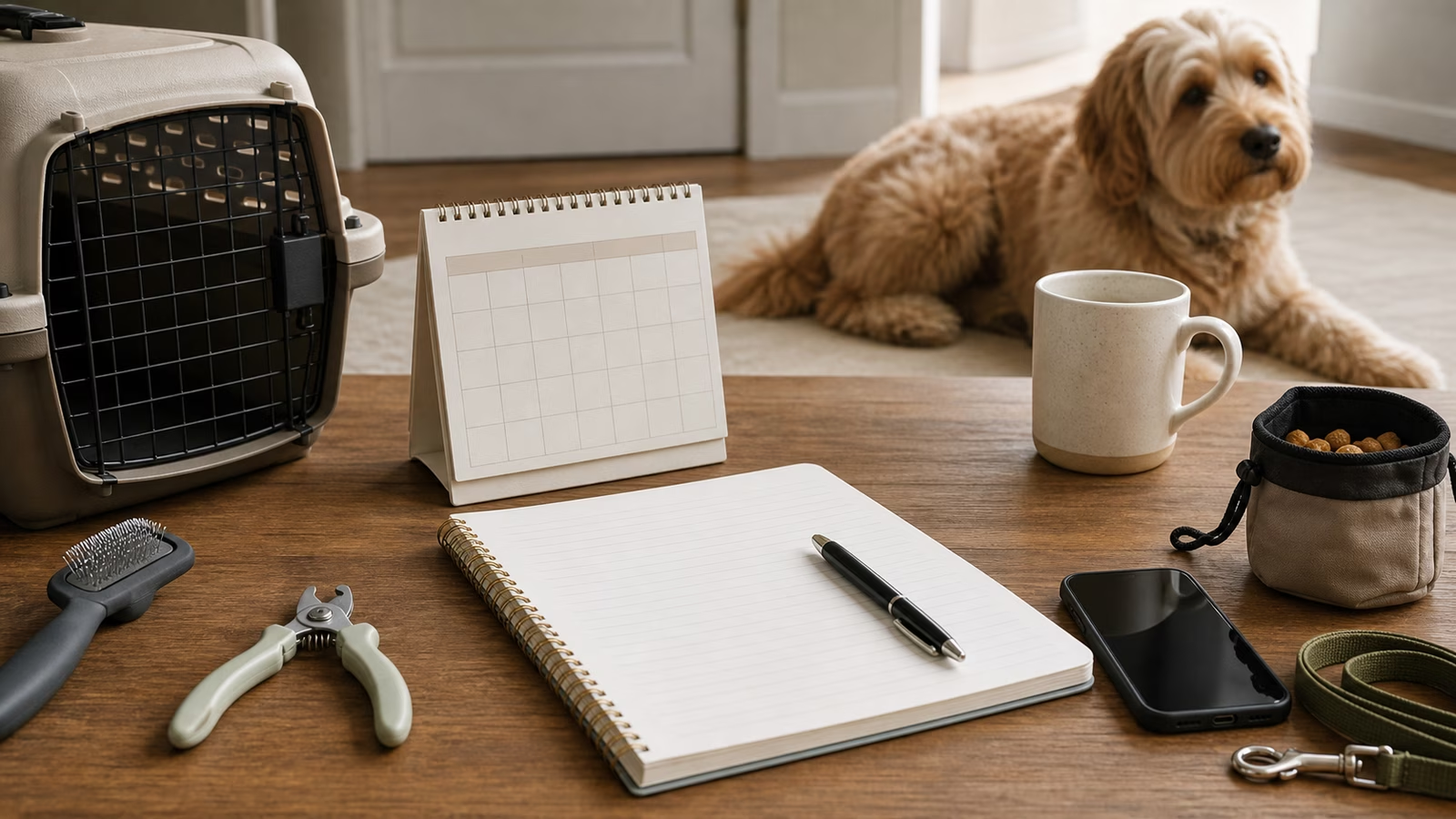
Write down your actual first-week schedule after day two. Keep what works, tighten what causes accidents, and add one tiny training goal at a time. Next, read Harnesses, Collars, and Leashes Explained and Pet Cleaning Setup for a Fresher Home .
Make the home easier to live in
Pet care guides work best when they honor the real household. For New Puppy First Week Checklist, the question is not only what would be ideal in a quiet diagram. It is what a person can repeat while doors open, meals happen, guests arrive, weather changes, and the animal has its own preferences.
Start by watching the pattern before changing the setup. Where does the pet hesitate, rush, hide, scratch, chew, bark, spill, or settle? Which part of the day makes the issue worse? A good observation names the place, trigger, and response instead of turning the animal into a problem to fix.
Then make one environmental change. Move the bowl, add a mat, create a calmer resting spot, adjust the walk routine, protect a threshold, or simplify the storage. Small changes are easier to maintain and easier for the pet to understand.
Keep safety and welfare boundaries visible. If the issue involves injury, ingestion, aggression, severe anxiety, poisoning, heat stress, or sudden behavior change, bring in the appropriate professional. Home setup can support care, but it should not pretend to replace medical or behavioral expertise.
New Puppy First Week Checklist should leave the household feeling more legible. The best pet spaces are not showrooms. They are routines the animal can trust and humans can keep.