A new cat does not need the whole home on the first day. Most cats settle faster when they begin in a calm home base with the resources they need and a door that protects them from too much too soon.
Start with one room
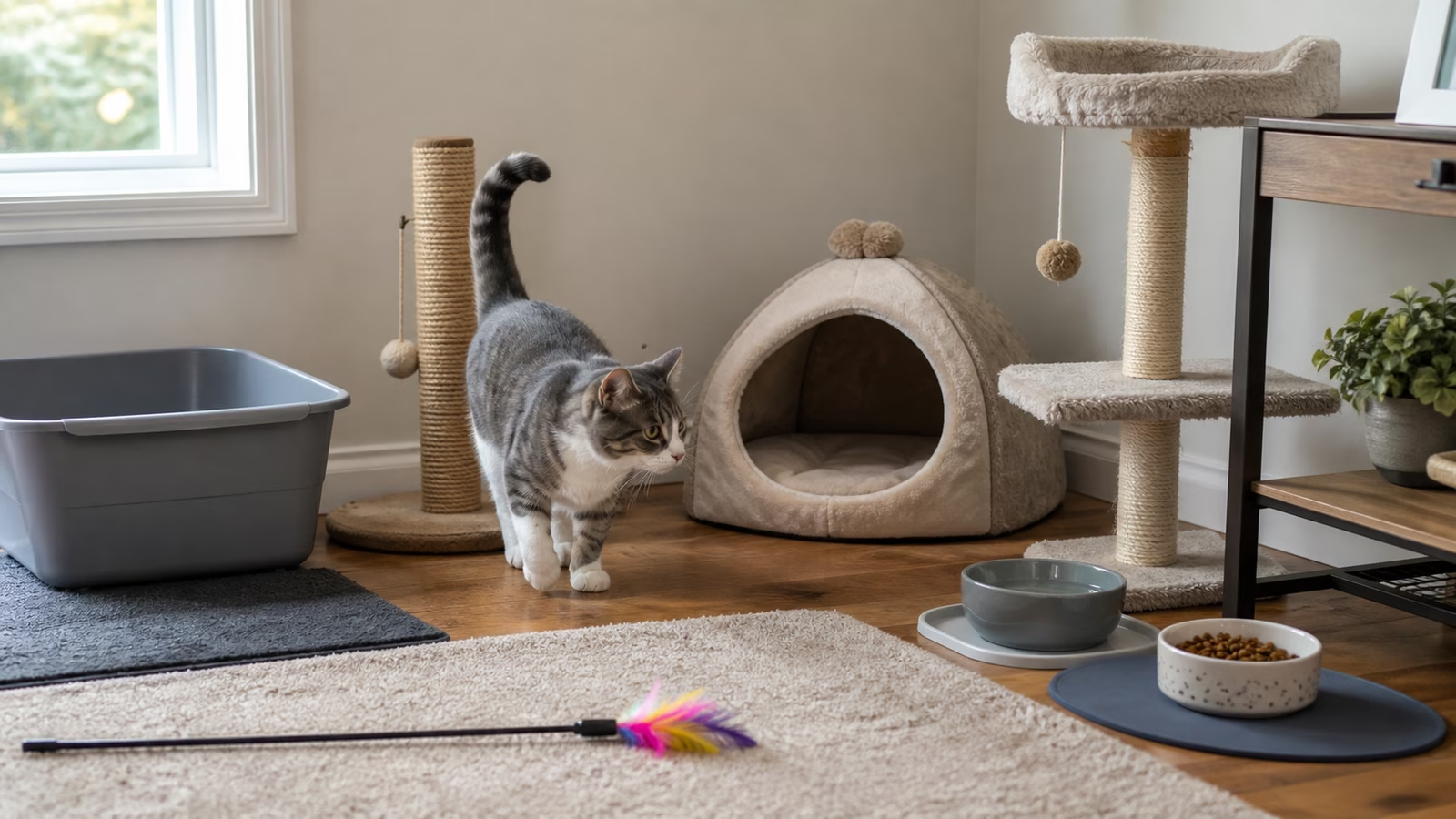
Choose a quiet room that can hold a litter box, scratcher, hiding place, food, water, and a few toys without feeling crowded. A bedroom, office, or spare room usually works better than a hallway. Let the cat learn sounds, smells, and routines from a place where they can retreat.
Do not pull a hiding cat out to prove they are friendly. Hiding is information. Give them safe cover and predictable visits.

Litter belongs in the home base
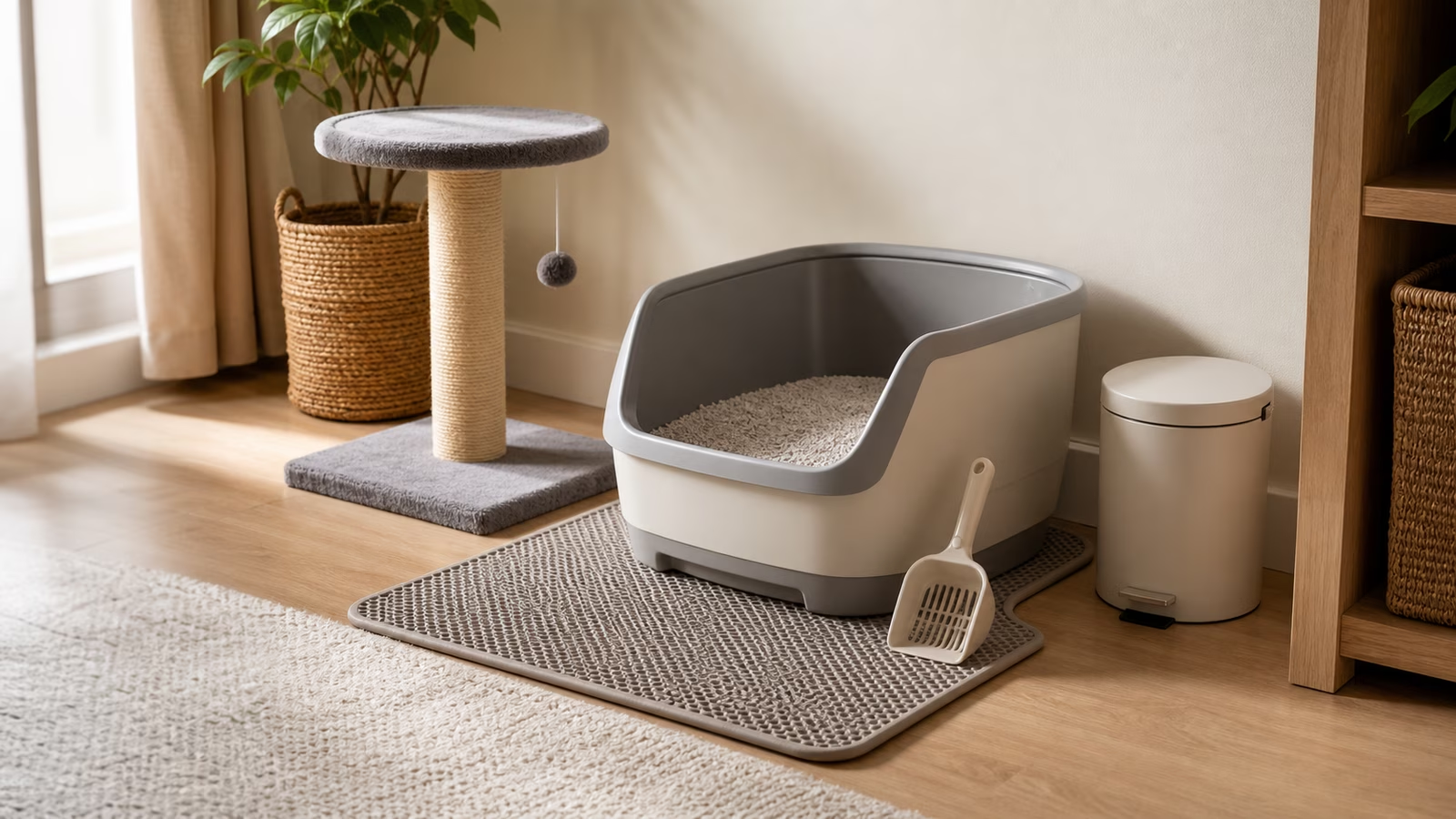
Use a large, easy-entry litter box and keep it away from food and water. Many cats prefer unscented litter and an uncovered box at first. If you change litter type later, do it gradually.
For a deeper setup, read Litter Box Setup That Actually Works . The short version is simple: enough boxes, good placement, comfortable size, and a cleaning rhythm the household can maintain.
Scratching is a need, not a flaw
Give the cat a sturdy scratcher from the beginning. Some cats like vertical posts. Others like horizontal cardboard scratchers. Put scratchers near the home base and later near places the cat already wants to stretch, such as sleeping spots and social rooms.
Reward use with treats, play, and calm attention. Do not punish scratching after the fact. Redirect the setup.
Food, water, and vertical space
Separate food and water if possible. Many cats drink better when water is not jammed beside the food bowl. Use stable bowls and easy-to-clean mats.
Vertical space gives a cat choices. A window perch, cat tree, or shelf can help a cat observe without being in the middle of the floor. Make sure anything tall is stable.
Play before pressure
Play is part of cat setup. Short wand-toy sessions let the cat stalk, chase, catch, and reset. End with a small treat or meal if that suits the routine. Avoid using hands as toys, especially with kittens.
Gradual introductions
Introductions to children, dogs, other cats, and busy rooms should happen slowly. Trade scent first, use barriers when needed, and keep early meetings short. If there is stalking, chasing, hissing that escalates, swatting, biting, or a pet freezing in fear, slow down and consider qualified help.
Cat home-base checklist
- Litter box is large, easy to enter, away from food and water, and easy to scoop.
- Hiding spot is available without trapping the cat where people must reach in.
- Scratcher is sturdy and placed where the cat naturally stretches or pauses.
- Food and water are separated when the room allows it.
- Carrier stays visible enough to become normal furniture, not only a vet-day object.
Cat setup decision table
| Cat behavior | Setup interpretation | Next step |
|---|---|---|
| Hiding but eating and using litter | Often normal decompression. | Keep visits predictable and expand slowly. |
| Avoiding food or litter | Not a decorating problem. | Call the vet, especially if urination is abnormal. |
| Scratching furniture | The scratcher may be wrong type or location. | Add vertical and horizontal options near the target area. |
| Stalking or conflict with another pet | The introduction is moving too fast. | Return to barriers and resource separation. |
Common beginner mistakes
- Opening the whole home before the cat has a stable bathroom and hiding routine.
- Putting litter, food, and water in one cramped corner.
- Buying only one scratcher style, then assuming the cat is stubborn.
- Pulling the cat out of hiding instead of making the room safer and more predictable.
Buy only after you know the cat
Wait on tall cat trees, fountains, automatic feeders, expensive beds, and large toy bundles until you know the cat’s confidence, climbing style, litter preference, and play drive. Start with a large box, scoop, scratcher, carrier, stable bowls, washable mat, and a hiding option.
When this is no longer a home setup issue
Call your vet if the cat is not eating, cannot urinate, strains, hides with severe lethargy, vomits repeatedly, seems injured, or changes bathroom behavior suddenly. Call a qualified behavior professional for fights, severe fear, or introductions that repeatedly escalate. Read Dog and Cat Introductions and Multi-Pet Resource Zones before adding more access.
What to do next
Keep the home base stable for several days. Expand only when the cat is eating, using the box, exploring, and recovering easily from household noise. Next, read Litter Box Setup That Actually Works and Pet Enrichment for Bored Dogs and Cats .
Make the home easier to live in
Pet care guides work best when they honor the real household. For New Cat Setup: Litter, Scratching, Hiding, and Play, the question is not only what would be ideal in a quiet diagram. It is what a person can repeat while doors open, meals happen, guests arrive, weather changes, and the animal has its own preferences.
Start by watching the pattern before changing the setup. Where does the pet hesitate, rush, hide, scratch, chew, bark, spill, or settle? Which part of the day makes the issue worse? A good observation names the place, trigger, and response instead of turning the animal into a problem to fix.
Then make one environmental change. Move the bowl, add a mat, create a calmer resting spot, adjust the walk routine, protect a threshold, or simplify the storage. Small changes are easier to maintain and easier for the pet to understand.
Keep safety and welfare boundaries visible. If the issue involves injury, ingestion, aggression, severe anxiety, poisoning, heat stress, or sudden behavior change, bring in the appropriate professional. Home setup can support care, but it should not pretend to replace medical or behavioral expertise.
New Cat Setup: Litter, Scratching, Hiding, and Play should leave the household feeling more legible. The best pet spaces are not showrooms. They are routines the animal can trust and humans can keep.