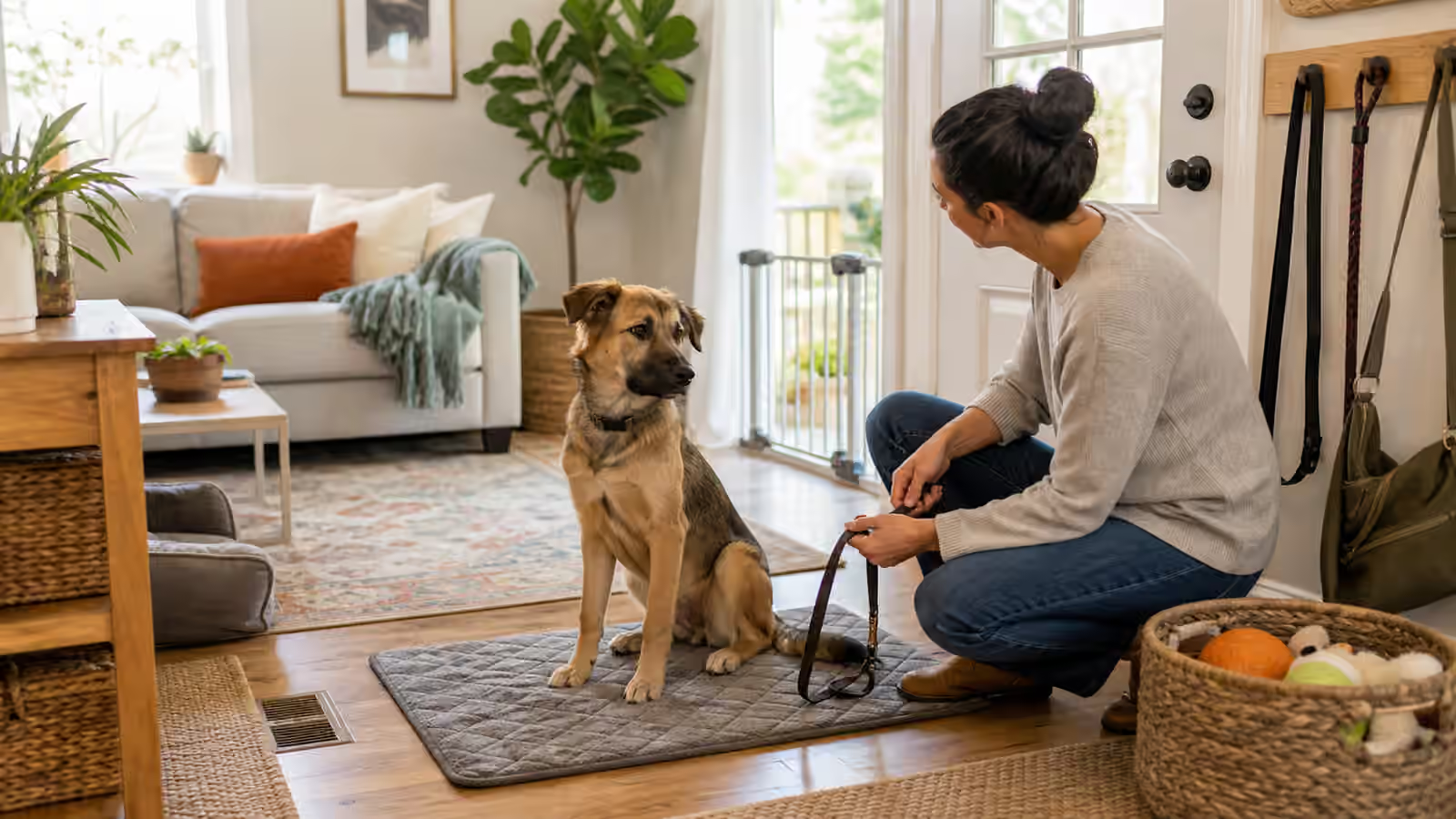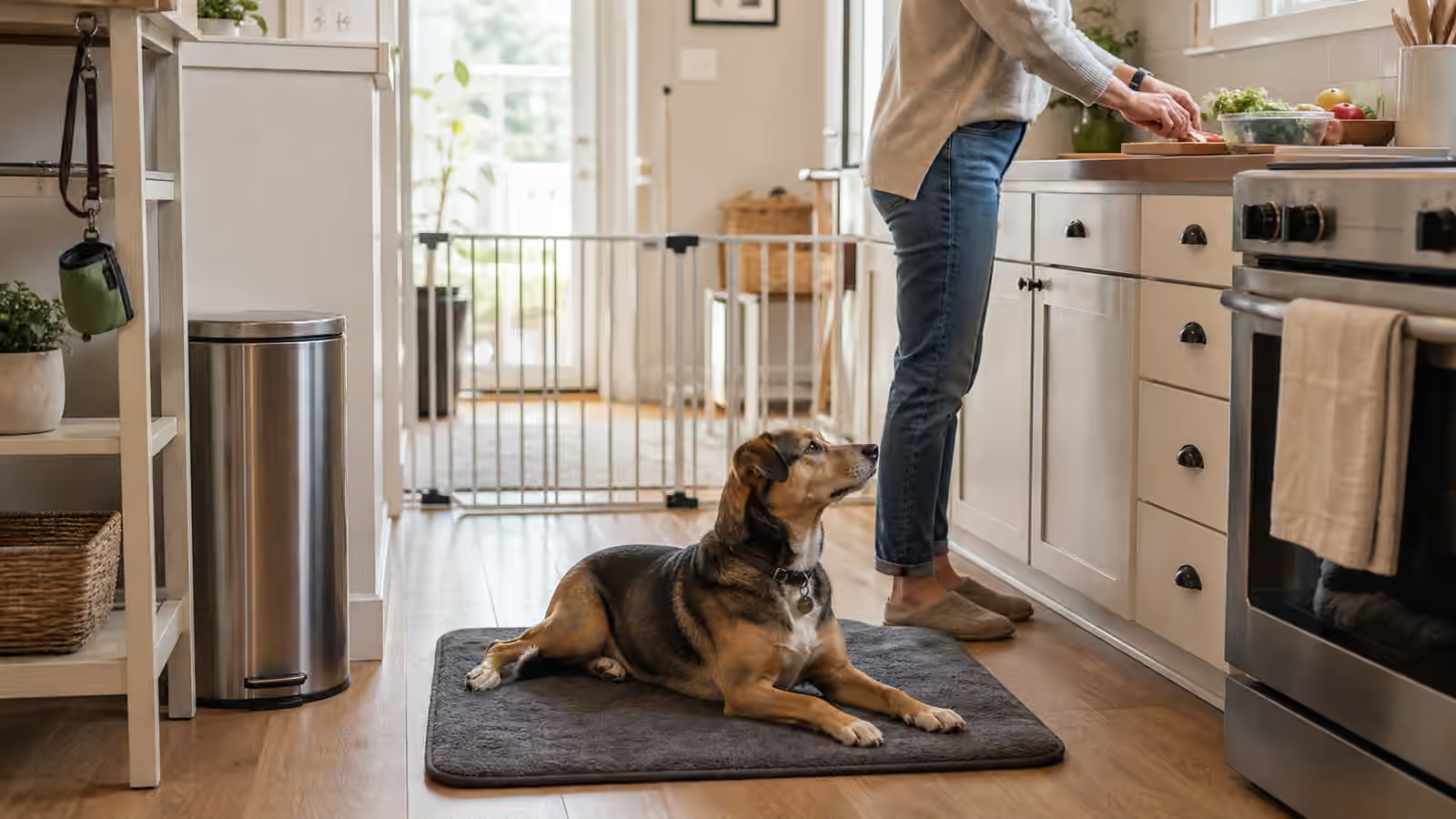
A muzzle can carry a lot of human emotion. Some people see it as a sign that a dog is dangerous. Some avoid it because they worry it looks harsh. Some reach for it only when the dog is already frightened, injured, or overwhelmed. For the dog, the meaning comes from experience. If the muzzle appears only during restraint, pain, panic, or punishment, the dog will learn that meaning quickly.
Muzzle comfort is not about forcing a dog to accept every situation. It is about teaching one useful piece of equipment slowly, before pressure is high. A well-fitted basket muzzle can help in some vet visits, grooming plans, injury management, training setups, scavenging management, or safety plans recommended by a professional. The broader handling foundation in Cooperative Grooming and Handling at Home still matters. The muzzle is one part of that larger conversation, not a shortcut around body language.
Choose comfort before control
Fit matters before training begins. Many dogs need a basket-style muzzle that allows panting, drinking if the design permits, and taking treats during practice. A tight fabric grooming muzzle may have limited uses for brief professional handling, but it is usually not appropriate for ordinary practice or longer wear because it can restrict panting. The dog should have room to open the mouth enough to breathe comfortably for the situation.
The muzzle should not rub the eyes, press into the nose, ride into the throat, or shift so much that it scares the dog. Straps should be secure without digging. The dog should be able to move their head normally. Fit can vary by muzzle shape and dog face shape, so avoid assuming that one size chart solves everything. If the dog has a short muzzle, unusual head shape, medical issue, or strong handling concern, get knowledgeable help.
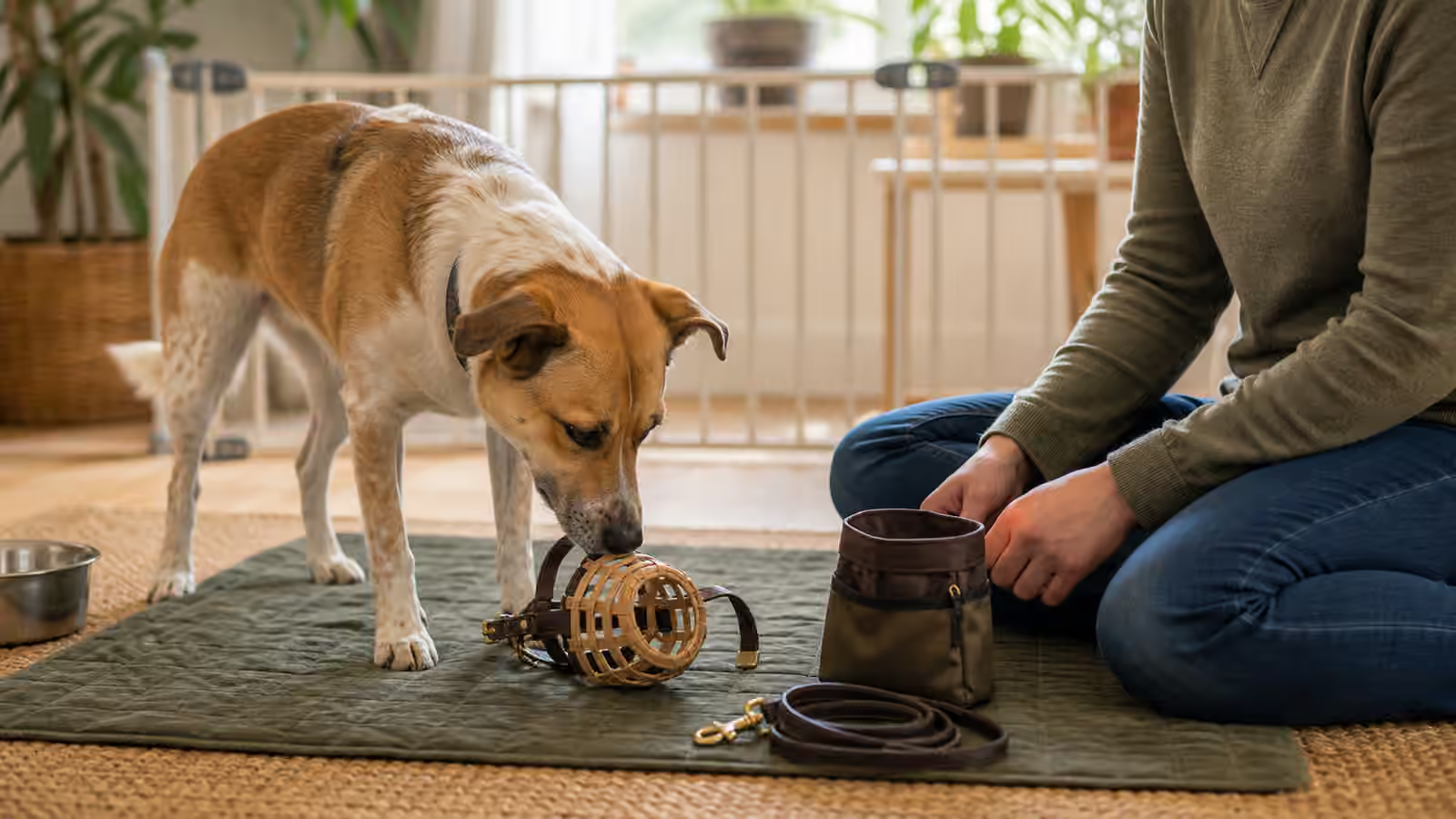
Introduce the object before expecting any wearing. Put the muzzle on the floor near the training area. Let the dog look, sniff, and leave. Place treats near it, then beside it, then inside the front edge if the dog is comfortable. Do not chase the dog’s face with the muzzle. The first lesson should be that the muzzle appears and nothing bad happens.
Let the muzzle predict good things
Nose-in practice should be voluntary. Hold the muzzle steady and place a treat just inside so the dog chooses to put their nose toward it. If the dog backs away, lower the difficulty. Put the treat closer to the rim or return the muzzle to the floor. The dog should feel as if they are discovering a small food station, not being captured by equipment.
Repeat the easy version many times. Nose near the muzzle, treat. Nose at the opening, treat. Nose inside for one second, treat. Nose out, no drama. The dog learns that moving toward the muzzle creates good outcomes and that leaving does not start a fight. This choice is important because it keeps the training from becoming a wrestling match disguised as care.
Keep sessions short. A few clean repetitions can do more than a long session that ends with avoidance. If the dog begins turning away, pawing, sneezing repeatedly, freezing, or refusing food they normally want, stop and make the next session easier. Reading Pet Body Language at Home is useful because the dog may signal discomfort long before they growl or snap.
Separate straps from duration
Closing the strap is a different skill from putting the nose in. Many dogs accept the front of the muzzle and then worry when a hand moves behind the head. Practice strap movement separately. Touch the strap, treat, release. Lift the strap near the neck, treat, release. Briefly buckle and unbuckle before the dog is concerned. Build this in tiny pieces.
Duration should grow after the dog understands both the nose-in and the strap. One second can become two. Two can become five. The dog can eat a treat, step out, and reset. Later, the dog can stand on a mat, take a few treats, and wear the muzzle for a short calm interval. Do not jump from first buckle to a full errand, clinic visit, or grooming appointment.
Use rewards that fit the muzzle design and the dog’s needs. Some basket muzzles allow treats through the front. Some work better with a soft treat from a spoon or tube, if appropriate and safe for the dog. Keep the process clean and calm. If food makes the dog frantic, use slower delivery, a quieter room, or professional guidance.
Add movement and handling gradually
A dog may tolerate a muzzle while sitting and still find it strange during movement. Practice a few steps on a familiar surface. Step to the mat, treat, remove the muzzle. Walk across the room, treat, remove. Pick up the leash, treat, remove. Later, practice in the entryway, yard, or car area if those contexts are part of the dog’s plan.
Handling should be added separately. A dog wearing a muzzle may still dislike paw touch, ear checks, brushing, injections, or being examined. Do not treat the muzzle as permission to ignore discomfort. Pair muzzle practice with the gentler handling structure from Nail Trimming and Paw Handling at Home and Vet Visit Prep Starts at Home . Touch briefly, reward, pause, and watch recovery.
If the muzzle is needed for a planned vet or grooming visit, practice the whole sequence in small pieces before the appointment when possible. Muzzle appears. Nose in. Strap closes briefly. Leash clips. Door opens. Dog steps onto a mat. Dog enters the car area. Each piece can carry its own history. The more pieces the dog recognizes, the less the equipment has to explain under stress.
Keep the meaning clean
Do not use the muzzle as a punishment for barking, chewing, jumping, or being inconvenient. That teaches the dog that the muzzle predicts conflict. If the dog barks at the window, work on Window and Hallway Barking Routines for Dogs . If the dog steals food, improve kitchen setup. If the dog mouths during play, address arousal and legal chewing. The muzzle may be part of a specific safety plan, but it should not become a general household scolding tool.
Store the muzzle where it can appear during neutral practice, not only during crisis. A few easy repetitions each week can preserve the habit. The dog does not need to wear it for long. They need the object to remain familiar, well-fitted, and emotionally clean. If the only practice happens on the worst day of the month, the dog’s feelings about the muzzle may change quickly.
Be honest with other people. A dog wearing a muzzle still needs space. Guests should not crowd, tease, hug, or test the dog. Other dogs should not be allowed to approach just because bites are less likely. A muzzle can reduce some risks in some situations, but it does not remove stress, fear, pain, or conflict. The environment still matters.
When to get professional help
Muzzle comfort is worth teaching even for many dogs who may never need it urgently, but some cases require support from the start. If the dog has bitten, threatens to bite, panics around equipment, guards objects, cannot be touched safely, or needs medical handling that cannot wait, work with qualified professionals. The right plan may include veterinary care, behavior support, management changes, and a gradual training path.
Do not measure success by whether the dog can be forced into the muzzle once. Measure it by whether the dog can approach, breathe, move, take rewards if appropriate, and recover. The quiet goal is a dog who has one more familiar tool before life becomes difficult. That familiarity can make care more organized, but it works only when the household respects the dog behind the equipment.