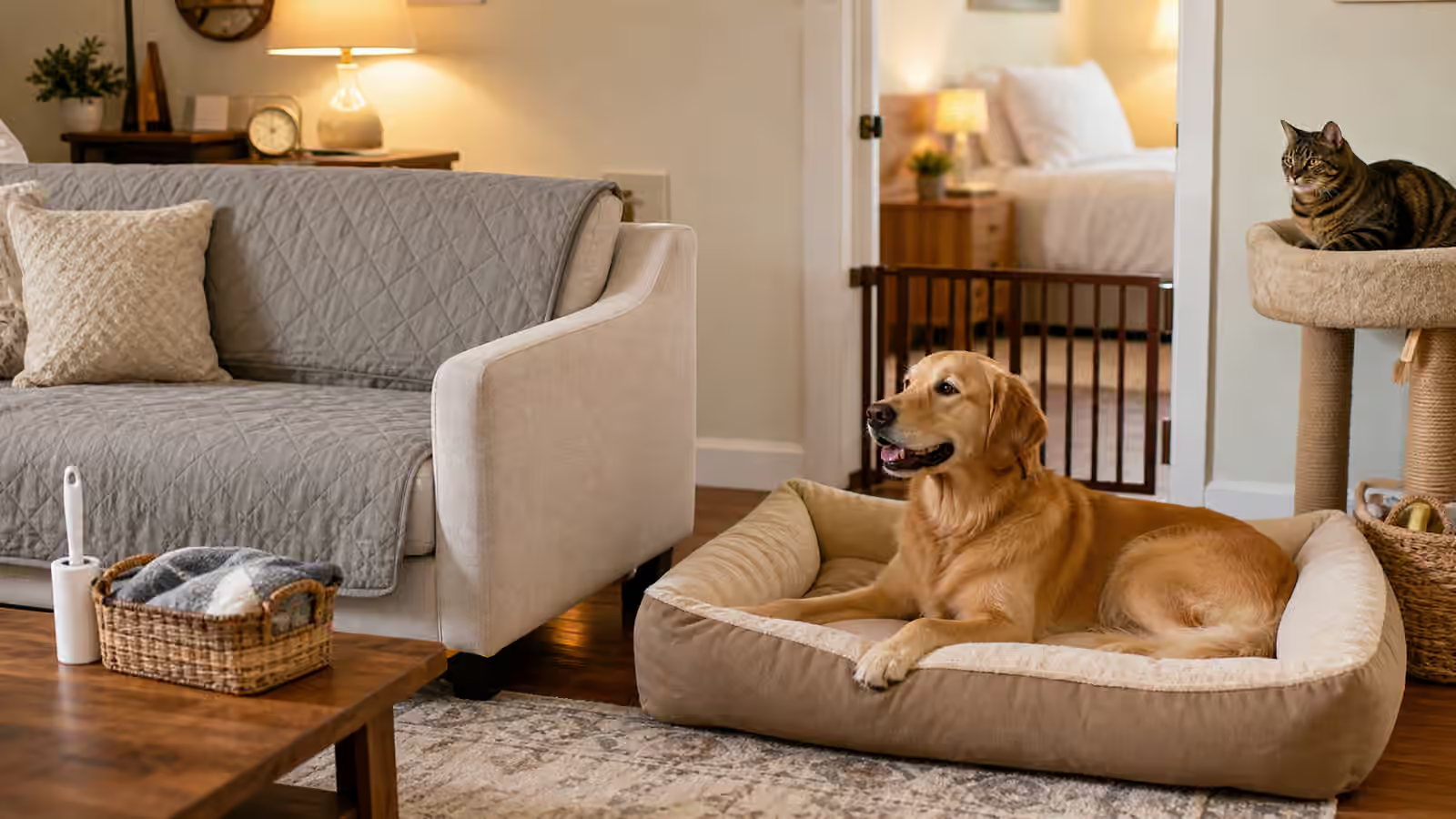
Many multi-pet problems begin as geography problems. The water bowl sits in a narrow corner. The cat has to pass the dog to reach the litter box. Two beds are placed side by side because they look tidy to people, not because the animals chose to rest that close. A toy basket lives beside the busiest doorway. The home asks pets to negotiate too much, then the household is surprised when tension appears.
Resource zones are the household answer to that tension. A resource is anything a pet values: food, water, sleeping spots, litter, toys, chews, sun patches, windows, people, doorways, and distance. The goal is not to make every pet live separately. The goal is to give each animal enough access that closeness becomes a choice instead of a requirement.
Stop using one central station for everything
One bowl area, one bed corner, and one toy pile may look organized, but they can create pressure. A dog may hover over food. A cat may avoid water because the dog rests beside it. A younger pet may bother an older pet who only wants the soft bed. The more valuable the resource, the more distance matters.
Start by watching traffic. Which doorway does every animal use? Where does the cat pause before crossing the room? Where does the dog lie when meals are prepared? Where does the older pet avoid stepping? These observations matter more than decorating logic. A good pet layout follows the paths animals actually use.
Food stations deserve special attention. Even friendly pets may prefer eating without an audience. Dogs can eat in separate zones, behind gates, in crates, or on opposite sides of a room depending on the household. Cats may need elevated stations or rooms the dog cannot enter. Feeding Stations and Mealtime Routines for Pets covers the basic station; a multi-pet home simply adds the rule that calm access is more important than visual symmetry.
Give water more than one address
Water is easy to underestimate because it does not look exciting. In a multi-pet home, one water bowl can still become a point of pressure. A confident animal may rest near it. A nervous animal may drink less if reaching it requires walking past another pet. A cat may dislike a bowl beside dog food or a noisy appliance. A senior pet may avoid stairs just to drink.
Place water in more than one calm location. The bowls should be easy to clean, hard to tip, and positioned where one animal cannot casually block all access. For cats, a raised bowl or quiet room may help. For dogs, a second station near the main rest area can reduce traffic through the kitchen. If a fountain is used, the cleaning routine matters as much as the equipment.
Multiple water stations also help you read the home. If one bowl empties and another stays full, that tells you something about preference and access. If a pet only drinks when another animal is outside or asleep, the location may need changing.
Separate rest without creating exile
Resting close together is meaningful only when pets can leave. If every good bed is in one corner, the animals may appear bonded while one is quietly tolerating the other. Create several rest choices with different levels of exposure. A dog may need a bed in the family room and a quieter bed away from traffic. A cat may need a high perch, a covered bed, and a room where the dog cannot follow. Senior pets may need low, easy-access beds with traction nearby.
Gates are useful when they create choice. A baby gate with a cat-sized pass-through, a closed door during chew time, or a crate used by a dog who already likes it can prevent conflict before it starts. Gates are not a substitute for training or supervision, but they are often kinder than repeated verbal corrections.
The sleep advice in Pet Sleep and Overnight Routines applies strongly here. Night is when crowding becomes obvious. If one pet patrols, steals beds, blocks a hallway, or wakes another repeatedly, the overnight layout needs more structure.
Protect litter access like a core resource
In cat households, litter access is not a small detail. A cat who has to pass a dog, another cat, a noisy machine, or a trapped corner to reach the box may delay using it or choose another location. Multi-cat homes often need more boxes than people expect, placed so one cat cannot guard all of them from a single hallway.
A box should have sensible entry and exit options. Covered boxes can work for some cats, but they can also create a dead-end feeling. A dog who raids litter adds another layer of pressure, so barriers may be necessary. The cat needs access; the dog needs prevention; the human needs a cleaning routine that can actually be maintained.
Litter Box Setup That Actually Works is the deeper guide, but the multi-pet rule is simple: no animal should have to negotiate social conflict to use the bathroom.
Manage toys, chews, and human attention
Toys and chews are not neutral. A chew that is boring in an empty room can become valuable when another dog walks past. A wand toy can excite a cat and draw a dog into chasing. A person sitting on the couch can become a resource if pets compete for lap space or touch.
Use location and timing instead of testing pets. Give long-lasting chews in separated areas. Put food puzzles away when the session ends. Play with cats where dogs cannot interrupt. Give each pet direct attention without making the others push in. If a dog practices waiting calmly while another pet receives attention, reward that waiting. If a cat needs a high perch to observe without joining, provide it.
Do not take resources away repeatedly to prove that you can. If a pet stiffens, freezes, growls, swats, hovers, or rushes toward another animal around resources, that is information. Increase distance and get professional help if the pattern is strong or escalating.
Make introductions become a layout, not an event
Introductions are not finished just because the first meeting went well. Dog and Cat Introductions at Home focuses on the early stages, but resource zones are what let the relationship keep working months later. Pets may be able to pass each other in a hallway before they can share a food area. They may nap in the same room before they can handle exciting play. They may tolerate each other when adults are home but struggle when the household is tired.
The layout should support the weakest moment, not the best photograph. If the cat only feels confident when the dog is behind a gate, keep the gate as part of the routine. If the younger dog pesters the older dog in the evening, separate before the pattern starts. If morning feeding creates rushing and blocking, change the station before practicing manners.
Review the map as pets age
Resource zones are not permanent. Puppies grow. Cats become less athletic. Senior dogs need more traction and shorter routes. A new work schedule changes who gets attention and when. A pet who once enjoyed a busy room may later need a quieter bed. Review the map whenever behavior changes, and read Senior Pet Home Setup for Dogs and Cats before aging turns small obstacles into daily stress.
A strong multi-pet home does not depend on constant correction. It lets animals eat, drink, rest, play, eliminate, and approach people without being trapped in social negotiation all day. When resources have enough addresses, the pets have room to make better choices.