Moving is a household project, but pets experience it as a strange pattern of disappearing furniture, new smells, stacked boxes, open doors, tired people, and disrupted routines. A dog who was steady in the old living room may pace in the new one. A cat who owned every window may vanish under a bed. That does not mean the move has gone wrong. It means the map has changed.
The most useful moving plan protects routine before it protects aesthetics. Familiar bedding, predictable meals, safe confinement, and a slow expansion of freedom matter more than having every room arranged by the first night. The pet needs a believable home base while the humans rebuild the rest of the house.
Pack around the pet’s anchor points
Before the first box appears, identify the pet’s anchor points. For many dogs, that means the bed, crate, food station, walking gear, and the door routine. For many cats, it means litter boxes, hiding places, scratching surfaces, food and water, and favored sleeping spots. These should be the last things disrupted in the old home and the first things reconstructed in the new one.
Do not wash every blanket right before moving unless there is a real cleaning need. Familiar smell can be useful. A bed that looks shabby to a person may tell the pet exactly where to rest. A towel from the old crate, a favorite mat, or a familiar scratcher can make the new room feel less like a blank rental.
Packing should also respect traffic flow. Stacked boxes can block a cat’s route to litter or create a tight hallway where a dog feels cornered. If the pet starts hesitating, barking at boxes, climbing into packing materials, or hiding more than usual, look at the room before blaming behavior. The environment may have changed too quickly.
Build a moving safe room
A safe room is not punishment. It is a controlled place where the pet is not negotiating open doors, movers, tools, tape sounds, and furniture shifts all day. In the old home, choose a room that can hold the pet’s essentials while loading happens elsewhere. In the new home, set up a similar room before bringing the pet inside if you can.
For a cat, that room should include litter, food, water, a hiding place, a scratcher, and a comfortable resting area. For a dog, it may include a crate or bed, water, safe chew item, familiar mat, and a plan for bathroom breaks. If the dog is not comfortable being closed away, practice smaller separations before moving day using the ideas in Alone-Time Routines for Dogs and Cats .
The door needs a human routine. Put a note on the outside if other people are helping, but do not rely only on signs. Assign a person to know where the pet is. Many moving accidents are not caused by bad intentions. They happen because someone opens a door while carrying a chair and assumes the animal is somewhere else.
Keep meals and bathroom access simple
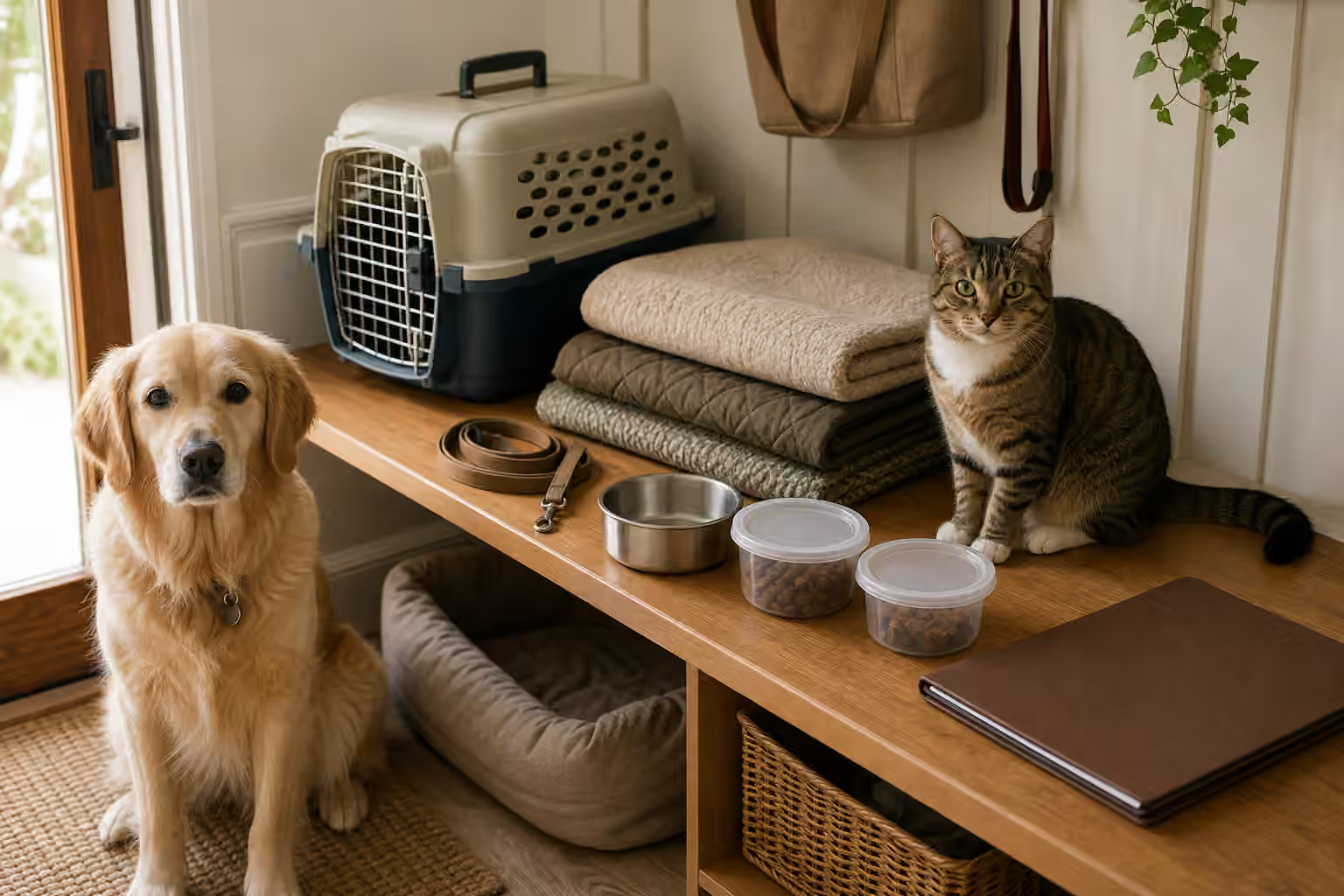
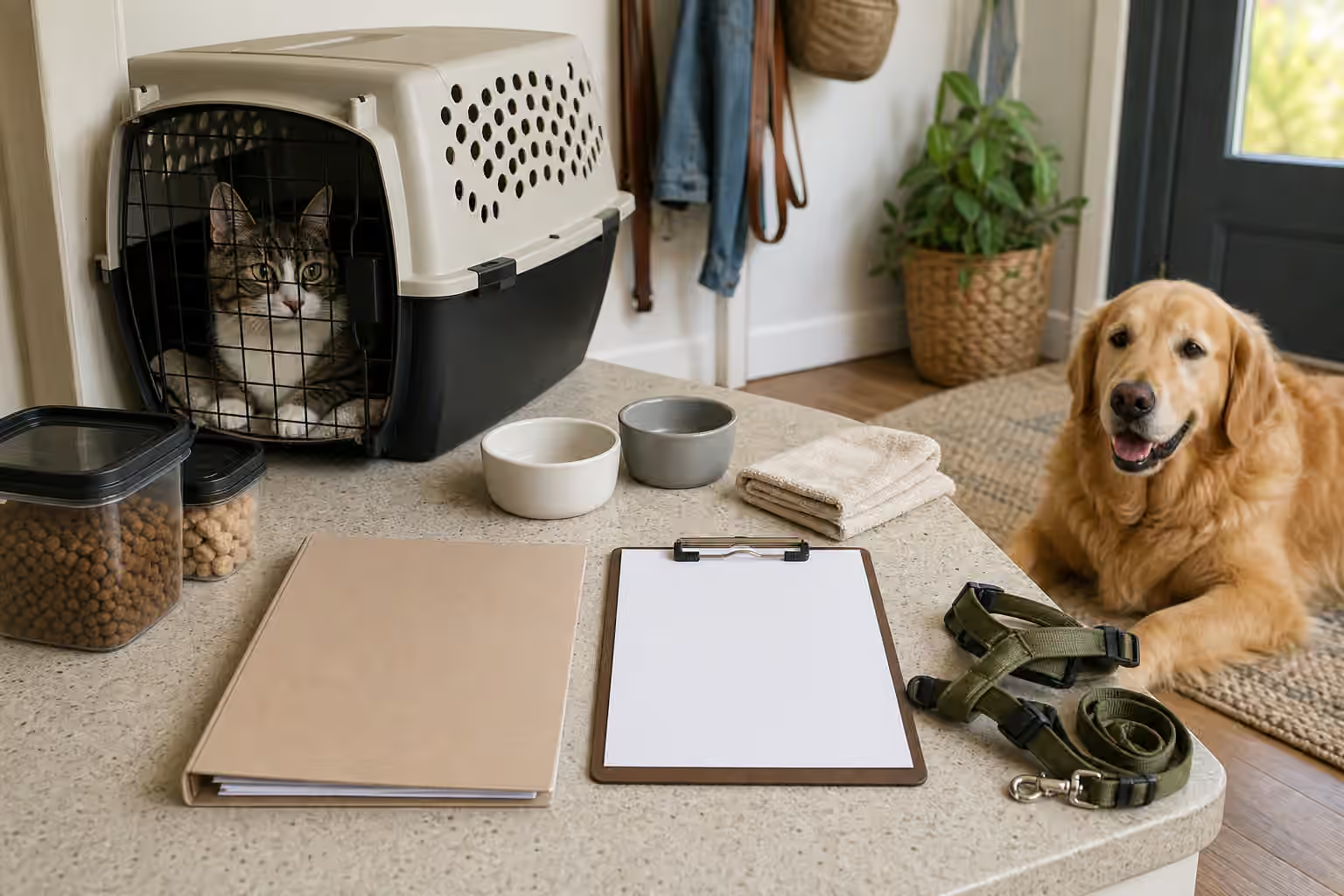
Moving days tempt people into improvising. The bowls are in a box, the litter scoop is in another box, the leash is under a pile, and dinner happens late. Pets notice. Pack a small first-day supply kit that stays with you rather than the moving truck. It should hold food, bowls, medication if any, waste bags, litter supplies, a towel, cleaning supplies, a leash or carrier, and the pet’s regular high-value rewards.
Feeding stations do not have to be beautiful in the first week. They do need to be understandable. Put food and water where the pet can reach them without walking through heavy foot traffic. Keep litter boxes obvious and accessible. If the cat is confined to one room at first, place the box far enough from food and rest to feel reasonable within that room. If the dog is learning a new door route for bathroom breaks, take the same path repeatedly until the pattern becomes familiar.
Feeding Stations and Mealtime Routines for Pets is useful during a move because meals are one of the easiest routines to preserve. Even if the room is temporary, the sequence can stay calm.
Transport with the least drama available
The move itself may be a short drive or a long travel day, but the principle is the same: use equipment the pet already knows. The carrier, crate, harness, leash, seat restraint, or travel setup should not make its first appearance beside a stack of boxes. If the pet already struggles with travel, practice well ahead of time and read Traveling With Pets before the moving week is crowded with deadlines.
Avoid loading pets while doors are propped open and people are carrying items through the same path. Put the pet in the secure travel setup before the busiest doorway phase or after it, depending on what is calmer. Cats should be contained before the room becomes chaotic. Dogs who are social but excitable may still need distance from movers because a friendly dog in a moving path is unsafe for everyone.
Keep the arrival controlled. Bring the pet straight to the prepared room instead of giving a full-house tour. A full tour may feel satisfying to a person, but it can overload the animal. The first job is to land, drink, sniff, use the bathroom or litter box when ready, and rest.
Expand the new map slowly
Once the pet is in the new home, resist the urge to grant total freedom immediately. A smaller map is easier to learn. Let a cat settle into one room, then add another area when eating, litter use, and resting look normal. Let a dog learn the main rest zone, door routine, and sleeping area before expecting calm behavior in every hallway.
Pet-proofing matters because the new home contains unknown risks. Cords may be exposed. Trash may sit in the wrong place. A balcony door may not latch like the old one. Plants may be accessible. Storage rooms may hold cleaning supplies. Use Pet-Proofing Rooms Before Giving More Freedom as a room-by-room reset, even if your pet was reliable in the previous house.
For cats, vertical space can help a new room feel less threatening. A familiar cat tree, sturdy shelf, or window perch gives the cat a place to observe without being in the center of traffic. For dogs, a familiar bed or crate away from the busiest walkway gives the animal a place to be right without constantly being told where not to be.
Expect temporary regression
Some house-training, sleep, appetite, barking, scratching, hiding, or clinginess changes can appear after a move. Treat regression as information. The pet may need more supervision, a smaller area, earlier bedtime, a clearer bathroom route, or less exposure to neighborhood sounds. Do not assume the old routine transfers automatically to the new floor plan.
Nighttime often reveals gaps. A dog may hear new hallway sounds. A cat may explore loudly. A puppy or senior pet may not yet understand the route to the right bathroom place. The ideas in Pet Sleep and Overnight Routines can help you rebuild the evening sequence instead of negotiating every night from scratch.
Watch recovery. A pet who startles and then settles is different from a pet who cannot relax for hours. A pet who skips one meal during a stressful day is different from a pet who refuses food repeatedly. When behavior feels outside normal adjustment, contact a veterinarian or qualified trainer.
Rebuild ordinary life on purpose
The final stage of moving is not unpacking the last box. It is making the new home predictable. Put the leash in the same place. Keep the food station stable. Return to a normal play rhythm. Give the cat a reliable litter setup before experimenting with new furniture arrangements. Walk the dog on repeatable routes before adding busy destinations.
Moving can be a useful chance to improve old problems, but do not change everything at once. If the old feeding station was crowded, improve it. If the old entry routine caused barking, rebuild it with gates and distance. If the old litter box location was poor, choose better placement. Make one clear improvement at a time so the pet can understand what changed.
A good moving plan is quiet and practical. It gives the pet fewer mysteries to solve while the household handles the unavoidable disruption. When the home base, meals, bathroom access, sleep, and exits make sense again, the new address starts becoming a real home instead of a pile of unfamiliar rooms.