A good walk is not measured only by distance. For many dogs, a good walk is the one where the leash stays soft enough to communicate, the handler can breathe, the dog gets useful sniffing, and nobody spends the whole route wrestling for control.
Loose-leash walking is often treated like a single behavior, but it is really a chain of small choices. The dog notices the world, feels the leash, checks where the person is, chooses a speed, responds to changes, and recovers from distractions. The handler notices the dog, manages the route, rewards the right moments, and avoids asking for calm in places the dog cannot handle yet.
Start with the equipment conversation
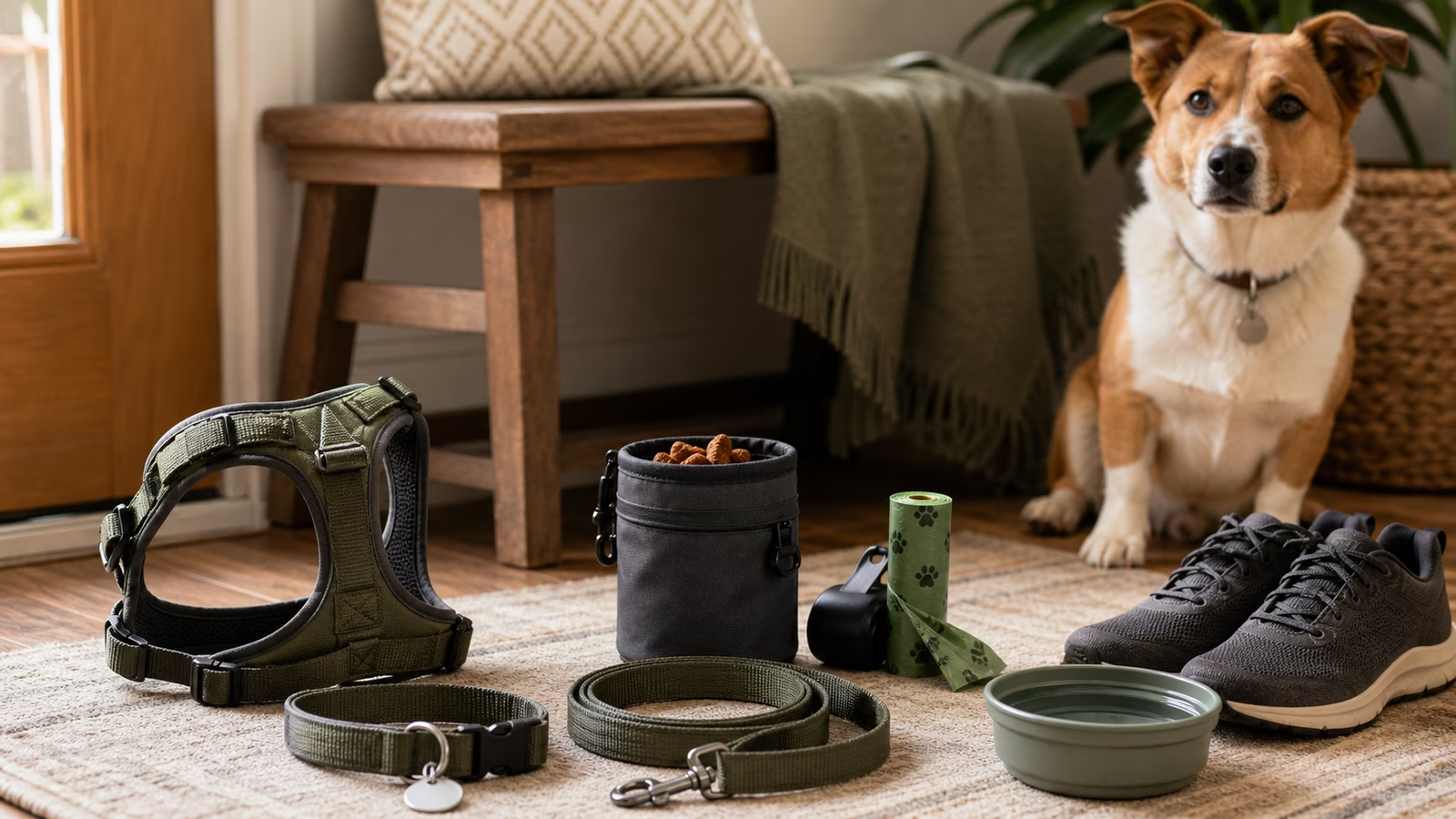
Before training the walk, make sure the gear is not creating the fight. A collar that presses the neck every time the dog surges, a harness that rubs behind the legs, a leash that is too long for sidewalks, or a clip that twists awkwardly can make ordinary movement harder. Harnesses, Collars, and Leashes Explained covers the gear choices in more detail, but the walking version is simple: the dog should be secure, comfortable, and able to move naturally.
A standard leash gives clearer information than a retractable leash for most beginner walks. The dog learns where the end of the leash is. The person learns when slack appears. A treat pouch helps because rewards need to happen near the moment the dog makes a useful choice. If the treat is buried in a pocket under keys and waste bags, the timing will always be late.
Gear is not the lesson. It is the language you use during the lesson. If the language is noisy, the dog hears noise.
Reward orientation before pulling starts
Many handlers wait until the leash is tight, then begin training from frustration. It is more effective to notice the moments before pulling. The dog glances back. The shoulder turns toward you. The leash softens for half a second. The dog slows at a curb instead of charging through. Those tiny moments are the raw material.
Reward near your leg or at the side where you want the dog to return. You are not bribing the dog to ignore the world forever. You are making it worth checking in while the world remains interesting. At first, reward often in easy places: the hallway, driveway, quiet sidewalk, or a familiar stretch near home. Waiting until the dog is already locked onto a squirrel, barking dog, or busy intersection makes the job much harder.
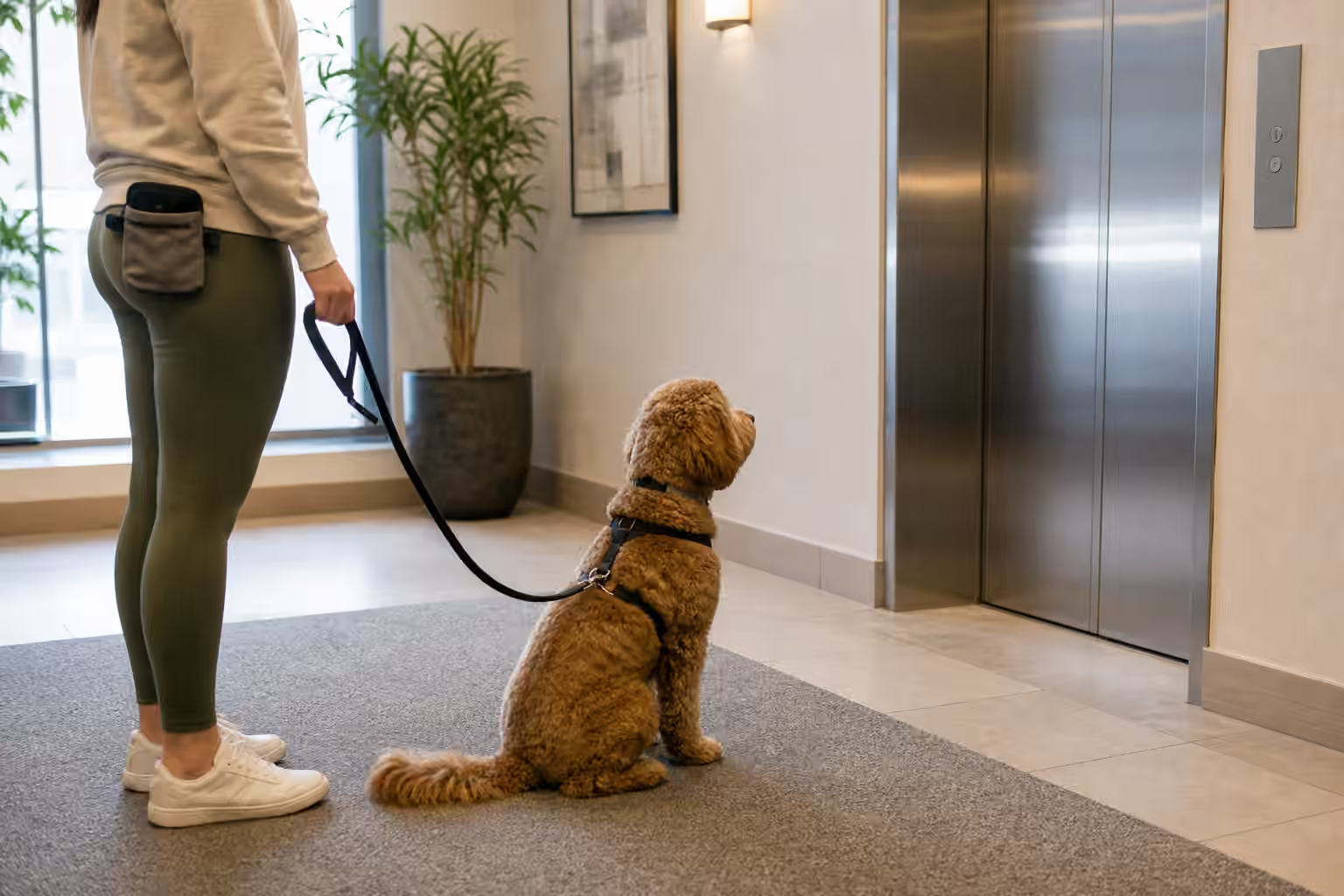
Some walks should begin indoors. Clip the leash, take two steps, reward slack, turn gently, reward again, and end before the dog starts rehearsing pulling. This is not glamorous, but it builds a pattern the dog can recognize outside.
Let sniffing be part of the plan
Loose leash does not mean military position for the entire walk. Dogs need sniffing. The nose is one reason the walk matters. The trick is to make sniffing part of the structure rather than a constant drag toward every smell.
Use the environment. On a quiet patch of grass, slow down and let the dog investigate while the leash remains comfortable. When you need to move along, cue the transition in the same calm way each time, then reward the dog for rejoining you. The dog learns that sniffing exists and movement exists. Neither has to be stolen.
A sniff-focused route can be shorter and more satisfying than a rushed march. This connects to the enrichment ideas in Pet Enrichment for Bored Dogs and Cats . A dog who gets to use their nose may come home more settled than a dog who was dragged past every interesting patch for the sake of distance.
Choose routes the dog can succeed on
Training plans often fail because the route is too hard. A narrow sidewalk beside traffic, barking fences, school dismissal, outdoor dining, and blind corners can overwhelm a dog who is still learning leash manners. The dog is not being disobedient in the abstract. The route is asking for a skill the dog does not have yet.
Choose wider paths, quieter hours, and predictable loops when possible. Cross the street before the dog is at the end of their ability. Turn around before a tight corner if you can hear another dog behind it. Use parked cars, hedges, open driveways, or distance as management tools. A boring route that lets the dog practice slack is more useful than an exciting route that rehearses pulling for twenty minutes.
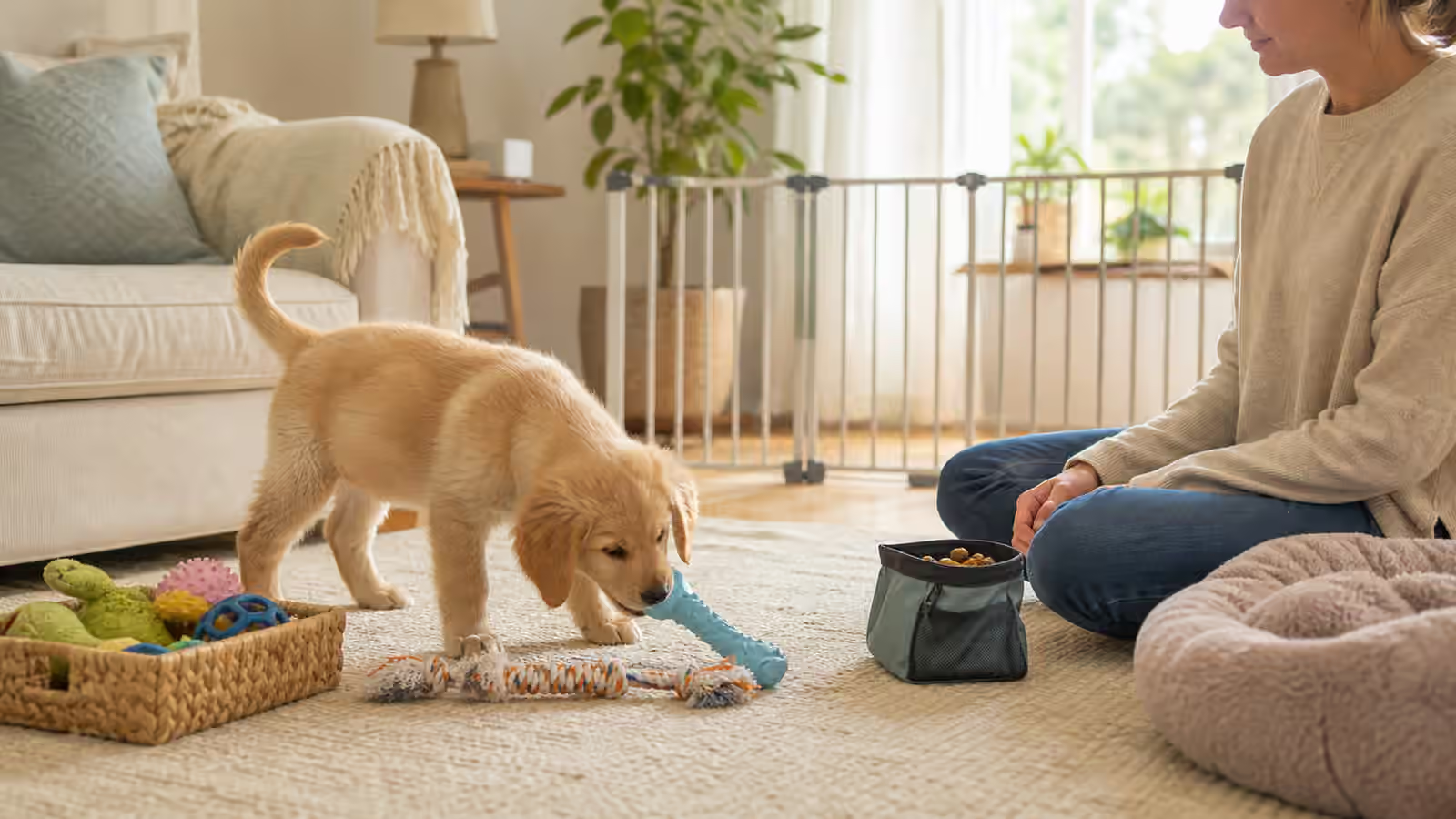
For new puppies, connect this to the routine in New Puppy First Week Checklist . For adopted adult dogs, a quiet route may be part of decompression, not a sign that the dog is behind.
Handle distractions with distance, not lectures
When the dog notices a trigger, your first job is to adjust distance before the leash turns into a tow rope. A trigger can be another dog, a skateboard, a delivery truck, a person reaching toward the dog, a rabbit, or a doorway the dog loves. If the dog can notice and still eat, turn, sniff, or respond to their name, you may be at a workable distance. If the dog cannot do anything except stare, pull, bark, freeze, or bounce, you are too close for beginner practice.
Do not stand still and repeat cues while the dog escalates. Move in a curve, create space, scatter a few treats in grass if that helps the dog lower their head, or retreat behind a parked car. This is not avoidance forever. It is how you keep the dog under the threshold where learning can happen.
Keep real walks realistic
Not every walk can be a lesson. Sometimes it is raining, someone is late, the dog needs a bathroom break, or the neighborhood is busier than expected. On those days, make the walk easier instead of demanding more precision. Use a shorter route. Give more sniffing. Practice one block well and return home. A walk that preserves calm is better than a long route that teaches the dog to pull harder.
End with a small reset at the door. Pause, reward stillness, remove gear calmly, and let the dog transition into the home. If muddy paws and entry chaos are part of the problem, Pet Cleaning Setup for a Fresher Home can make the return from walks easier too.
Loose-leash walking improves when the household stops treating every tight leash as a personal argument. The question is smaller and more useful: what would make the next ten steps easier for this dog to do well?