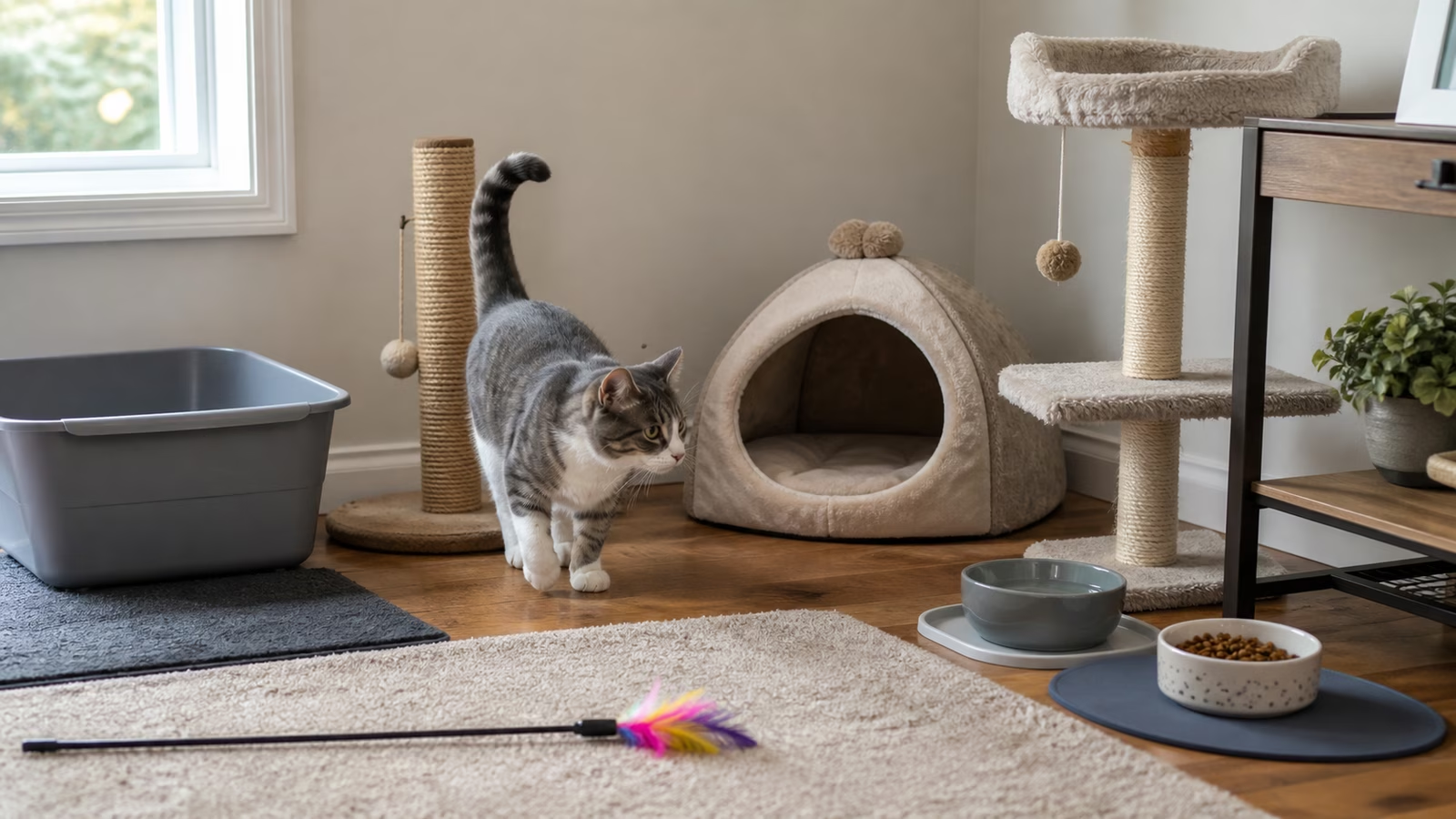
Litter box problems are often treated like mysteries when the setup is doing most of the damage. Cats need enough boxes, enough space, comfortable litter, and a cleaning rhythm that does not rely on wishful thinking.
Use the right number
The common starting point is one box per cat, plus one extra, placed in more than one area when possible. Two cats with two boxes beside each other may experience that as one bathroom location. Spread resources so one cat cannot guard every option.
Small apartments still benefit from thinking in zones: quiet, accessible, and not trapped behind a door that might close.
Placement beats cleverness
Good placement is quiet, accessible, and predictable. Avoid loud laundry rooms if the machines scare the cat. Avoid tight corners where another pet can block the exit. Avoid putting the box beside food and water.
If you need to move a box, move it gradually or add the new box before removing the old one.
Size and entry matter
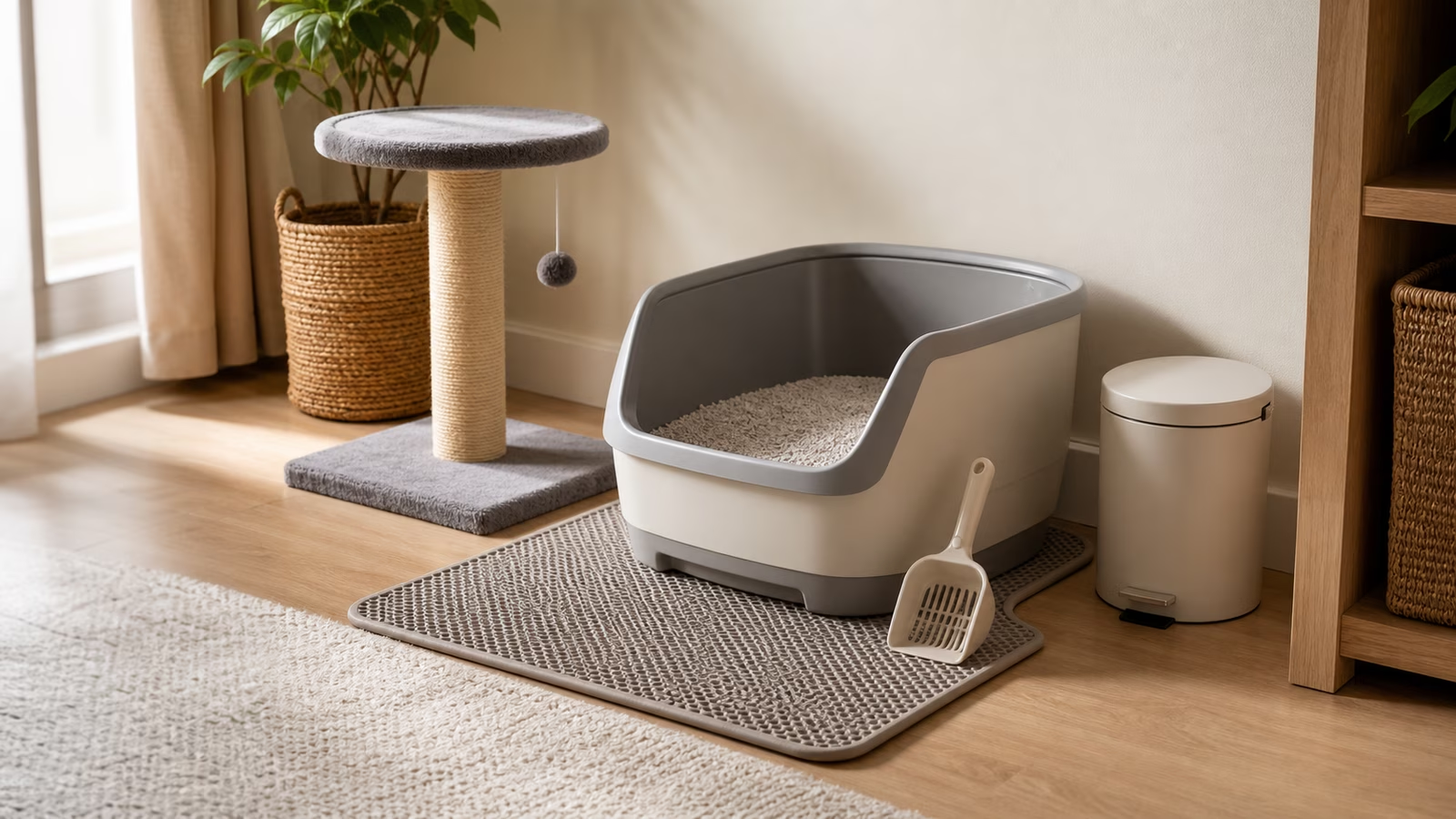
Many boxes sold for cats are too small. A cat should be able to enter, turn, dig, and posture comfortably. Older cats, kittens, and short-legged cats may need a lower entry. Covered boxes can help humans hide the view, but some cats dislike the trapped smell and limited escape routes.
If odor is the reason for a covered box, the cleaning rhythm may need more attention than the lid.
Litter type
Unscented clumping litter is a practical starting point for many households, but cats have preferences. Strong perfumes may please humans and annoy cats. Pellets, crystals, and alternative litters can work, but changes should be gradual.
When adopting, start with what the cat already knows if possible. Familiar substrate reduces one source of stress.
Cleaning rhythm
Scoop daily, refresh as needed, and wash the box before residue builds up. Keep a scoop, small trash bags, and cleaning supplies nearby so the task is easy. A litter mat can reduce tracking, but it cannot compensate for a box the cat dislikes.
Common mistakes
The usual mistakes are too few boxes, boxes that are too small, poor placement, heavy scent, sudden litter changes, dirty boxes, and punishing the cat after an accident. Punishment can make the cat hide the behavior or avoid you. Fix the setup and check for health issues.
Placement checklist
- The cat can reach the box without passing through a blocked doorway, loud machine zone, or ambush point.
- The box is large enough for turning, digging, and normal posture.
- The entry height fits the cat’s age, mobility, and confidence.
- Food and water are not beside the box.
- Scoop, bags, and trash are close enough that daily cleaning is easy.
Litter box decision table
| Problem | Setup check | Professional boundary |
|---|---|---|
| Accidents near the box | Box may be too small, dirty, covered, scented, or hard to enter. | Call the vet for sudden changes or signs of pain. |
| Avoids one location | Noise, traffic, or another pet may be blocking access. | Get help if conflict or fear keeps repeating. |
| Strong odor | Cleaning rhythm, box size, and ventilation need attention. | Vet call if odor comes with health or coat changes. |
| Tracking everywhere | Mat, exit path, litter type, and box height may need adjustment. | Not usually urgent unless bathroom behavior changes. |
Common beginner mistakes to avoid
- Treating two boxes side by side as two real bathroom locations in a multi-cat home.
- Choosing a covered box to hide odor when the cat needs cleaner litter or more air.
- Switching litter abruptly because the human prefers the new package.
- Punishing the cat after finding an accident.
Buy only after you know the cat
Wait on automatic boxes, top-entry boxes, scented litter systems, and furniture-style enclosures until the cat reliably uses a simple comfortable setup. Many cats do best when the first box is boring: large, open, clean, quiet, and easy to enter.
When this is no longer a home setup issue
Straining, crying, frequent box visits, inability to urinate, blood, sudden avoidance, pain, appetite change, or repeated accidents deserve a vet call. A litter guide can improve placement and cleaning; it cannot rule out medical causes. Pair this page with New Cat Setup and Pet Cleaning Setup for a Fresher Home .
What to do next
Audit the box today: number, size, entry height, placement, litter type, and cleaning tools. Then connect it to the rest of the home base in New Cat Setup .
Make the home easier to live in
Pet care guides work best when they honor the real household. For Litter Box Setup That Actually Works, the question is not only what would be ideal in a quiet diagram. It is what a person can repeat while doors open, meals happen, guests arrive, weather changes, and the animal has its own preferences.
Start by watching the pattern before changing the setup. Where does the pet hesitate, rush, hide, scratch, chew, bark, spill, or settle? Which part of the day makes the issue worse? A good observation names the place, trigger, and response instead of turning the animal into a problem to fix.
Then make one environmental change. Move the bowl, add a mat, create a calmer resting spot, adjust the walk routine, protect a threshold, or simplify the storage. Small changes are easier to maintain and easier for the pet to understand.
Keep safety and welfare boundaries visible. If the issue involves injury, ingestion, aggression, severe anxiety, poisoning, heat stress, or sudden behavior change, bring in the appropriate professional. Home setup can support care, but it should not pretend to replace medical or behavioral expertise.
Litter Box Setup That Actually Works should leave the household feeling more legible. The best pet spaces are not showrooms. They are routines the animal can trust and humans can keep.