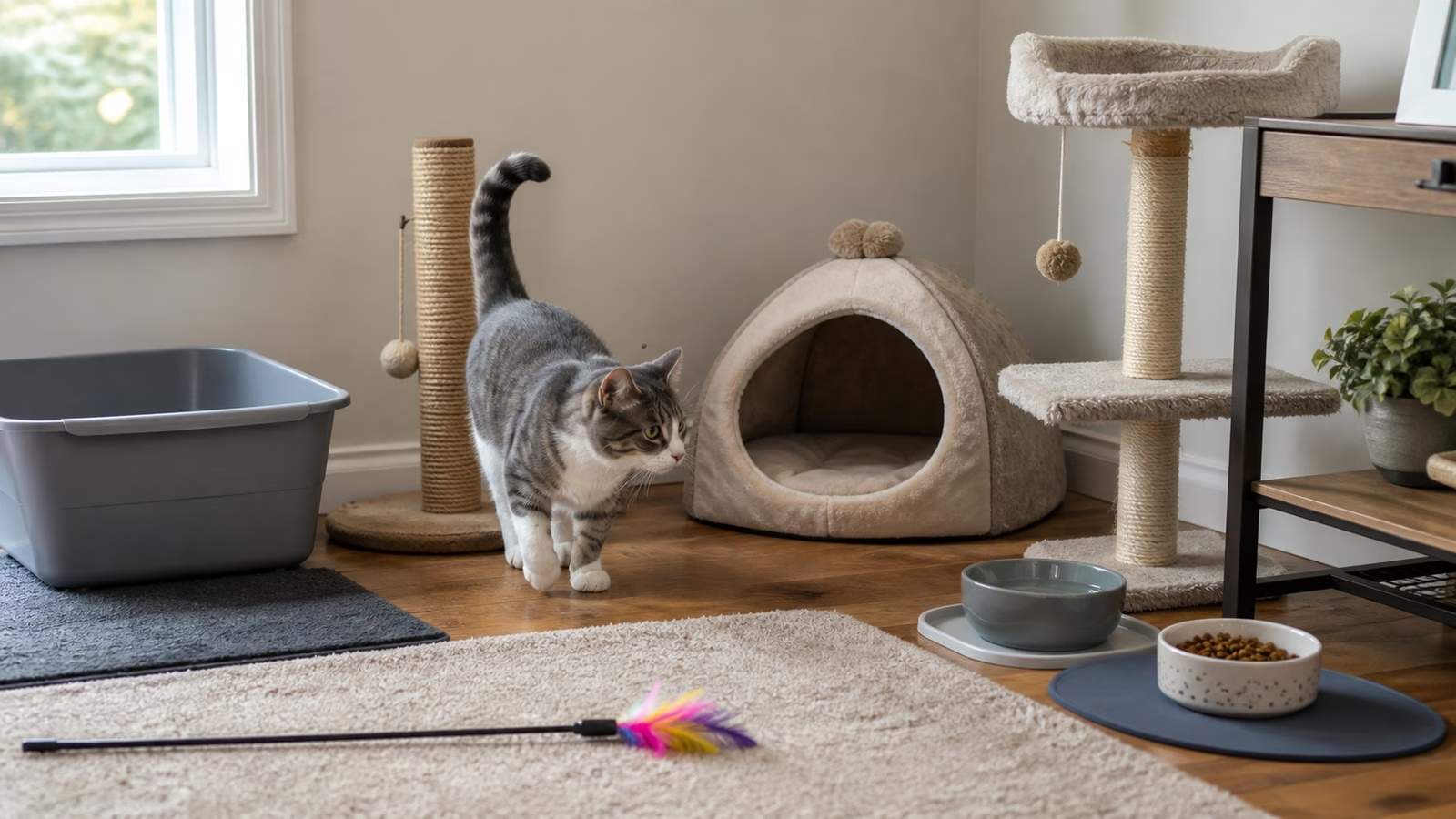
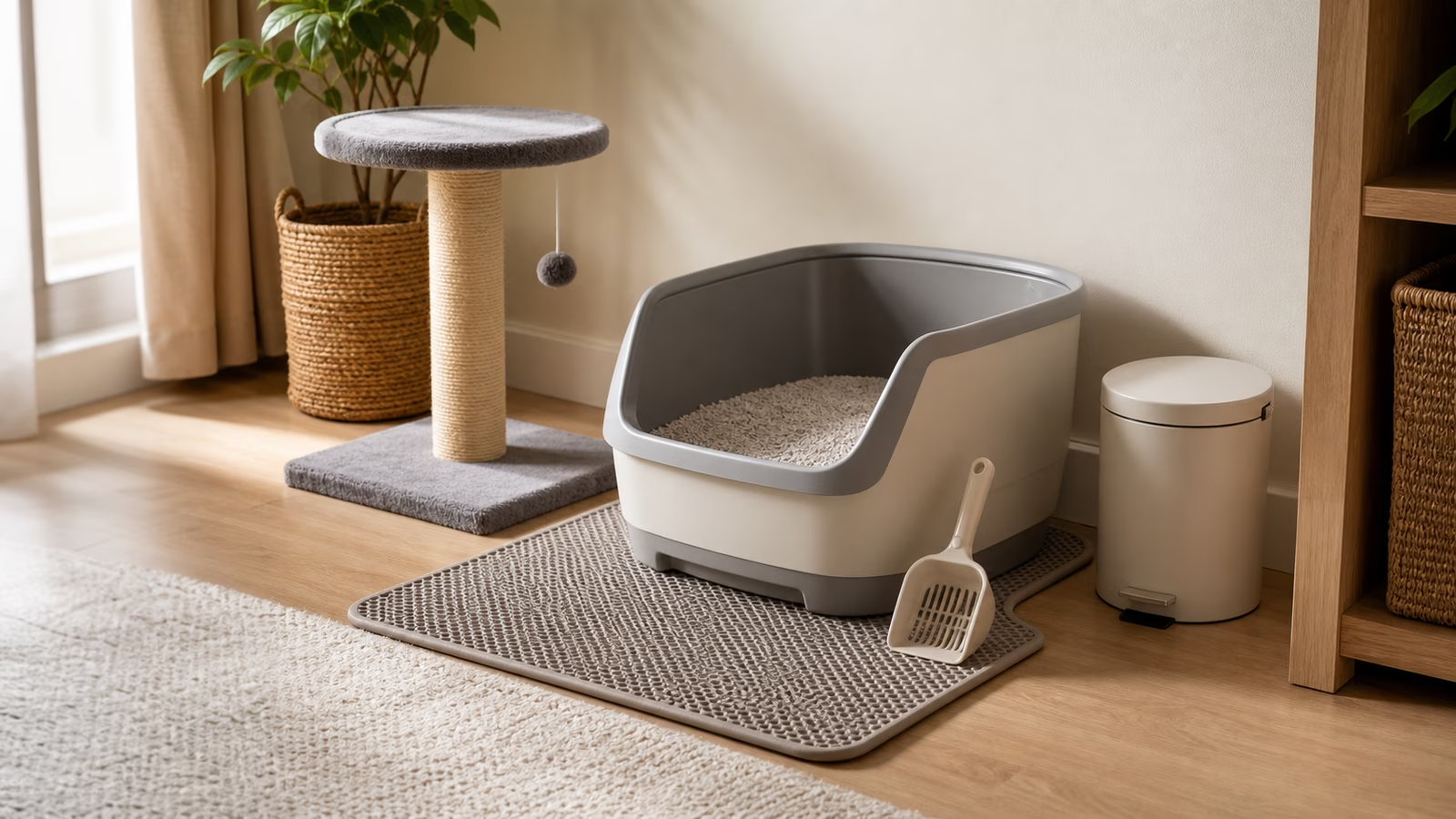
A kitten’s first week is not just a smaller version of bringing home an adult cat. The same essentials still matter: litter, food, water, scratching, hiding, play, and rest. The difference is scale, stamina, judgment, and supervision. Kittens can be bold for ten minutes and asleep the next. They can climb into gaps that look decorative to a person, chew soft items that an adult cat might ignore, and miss a litter box simply because the trip across the room was too long or too exciting.
The goal of the first week is to make the home easy to understand. A kitten should not have to search the whole house for a litter box, defend a food bowl from foot traffic, or learn every family rule while overstimulated. Start small, repeat the same rhythms, and add space only after the kitten is using the first space well. If you already read New Cat Setup: Litter, Scratching, Hiding, and Play , think of this as the kitten-specific version with more attention to short distances, tiny mistakes, and play that ends before the kitten loses control.
Start with a room the kitten can succeed in
The best first room is quiet, easy to clean, and simple to supervise. A spare room, bedroom corner, office, or gated section of a living room can work if the kitten has a clear place to sleep, a shallow litter box, food, water, scratching, and a hiding option. The room does not need to look like a catalog. It needs to answer the kitten’s first questions without making the kitten cross a confusing map.
Keep the litter box close enough that the kitten can find it during play. Many first-week accidents are not mysterious behavior problems. The kitten was excited, the box was too far away, the entry was too tall, or the route was blocked by a person, dog, door, laundry pile, or loud appliance. A low-sided box in a calm corner is often easier than a covered box, a narrow cabinet, or a box hidden in a room the kitten has not learned.
Food and water should be separated from the litter area, but they do not need to be across the house. Put them where the kitten can approach without being stepped over. If other pets live in the home, the kitten’s first room should be protected until introductions are deliberate. The introduction principles in Dog and Cat Introductions at Home apply even when the new cat is tiny. A small animal still deserves a real barrier, not a hopeful meeting in the hallway.
Treat hiding as information, not rejection
Many kittens bounce between curiosity and caution. Hiding after arrival does not mean the kitten dislikes the household. It usually means the kitten is processing new smells, sounds, floor surfaces, and people. A hiding bed, open carrier, cardboard box, or covered nook gives the kitten a way to watch without being handled. That choice can make the kitten braver because retreat is available.
Do not pull a kitten from a hiding spot to prove that the home is friendly. Sit nearby, talk softly if the kitten responds well, and let food, play, and gentle routine do the work. If the kitten chooses to come out, keep the moment calm enough that coming out remains worth repeating. The first week is full of tempting performances: everyone wants to see the kitten, hold the kitten, photograph the kitten, or test what the kitten will chase. Too much attention can turn a confident hour into a frightened evening.
Children need especially clear rules. A kitten should not be chased, lifted without support, woken from sleep, or carried from room to room for entertainment. The household can still enjoy the kitten. It just needs to enjoy the kitten in a way that keeps the animal’s body and choices respected. If the kitten flattens, freezes, swats, bites, hides, or tries to leave, the interaction has already gone too far.
Make play short, frequent, and finished
Kittens need play, but they do not need endless play. Short wand-toy sessions help them stalk, chase, pounce, catch, and then settle. Let the kitten catch the toy sometimes. A game that never resolves can become frustration rather than enrichment. Avoid using hands and feet as toys, even when the bites feel harmless. The kitten is learning what bodies are for, and a game that is cute at eight weeks may become painful later.
A useful rhythm is play, food, grooming or a quiet pause, then sleep. The exact timing will vary, but the pattern matters. If play always escalates until the kitten is climbing curtains, biting ankles, or sprinting under furniture, the session is too long or poorly shaped. Stop earlier next time. Move the toy like prey, give the kitten a catch, then lower the room energy before the kitten is frantic.
The broader ideas in Pet Enrichment for Bored Dogs and Cats still apply, but kitten enrichment should be easy to win and easy to supervise. Small loose objects, strings, ribbons, rubber bands, hair ties, and broken toy parts can become problems fast. Store toys when play is over if they are not safe for unsupervised use.
Teach scratching before furniture becomes interesting
Scratching is not a misbehavior to wait for. It is a normal cat behavior that needs a place on day one. Put a low stable scratcher or post near the kitten’s active area, not in a forgotten corner. Some kittens like horizontal cardboard. Others stretch upward sooner than expected. The best first setup gives more than one texture without scattering scratchers through the whole home.
When the kitten scratches the right thing, let that success be easy. Play near the scratcher. Place it beside a resting or transition spot. Keep it sturdy enough that it does not wobble and scare the kitten. If the kitten starts testing furniture, the answer is usually placement, texture, access, and supervision, not scolding after the fact. Cat Scratching Stations That Protect Furniture goes deeper on furniture protection, but the first-week version is simple: make the legal scratching object more obvious than the sofa arm.
Scratching also belongs near sleep. Cats often stretch and scratch after waking. A kitten who wakes in a soft bed with a scratcher nearby may make a better choice than one who wakes on the couch with fabric under every paw. This is home design doing quiet training before anyone has to intervene.
Keep room freedom slower than curiosity
Kittens often look ready for the whole house before they are ready to manage it. They may dash confidently into a hallway, then forget where the litter box is. They may climb behind appliances, crawl under furniture, or wedge into the back of a closet. They may meet the dog through a gap because a door was open for only a second. Curiosity is not the same as judgment.
Add rooms in small supervised sessions. Let the kitten explore, then return to the home base before fatigue turns into chaos. If the kitten uses the litter box reliably, eats normally, returns to the safe room easily, and recovers from small surprises, the map can grow. If the kitten hides for hours, startles hard, misses the box, or becomes impossible to redirect, the map grew too quickly.
Pet-proofing matters at kitten height and kitten width. Look for cords, thread, craft supplies, recliner mechanisms, laundry baskets, open vents, toxic plants, dangling blind cords, unstable shelves, and narrow spaces behind heavy furniture. The room-by-room approach in Pet-Proofing Rooms Before Giving More Freedom is useful because kitten safety is mostly about boring details noticed before the kitten discovers them.
Practice handling as a tiny conversation
A kitten will need routine handling over time: carrier loading, paw checks, brushing, medication if prescribed, nail care, and veterinary exams. The first week is not the time for a long grooming project. It is the time to teach that human hands are predictable. Touch briefly, reward gently, and let the kitten leave. A one-second paw touch that ends calmly is worth more than a forced session that teaches the kitten to wrestle.
Pick moments when the kitten is sleepy but not trapped. Stroke the shoulder, touch the ear briefly, lift a paw for a heartbeat, or let the kitten sniff a brush. Then stop. Handling should feel like a conversation with pauses, not a task the kitten must endure until people are finished. Cooperative Grooming and Handling at Home gives the larger framework for consent-based care, but kittens need the smallest version first.
Carrier practice belongs here too. Leave the carrier open in the home base with soft bedding inside. Let it become furniture before it becomes transportation. A kitten who naps in a carrier is easier to move for vet visits, travel, or household emergencies than a kitten who only sees the carrier when life gets stressful. This also connects to Vet Visit Prep Starts at Home , where calm departures matter as much as the appointment itself.
Let sleep do some of the training
Kittens sleep a lot, and the household should protect that. A tired kitten is not always sweetly sleepy. Sometimes a tired kitten becomes bitey, reckless, or loud. Instead of interpreting every burst as a request for more activity, look for the point where play should end and rest should begin. A dimmer room, soft bed, familiar scent, and fewer hands can do more than another toy.
Night routines should be plain. Offer play before the household winds down, make sure litter and water are easy to reach, and return the kitten to a safe sleeping area if full-room freedom is not ready. If the kitten cries, check that the basics are truly met, but avoid turning every sound into a long exciting visit. The first week teaches the kitten what night means in this home.
A good first week feels small from the outside. The kitten learns one room well, finds the box without drama, scratches the right surface, plays in short cycles, rests without being passed around, and meets the rest of the home gradually. That plain foundation is what lets the kitten become bolder without becoming unsafe.