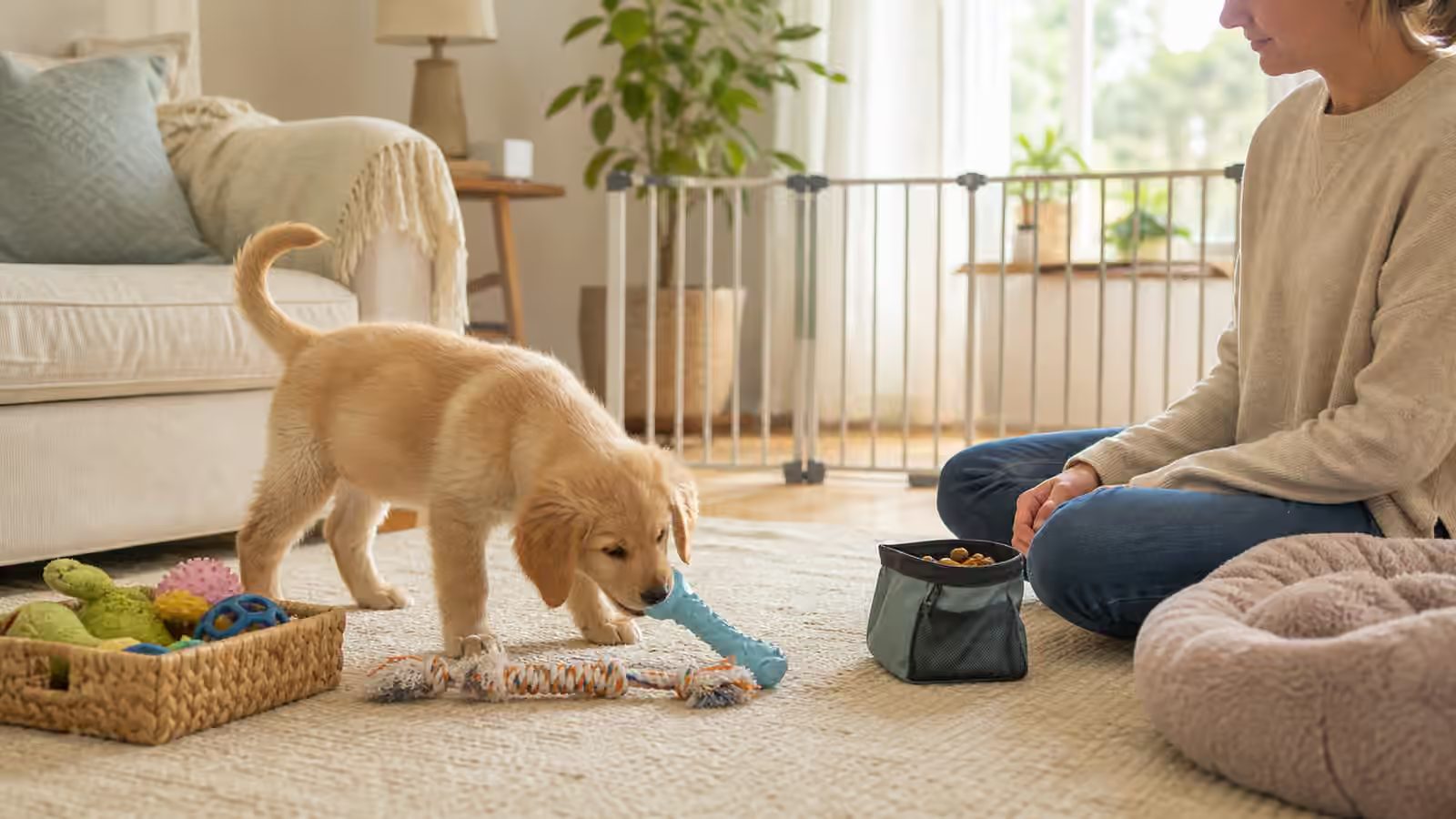
A useful recall does not begin at the park. It begins in the kitchen, hallway, bedroom, and living room, where the dog can hear their name, turn toward a person, and move a few steps without being overwhelmed by distance or excitement. Indoor practice gives the household a shared language before the front door, leash, visitors, squirrels, traffic, or other dogs make the job harder.
The first goal is not a dramatic sprint. It is orientation. The dog hears their name and the name predicts something worth turning toward. Then the dog learns that coming all the way to a person is safe, paid well, and not always the end of fun. A recall cue built this way becomes useful in daily life: moving away from the door, leaving a tempting object, changing rooms, clipping a leash, or resetting after excitement.
Make the Name Worth Hearing
Many dogs learn that their name means interruption. A person says the name before clipping nails, ending play, scolding, pulling the dog away from a smell, or asking for something difficult. After enough repetitions, the name may become background noise or a warning. Rebuilding starts with a simpler pattern: say the name once in an easy room, wait for the dog to orient, and pay the turn with food, praise, play, or access to something the dog likes.
Do not chant the name until the dog responds. Repeating it teaches the dog that the first version does not matter. If the dog does not turn, the room is too distracting, the reward is too weak, the timing is unclear, or the dog has not learned the pattern yet. Move closer, use a small sound, or practice later when the dog is not absorbed in a harder activity.
The name is not the recall cue at first. It is the dog’s heads-up signal. Once the dog turns, you can invite movement with a cheerful cue, a hand target, a step backward, or a small treat tossed near your feet. Separating orientation from movement keeps the early work clean. The dog learns that listening starts with noticing, not with being dragged into a command.
Start With Tiny Distances
The easiest recall is almost too easy to respect. Stand a few feet away when the dog is already calm. Say the cue once, open your body sideways, and reward the dog for coming into your space. Then release them back to what they were doing. This last part matters. If every recall ends the good thing, the dog learns to hesitate. If coming to you often leads to a treat and then freedom, the cue becomes less expensive.
Rooms have different difficulty levels. A quiet bedroom is easier than the kitchen during dinner. A hallway is easier than the front entry. A dog resting on a mat is easier than a dog staring through the window. Practice where the dog can succeed before moving to busier spaces. The progression in Calm Mat Routines for Dogs and Cats can pair well with recall because settling and reorienting are related skills.
Reward placement shapes the behavior. If you feed the dog out at arm’s length, they may learn to stop just short of you. If you reward close to your leg, palm, or collar area, they learn that coming near a person is comfortable. Keep your hands gentle. Do not grab the dog every time they arrive. Occasionally touch the collar or harness, feed, and release, so handling becomes part of the routine instead of a trap.
Protect the Cue From Household Noise
A recall cue wears out when everyone uses it casually. If three people call the dog while the dog is chewing, sleeping, watching the door, and sniffing under the table, the dog gets many chances to ignore it. Choose a cue the household can protect. Use it when you are prepared to reward and when you can make success likely. For ordinary chatter, use the dog’s name, a kissy sound, or your own movement instead of spending the recall cue.
Children and visitors need simpler instructions. They should not call the dog repeatedly from across the room to prove the dog likes them. A dog who is worried, tired, eating, or resting should not be summoned for social performance. Children and Pet Boundaries at Home and Visitors and Doorway Routines for Pets both work better when recall is treated as a trained habit, not as entertainment.
Household timing is also part of cue protection. Do not call the dog only when the bath begins, the crate closes, or the walk ends. If you need to do an unpleasant task, pay generously, keep the task humane, and balance the cue with many easy repetitions that lead to good outcomes. A dog can handle real life better when the recall cue has a long history of fairness.
Add Motion Before Adding Distance
Many indoor recalls fail because people jump from quiet practice to emergency use. A better next step is adding small pieces of motion. Call the dog while you take one step backward. Call from around a corner. Call when another person is sitting in the room. Call after tossing a treat away, then reward the return. Call from the hallway while the dog is not deeply engaged. Each version teaches the dog to find you in a real home without asking for too much.
Doorways deserve special care. Dogs often rush the front entry because doors predict walks, guests, deliveries, and outdoor smells. Recall can help, but it should not be the only barrier. Pair it with the setup in Door-Dash Prevention for Dogs and Cats : gates, mats, leash stations, and routines that keep the dog away from the threshold before the door opens. A recall cue is a helpful thread in that system, not the whole safety net.
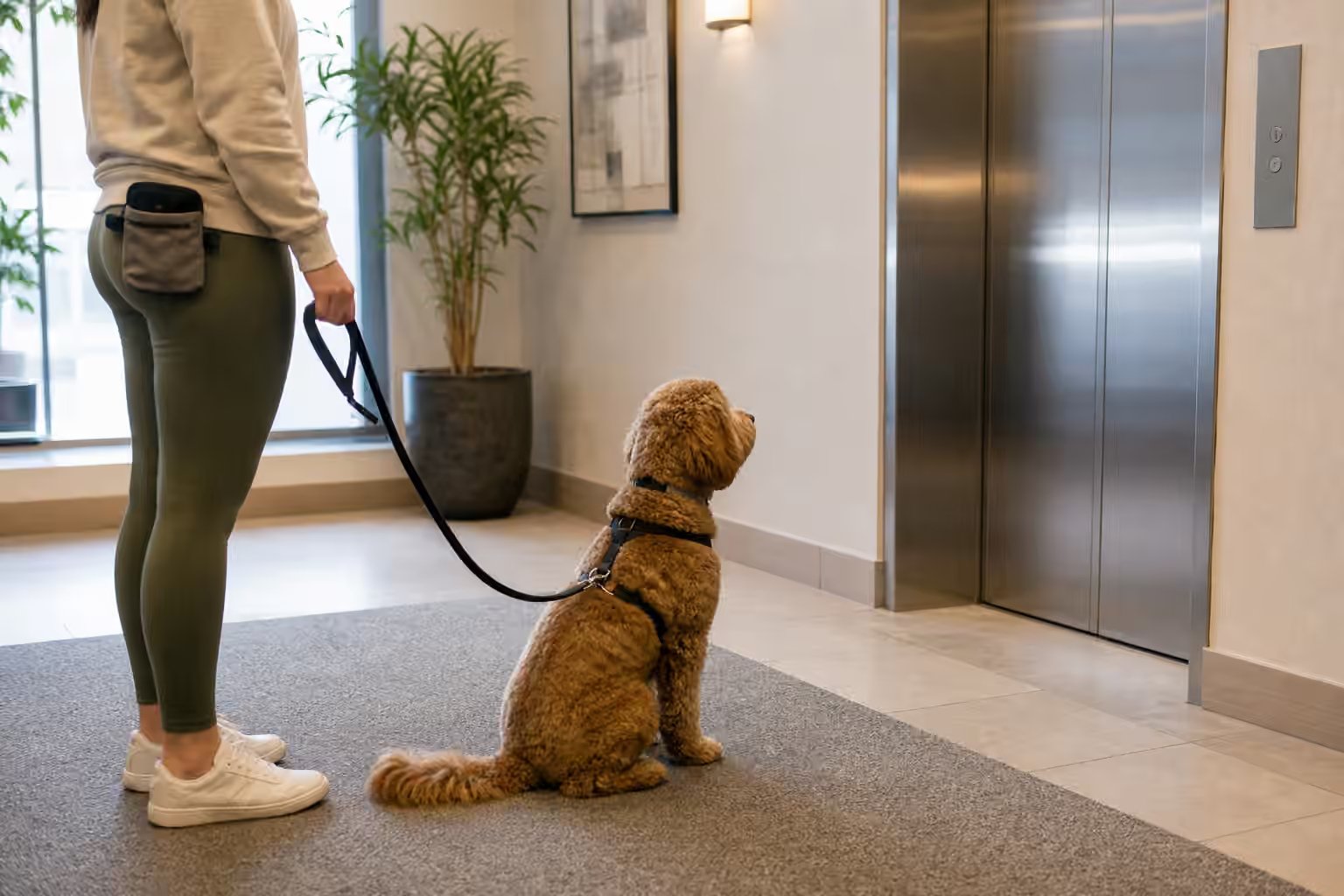
Leash routines connect too. A dog who can turn to their name indoors has an easier time checking in during Loose-Leash Walks Without Turning Every Walk Into Training . The indoor habit gives you a clean place to start because the dog learns that orienting toward a person pays before the outside world competes for attention.
Use Real Rewards, Then Vary the Picture
Recall is one of the behaviors worth paying well. Use food the dog genuinely values, a toy for a toy-driven dog, a short game, permission to return to sniffing, or access to a favorite person. The reward should match the difficulty. Calling the dog away from a nap may need only a small payment. Calling away from a dropped food wrapper or a barking window moment should pay better and probably needs management too.
Once the dog understands the game, vary the picture without making it random. Sometimes reward at your feet. Sometimes ask for a hand target. Sometimes clip the leash, feed, and release. Sometimes move together to another room. Sometimes call from a seated position. Dogs do not generalize as cleanly as people expect. A cue learned from a standing adult in the kitchen may not automatically transfer to a child on the sofa or a person carrying groceries.
Keep sessions short enough that the dog wants another repetition. Recall practice that turns into drilling can flatten the cue. A few good repetitions during ordinary life are better than a long session that ends with the dog wandering off. Stop while the response is still bright.
Know When Recall Is Not the Right Tool
Do not use recall to pull a dog out of fear, pain, conflict, or severe arousal without changing the situation. A dog who is frozen, growling, guarding, panicking, chasing, or staring hard at another animal may not be able to respond. Read the body first. Reading Pet Body Language at Home helps the household decide whether to cue, add distance, close a gate, trade, or get help.
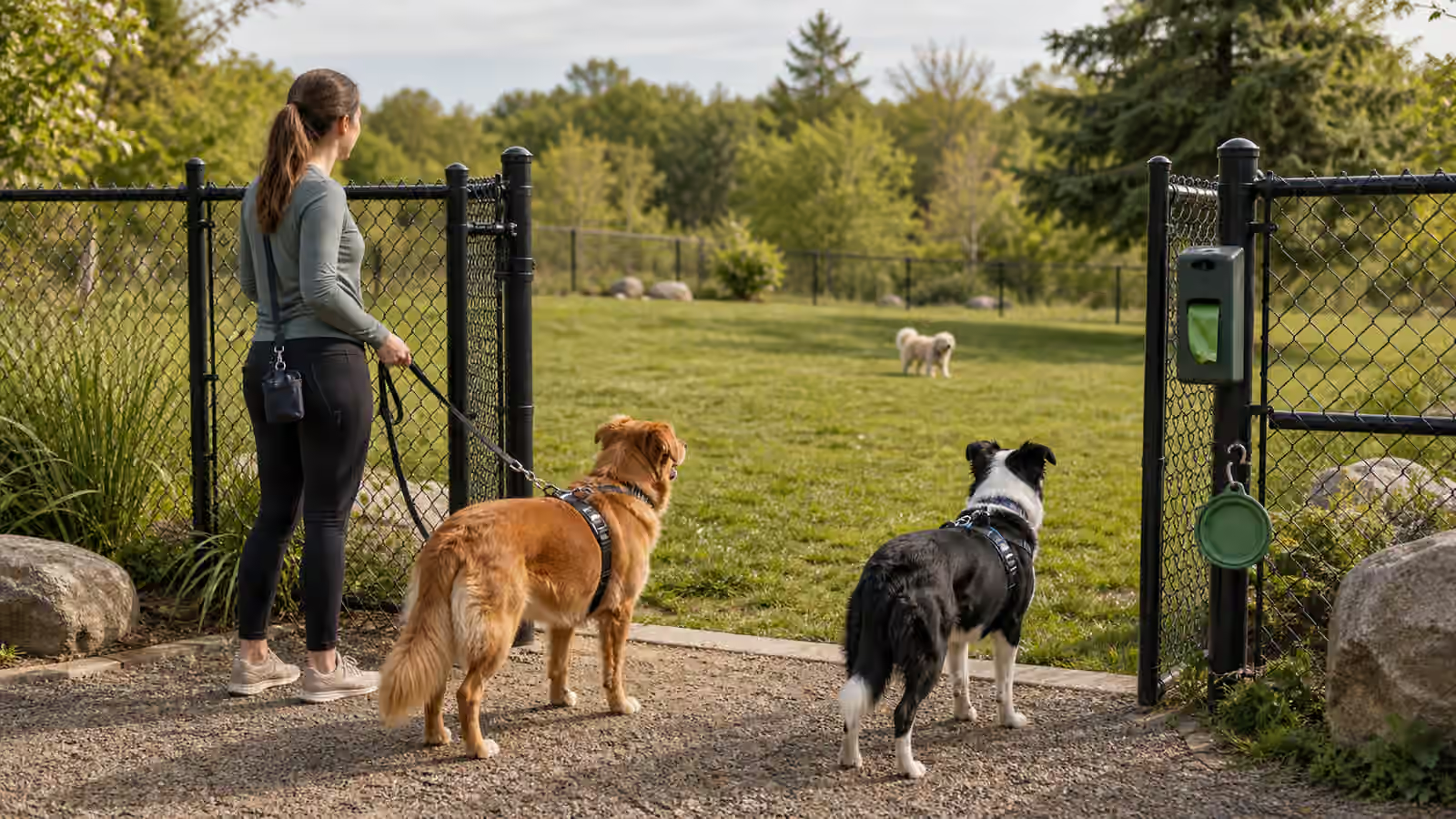
Recall also should not replace equipment. Use a leash in unfenced areas, secure gates and doors, and check harness fit with Harnesses, Collars, and Leashes Explained . A strong indoor recall is valuable because it builds attention and trust. It is not a reason to gamble with traffic, wildlife, unfamiliar dogs, or an unsecured entry.
The indoor version succeeds when it becomes ordinary. The dog hears their name and turns. The cue invites them in. The person pays, handles gently when needed, and often lets the dog return to life. That pattern is simple enough to repeat and useful enough to keep. Over time, the household gets a dog who is easier to redirect because coming toward people has a long, clear history of being worth it.