Household chores are not background noise to pets. The vacuum changes sound and air movement. A mop changes the floor. Laundry opens doors and moves bedding. Trash brings food smells into reach. Repairs introduce strangers, tools, ladders, and blocked rooms. Dogs and cats may read all of that as excitement, threat, opportunity, or confusion long before the person thinks anything important has happened.
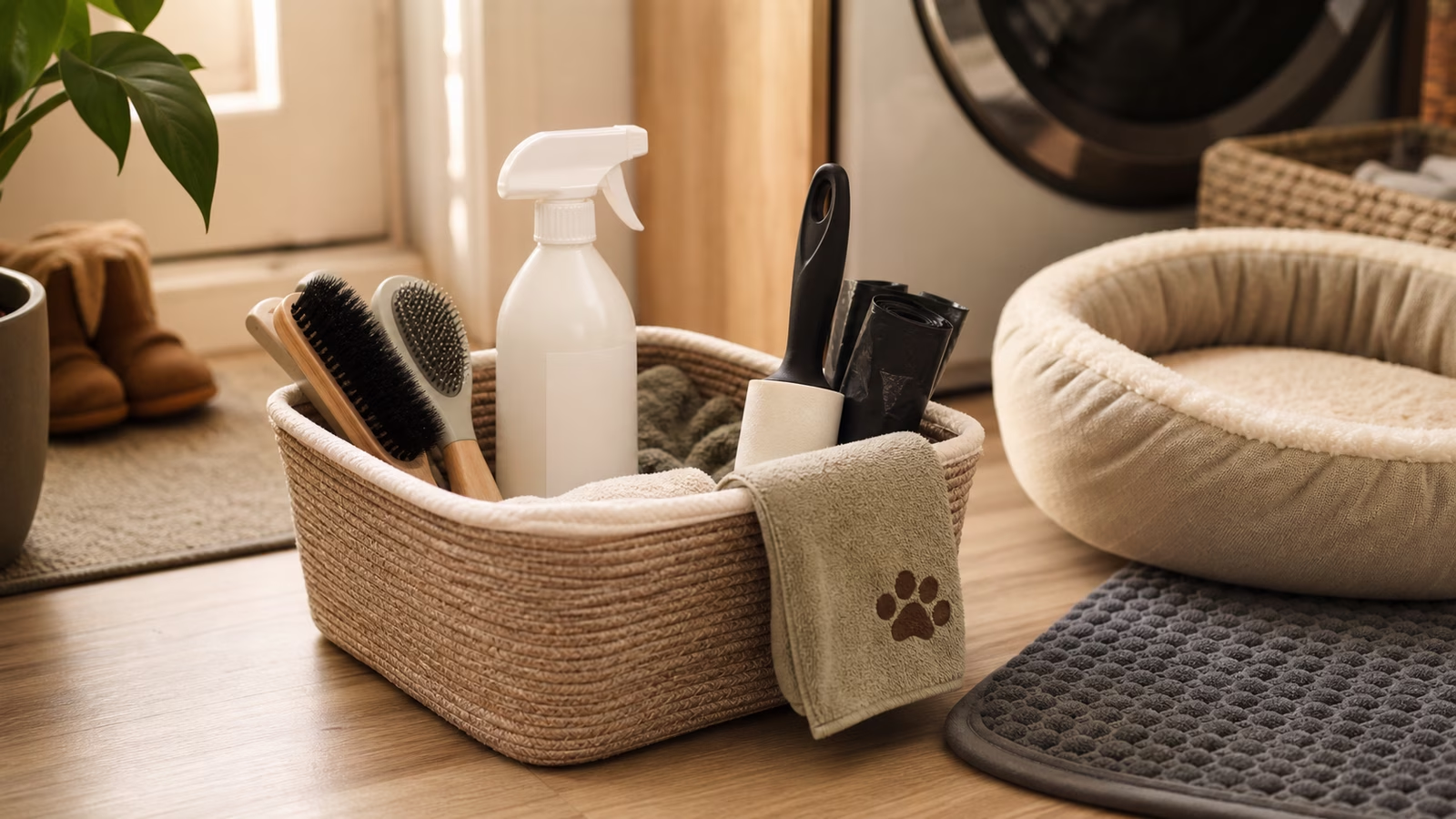
This guide belongs beside Pet Cleaning Setup for a Fresher Home , but it looks at the moving parts rather than the supplies. A cleaning caddy is helpful. A chore routine is what decides whether the pet can stay calm while that caddy comes out.
Name The Chores That Change The Room
Not every chore matters equally to every pet. One dog sleeps through sweeping but barks at the vacuum. One cat ignores laundry but hides when trash bags snap open. A senior pet may struggle because furniture moves during mopping. A puppy may treat every dust cloth as a tug toy. The first step is noticing which chores change the pet’s body.
Watch for early signals. The pet may leave the room, freeze, follow too closely, grab tools, bark, swat, pant, lick lips, hide, or block the path. Those signals help you divide chores into ordinary, exciting, and hard. The goal is not to make every animal love every chore. It is to stop surprising them and to stop rehearsing conflict.
Reading Pet Body Language at Home is useful because chore stress often starts small. A cat who flicks the tail when the mop bucket appears is easier to help than a cat who has already bolted under a bed. A dog who stares at the vacuum before it turns on is already part of the event.
Give Pets A Job That Is Not Helping
Many pets get into chores because the room gives them no better role. The dog follows the broom, the cat jumps into the laundry basket, the puppy steals socks, or the dog stands exactly where the person needs to step. A clear station can turn the chore from a moving target into a predictable routine.
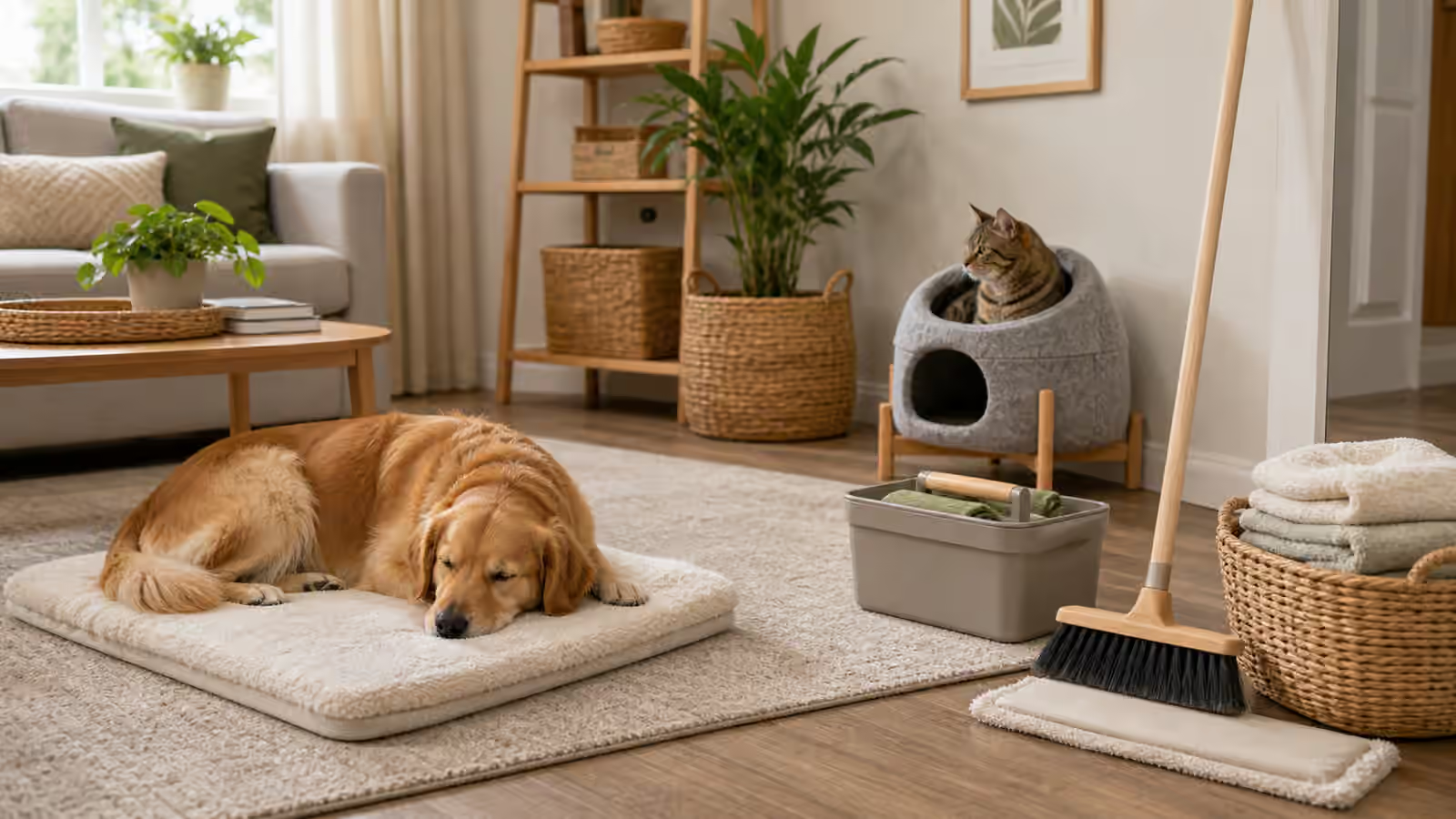
For dogs, that station may be a bed, mat, crate introduced kindly, gated room, or chew spot. For cats, it may be a perch, a home-base room, a window spot, or a closed room with litter and water if the chore is intense. Calm Mat Routines for Dogs and Cats gives the basic skill. Pet Gates and Room Transitions helps when the answer is space management rather than asking the pet to hold still.
The station should be ready before the chore begins. If the vacuum is already roaring, the pet may not be able to learn. Set the bed, treat, chew, toy, or closed door first. Then start the easier version of the chore. Small predictable repetitions teach more than one dramatic cleaning day.
Reduce Noise And Motion Where You Can
Noise-sensitive pets do not need a lecture about appliances. They need distance, warning, and choices. Noise-Sensitive Pets at Home covers the broader pattern, and chores are one of its most common tests. Vacuuming, blenders, dryers, drills, and trash trucks may all land in the same category for the animal.
Give a cue before loud chores if the pet can use that information. Move the pet to a quieter room before the sound begins. Close curtains if outdoor movement adds to the reaction. Start with short bursts. Avoid following the pet with a noisy tool, even accidentally. If the dog is on a mat, do not vacuum right up to the mat and expect the station to keep its meaning.
Motion can be as hard as sound. A mop swinging near paws, a broom pushing toward a cat, or a trash bag flapping beside a crate can feel confrontational. Change the angle. Work away from the pet. Let the animal leave. Distance is often the simplest training aid in the house.
Protect Floors, Beds, And Bowls During Cleaning
Chores can temporarily break the pet’s map. A water bowl gets lifted during mopping and forgotten. A litter route is blocked by a laundry basket. A dog bed is moved to clean underneath it, then returned damp. A cat’s favorite blanket goes into the wash with every familiar scent removed at once. These small disruptions can matter.
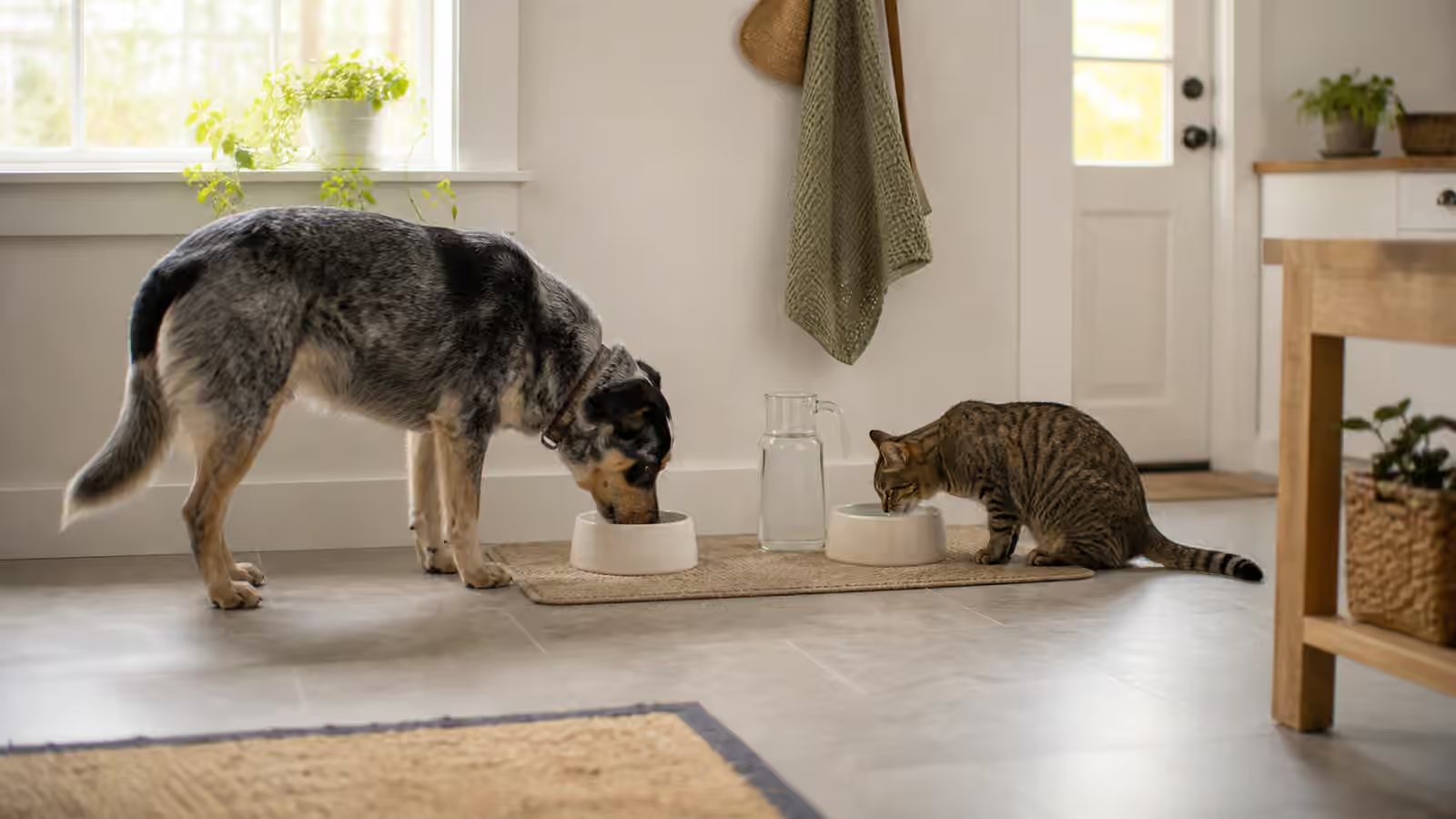
Before a bigger cleaning block, check essentials. Can the pet reach water? Can the cat reach litter? Does the senior pet still have traction? Is the resting spot dry? Water Stations and Hydration Routines for Pets and Pet Laundry and Bedding Wash Routines help keep those ordinary supports from disappearing while the house looks cleaner.
If floors are wet, slippery, or covered in supplies, use gates or closed doors until the area is safe to cross. Stairs, Slippery Floors, and Traction for Pets matters during chores because the floor can change for an hour and then return to normal. Pets do not always know that the shiny wet hallway is temporary.
Treat Trash, Repairs, And Deliveries As Chores Too
Pet chore planning is not only vacuuming. Trash can smell like food, medication packaging, grooming waste, or litter. Repairs can bring strangers and tools. Deliveries can create doorbell noise, open doors, boxes, tape, and packing materials. A dog who is calm during sweeping may struggle when a repair person kneels near the favorite bed.
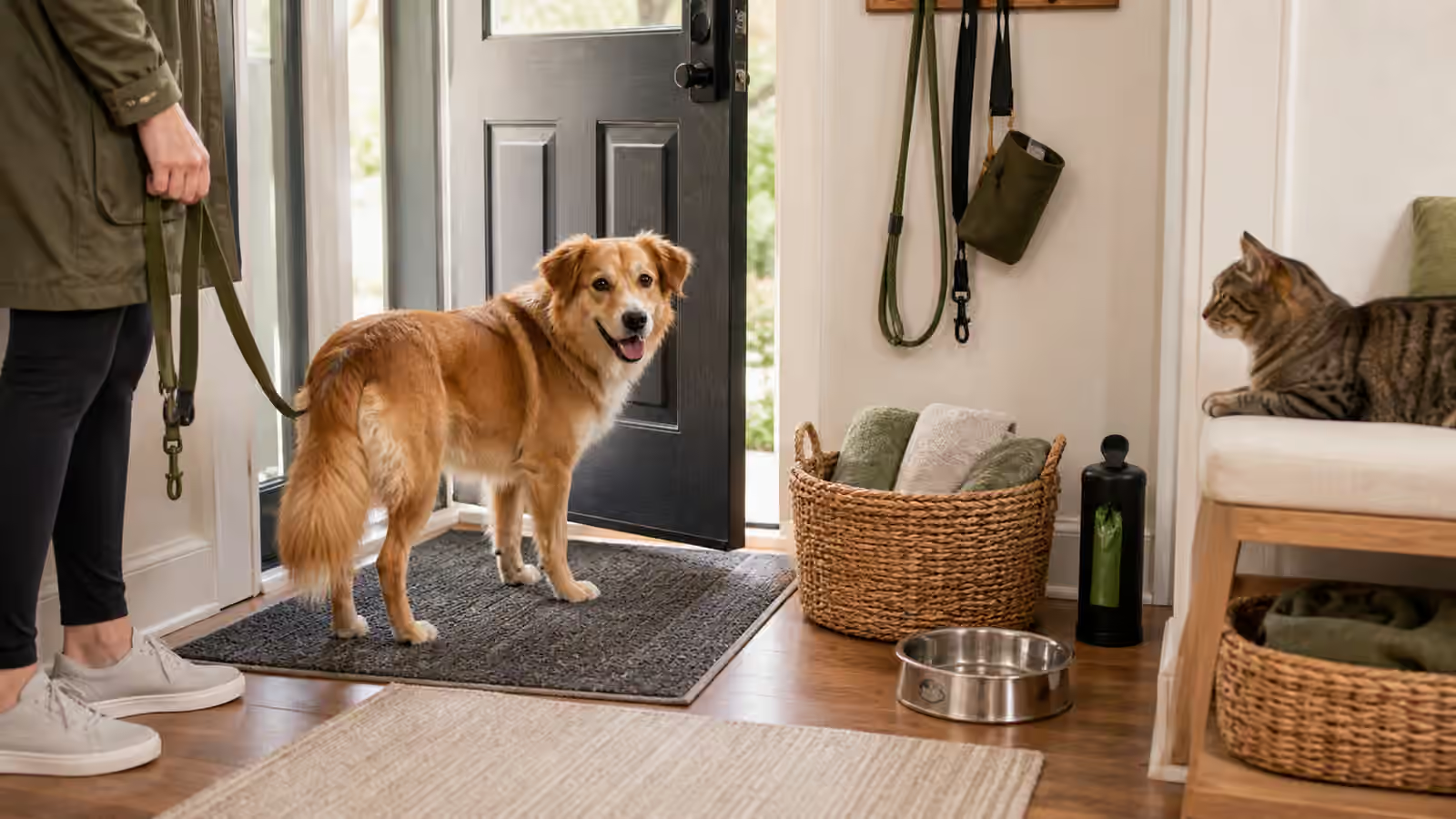
Visitors and Doorway Routines for Pets applies to maintenance workers as much as friends. Set the pet up before the person enters. Do not ask a stranger with tools to also manage your dog. Do not rely on a cat staying hidden if the repair requires opening the hiding room.
For trash, keep bags closed and move them directly. Do not leave food waste, strings, packaging, or cleaning cloths in reach while doing other chores. If a pet gets into trash, chemicals, medication, sharp objects, or anything potentially dangerous, treat that as an urgent safety issue and contact the appropriate professional guidance. Home organization helps prevent access, but it is not a poison-control plan.
Keep The Routine Kind And Repeatable
A chore routine should not require a perfect day. It should work when people are tired, the dog is excited, the cat is skeptical, and the floor actually needs cleaning. That means fewer steps, clearer stations, and more respect for what the pet finds hard.
If a chore repeatedly causes panic, aggression, self-injury, house-soiling, destructive distress, or unsafe chasing, stop treating it as a normal annoyance. Use When to Call a Vet, Trainer, or Groomer to choose the right help. Some pets need medical evaluation, behavior support, or a different management plan.
For ordinary households, start with one chore. Make the pet’s station obvious. Add distance before sound. Keep water, litter, bedding, and traction intact. Put supplies away when finished so the pet is not left to inspect the aftermath. A home with pets will never be a silent showroom, and it does not need to be. It needs chore routines that keep the animals safe, the people sane, and the room understandable while ordinary life gets cleaned up.