Weather routines are not only about storms and muddy paws. Heat, cold, dry wind, smoke, icy sidewalks, strong sun, and strange household sounds all change the work a pet has to do. A dog who walks calmly on a mild morning may pull toward shade in summer or refuse a slick step in winter. A cat who ignores the front door most days may become restless when windows stay closed, fans move air through the room, or people rush in and out with different gear.
The goal is not to make every season elaborate. It is to make the household a little less surprised. Pets read patterns. If weather changes the walking route, entry cleanup, water access, resting place, or noise level, the routine should explain those changes before the pet has to improvise.
Start with the day’s pressure point
A weather routine works best when it begins with the part of the day most likely to go wrong. In hot weather, the pressure point may be the walk that happens too late, the sunny balcony that feels pleasant to a person but too intense at pet level, or the water bowl that lives in the only room the dog avoids when the floor is warm. In cold weather, it may be the icy entry step, the slow senior dog who needs more time to stand, or the cat who sleeps beside a draft because the favorite bed never moved with the season.
Do not judge the day only from adult human height. Pets are closer to pavement, rugs, drafts, vents, and door gaps. They also have different coats, ages, body shapes, health histories, and tolerance for handling. A short-coated dog, a flat-faced dog, a senior pet, a kitten, a puppy, and a thick-coated adult cat may all read the same room differently. This does not mean every choice needs a special product. It means the home should be watched from the animal’s actual route: bed to water, water to door, door to sidewalk, litter to resting place, perch to window.
The best first adjustment is usually timing. Walk before the surface becomes uncomfortable or after the loudest weather has passed. Move play to a calmer indoor window. Let the cat use a shaded perch instead of a hot sill. Shift the dog bed away from a cold draft or from direct sun. These are small changes, but they are easier to repeat than a dramatic plan that depends on everyone remembering ten new rules.
Change walks before they become arguments
Dogs often need outdoor time even when the weather is awkward, but the shape of the walk can change. On hot days, a useful walk may be shorter, earlier, slower, and built around shade and sniffing rather than distance. On cold or icy days, it may be a practical bathroom route with better traction, fewer stops, and a warmer landing routine afterward. During smoke, poor outdoor air, heavy wind, or rough neighborhood conditions, the walk may become a minimal bathroom trip paired with indoor enrichment.
This is where people accidentally create conflict. They expect the dog to walk the same route at the same speed because the schedule says so, then get frustrated when the dog pulls toward shade, balks at a puddle, rushes over cold ground, or scans at windblown objects. A changed environment asks for changed criteria. The loose-leash principles in Loose-Leash Walks Without Turning Every Walk Into Training still matter, but bad-weather walking often begins by lowering the performance demand.
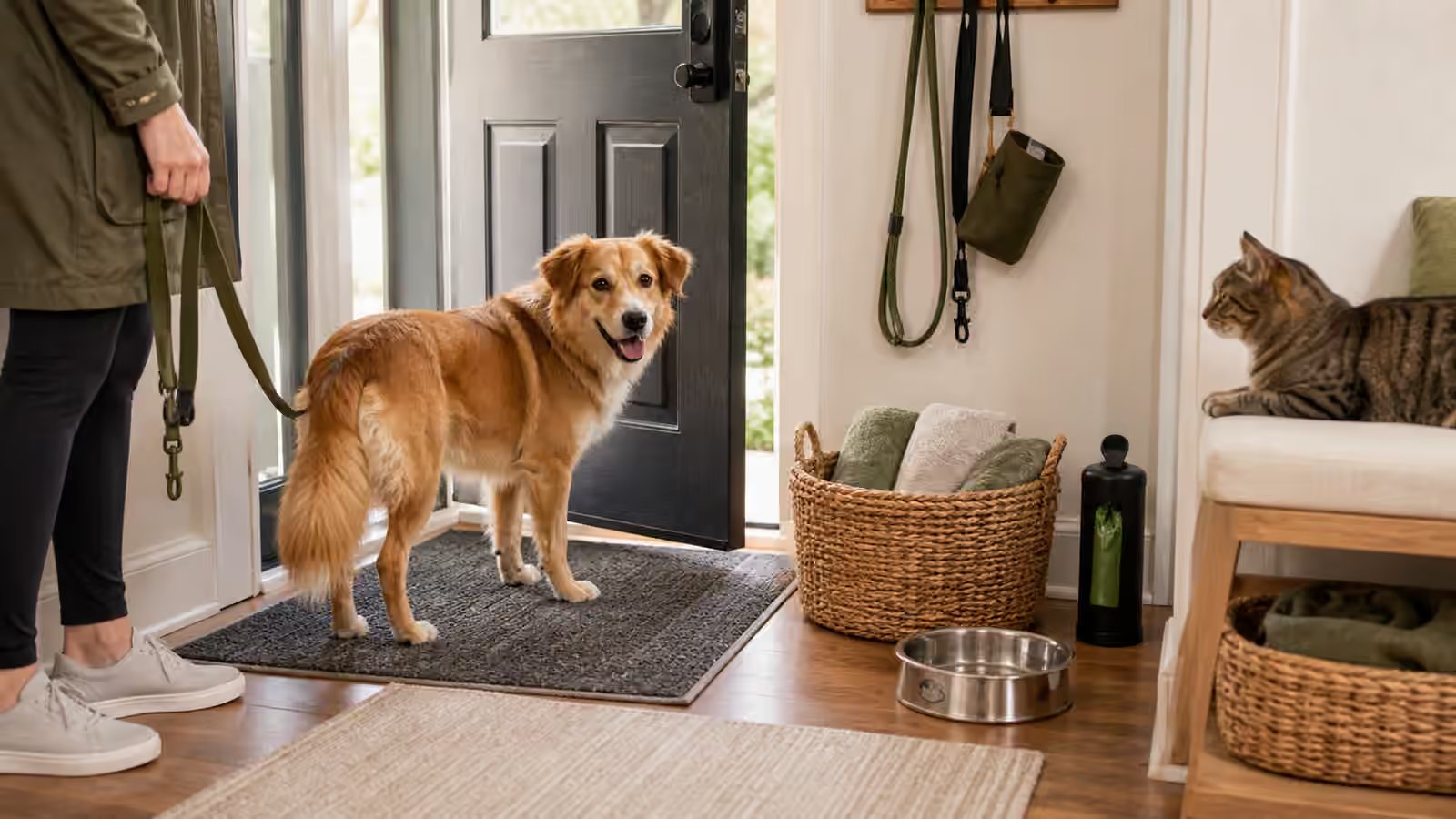
Use the entry as a reset. Clip gear indoors, pause before the door opens, and decide where the first bathroom opportunity will happen. If the dog needs a coat, boots, towel practice, or a different harness fit, teach those pieces on quiet days before the weather makes everyone impatient. If the dog freezes, panics, limps, coughs, struggles to breathe, or seems unwell, stop treating it as a manners issue and move toward professional help.
Give cats a weather map too
Cats may not go outside, but weather still changes their home. Curtains close against heat. Windows rattle. Air conditioners, fans, heaters, and humidifiers add sound and movement. Humans move beds, blankets, plants, and laundry. Dogs come back from walks smelling like rain, smoke, snow, road grit, or wet leaves. A cat who lives indoors is still living in the season.
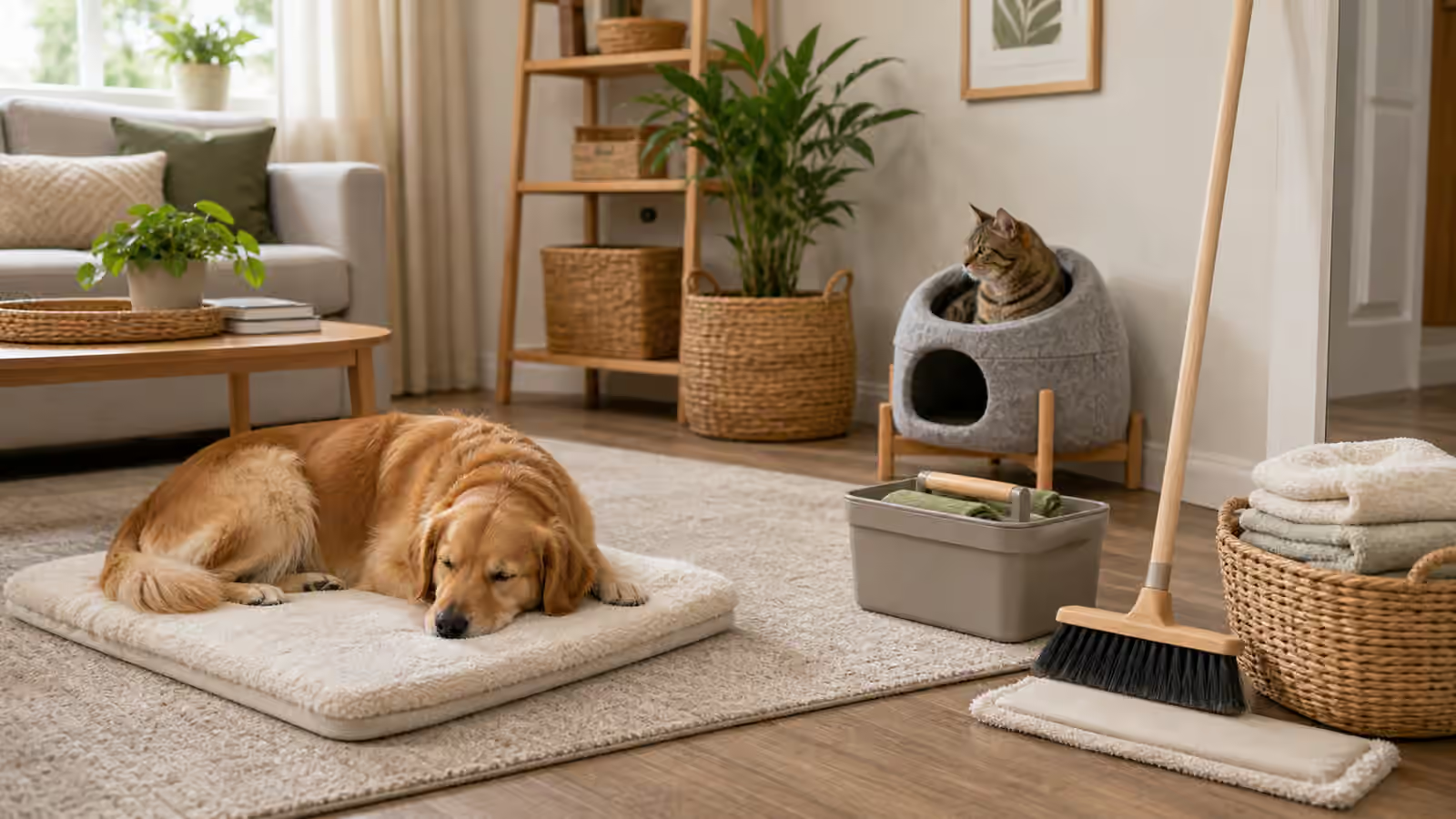
Start with resting choices. A cat should have a place that is warm without being trapped, cool without being isolated, and quiet without being unreachable. In hot weather, a shaded perch may be more useful than an exposed sunny window. In cold weather, a draft-free bed near normal household activity may be better than a decorative bed in a room nobody uses. If equipment makes noise, give the cat a path away from it before turning it on for hours.
Litter and water placement deserve attention during weather changes. A box near a cold garage door, loud utility area, or overheated sunroom may become less comfortable even if it worked in spring. A water bowl beside a heater, in direct sun, or in a busy doorway may be ignored. The setup ideas in Litter Box Setup That Actually Works and Feeding Stations and Mealtime Routines for Pets become more important when the usual room conditions change.
Make water and shade easy to find
Water access is a setup issue, not a reminder you give once. Put water where the pet can reach it without passing another animal, entering a stressful room, or squeezing past a noisy appliance. In multi-pet homes, one bowl may not be enough because weather can increase hovering and movement around shared resources. A dog returning from a warm walk and a cat trying to cross the kitchen should not have to negotiate the same narrow corner.
Shade works the same way. Outdoor shade should be real shade, not a hopeful sliver that moves away after ten minutes. Indoor shade should not remove every resting option the pet likes. A window perch can stay useful if the cat has a cooler alternate perch nearby. A dog bed can move a few feet from direct sun without disappearing from family life.
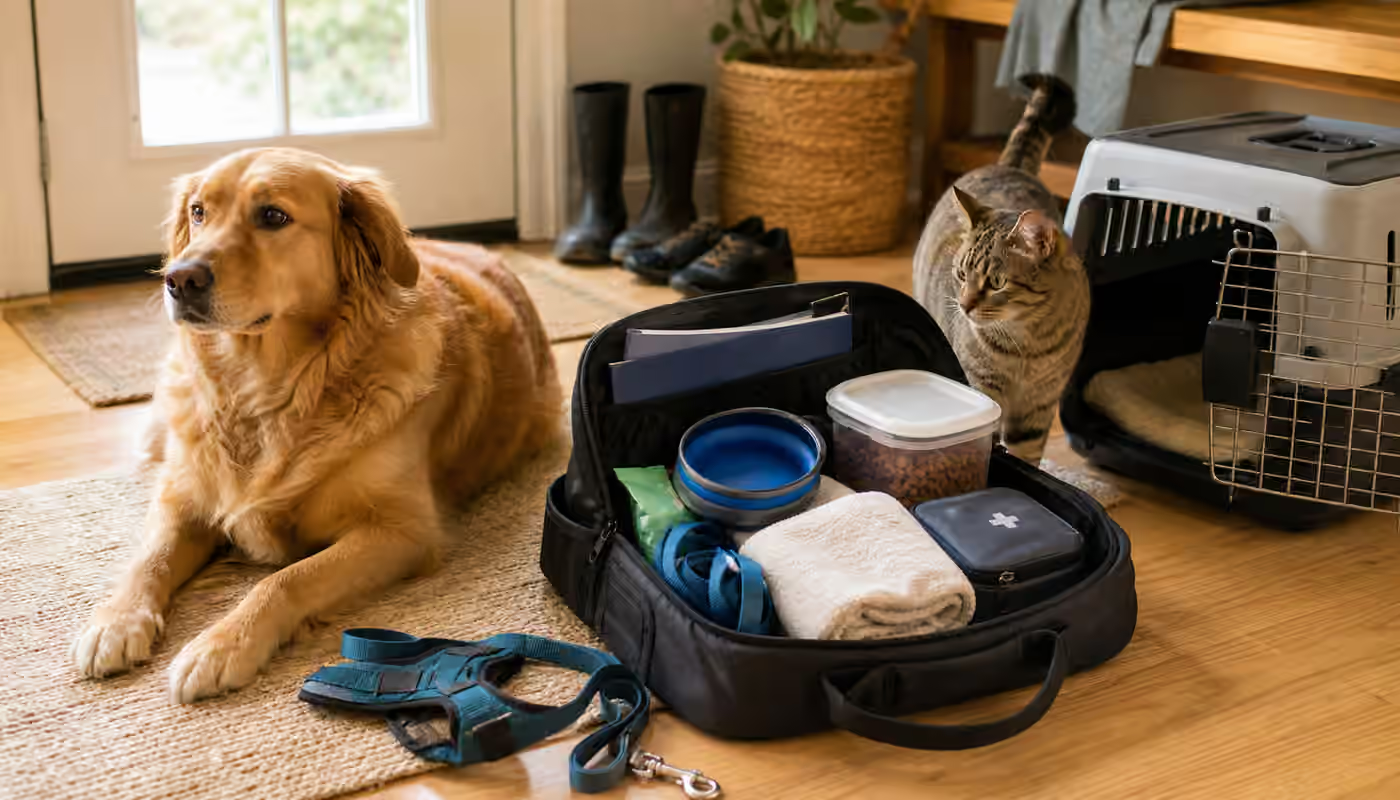
For apartments and small homes, weather routines also affect storage. The leash, towel, waste bags, water bottle, and walking layer should live close enough to the door that the household can leave calmly. A dog who has to wait while people search closets may arrive at the hallway already excited or uncomfortable. Apartment Pet Setup for Dogs and Cats covers this entryway logic in more detail, but the weather version is simple: the tools for the current season should be the ones easiest to reach.
Treat paws and coats as part of the landing routine
After-weather care should begin at the door, not after the pet has crossed the whole home. Mud, grit, salt, burrs, wet fur, dry leaves, and dust are easier to handle when towels and a washable mat are waiting. The pet also learns where the walk ends. Instead of being grabbed in the hallway, the dog lands on a mat, receives a predictable paw check or towel pass, and then returns to normal life.
Handling matters here. A dog who dislikes paw wiping will not become calmer because the floor is wet. Practice one paw touch, reward, and release on ordinary days. Let the towel appear before it is urgent. Keep the first real weather cleanup small enough that the dog can still think. The cooperative handling approach in Cooperative Grooming and Handling at Home is useful because paw checks, coat checks, and drying are handling exercises before they are cleaning tasks.
Cats need a lighter version of the same respect. Do not force a cat into a towel routine because the dog returned wet or the windows were dusty. Give the cat distance from the entry and a clean path to resources. If the cat investigates weather gear, let that be information rather than a reason to scoop them up. In dog-and-cat homes, use gates and timing after messy walks so one pet’s return does not become the other pet’s chase scene.
Replace lost outdoor time with a real indoor job
When weather shrinks outdoor access, pets still need something to do. The replacement should match the need that got reduced. If the dog lost sniffing time, a simple indoor search or snuffle activity may help more than a frantic game of fetch down a hallway. If the cat is restless because windows are closed, a wand-toy session, a new cardboard hide, or a perch with a different view may be more useful than leaving every toy on the floor.
Do not try to exhaust the pet as payment for a shorter walk. Overexciting indoor play can make the evening harder, especially in apartments where sound carries. Think in smaller pieces: sniffing, chewing, gentle training, food foraging, a calm mat, or a short play cycle that ends with rest. Pet Enrichment for Bored Dogs and Cats gives the broader menu, while Rainy-Day Pet Routines for Dogs and Cats shows how the same idea works when wet weather changes the entryway.
The indoor job should end somewhere. A dog who gets a short search game may need a bed or crate-adjacent rest afterward. A cat who plays hard may need food, water, and a quiet perch. Without a landing plan, indoor enrichment can become another source of arousal. The weather routine should help the pet come down, not simply move the outdoor chaos into the living room.
Keep outdoor edges honest
Balconies, porches, patios, yards, and open windows become more tempting when the household is managing heat, cold, fresh air, or stuffy rooms. A screen that seemed sturdy in mild weather may not be ready for a cat leaning into an interesting smell. A gate that worked on calm days may not hold up when a dog is excited by snow, windblown leaves, or people outside. A deck surface may feel different from the kitchen floor even when the air feels comfortable to you.
Check the boundary before access, not while the pet is already there. Look at latches, screens, gaps, surface temperature, footing, shade, water, and the route back inside. Supervised outdoor time still needs a plan for ending the session. A dog who has practiced coming in for a treat and a rest will be easier to guide than a dog who only comes in when people sound irritated. A cat with a secure indoor perch may be less desperate to test a cracked door.
The detailed boundary guide is Balcony, Porch, and Yard Boundaries for Pets . Weather routines borrow its main principle: outdoor access is not automatically safer because it is familiar. Conditions change, and the setup needs to be checked in the condition that actually exists today.
Know when weather is not the whole story
Weather can explain a lot, but it should not become an excuse for ignoring a change. A dog who refuses one icy step may need a different route. A dog who repeatedly limps, collapses, coughs, or cannot recover needs professional attention. A cat who chooses a cooler sleeping spot may be adjusting normally. A cat who stops eating, hides with severe lethargy, strains in the litter box, or breathes abnormally needs veterinary care.
Behavior boundaries matter too. Panic during wind, smoke smell, snow equipment, thunder, or heat-related schedule changes may need more than a better towel station. Noise sensitivity, confinement distress, aggression, escape attempts, and unsafe handling all deserve a calmer plan and, when needed, qualified help. Noise-Sensitive Pets at Home and When to Call a Vet, Trainer, or Groomer are the next reads when the routine keeps breaking at the same point.
A good weather routine feels plain from the outside. The walk changes before the dog is overwhelmed. The cat still has water, shade, litter access, and a retreat. The entry has towels before the mess arrives. Outdoor edges are checked before they are used. Indoor enrichment replaces a specific missing need instead of turning the home into a louder gym. Seasonal changes will still be inconvenient, but they do not have to make the pet guess what kind of day the household is having.