Parties and holidays ask pets to handle a version of home that does not feel like home. Furniture moves. Food appears at new heights. Doorbells ring more often. Children run between rooms. Coats pile near the entry. People laugh loudly, music plays, dishes clatter, and the usual resting place may become the place where someone drops a bag.
Some dogs and cats enjoy visitors, but enjoyment does not remove the need for structure. A social pet can still get overtired, steal food, dart through a door, crowd a guest, or snap after too much handling. A shy pet may need the gathering to happen without them. The visitor routine in Visitors and Doorway Routines for Pets is the foundation. This guide adds the extra pressure of food, noise, decorations, and a house that stays busy for hours.
Build the retreat before guests arrive
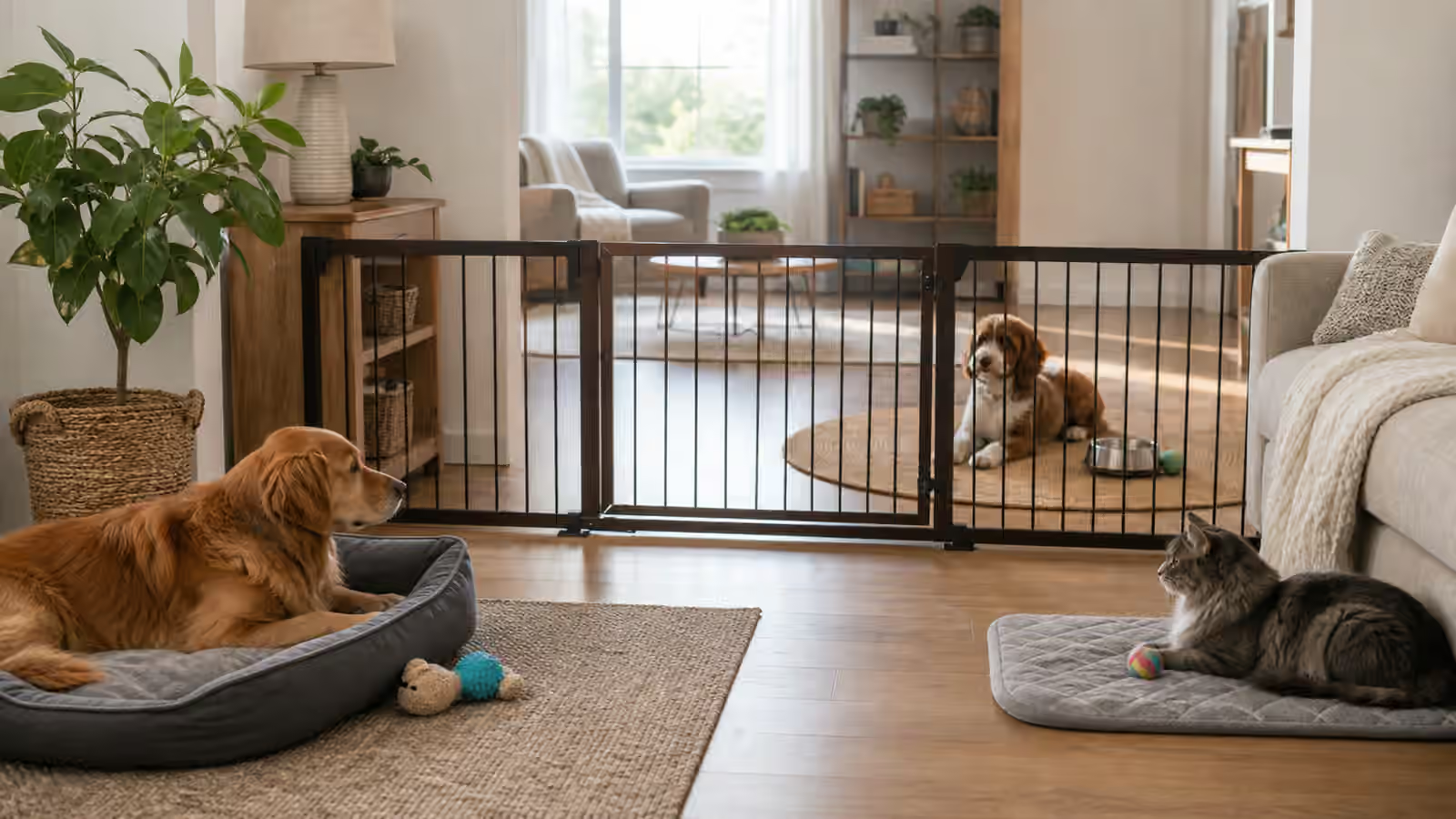
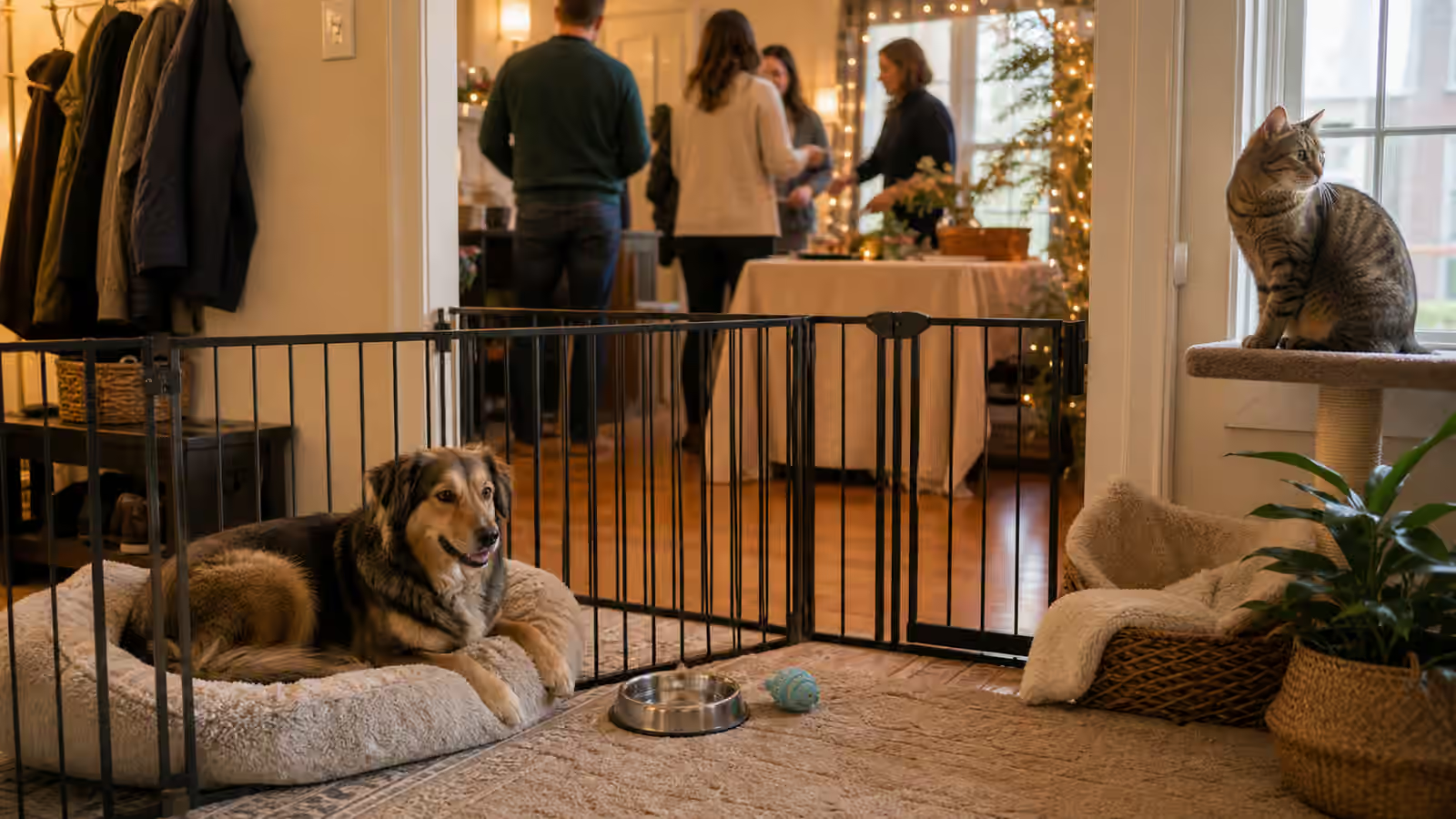
The retreat should be ready before the first coat lands on a chair. Choose a room, gated area, crate, pen, or quiet corner that the pet already understands. Add water, a bed, litter for cats if the retreat is a closed room, safe chewing or resting options if appropriate, and a sound buffer if it helps. The retreat is not where the pet goes after failing. It is part of the event plan.
Practice the retreat on normal days. Let the dog rest behind the gate while people cook a simple dinner. Let the cat use the quiet room during a short visit from one friend. Reward calm choices and release before the pet is frantic. Alone-Time Routines for Dogs and Cats can help if the pet worries when separated from people, but severe distress needs more support than a party-day closed door.
Placement matters. A retreat beside the front door may be too loud. A bedroom where guests will leave coats may not stay private. A laundry room with noisy machines may be worse than the living room. Think from the pet’s height and hearing, not from the host’s convenience. The best retreat is the one people can protect for the whole event.
Separate food pressure from social pressure
Party food creates problems even when guests love animals. Plates sit on coffee tables. Children carry snacks low. Serving trays move through the room. People offer bites without knowing the pet’s rules or dietary risks. A dog who never counter-surfs on ordinary nights may investigate when the room smells like six meals at once. A cat who ignores the kitchen may appear on the buffet because the house is distracted.
Decide where the pet will be during food setup, serving, and cleanup. A practiced dog may stay on a mat away from the table. Many dogs do better behind a gate or in a quiet room. Cats may need counters cleared, doors closed, or a separate retreat before food comes out. Counter-Surfing and Kitchen Boundaries for Dogs and Pet Food Storage and Kitchen Boundaries both apply because party food is still kitchen management.
Tell guests the rule in plain language. The pet does not get food from hands or plates. The cat is not allowed on the serving table. The dog stays behind the gate while people eat. You do not need to lecture. You do need to make the boundary easy to follow. If one guest keeps feeding the dog, move the dog rather than hoping the person remembers after the third reminder.
Keep arrivals and departures boring
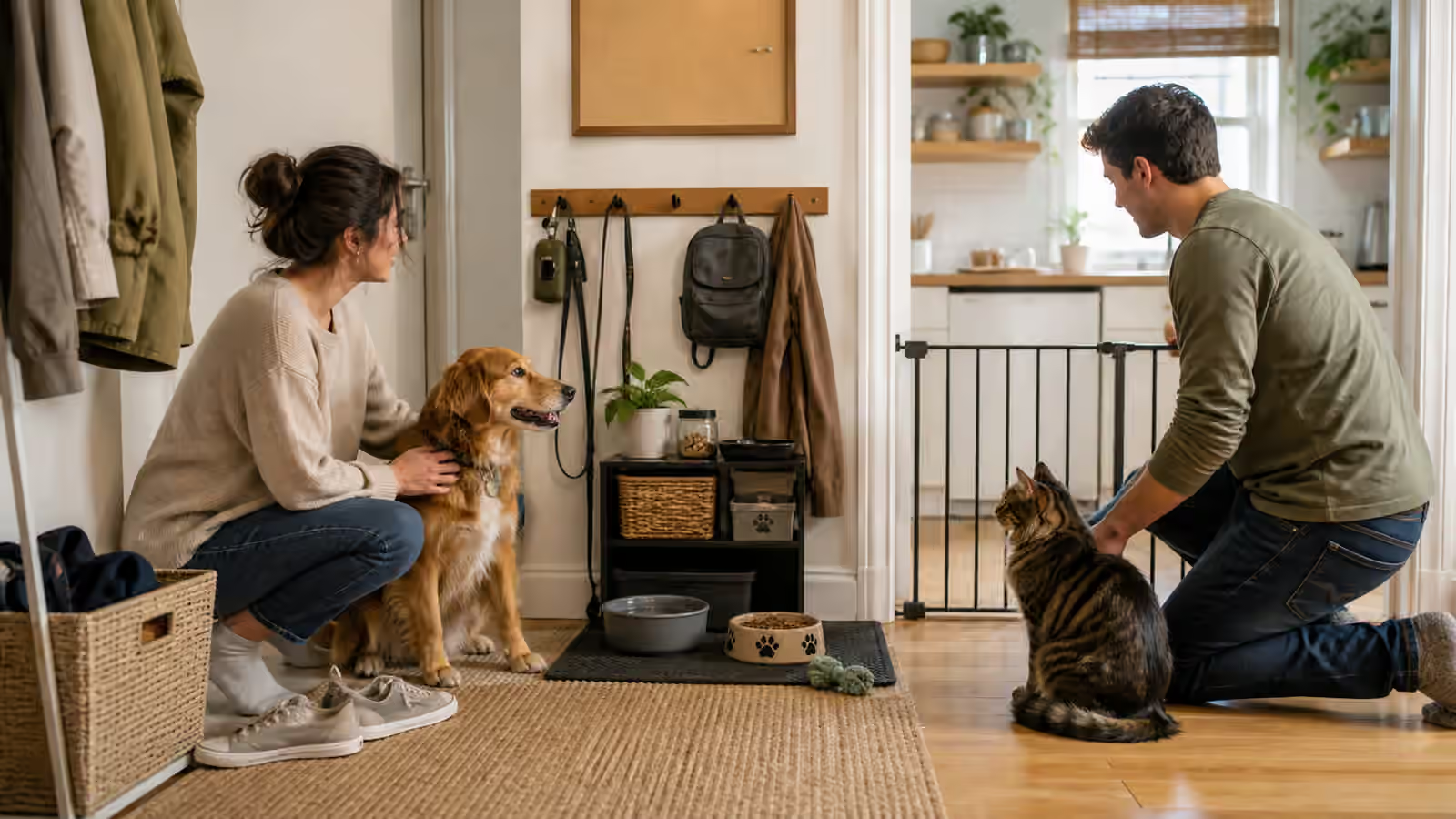
Gatherings create repeated door moments. Guests arrive late, someone runs to the car, a child opens the door for a relative, deliveries come, and people leave in clusters. Each opening is an escape opportunity and an arousal spike. Door plans should not depend on the pet being polite while everyone else is excited.
Set up a two-layer system if possible. The pet is behind a gate, in a room, on leash with a calm adult, or in a crate before the door opens. The person answering the door knows where the pet is. Guests are not asked to step around a dog or block a cat with their feet. Door-Dash Prevention for Dogs and Cats is especially important during gatherings because the door opens more often and people pay less attention.
Greetings can wait. A dog who loves people may still greet better after the first wave has settled. A cat may choose to emerge later or not at all. Avoid making the pet the welcome activity. The host can greet guests; the pet can join only if the setup, body language, and timing make sense.
Watch decorations, noise, and movement
Decorations change the room. Cords, ribbons, candles, flowers, plants, ornaments, gift wrap, balloons, and small objects can become chew items, toys, climbing targets, or hazards. Avoid relying on the pet’s usual behavior around a room that no longer looks usual. Secure cords, keep fragile or tempting objects out of reach, and remove anything you cannot supervise safely.
Noise changes behavior too. Music, fireworks in the distance, loud games, kitchen appliances, and groups of people talking over one another can exhaust a pet who seems fine at first. Noise-Sensitive Pets at Home is the deeper guide, but the gathering rule is simple: if the pet cannot settle, give them distance before they have to escalate.
Movement matters for herding, chasing, jumping, and startle responses. Children running through rooms, guests stepping over a resting dog, or someone carrying a tray near a cat perch can all create conflict. Protect resting routes. Keep play away from pet beds and litter paths. If the gathering includes children, pair this with Children and Pet Boundaries at Home before the room becomes crowded.
Give cats and shy dogs permission to disappear
Not every pet should attend the party. Many cats prefer the gathering to happen somewhere else. Some dogs are social for ten minutes and then need an hour away. A pet who retreats is not being rude. They are regulating their distance. Respect that choice, especially when visitors want to meet them.
Do not drag a cat from hiding for introductions. Do not send guests into the retreat room to say hello. Do not make a shy dog accept petting because the visitor is gentle. The pet’s body language should decide the pace. Reading Pet Body Language at Home helps here because polite animals often show discomfort quietly before they bark, scratch, swat, or bite.
For confident pets, build breaks anyway. A dog who spends the whole afternoon greeting may become mouthy or restless at night. A cat who makes several living room appearances may still need a protected litter path and water station. Social access is not the same as unlimited access.
Reset after the house empties
The end of the party is part of the routine. Pets may be overstimulated, hungry, confused by moved furniture, or interested in leftovers and trash. Before releasing the pet into the full house, clear food, check floors, remove dropped objects, close doors, and restore water, beds, litter, and gates. A tired host may want to collapse, but this is when many scavenging and escape mistakes happen.
Give the pet a normal sequence: bathroom or litter check, water, quiet greeting, short decompression, and sleep. Some dogs need a calm sniff outside. Some cats need the house quiet before they emerge. Do not use the pet’s post-party energy as proof the event went badly. Look at recovery. If the pet settles after the reset, the plan likely worked. If they cannot settle, hide for a long time, bark at every sound, or show new behavior changes, make the next gathering easier.
Good party routines make hospitality less fragile. Guests know what to do, pets have somewhere safe to be, food is not a constant temptation, and the host is not trying to train during every doorway moment. The gathering can still feel warm, but the pet does not have to absorb every bit of it.